

Work jackets with logo branding have become essential tools for businesses seeking to establish professional credibility whilst maintaining practical functionality. Beyond simple uniform requirements, these customised garments serve as mobile advertisements, safety compliance tools, and team identity markers. Whether operating in construction, hospitality, healthcare, or corporate environments, the strategic implementation of branded workwear creates lasting impressions that extend far beyond traditional marketing channels. Understanding how to select, customise, and deploy work jackets with logo applications can transform your workforce into brand ambassadors whilst ensuring compliance with industry standards.
Strategic Benefits of Branded Work Jackets
The decision to invest in work jackets with logo customisation extends beyond aesthetic considerations. These garments deliver measurable business advantages that impact both internal operations and external perceptions. When employees wear branded jackets, they project unified professionalism that builds trust with clients and customers.
Brand visibility increases exponentially when your team operates in public-facing environments. Each jacket becomes a walking billboard, exposing your company name and logo to potential customers throughout the working day. Research demonstrates that adding logos to workwear enhances brand image whilst fostering team unity and creating immediate recognition in competitive markets.
Professional appearance directly correlates with customer confidence. Clients feel reassured when service providers arrive wearing clean, well-maintained jackets bearing company identification. This visual legitimacy proves particularly valuable for tradespeople, contractors, and service technicians who enter private properties or commercial premises.
Internal Team Benefits
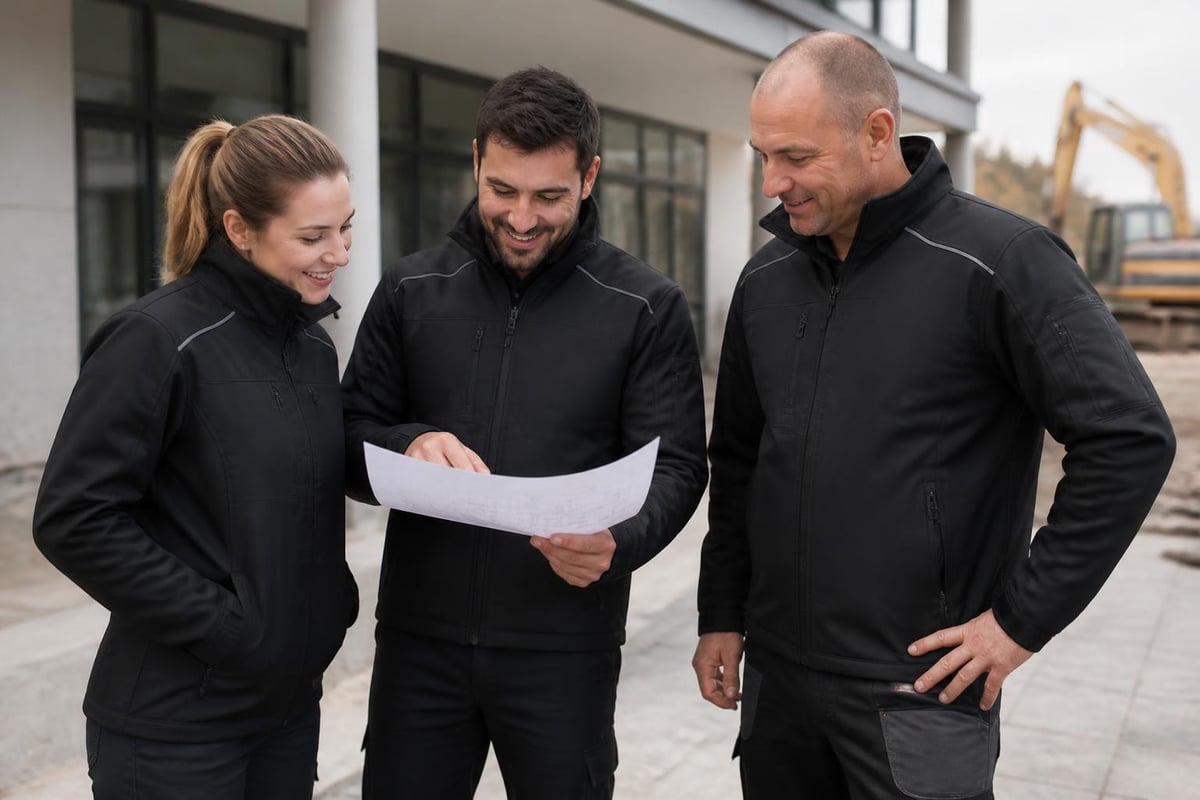
Beyond external marketing advantages, branded work jackets strengthen internal culture and operational efficiency. Team members experience enhanced pride and belonging when wearing professional attire that identifies them as part of an established organisation. This psychological impact reduces turnover and improves morale across departments.
Security and identification become simplified through consistent jacket branding. Site managers can quickly identify authorised personnel, whilst customers easily locate staff members requiring assistance. This visibility proves essential in large facilities, outdoor environments, or crowded public spaces where immediate recognition matters.
Selecting the Right Jacket Style for Your Industry
Different industries demand specific jacket characteristics that balance functionality with branding opportunities. Understanding these requirements ensures your investment delivers practical value alongside marketing benefits. The best workwear jackets combine durability with appropriate features for specific working conditions.
| Industry | Recommended Jacket Type | Key Features | Logo Placement Priority |
|---|---|---|---|
| Construction | High-visibility softshell | Weather resistance, reflective strips | Front left chest, back panel |
| Hospitality | Lightweight fleece | Smart appearance, easy care | Left chest, subtle branding |
| Healthcare | Easy-clean polycotton | Washable, comfortable | Chest pocket, sleeve |
| Corporate | Premium quilted | Professional finish, thermal | Chest, subtle positioning |
| Logistics | Durable bomber | Multiple pockets, robust | High-visibility chest and back |
Construction environments require jackets that meet safety regulations whilst providing protection against weather and site hazards. High-visibility options with strategically placed logos ensure compliance with health and safety requirements. When considering work construction clothes, durability and visibility take precedence over fashion considerations.
Weather-Appropriate Choices
Seasonal variations demand different jacket solutions throughout the year. Lighter softshell jackets suit spring and autumn conditions, providing water resistance without excessive insulation. Winter operations require insulated options that maintain warmth during extended outdoor exposure, whilst summer months may necessitate lightweight alternatives or body warmers.
Three-season jackets offer versatility for businesses requiring year-round consistency. These mid-weight options incorporate removable linings or layering capabilities that adapt to changing conditions. The flexibility reduces inventory requirements whilst maintaining brand consistency across seasonal transitions.
Logo Application Methods and Durability
The technique used to apply logos significantly impacts longevity, appearance, and overall garment quality. Three primary methods dominate the workwear customisation market, each offering distinct advantages depending on your requirements and budget constraints.
Embroidery remains the gold standard for premium work jackets with logo applications. This method creates raised, textured designs that resist fading, washing, and general wear. The benefits of embroidered logos on branded workwear include exceptional durability and professional appearance that elevates brand perception. Complex designs with multiple colours or gradients may prove challenging, but simple logos translate beautifully through embroidery techniques.
Heat transfer printing provides cost-effective solutions for larger designs or photographic elements. Modern transfer technologies deliver impressive colour reproduction and detail, though durability may not match embroidery standards. This method suits temporary requirements or budget-conscious projects where frequent replacement proves acceptable.
Screen printing offers middle-ground positioning between embroidery and transfers. Multi-colour designs become economically viable at scale, whilst durability surpasses basic transfers. The flat finish maintains garment flexibility, making this option popular for lightweight jackets where embroidery weight might prove cumbersome.
Placement Strategies for Maximum Impact
Logo positioning requires careful consideration to balance visibility, professionalism, and practical garment use. The workwear logo placement guide outlines optimal positions that enhance brand visibility whilst maintaining compliance with safety standards.
Primary logo placement typically occupies the left chest area, measuring between 8-10cm in width. This position ensures visibility during face-to-face interactions without overwhelming the garment design. Right chest positioning accommodates individual names or secondary branding elements when required.
Back panels offer substantial real estate for larger logo applications or additional messaging. This placement maximises visibility when employees face away from observers, particularly valuable for construction teams or delivery personnel. Consider where logos should go on jackets to optimise brand exposure across different working scenarios.
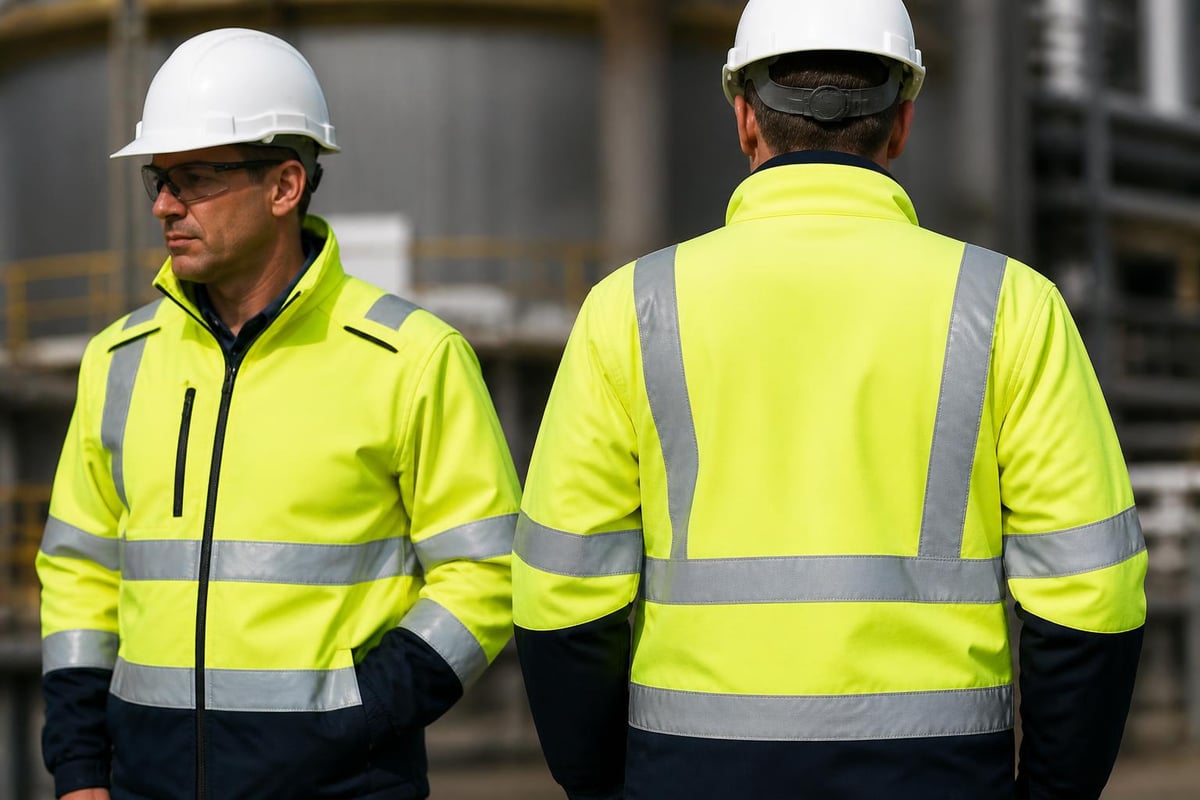
Sleeve positioning provides additional branding opportunities without cluttering primary viewing areas. Upper arm placements remain visible during most activities whilst maintaining clean frontal appearance. Some industries favour sleeve logos for regulatory compliance reasons where chest areas must remain clear for safety patches or identification.
Fabric Selection and Performance Features
Material choices determine how work jackets with logo applications perform under daily operational demands. Selecting appropriate fabrics ensures garments maintain appearance and functionality throughout their service life, protecting your branding investment whilst meeting employee comfort requirements.
Polyester blends dominate modern workwear markets due to exceptional durability and easy-care properties. These synthetic fabrics resist shrinking, maintain shape through repeated washing, and dry quickly after exposure to moisture. The smooth surface accepts embroidery cleanly, ensuring logos remain crisp and professional throughout extended wear.
Cotton-rich fabrics appeal to workers preferring natural fibres' breathability and comfort. Polycotton blends combine cotton's tactile benefits with polyester's durability, creating practical compromises suitable for diverse environments. These materials prove particularly popular in hospitality settings where comfort during extended shifts matters significantly.
Softshell technology revolutionised outdoor workwear by providing weather protection without bulk or stiffness. These technical fabrics incorporate stretch properties that maintain freedom of movement, making them ideal for active roles. Water-resistant coatings shed rain whilst remaining breathable, preventing internal condensation during physical activity.
Functional Features That Matter
Modern work jackets incorporate numerous functional elements that enhance usability across different roles:
- Multiple pockets provide secure storage for tools, devices, and personal items
- Adjustable cuffs seal out weather whilst accommodating different wrist sizes
- Internal pockets safeguard valuables and sensitive documents
- Two-way zips facilitate seated comfort and temperature regulation
- Hood options offer additional weather protection when required
- Reinforced elbows extend garment lifespan in high-wear areas
When selecting jackets for logo application, ensure functional features complement branding positions. Pocket placements shouldn't interfere with primary logo areas, whilst zip configurations must avoid distorting embroidered elements during wear.
Sizing Considerations and Fit Standards
Proper sizing ensures work jackets with logo branding deliver comfort and professional appearance. Ill-fitting garments undermine brand image regardless of logo quality, whilst correctly sized jackets enhance wearer satisfaction and longevity. Understanding fit variations across different manufacturers prevents costly ordering mistakes.
Standard sizing typically follows UK conventions (S, M, L, XL, XXL), though measurements vary between brands and styles. Always consult specific size charts before ordering, measuring existing garments that fit well as reference points. Account for layering requirements, particularly for outdoor roles where base layers and mid-layers will be worn beneath jackets.
Many suppliers offer extended sizing options accommodating diverse body types. Tall and short variations ensure proper sleeve and body length across different heights, whilst plus sizes extend availability beyond standard ranges. Inclusive sizing demonstrates employee value whilst ensuring everyone projects consistent brand image.
Gender-specific cuts improve fit and comfort compared to unisex alternatives. Women's jackets typically feature adjusted shoulder widths, tapered waists, and appropriate chest allowances. Though slightly more complex for inventory management, offering appropriate fits improves adoption rates and professional appearance. Exploring options for best workwear for men alongside women's alternatives ensures comprehensive team coverage.
Trial and Feedback Systems
Implementing sample programmes before bulk ordering prevents widespread fit issues. Order representative sizes for team trials, gathering feedback on comfort, functionality, and sizing accuracy. This investment identifies potential problems whilst demonstrating commitment to employee satisfaction.
Consider regional variations in body proportions when ordering for diverse workforces. What fits appropriately in one location may require adjustment elsewhere, particularly for international operations or multicultural teams.
Budget Planning and Cost Management
Financial planning for work jackets with logo applications requires balancing initial investment against long-term value and replacement cycles. Understanding cost components helps businesses optimise spending whilst maintaining quality standards that reflect brand positioning.
Base garment costs vary significantly depending on style, brand, and features. Budget jackets start around £15-25, mid-range options occupy £30-50 territory, whilst premium workwear exceeds £60 per garment. These prices reflect fabric quality, construction standards, and manufacturer reputation.
Customisation costs add variable amounts depending on technique and complexity:
- Embroidery: £3-8 per position for standard logos
- Screen printing: £2-5 per position with setup fees
- Heat transfer: £1-4 per position for simple designs
- Setup charges: One-time fees of £20-50 for digitising or screens
Volume discounts significantly impact per-unit costs. Ordering quantities of 25+ typically unlock tiered pricing structures, whilst orders exceeding 100 units often receive substantial reductions. Planning annual requirements in advance enables bulk ordering that maximises budget efficiency.
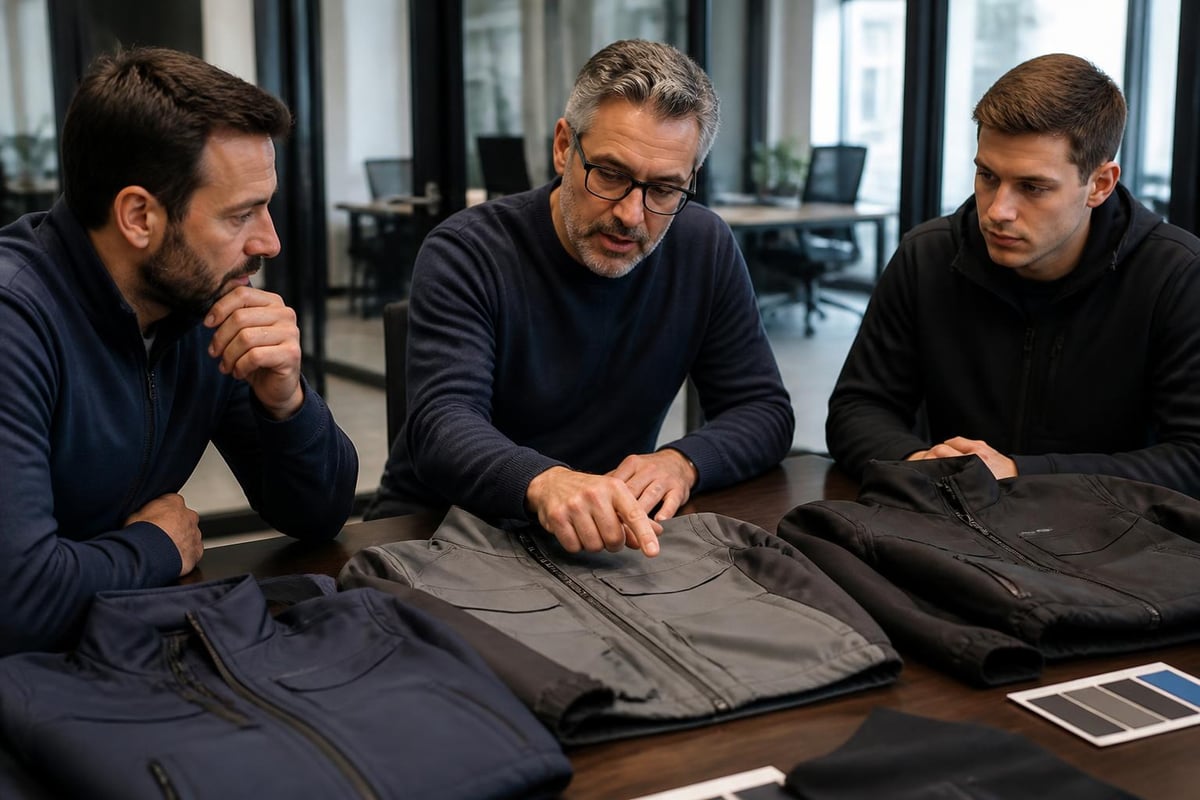
Long-term value calculations should factor replacement frequency. Premium jackets costing twice budget alternatives but lasting three times longer deliver superior value. Consider total cost of ownership rather than simply initial expenditure when evaluating options.
Maintenance and Care Guidelines
Proper maintenance extends work jackets with logo lifespan whilst preserving brand presentation. Establishing clear care protocols ensures garments maintain professional appearance throughout their service life, protecting both functional performance and branding investment.
Washing frequencies depend on working environments and exposure levels. Office-based teams may require weekly cleaning, whilst construction crews need more frequent laundering. Regardless of industry, consistent care prevents dirt accumulation that degrades fabric and obscures logos. Following guidance on how to care for embroidered workwear ensures logos remain vibrant and intact.
Temperature settings matter significantly for logo preservation. Cold or warm water (30-40°C) proves sufficient for most workwear whilst protecting embroidery threads and printed designs. Hot washing accelerates fabric degradation and may cause colour bleeding or logo distortion.
Drying methods impact garment longevity:
- Air drying extends fabric life and prevents shrinkage
- Low tumble-dry settings offer convenience with minimal risk
- High heat causes shrinkage, fabric damage, and logo deterioration
- Line drying outdoors provides natural freshness and UV sanitisation
Ironing requirements vary by fabric type. Polyester blends typically resist wrinkling, requiring minimal pressing. When ironing proves necessary, avoid direct heat on embroidered logos by using press cloths or ironing reverse sides. This protection prevents thread melting or flattening that diminishes logo appearance.
Stain Removal Protocols
Immediate treatment proves essential for challenging stains common in working environments. Oil, grease, and chemical substances require specific approaches before general washing. Pre-treating affected areas with appropriate solvents prevents permanent marking whilst protecting surrounding fabric and logo areas.
Establishing clear procedures for damaged garments prevents continued use of items that undermine brand image. Replace jackets showing significant wear, fading, or logo deterioration promptly to maintain professional standards.
Ordering Processes and Lead Times
Understanding procurement timelines ensures work jackets with logo applications arrive when needed, avoiding operational disruptions or rushed decisions. Different customisation methods require varying production periods that impact planning requirements.
Standard embroidery services typically deliver within 7-14 working days for moderate quantities. This timeline includes logo digitising (if required), sample approval, production, and quality checking. Rush services may reduce timescales to 3-5 days with premium pricing, whilst complex orders requiring multiple revisions extend beyond standard periods.
Sample ordering should precede bulk procurement by at least three weeks. This buffer accommodates garment trials, logo positioning approval, and potential adjustments before committing to full quantities. Samples reveal how designs translate from digital files to physical garments, preventing expensive mistakes.
Seasonal planning proves crucial for businesses requiring specific jacket types during particular periods. Winter jacket orders placed in autumn often face extended lead times due to industry-wide demand. Ordering 8-12 weeks ahead of requirement dates ensures availability whilst enabling negotiation on pricing and terms.
Many workwear suppliers, including those offering branded workwear solutions, provide online ordering systems that streamline repeat purchases. Establishing accounts with preferred suppliers simplifies reordering whilst maintaining consistency in sizing, branding, and quality standards.
Quality Control Measures
Implementing inspection protocols upon delivery protects against defects or errors. Check quantities match orders, verify sizes across the delivery, and examine logo quality on random samples. Addressing issues immediately enables resolution before garments enter circulation, preventing brand image problems.
Photography documentation of delivered items provides evidence for any disputes or quality concerns. This simple step protects your investment whilst ensuring suppliers maintain standards throughout ongoing relationships.
Multi-Location and Franchise Considerations
Businesses operating across multiple sites face unique challenges when implementing work jackets with logo programmes. Maintaining consistency whilst accommodating regional variations requires structured approaches to specification, ordering, and distribution.
Centralised purchasing delivers economies of scale and ensures brand consistency across locations. Single orders for all sites unlock volume discounts whilst guaranteeing identical garment quality and logo application. This approach simplifies inventory management and reduces administrative burden across regional managers.
Location-specific elements can be incorporated through secondary branding:
- Individual site names below primary logos
- Regional contact details on back panels
- Department identifiers for large facilities
- Employee names for customer-facing roles
Distributed ordering systems suit organisations valuing local autonomy. Regional managers order directly from approved suppliers using standardised specifications. This flexibility accommodates varying team sizes and replacement cycles, though potentially sacrificing some cost efficiency.
Template systems bridge centralised control with local flexibility. Head offices establish approved jacket styles, logo specifications, and supplier relationships, whilst locations manage ordering timing and quantities according to specific needs. This hybrid approach balances consistency with practical operational requirements.
When considering custom work clothing across multiple locations, digital asset management becomes essential. Centralised logo files, brand guidelines, and approved supplier lists ensure consistency regardless of ordering location or timing.
Seasonal and Special Event Applications
Beyond standard daily wear, work jackets with logo customisation serve valuable roles during seasonal peaks and special events. Strategic deployment of branded outerwear enhances visibility during crucial business periods whilst demonstrating professionalism at industry gatherings.
Trade shows and exhibitions provide excellent opportunities for branded jacket deployment. Team members wearing consistent, high-quality jackets create unified booth presence that attracts attention and reinforces brand identity. The custom company jackets guide explores advantages of custom jackets for year-round brand visibility and team cohesion at such events.
Seasonal promotional campaigns benefit from limited-edition jacket designs. Holiday periods, annual celebrations, or milestone anniversaries justify special branding variations that create collectability amongst long-serving employees whilst generating customer interest.
Outdoor events demand weather-appropriate branded outerwear:
- Summer festivals require lightweight options with UV protection
- Winter markets need insulated jackets with high visibility
- Sporting sponsorships benefit from athletic-style branded jackets
- Community events call for approachable, smart-casual options
Layering systems extend jacket utility across varying conditions. Body warmers under branded outer shells provide temperature flexibility, whilst waterproof shells over branded fleeces accommodate unpredictable weather. This modular approach maximises investment value across seasonal changes.
Understanding how to strategically implement how to add logos to workwear ensures special event applications maintain brand integrity whilst serving specific functional purposes.
Sustainability and Environmental Considerations
Modern businesses increasingly prioritise environmental responsibility when selecting work jackets with logo applications. Sustainable choices demonstrate corporate values whilst meeting customer expectations for ethical business practices.
Recycled polyester fabrics derived from post-consumer plastic bottles reduce environmental impact without compromising performance. These materials match virgin polyester durability whilst diverting waste from landfills. Many manufacturers now offer recycled options at comparable prices to traditional alternatives.
Organic cotton provides natural fibre benefits without pesticide use or chemical processing associated with conventional cotton production. Though typically commanding premium pricing, organic options appeal to environmentally conscious organisations and customers who value sustainable practices.
Longevity represents the most significant sustainability factor. Durable, well-made jackets requiring infrequent replacement generate less waste than cheaper alternatives needing regular substitution. Investing in quality garments that withstand years of service delivers environmental benefits alongside financial savings.
Exploring eco-friendly workwear options demonstrates commitment to sustainability whilst maintaining professional standards. Embroidered apparel made with organic and recycled fabrics combines environmental responsibility with branding requirements.
End-of-life programmes facilitate responsible garment disposal. Some suppliers operate take-back schemes that recycle worn workwear into new products or industrial materials. Alternatively, donate serviceable jackets to charities or community programmes when branding updates render them unsuitable for continued business use.
Implementing work jackets with logo branding transforms your workforce into professional ambassadors whilst delivering practical benefits across operations and marketing. The strategic selection of appropriate styles, customisation methods, and maintenance protocols ensures maximum return on investment whilst maintaining brand consistency.
Cobra Workwear provides comprehensive solutions for businesses seeking high-quality work jackets with logo applications, offering in-house embroidery services that deliver fast turnaround times without compromising quality. From initial consultation through to ongoing reorder support, their expertise ensures your team projects professionalism whilst enjoying durable, comfortable workwear suited to your industry's specific demands.
