

Selecting the best workwear for men requires careful consideration of durability, functionality, and industry-specific requirements. Whether you're outfitting a construction team, hospitality staff, or healthcare professionals, the right work clothing protects employees whilst projecting a professional image. In 2026, the workwear landscape has evolved to balance traditional robustness with modern performance fabrics, ergonomic design, and sustainability. This comprehensive guide explores what makes exceptional men's workwear, from essential garment types to fabric choices and customisation options that strengthen brand identity.
Understanding Your Industry Requirements
Different sectors demand distinct workwear characteristics. Construction environments require robust, protective clothing with high-visibility elements and reinforced stress points. The Ultimate Guide to Men's Workwear emphasises how function and fit must align with the physical demands of manual labour.
Construction and Trades
For builders, electricians, and other tradespeople, durability stands paramount. Key features include:
- Heavy-duty fabrics (canvas, ripstop, cordura)
- Reinforced knee panels and elbow patches
- Multiple pockets for tools and equipment
- Triple-stitched seams for extended lifespan
- High-visibility strips meeting safety standards
Companies like Texcore Construction understand that their roofing crews need workwear that withstands extreme conditions whilst ensuring safety compliance. Their in-house teams rely on clothing that performs through hot Texas summers and sudden weather changes.
Hospitality and Service Industries
Restaurant staff, hotel workers, and service professionals need workwear that balances professionalism with comfort during long shifts. Breathable fabrics, stain-resistant treatments, and smart appearances matter considerably. Polo shirts embroidered with company logos offer an ideal solution, combining casual professionalism with easy care and customisation options that reinforce brand identity.

Healthcare and Medical Settings
Healthcare professionals require workwear meeting strict hygiene standards. Antimicrobial fabrics, easy-clean surfaces, and comfortable fits for 12-hour shifts define quality medical workwear. Scrubs, tunics, and healthcare-specific garments must withstand frequent high-temperature washing whilst maintaining colour and shape.
Essential Workwear Items Every Man Needs
Building a comprehensive work wardrobe starts with understanding foundational pieces. The best workwear for men includes versatile items that layer effectively and perform across seasons.
Work Trousers and Cargo Pants
| Feature | Standard Work Trousers | Cargo Pants | Technical Work Trousers |
|---|---|---|---|
| Pocket Count | 4-6 | 8-12 | 6-10 with specialised compartments |
| Durability Rating | Medium-High | High | Very High |
| Best For | Office-adjacent roles | Construction, trades | Engineering, technical roles |
| Average Lifespan | 12-18 months | 18-24 months | 24-36 months |
Quality work trousers feature articulated knees for better movement, cordura knee pad pockets, and hammer loops. Look for YKK zippers and bar-tacked stress points that prevent premature failure.
Work Shirts and Polo Shirts
The debate between traditional work shirts and modern polos continues, but both serve distinct purposes. Long-sleeved work shirts offer sun protection and professional appearance, whilst polo shirts provide breathability and ease of movement. The best work shirts combine cotton-rich blends that breathe naturally whilst maintaining structure through repeated washing.
Jackets and Outerwear
GQ's guide to work jackets showcases how modern workwear jackets blend functionality with style. Essential features include:
- Water-resistant outer shells for weather protection
- Insulated linings removable for seasonal versatility
- Reflective trim for low-light safety
- Internal pockets for secure storage
- Ventilation panels preventing overheating during physical work
Winter workwear demands particular attention to layering systems. A quality base layer, mid-layer fleece, and weatherproof outer shell provide adaptability across changing conditions.
Fabric Selection and Material Science
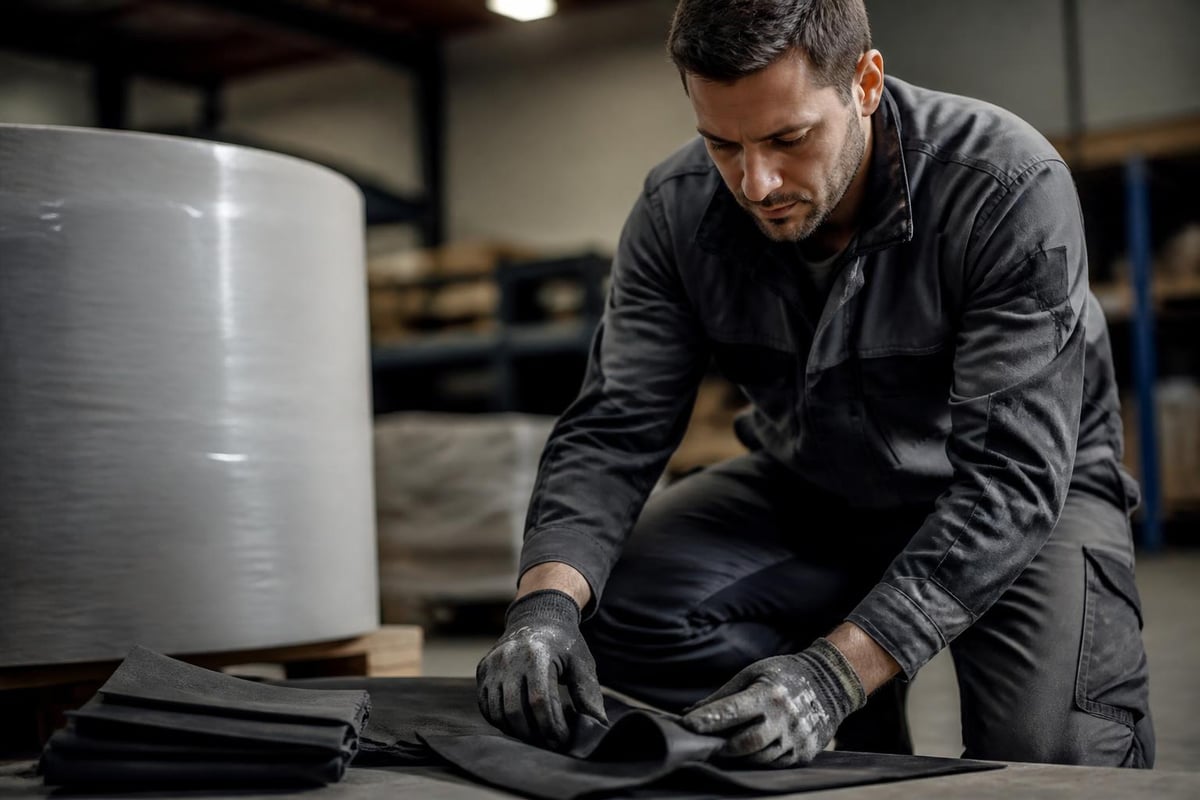
Understanding fabric technology separates adequate workwear from exceptional choices. Modern materials engineering has revolutionised how work clothing performs.
Natural vs Synthetic Fibres
Cotton remains popular for breathability and comfort, particularly in hot environments. Pure cotton allows excellent airflow but lacks the durability of blended fabrics. Cotton-polyester blends (typically 65/35 or 50/50) offer balanced performance, combining natural comfort with synthetic strength and wrinkle resistance.
Polyester provides exceptional durability and moisture-wicking properties. Modern polyester workwear feels considerably softer than earlier iterations, making it suitable for all-day wear. For those researching cheap work clothes for men, polyester-rich garments often deliver better long-term value despite slightly higher initial costs.
Specialised Performance Fabrics
Advanced fabrics address specific workplace challenges:
- Ripstop weave prevents tear propagation from snags
- Cordura nylon reinforces high-wear areas
- Canvas (duck or denim) offers traditional durability
- Softshell materials combine water resistance with breathability
- FR-treated fabrics protect against flash fires and electrical hazards
The Caterpillar workwear buying guide explains how understanding material specifications helps buyers select appropriate garments for specific hazards and conditions.
Fit, Comfort, and Ergonomic Design
Poorly fitting workwear compromises both safety and productivity. The best workwear for men considers how bodies move during work tasks, not just standing measurements.
Getting the Right Fit
Modern workwear offers various fit profiles. Regular fit provides traditional coverage with room for layering. Slim fit appeals to younger workers and office-adjacent roles, offering contemporary styling without excessive bagginess. Athletic fit accommodates broader shoulders and chest whilst tapering through the waist.
Action backs, gussets, and articulated panels enable natural movement during bending, reaching, and lifting. Quality brands incorporate these features without advertising them, creating garments that simply feel better during wear.
Comfort Features That Matter
Beyond basic fit, several elements enhance all-day comfort:
- Moisture-wicking linings prevent sweat accumulation
- Mesh ventilation panels improve airflow
- Soft collar constructions eliminate chafing
- Flat-lock seams reduce irritation
- Adjustable cuffs and waistbands personalise fit
Work boots deserve equal attention to upper body garments. GQ's work boot guide emphasises how proper footwear completes a functional workwear system, providing foundation for all-day comfort and safety.
Customisation and Branding Options
Professional workwear serves dual purposes: protecting employees and promoting brand identity. Embroidery and printing transform standard garments into powerful marketing tools whilst maintaining professional appearance.
Embroidery vs Screen Printing
| Method | Best For | Durability | Cost (Small Runs) | Appearance |
|---|---|---|---|---|
| Embroidery | Polos, jackets, caps | Excellent (5+ years) | Higher | Premium, textured |
| Screen Printing | T-shirts, large areas | Very Good (3-5 years) | Lower | Flat, vibrant |
| Direct to Garment | Complex designs, photos | Good (2-4 years) | Medium | Detailed, soft |
Understanding embroidery vs screen printing helps businesses choose appropriate decoration methods. For premium workwear presentations, embroidery offers superior longevity and professional perception, particularly on items like polo shirts and outerwear.
Logo Placement and Design
Strategic logo placement maximises visibility whilst maintaining garment functionality. Common positions include:
- Left chest (standard for corporate identity)
- Sleeves (increases visibility from multiple angles)
- Back yoke (ideal for larger designs)
- Pocket areas (subtle branding option)
Businesses exploring how to add logos to workwear should consider colour contrast, size proportions, and thread density for optimal results. In-house embroidery services provide faster turnarounds and consistent quality control compared to outsourced decoration.
Safety Standards and Compliance
Workplace safety regulations mandate specific clothing requirements across industries. Understanding relevant standards prevents compliance issues whilst protecting workers.
High-Visibility Clothing
EN ISO 20471 governs high-visibility workwear in the UK, defining three classes based on visibility area. Class 3 offers maximum visibility for high-risk environments like highways and railways. For those searching safety clothing near me, ensuring suppliers stock certified hi-vis garments prevents costly compliance failures.

Protective Workwear Categories
- FR (Flame Retardant) for welding, electrical work, and petrochemical industries
- Chemical resistant fabrics for laboratory and industrial settings
- Cut-resistant materials for food processing and manufacturing
- Weatherproof garments meeting waterproof/breathability ratings
Expert-approved men's workwear emphasises that safety features should never compromise comfort. Modern protective garments incorporate ergonomic design principles that encourage consistent wear rather than removal during breaks.
Seasonal Considerations and Layering Systems
Britain's variable climate demands adaptable workwear strategies. The best workwear for men accommodates temperature fluctuations without requiring complete wardrobe changes.
Summer Workwear Essentials
Warm weather workwear prioritises breathability and sun protection. Lightweight ripstop fabrics, mesh-lined garments, and moisture-wicking base layers maintain comfort during physical work. UPF-rated fabrics prevent sunburn during extended outdoor exposure.
Short-sleeved work shirts and breathable trousers suit summer months, though some industries require long sleeves regardless of temperature. In these cases, lightweight cotton-rich fabrics provide better comfort than synthetic alternatives.
Winter Protection Strategies
Effective winter workwear employs three-layer systems:
Base layer: Thermal underwear wicks moisture away from skin Mid layer: Fleece or insulated garments trap warmth Outer layer: Waterproof, windproof shells protect against elements
Quality winter jackets feature removable linings that extend usability across seasons. This versatility reduces total garment requirements whilst ensuring appropriate protection year-round. The seven benefits of high-quality workwear include this adaptability, which ultimately reduces long-term clothing costs for businesses.
Durability and Value Assessment
Initial purchase price rarely reflects true workwear value. Cost-per-wear calculations reveal how premium garments often prove more economical than budget alternatives.
Calculating True Cost of Ownership
Consider a £30 work shirt lasting six months versus a £60 shirt lasting two years:
- Budget option: £30 ÷ 6 months = £5 per month
- Premium option: £60 ÷ 24 months = £2.50 per month
The premium shirt delivers 50% cost savings whilst likely offering superior comfort and appearance throughout its lifespan. When outfitting entire teams, these differences compound significantly.
Maintenance and Care
Proper care extends workwear lifespan dramatically. Following care tips for workwear prevents premature degradation:
- Wash at recommended temperatures (typically 40-60°C)
- Avoid fabric softeners on technical fabrics
- Repair small damages immediately
- Rotate garments to distribute wear
- Store properly during off-seasons
For embroidered workwear, specific maintenance approaches preserve logo appearance and thread integrity through hundreds of wash cycles.
Sustainability and Ethical Production
Environmental consciousness increasingly influences purchasing decisions. The best workwear for men now considers ecological impact alongside performance characteristics.
Sustainable Materials
Organic cotton, recycled polyester, and responsibly sourced fabrics reduce environmental footprints without compromising durability. Eco-friendly workwear options demonstrate how sustainability and functionality coexist in modern garment manufacturing.
Recycled polyester performs identically to virgin material whilst diverting plastic bottles from landfills. Brands incorporating recycled content typically highlight this prominently, making identification straightforward for conscious buyers.
Ethical Manufacturing Standards
Fair labour practices and safe factory conditions matter to businesses prioritising corporate social responsibility. Certifications like Fair Trade, WRAP, and BSCI indicate adherence to ethical production standards. UK buyers increasingly favour suppliers demonstrating transparent supply chains and worker welfare commitments.
Purchasing Strategies for Businesses
Bulk workwear procurement requires different approaches than individual purchases. Smart buying strategies reduce costs whilst maintaining quality standards.
Volume Pricing and Bundling
Most suppliers offer tiered pricing based on order quantities. Typical breaks occur at 10, 25, 50, and 100+ units. Purchasing complete outfits (shirt, trousers, jacket) as bundles often provides better value than individual items.
Businesses exploring workwear near me should inquire about account services that streamline repeat ordering, manage stock levels, and provide consistent pricing throughout contract periods.
Trial Programs and Sampling
Before committing to large orders, requesting samples allows fit assessment and quality verification. Testing garments in actual work conditions reveals performance characteristics impossible to determine from specifications alone. Most reputable suppliers provide sample garments at minimal cost, deductible from subsequent orders.
Timing Your Purchases
Strategic timing maximises value. End-of-season sales offer substantial discounts on previous season's stock. However, ensure availability of core sizes before committing, as remaining inventory may be limited to extreme sizes. For ongoing uniform programmes, establishing relationships with suppliers who maintain consistent stock levels prevents disruption when reordering becomes necessary.
Selecting the best workwear for men balances durability, functionality, safety compliance, and professional appearance across diverse industry requirements. Whether outfitting construction crews requiring robust protective garments or hospitality teams needing smart, comfortable uniforms, understanding fabric technologies, fit considerations, and customisation options ensures optimal performance and value. Cobra Workwear provides comprehensive workwear solutions with in-house embroidery and printing services, delivering quality garments tailored to your industry's specific needs across construction, hospitality, healthcare, and beyond.
