

Personalised mechanic shirts have become essential professional attire in automotive workshops, garages, and vehicle maintenance facilities across the United Kingdom. These customised garments combine functionality with branding, allowing mechanics to present a unified, professional appearance whilst maintaining the durability and practicality required in demanding work environments. As the workwear industry continues to evolve, the demand for personalised solutions reflects broader trends toward customizable workwear that enhance both comfort and professional identity.
Understanding the Value of Personalised Mechanic Shirts
Workshop owners and garage managers increasingly recognise that personalised mechanic shirts deliver far more than aesthetic appeal. These garments serve as walking advertisements for businesses, create instant customer trust, and establish professional credibility from the moment clients enter the premises.
Building Customer Confidence Through Uniformity
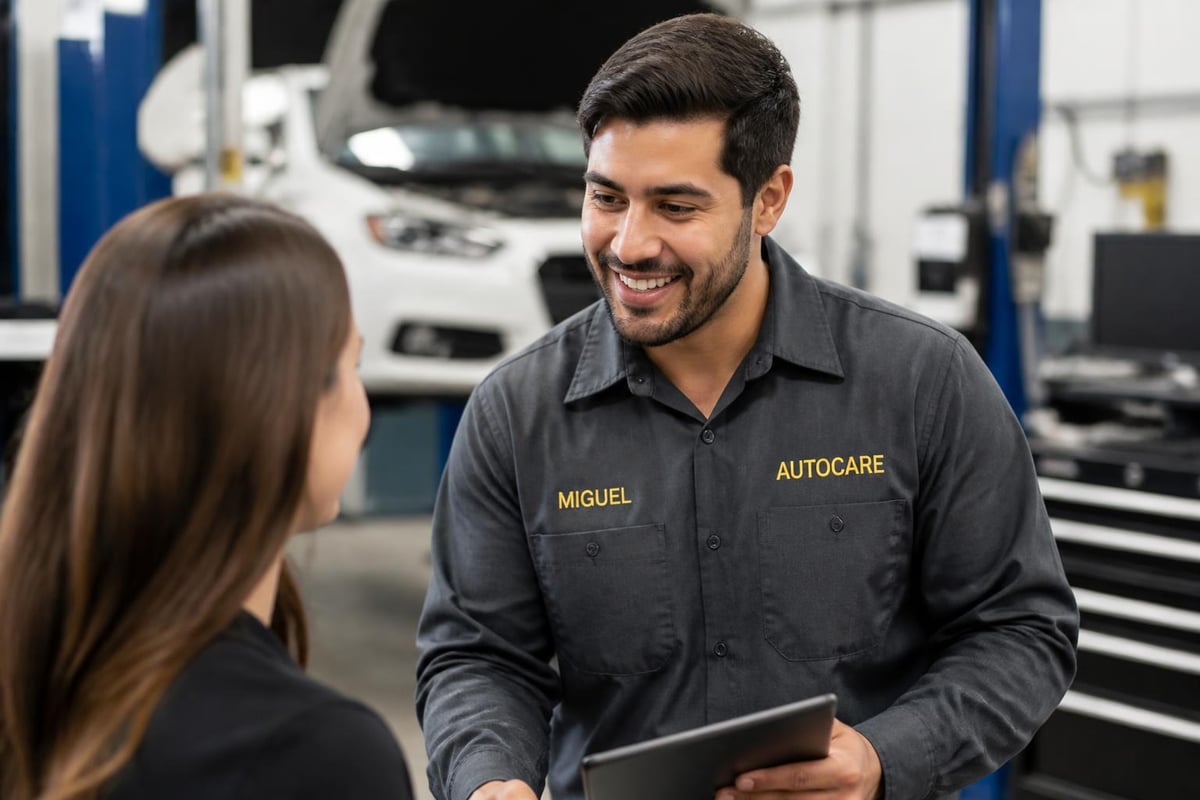
When customers arrive at an automotive service centre, they make immediate judgements about professionalism and trustworthiness. Mechanics wearing personalised shirts with company logos and individual names immediately convey organisation and accountability. This visual consistency reassures customers that they're dealing with a legitimate, professional operation rather than an informal setup.
Key benefits include:
- Enhanced customer recognition of team members
- Improved perception of workshop professionalism
- Increased accountability through name embroidery
- Stronger brand presence in competitive markets
- Better customer recall and word-of-mouth referrals
Studies show that businesses investing in custom workwear experience measurable improvements in customer satisfaction ratings. The simple act of personalising mechanic shirts transforms anonymous workers into identifiable professionals whom customers can trust with their vehicles.
Material Selection and Durability Requirements
Mechanics face harsh working conditions daily, from oil spills and grease stains to extreme temperatures under vehicle bonnets. Personalised mechanic shirts must withstand these challenges whilst maintaining their appearance and comfort throughout extended shifts.
The most suitable fabrics combine cotton's breathability with polyester's durability. Modern blends typically feature 65% polyester and 35% cotton, offering excellent moisture-wicking properties whilst resisting shrinkage and fading. When selecting materials for personalised mechanic shirts, workshop managers should prioritise fabrics that maintain embroidered logos and text through countless industrial washes.
| Fabric Type | Benefits | Drawbacks | Best For |
|---|---|---|---|
| Cotton-Polyester Blend | Durable, breathable, affordable | May pill over time | General workshop use |
| Heavy-Duty Twill | Exceptional durability, professional appearance | Less breathable | Customer-facing roles |
| Moisture-Wicking Synthetics | Excellent comfort, quick-drying | Higher cost | Hot environments |
| Pure Cotton | Maximum comfort, breathable | Shrinks, stains easily | Light-duty tasks |
Personalisation Options and Branding Strategies
Workshop owners have numerous options when designing personalised mechanic shirts. The most effective approaches balance visibility, professionalism, and practicality whilst ensuring designs remain legible after months of wear and washing.
Embroidery Versus Printing Methods
Embroidery remains the gold standard for personalised mechanic shirts due to its exceptional durability and professional appearance. This technique involves stitching designs directly into fabric, creating raised, textured logos that withstand the rigours of automotive work. Quality embroidery resists fading from repeated washing with industrial detergents and maintains crisp edges even after years of use.
Digital printing offers advantages for complex, multi-colour designs or photographic elements. However, printed designs on mechanic shirts typically experience faster degradation in workshop environments. For businesses considering design work clothes strategies, embroidery delivers superior longevity despite higher initial costs.
Essential design elements for mechanic shirts include:
- Company logo positioned on chest or shoulder
- Individual mechanic's name for accountability
- Workshop contact details on back (optional)
- Department or specialty designation
- Safety certifications or accreditations
Colour Psychology and Workshop Branding
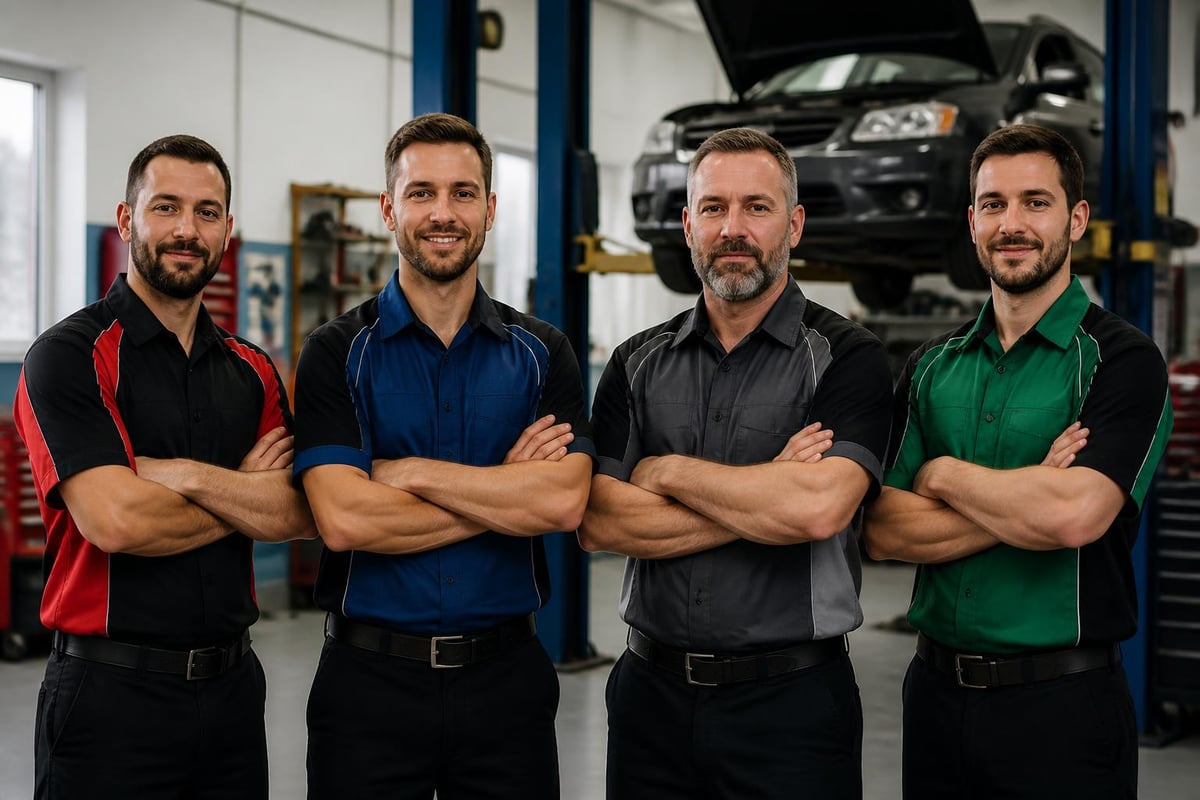
Colour selection significantly impacts how customers perceive automotive businesses. Navy blue remains the most popular choice for personalised mechanic shirts, conveying trustworthiness and professionalism whilst concealing minor stains between washes. Black offers similar benefits with a contemporary edge, whilst charcoal grey provides a sophisticated alternative.
Bright colours serve specific purposes. Red suggests energy and speed, appealing to performance-oriented workshops specialising in racing or custom modifications. Green increasingly appeals to environmentally conscious businesses offering hybrid or electric vehicle services. Whatever colours you select, consistency across all team members strengthens brand recognition and professional appearance.
Sizing, Fit, and Employee Satisfaction
Poorly fitting personalised mechanic shirts undermine their professional benefits whilst reducing employee comfort and productivity. Forward-thinking workshop owners prioritise proper sizing as integral to their workwear investment.
The Modern Approach to Inclusive Sizing
The workwear industry has embraced inclusivity and size-range expansion, recognising that mechanics come in diverse body types. Successful personalised mechanic shirt programmes offer comprehensive size ranges from XS through 5XL, with women's fit options increasingly available.
Contemporary sizing approaches consider actual body measurements rather than generic small-medium-large categories. Workshop managers should request sample shirts in various sizes before placing bulk orders, allowing team members to try different fits and select garments that accommodate movement without restriction.
Movement and Functionality Considerations
Mechanics spend considerable time reaching, bending, stretching, and working in confined spaces. Personalised mechanic shirts must facilitate these movements without riding up, restricting shoulder rotation, or pulling across the back.
Design features that enhance functionality include:
- Raglan sleeves for improved shoulder mobility
- Extended back lengths preventing exposure when bending
- Reinforced stitching at stress points
- Chest pockets for small tools or mobile devices
- Pen slots on sleeves or chest areas
Workshop managers implementing work construction clothes programmes should evaluate how personalised mechanic shirts perform during actual tasks rather than relying solely on appearance.
Budget Considerations and Long-Term Value
Investing in personalised mechanic shirts requires careful financial planning. Whilst initial costs exceed generic alternatives, properly executed programmes deliver substantial returns through enhanced professionalism and extended garment lifespans.
Cost Analysis and Price Points
Personalised mechanic shirt costs vary considerably based on fabric quality, personalisation complexity, and order quantities. Budget approximately £15-£25 per shirt for entry-level cotton-polyester blends with basic embroidery, whilst premium fabrics with extensive customisation may reach £35-£50 per garment.
Bulk ordering generates significant savings. Most suppliers offer tiered pricing with substantial discounts at 25, 50, and 100-piece thresholds. Workshop owners should calculate annual replacement needs and consider placing larger orders to maximise cost efficiency.
| Order Quantity | Price Per Shirt | Total Investment | Cost Per Month (12-month lifespan) |
|---|---|---|---|
| 10 shirts | £28 | £280 | £23.33 |
| 25 shirts | £22 | £550 | £45.83 |
| 50 shirts | £18 | £900 | £75.00 |
| 100 shirts | £15 | £1,500 | £125.00 |
Return on Investment Through Brand Recognition
Personalised mechanic shirts function as mobile marketing tools. Every interaction with customers, every visit to parts suppliers, and every moment spent working on vehicles in public view represents brand exposure. The custom workwear trends demonstrate how businesses increasingly view uniforms as strategic brand assets rather than mere functional clothing.
Calculate ROI by considering customer acquisition costs. If personalised mechanic shirts contribute to just two additional customer conversions monthly through enhanced professionalism, they've likely paid for themselves within the first year.
Implementation Strategies for Workshop Owners
Successfully deploying personalised mechanic shirts requires thoughtful planning beyond simply placing orders. Workshop owners should develop comprehensive programmes addressing laundering, replacement schedules, and team buy-in.
Developing a Sustainable Workwear Programme
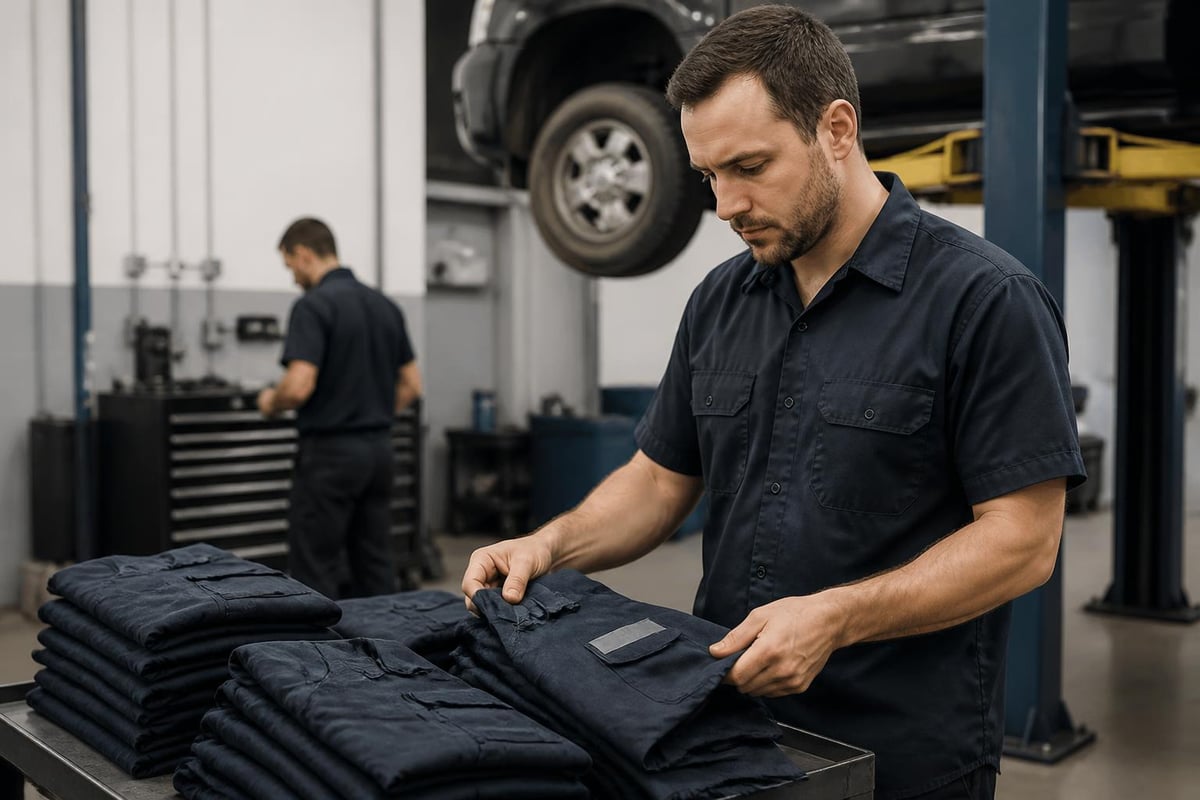
The most effective personalised mechanic shirt initiatives establish clear policies governing garment care, replacement, and expectations. Written guidelines should specify how many shirts each mechanic receives, who assumes laundering responsibility, and replacement procedures when garments become excessively worn or damaged.
Programme development checklist:
- Determine annual shirt allocation per mechanic (typically 3-5 shirts)
- Establish laundering expectations and support
- Create replacement criteria and schedules
- Define acceptable wear standards
- Implement new hire onboarding procedures
- Schedule annual review and refresh cycles
Some workshops provide industrial laundering services, ensuring consistent appearance whilst removing the burden from mechanics. Others offer laundering allowances, trusting team members to maintain garments independently. The chosen approach should align with workshop culture and budget constraints.
Employee Input and Team Ownership
Mechanics wearing personalised shirts daily possess invaluable insights about comfort, functionality, and durability. Forward-thinking workshop owners involve team members in selection processes, soliciting feedback on fabric preferences, colour options, and design elements.
This participatory approach generates several benefits. Mechanics feel valued when their opinions influence decisions affecting daily comfort. Team buy-in increases when members contribute to design choices rather than having uniforms imposed upon them. Additionally, mechanic feedback often identifies practical considerations that management might overlook.
Consider forming a small committee representing different workshop roles and tenure levels. This group can evaluate samples, test garments during actual work, and provide recommendations balancing appearance, comfort, and cost. For businesses exploring options to buy work uniform solutions, this collaborative approach yields superior outcomes.
Industry Trends and Future Developments
The personalised mechanic shirts market continues evolving, incorporating technological innovations and responding to changing workforce expectations. According to workwear industry statistics, the sector is experiencing sustained growth driven by increasing emphasis on professional appearance and safety compliance.
Smart Textiles and Performance Enhancements
Emerging fabric technologies promise enhanced functionality for personalised mechanic shirts. Stain-resistant treatments using nano-technology create barriers that repel oil and grease whilst remaining breathable and comfortable. Anti-microbial fabrics reduce odour development during long shifts, maintaining freshness without frequent washing.
Temperature-regulating materials represent another frontier. Phase-change fabrics absorb excess heat when mechanics work in warm environments and release warmth during cooler conditions, maintaining optimal body temperature throughout shifts. Whilst these advanced materials currently command premium prices, costs continue declining as adoption increases.
Sustainability and Environmental Responsibility
Modern consumers increasingly value environmental consciousness, and mechanics are no exception. Workshops are exploring personalised mechanic shirts manufactured from recycled polyester, organic cotton, or sustainable bamboo blends. These eco-friendly options appeal to environmentally minded team members whilst supporting corporate sustainability initiatives.
The custom apparel industry statistics reveal growing consumer preference for sustainably produced personalised clothing. Workshop owners incorporating environmental responsibility into their workwear programmes differentiate themselves in competitive markets whilst contributing to broader sustainability goals.
Maintenance and Care Best Practices
Even the highest-quality personalised mechanic shirts require proper care to maximise lifespan and maintain professional appearance. Workshop owners should establish maintenance protocols ensuring consistent garment quality across the team.
Washing and Stain Treatment Guidelines
Industrial-strength stains common in automotive work demand specific treatment approaches. Pre-treating oil and grease stains with dedicated solvents before washing prevents permanent discolouration. Avoiding excessive heat during washing and drying preserves embroidered logos and prevents shrinkage that compromises fit.
Recommended care protocol:
- Pre-treat stubborn stains with appropriate solvents
- Wash personalised mechanic shirts separately from personal clothing
- Use warm water (not hot) to preserve fabric and embroidery
- Select gentle cycles to reduce wear on stitching
- Tumble dry on low heat or line dry when possible
- Iron embroidered areas carefully or use pressing cloths
Workshop-provided laundering services ensure adherence to these standards whilst relieving mechanics of this responsibility. However, clear written guidelines support individual care when mechanics launder shirts personally.
Inspection and Replacement Schedules
Regular inspection identifies personalised mechanic shirts requiring repair or replacement before they compromise professional appearance. Quarterly reviews allow managers to address issues including faded embroidery, excessive staining, tears, or stretched fabric. Establishing replacement criteria prevents disagreements whilst ensuring consistent team appearance.
Typical replacement indicators include embroidery deterioration, permanent staining despite proper treatment, tears exceeding minor repairs, collar or cuff fraying, and excessive overall wear. Most quality personalised mechanic shirts deliver 12-18 months of regular use before requiring replacement, though this varies based on work intensity and care practices.
Selecting the Right Supplier Partnership
Choosing suppliers for personalised mechanic shirts significantly impacts programme success. The ideal partner combines quality products, reliable service, competitive pricing, and personalisation expertise.
Evaluation Criteria for Workwear Providers
Workshop owners should assess potential suppliers across multiple dimensions beyond simple pricing. Quality consistency ensures each order matches previous shipments in fabric, sizing, and embroidery standards. Turnaround time affects programme implementation, particularly when onboarding new mechanics. Customer service responsiveness addresses inevitable questions and occasional issues.
Request physical samples before committing to large orders. Examine embroidery quality, fabric hand-feel, construction quality at seams and hems, and sizing accuracy against provided specifications. Quality suppliers welcome sample requests and stand behind their products with satisfaction guarantees.
| Evaluation Factor | Questions to Ask | Why It Matters |
|---|---|---|
| Product Quality | What fabrics and weights are available? | Determines durability and comfort |
| Personalisation Capabilities | What embroidery thread colours and positions are offered? | Affects design possibilities |
| Minimum Orders | What quantities are required? | Impacts budget and flexibility |
| Turnaround Times | How quickly can orders be completed? | Affects implementation timeline |
| Pricing Structure | Are bulk discounts available? | Determines overall cost-effectiveness |
For workshops seeking reliable embroidered workwear, exploring options like Polo Shirts with embroidered logos provides an excellent starting point for professional customisation.
Long-Term Partnership Benefits
Establishing ongoing relationships with workwear suppliers generates advantages beyond individual transactions. Suppliers familiar with your workshop's preferences streamline reordering processes, maintain design files for consistent reproduction, and often provide preferential pricing to loyal customers. These partnerships simplify adding new team members by enabling quick individual shirt orders matching existing designs.
Regular suppliers also notify customers about new products, fabric innovations, or special promotions relevant to existing programmes. This proactive communication helps workshop owners continuously improve their personalised mechanic shirt offerings whilst potentially reducing costs.
Personalised mechanic shirts represent strategic investments that enhance workshop professionalism, strengthen brand identity, and improve team cohesion whilst meeting the demanding functional requirements of automotive work. By carefully considering fabric selection, personalisation approaches, sizing inclusivity, and supplier partnerships, workshop owners create workwear programmes delivering measurable returns through enhanced customer perception and employee satisfaction. Whether you're launching a new programme or refreshing existing workwear, Cobra Workwear provides comprehensive embroidery and printing services alongside extensive product ranges tailored to automotive and industrial sectors, supporting workshops throughout the United Kingdom in presenting their most professional image.
