

Construction sites present unique hazards that require workers to dress appropriately for both safety and functionality. Proper construction attire extends beyond simply wearing sturdy clothing; it encompasses a comprehensive approach to personal protective equipment, regulatory compliance, and practical considerations that protect workers throughout their shifts. Understanding the essential components of construction attire ensures that workers remain safe, comfortable, and compliant with industry standards whilst maintaining professional appearance on site.
Understanding Construction Attire Requirements
Construction attire refers to the specialized clothing and personal protective equipment designed specifically for workers operating in construction environments. This category encompasses everything from basic work clothing to sophisticated protective gear mandated by safety regulations.
The foundation of proper construction attire begins with understanding regulatory frameworks. OSHA's personal protective equipment standards for construction establish minimum requirements that employers must meet. These regulations specify when and where particular types of protective equipment become mandatory based on identified hazards.
Legal Obligations and Standards
Employers bear significant responsibility for providing appropriate construction attire. OSHA uniform requirements for work clothing and PPE clarify that whilst workers must wear required protective equipment, employers typically must pay for most types of PPE. This includes hard hats, safety glasses, face shields, and specialized protective clothing.
Key regulatory considerations include:
- Hazard assessment documentation for each construction site
- Proper sizing and fitting of all protective equipment
- Regular inspection and replacement schedules
- Training requirements for PPE usage
- Recordkeeping obligations for equipment distribution
The distinction between general work clothing and protective equipment matters significantly. Basic construction attire such as work trousers and shirts typically falls under worker responsibility, whilst specialized protective gear required for specific hazards becomes an employer obligation.
Essential Components of Construction Attire
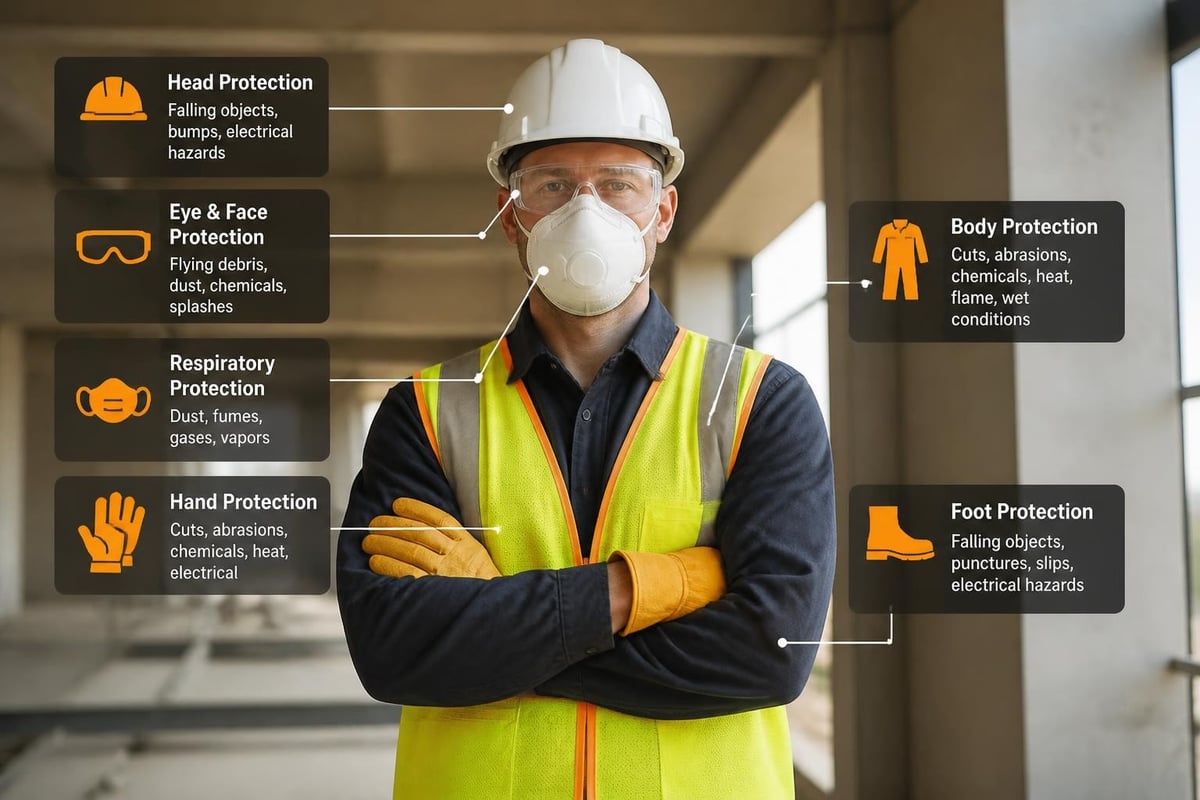
Effective construction attire comprises multiple layers and components that work together to provide comprehensive protection. Each element serves distinct purposes whilst contributing to overall worker safety.
Head Protection
Hard hats represent the most recognizable element of construction attire. Modern safety helmets protect against falling objects, bumps, and electrical hazards. Construction sites typically require Type I hard hats that protect against impacts to the crown of the head, though Type II helmets offering lateral protection have gained popularity.
Selection criteria include:
- Class rating: Class G (general), E (electrical), or C (conductive)
- Suspension system quality for shock absorption
- Ventilation features for comfort during extended wear
- Accessory compatibility for face shields, ear protection, or lighting
High-Visibility Clothing
High-visibility construction attire has become increasingly crucial as hi-vis clothing importance in construction continues to grow. Safety vest requirements vary based on worker proximity to vehicular traffic and equipment operation.
| Class | Background Material | Reflective Material | Typical Applications |
|---|---|---|---|
| Class 1 | 155 sq inches | 100 sq inches | Low-traffic areas, parking attendants |
| Class 2 | 775 sq inches | 201 sq inches | Roadwork, construction sites with vehicles |
| Class 3 | 1,240 sq inches | 310 sq inches | High-speed traffic, poor visibility conditions |
Workers operating near moving vehicles or equipment must wear Class 2 or Class 3 high-visibility garments depending on traffic speed and conditions. The fluorescent background colours (yellow-green, orange-red, or red) combined with reflective striping ensure visibility from all angles.
Protective Footwear
Construction safety footwear requirements mandate steel-toed or composite-toe boots capable of withstanding impact and compression forces. Modern safety boots incorporate additional features including puncture-resistant soles, electrical hazard protection, and slip-resistant outsoles.
Proper safety boots should meet ASTM F2413 standards with ratings clearly marked inside the boot. These ratings indicate protection levels for compression (75 pounds), impact resistance, and other specialized hazards encountered on construction sites.
Specialized Construction Attire for Different Trades
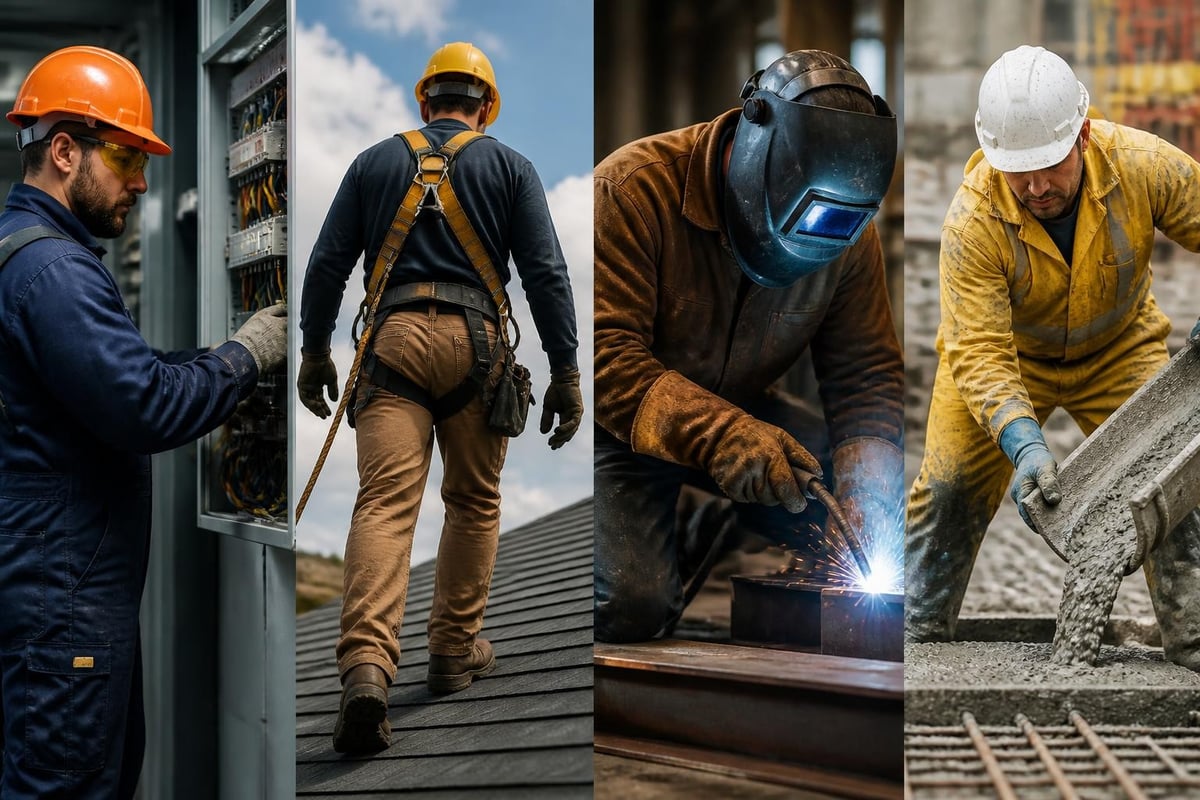
Different construction trades require specialized variations of standard construction attire based on their unique hazard exposures and working conditions.
Electrical Work
Electricians require flame-resistant construction attire that prevents ignition and limits burn injury severity. Arc-rated clothing carries specific ratings (measured in calories per square centimetre) indicating the level of protection provided against arc flash incidents. Electrical workers must avoid metal components in clothing and accessories that could conduct electricity.
Roofing and Height Work
Workers performing tasks at elevation need fall protection equipment integrated with their construction attire. Full-body harnesses must fit properly over work clothing without restricting movement or creating additional hazards. Roofers often require specialized knee pads, non-slip footwear, and lightweight, breathable fabrics that accommodate the physical demands of elevated work.
Concrete and Masonry
Concrete workers face chemical exposure risks requiring chemical-resistant construction attire. Alkaline cement can cause severe burns, necessitating waterproof gloves, boots, and protective clothing that prevents wet concrete contact with skin. Knee pads become essential for extended periods of kneeling work.
Seasonal Considerations for Construction Attire
Construction work continues year-round, requiring adaptations to construction attire that address seasonal weather challenges whilst maintaining safety standards.
Cold Weather Adaptations
Winter construction attire must provide insulation without compromising mobility or safety equipment effectiveness. Layering strategies work best, with moisture-wicking base layers, insulating middle layers, and weather-resistant outer shells. High-visibility requirements remain constant, necessitating hi-vis outerwear or vests worn over insulated jackets.
Cold-weather considerations include:
- Insulated work boots with sufficient room for thermal socks
- Gloves offering both warmth and dexterity for tool operation
- Balaclava or hard hat liners compatible with safety helmets
- Heated vest options for extreme cold conditions
Hot Weather Strategies
Summer construction attire focuses on heat management whilst maintaining protective capabilities. Lightweight, moisture-wicking fabrics help regulate body temperature and reduce heat stress risks. Light-coloured construction attire reflects solar radiation more effectively than dark colours.
UV protection becomes paramount during summer months. Long-sleeved shirts and trousers constructed from UPF-rated fabrics protect against harmful solar radiation whilst remaining breathable. Wide-brimmed hard hat attachments provide additional face and neck protection.
Professional Appearance in Construction Attire
Modern construction attire balances safety requirements with professional presentation. Companies increasingly recognize that well-maintained, branded construction attire enhances corporate image and worker pride. Many construction firms provide polo shirts with company logos embroidered for workers in supervisory or client-facing roles, creating a professional appearance whilst maintaining appropriate workplace safety standards.
Branding and Identification
Embroidered or printed company logos on construction attire serve multiple purposes. They establish clear site identification, enhance security by distinguishing authorized workers from visitors, and promote company branding. Quality branded workwear withstands the rigorous washing and wear demands of construction environments.
Professional construction attire demonstrates organizational commitment to both safety and quality. Clean, well-maintained work clothing signals attention to detail that often correlates with overall project execution standards.
Maintaining Construction Attire
Proper maintenance extends the lifespan of construction attire whilst ensuring continued protective effectiveness. Many safety features degrade with improper care or excessive wear.
Cleaning and Care Protocols
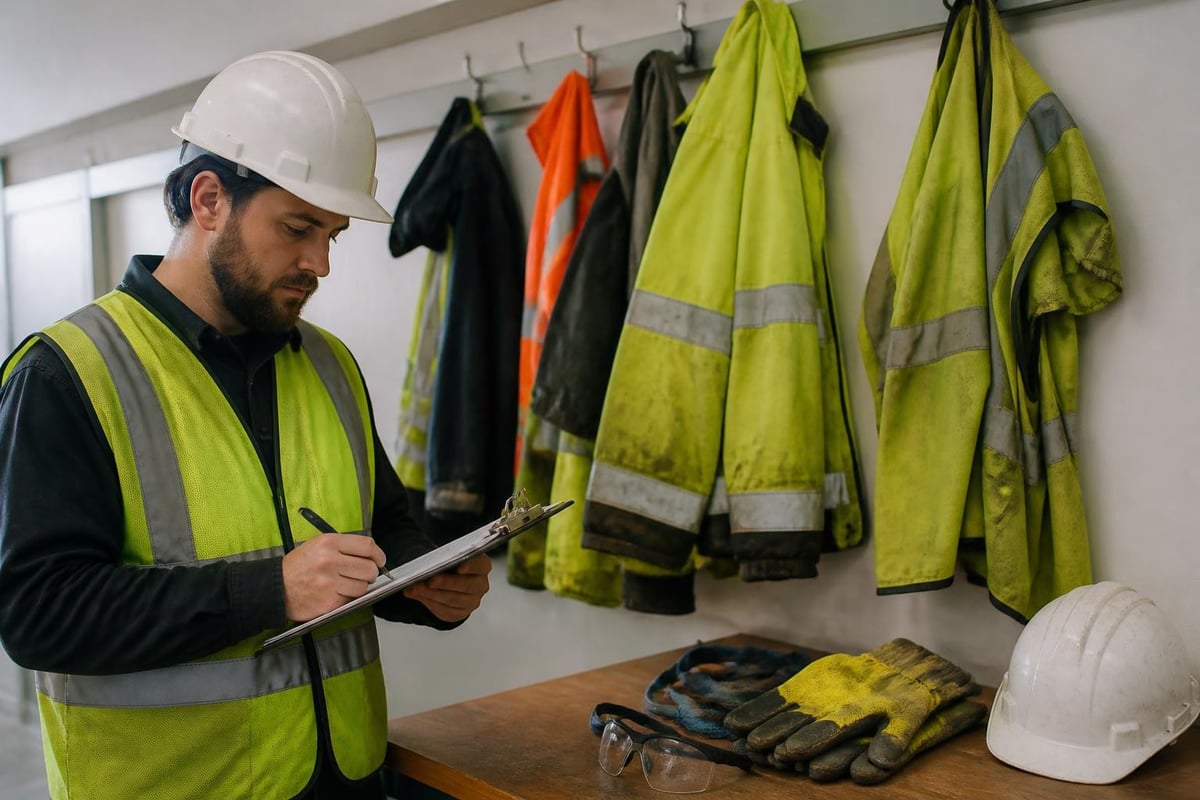
Different construction attire components require specific cleaning approaches. High-visibility garments lose reflectivity when washed with fabric softeners or bleach. Flame-resistant clothing requires specialized detergents that preserve fire-retardant treatments. Caring for workwear properly maintains both appearance and protective capabilities.
| Garment Type | Washing Temperature | Special Instructions | Replacement Indicators |
|---|---|---|---|
| Hi-vis clothing | 40°C maximum | No fabric softener or bleach | Faded fluorescence, damaged reflective tape |
| Flame-resistant | Per manufacturer label | Specialized FR detergent | Failed visual inspection, visible damage |
| Waterproof outerwear | 30°C gentle cycle | Re-proof after 10-15 washes | Loss of water repellency |
| Safety boots | Wipe clean | Condition leather regularly | Sole separation, compromised toe protection |
Inspection Schedules
Regular inspection identifies construction attire requiring repair or replacement before protective capabilities fail. Hard hats should be replaced after impact or every five years regardless of visible condition. Safety footwear requires replacement when protective features show wear, typically every 6-12 months depending on usage intensity.
Workers should inspect their construction attire daily for damage, paying particular attention to reflective striping, fasteners, and structural integrity of protective equipment. Damaged items must be immediately removed from service.
Emerging Trends in Construction Attire
Construction attire continues evolving with technological advances and changing workforce expectations. Innovation focuses on enhanced protection, improved comfort, and integrated technology.
Smart Clothing Integration
Wearable technology integration represents a significant trend in construction attire development. Smart helmets incorporate augmented reality displays, communication systems, and environmental sensors. Clothing embedded with sensors monitors worker fatigue, heat stress indicators, and ergonomic metrics that inform safety interventions.
Connectivity features enable real-time location tracking and emergency response capabilities. When incidents occur, smart construction attire can automatically alert supervisors and provide precise worker locations.
Sustainable Materials
Environmental consciousness drives demand for sustainable construction attire manufactured from recycled materials or renewable resources. Manufacturers now produce high-performance work clothing using recycled polyester, organic cotton, and biodegradable materials without compromising protective capabilities.
Durability improvements reduce replacement frequency, decreasing both costs and environmental impact. High-quality workwear benefits extend beyond immediate worker protection to include long-term sustainability advantages.
Gender-Specific Considerations
Construction attire has traditionally been designed primarily for male workers, but increasing workforce diversity necessitates properly fitting options for all workers. Women's construction clothing addresses anatomical differences that affect safety equipment effectiveness.
Proper Fit Requirements
OSHA's final PPE rule for construction emphasizes properly fitting equipment as essential for effective protection. Ill-fitting construction attire creates hazards by restricting movement, reducing visibility, or failing to provide adequate protection.
Women-specific construction attire considerations include:
- Torso length adjustments in safety harnesses and high-visibility vests
- Shoulder width variations affecting jacket and shirt fit
- Hip and waist proportions impacting trouser comfort and functionality
- Chest accommodation in body armour and protective outerwear
- Smaller size options for gloves, boots, and helmets
Manufacturers increasingly offer construction attire specifically designed for female workers rather than simply scaling down men's sizing. This approach ensures proper fit and protection whilst accommodating physiological differences.
Cost Considerations and Budgeting
Construction attire represents a significant operational expense requiring strategic budgeting and procurement approaches. Understanding total cost of ownership helps organizations make informed purchasing decisions.
Initial Investment versus Longevity
Quality construction attire typically carries higher initial costs but provides superior durability and protection. Inexpensive alternatives often require frequent replacement, ultimately costing more over time whilst potentially compromising worker safety.
Budget allocation should consider:
- Purchase price of garments and equipment
- Expected lifespan based on usage intensity
- Maintenance costs including specialized cleaning
- Replacement frequency for consumable items
- Training expenses for proper usage and care
Bulk purchasing arrangements often reduce per-unit costs whilst ensuring consistent availability. Establishing relationships with reliable suppliers streamlines procurement and ensures access to replacement items when needed.
Return on Investment
Proper construction attire delivers measurable returns through reduced injury rates, lower workers' compensation costs, and improved productivity. Workers equipped with comfortable, well-fitting protective equipment perform tasks more efficiently and experience fewer fatigue-related incidents.
Professional appearance enhanced by quality custom work clothing also contributes to client confidence and contract acquisition. Construction firms presenting unified, professional appearance through branded construction attire often secure premium project opportunities.
Selecting and maintaining appropriate construction attire requires balancing regulatory compliance, worker comfort, and practical functionality across diverse site conditions. As safety standards evolve and technology advances, construction attire will continue adapting to better protect workers whilst supporting productivity and professional presentation. Whether you need high-visibility clothing, durable work shirts, or comprehensive PPE solutions with professional branding, Cobra Workwear provides quality construction attire with in-house embroidery services to meet your specific requirements and deliver quickly to UK construction sites.
