

The construction industry has witnessed remarkable growth in female participation over recent years, with women now comprising a significant portion of the workforce across building sites, civil engineering projects, and infrastructure development. Despite this progress, the availability and quality of womens construction clothes remain inconsistent across the sector. Properly designed workwear for female construction professionals is not merely a matter of comfort-it represents a critical safety requirement, a productivity factor, and an essential component of workplace equality. Understanding the specific requirements, standards, and options available ensures that women on construction sites can work safely, comfortably, and confidently in garments designed for their needs.
Understanding the Unique Requirements for Womens Construction Clothes
Traditional construction workwear has historically been designed with male body shapes in mind, creating substantial challenges for female workers who require garments that accommodate different proportions, measurements, and fit requirements. The fundamental issue extends beyond simple sizing adjustments.
Women's bodies typically feature different shoulder-to-waist ratios, hip measurements, and torso lengths compared to men's proportions. Safety gear designed for women in construction must account for these anatomical differences to provide adequate protection without compromising mobility or comfort. Ill-fitting garments create genuine safety hazards, from tripping risks caused by excess fabric to inadequate coverage in critical areas.
Body Measurement Differences That Matter
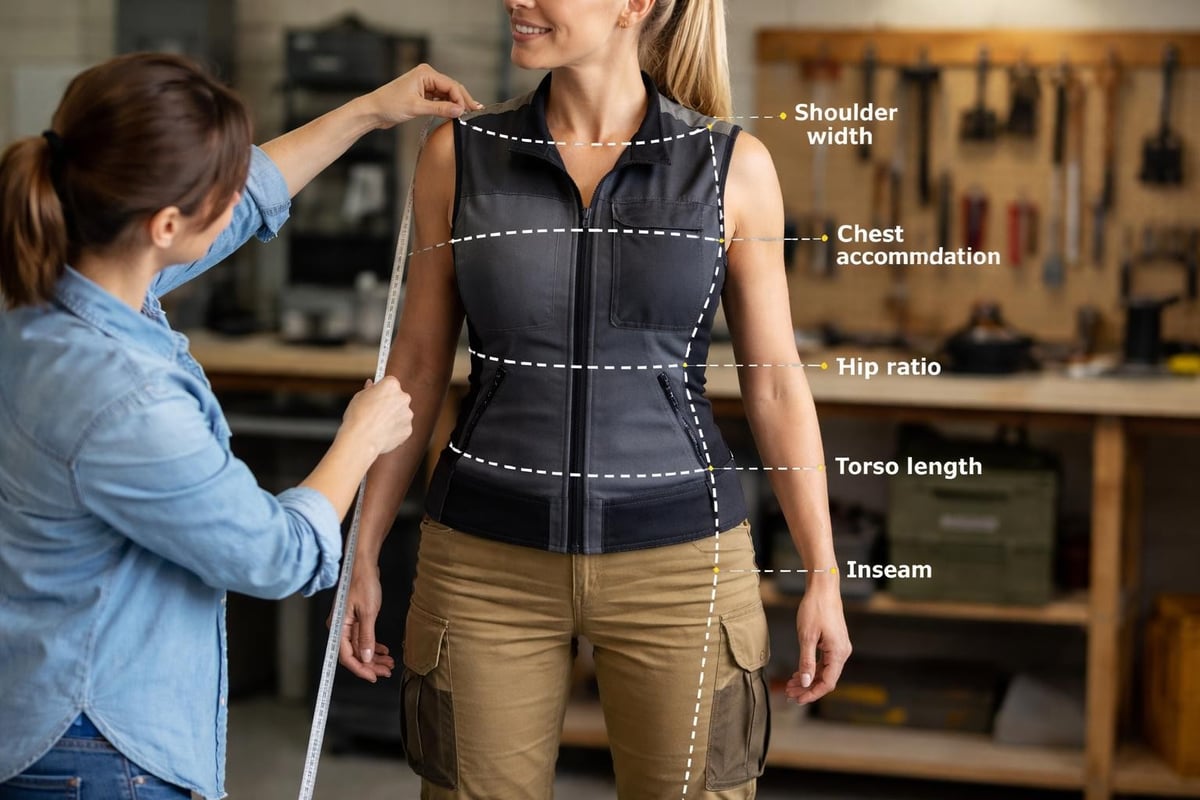
When specifying womens construction clothes, several key measurement points require particular attention:
- Shoulder width: Typically narrower in women, affecting jacket and shirt fit across the upper body
- Hip-to-waist ratio: Generally more pronounced in women, requiring garments with appropriate shaping
- Inseam and rise: Trouser designs must accommodate different leg and torso proportions
- Chest accommodation: Proper fit across the bust without excess fabric that could catch on equipment
- Sleeve length: Often shorter in proportion to overall garment size, affecting reach and coverage
The importance of proper fit in women's PPE cannot be overstated, as poorly fitting protective equipment directly correlates with increased injury rates and reduced compliance with safety protocols.
Safety Standards and Compliance Considerations
Construction environments demand adherence to rigorous safety standards, and womens construction clothes must meet identical protection requirements as their male equivalents whilst accommodating different body shapes. The Health and Safety Executive (HSE) in the UK mandates specific performance criteria for workwear used in various construction scenarios.
High-visibility clothing represents one of the most critical safety requirements on construction sites. Garments must comply with EN ISO 20471 standards, ensuring adequate reflective surface area positioned correctly on the body. For women, this presents unique challenges as reflective strips must be positioned to maintain visibility across different body contours whilst ensuring the garment fits properly without gaps or bunching.
Essential Safety Features by Construction Role
| Role Type | Primary Safety Requirements | Key Garment Features |
|---|---|---|
| General Construction | High-visibility, durability, weather resistance | EN ISO 20471 compliance, reinforced knees, water-resistant outer |
| Electrical Work | Arc flash protection, flame resistance | FR-rated fabrics, non-conductive fastenings, appropriate insulation |
| Heavy Machinery Operation | Snag-free design, high-visibility, hearing protection compatibility | Close-fitting cuffs, no loose elements, integrated loops for accessories |
| Demolition | Enhanced durability, dust protection, abrasion resistance | Heavy-duty fabrics, sealed seams, compatible with respiratory equipment |
Understanding how hi-vis clothing functions in construction environments helps employers select appropriate garments that maintain safety whilst providing proper fit.
Material Selection and Durability Factors
The fabrics and construction methods used in womens construction clothes directly impact both longevity and safety performance. Construction environments subject garments to extreme conditions: abrasion from rough materials, exposure to chemicals and oils, repeated washing, and mechanical stress from constant movement.
Modern construction workwear typically employs several fabric technologies:
Polycotton blends offer excellent durability whilst maintaining breathability, typically in 65/35 or 80/20 polyester-to-cotton ratios. These fabrics resist shrinking, maintain colour fastness, and withstand industrial washing cycles. They provide a balanced solution for general construction applications.
Ripstop fabrics incorporate reinforced weave patterns that prevent tears from spreading. Originally developed for military applications, ripstop technology proves invaluable in construction settings where snags and punctures occur regularly. For women's garments, ripstop fabrics offer durability without adding excessive weight.
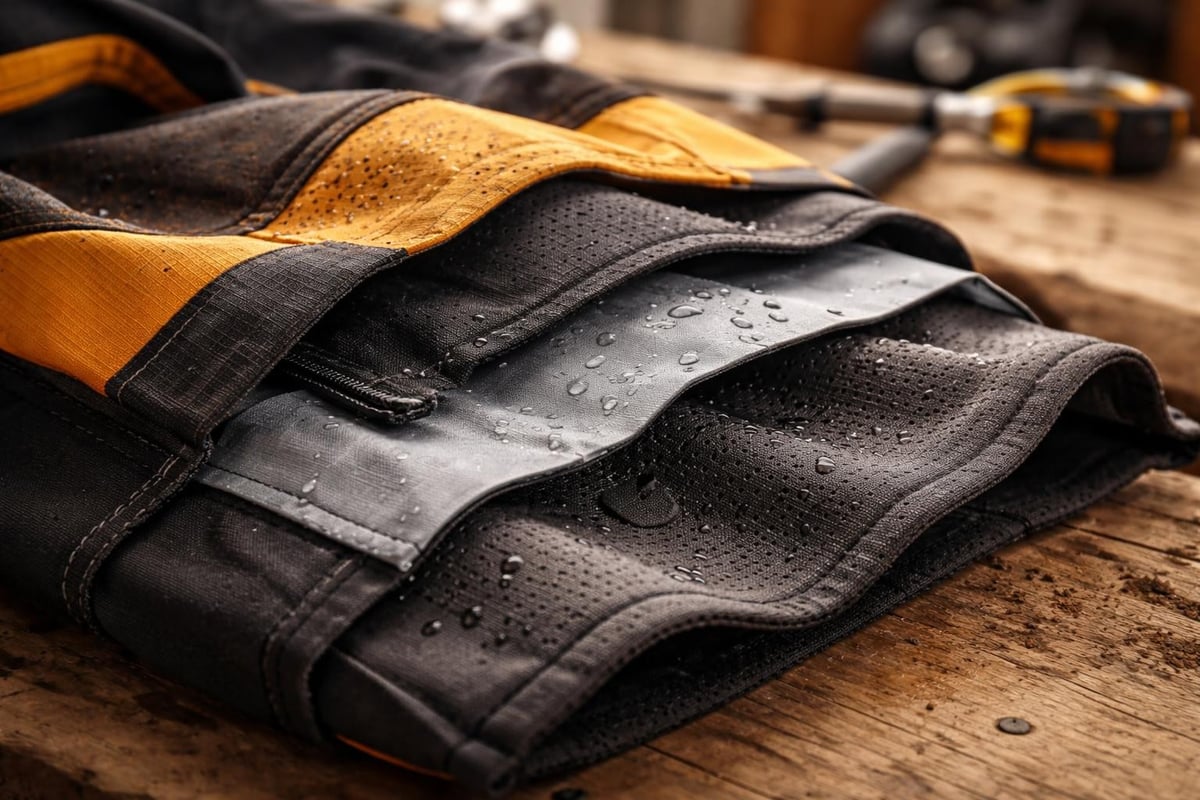
Softshell materials combine weather resistance with flexibility, making them ideal for outdoor construction work. Three-layer softshell constructions provide wind and water resistance whilst allowing moisture vapour to escape, preventing the discomfort of trapped perspiration.
Fabric Weight Considerations
- Lightweight options (180-220 gsm): Suitable for warm weather, indoor work, or layering systems
- Medium weight (220-280 gsm): Versatile choice for year-round construction applications
- Heavy weight (280-350 gsm): Winter wear, cold storage facilities, or enhanced protection requirements
- Ultra-heavy (350+ gsm): Specialized applications requiring maximum durability and protection
The selection depends on specific working conditions, climate considerations, and the physical demands of the role. Womens construction clothes must balance protection with wearability, as excessively heavy garments create fatigue and reduce productivity.
Functional Design Elements That Enhance Performance
Beyond basic fit and fabric selection, womens construction clothes incorporate numerous design features that directly impact workplace performance and safety. These elements differentiate purpose-built construction workwear from adapted standard clothing.
Pocket Placement and Configuration
Strategic pocket positioning serves critical functional purposes in construction work. Women's workwear requires pocket placement that accommodates different body proportions whilst maintaining accessibility:
- Chest pockets: Positioned to avoid interference with lifting equipment or safety harnesses
- Cargo pockets: Located on thighs with reinforced stitching to carry tools and materials
- Interior pockets: Secure storage for mobile devices, documentation, and personal items
- Pen pockets: Appropriately angled sleeve pockets for writing implements and small tools
Pockets must feature secure closures (Velcro, buttons, or zips) to prevent item loss during bending, climbing, or working at heights.
Articulation and Movement Features
Construction work demands extensive physical movement: kneeling, reaching overhead, bending, and climbing. Garment articulation directly affects comfort and performance:
- Pre-bent knee construction in trousers reduces fabric bunching and strain
- Gusseted crotch panels provide freedom of movement without excess fabric
- Stretch panels in strategic locations (underarms, back, knees) enhance mobility
- Adjustable waistbands and cuffs accommodate layering and personal preference
- Reinforced stress points prevent premature wear at high-friction areas
The challenges women face with construction apparel often relate to these functional elements being positioned for male body proportions, highlighting the importance of properly designed womens construction clothes.
Layering Systems for Variable Conditions
UK construction sites experience significant weather variation throughout the year, requiring flexible clothing systems that adapt to changing conditions. Effective layering strategies allow workers to maintain comfort and protection across temperature ranges without compromising safety or mobility.
The three-layer system provides optimal versatility:
Base layer: Moisture-wicking fabrics sit against the skin, drawing perspiration away to prevent chill and discomfort. Merino wool or technical synthetic fabrics work effectively, with seamless construction preventing irritation during extended wear.
Mid layer: Insulating garments trap warm air whilst allowing moisture vapour to escape. Fleece, quilted jackets, or insulated bodywarmers provide thermal protection without excessive bulk. For construction applications, mid-layers should feature minimal external pockets or protrusions that could snag on materials or equipment.
Outer layer: Weather-protective shells defend against wind, rain, and environmental hazards whilst maintaining breathability. Construction outer layers must incorporate high-visibility elements and accommodate the bulk of underlayers without restricting movement.
Companies offering embroidery services can add branding consistently across all layers, maintaining professional appearance whilst ensuring clear identification on site.
Seasonal Considerations and Weather Protection
Construction work continues year-round, and womens construction clothes must address seasonal challenges whilst maintaining consistent safety standards. Each season presents distinct requirements.
Summer Workwear Requirements
| Feature | Benefit | Specification |
|---|---|---|
| Breathable fabrics | Temperature regulation | Moisture-wicking polyester or cotton blends |
| UV protection | Skin safety | UPF 50+ rated materials |
| Lightweight construction | Reduced fatigue | 180-220 gsm fabric weight |
| Ventilation panels | Airflow enhancement | Mesh underarm or back panels |
Summer garments must maintain full coverage to protect against sun exposure and workplace hazards whilst preventing heat stress. Light colours in high-visibility orange or yellow reflect rather than absorb heat.
Winter Protection Strategies
Cold weather demands additional insulation without compromising dexterity or safety. Womens construction clothes for winter incorporate thermal linings, wind-resistant outer shells, and extended coverage to protect vulnerable areas. Adjustable cuffs, high collars, and drop-tail hems prevent cold air infiltration during movement.
Waterproof and water-resistant treatments prove essential during wet months. Taped seams, waterproof zips, and durable water repellent (DWR) finishes keep workers dry. However, these protective features must not create condensation issues-breathable membranes allow internal moisture to escape whilst blocking external water ingress.
Size Ranges and Fitting Guidance
A persistent challenge in womens construction clothes involves limited size availability. Many manufacturers offer restricted ranges, forcing women into ill-fitting garments or resorting to unisex options that compromise safety and comfort.
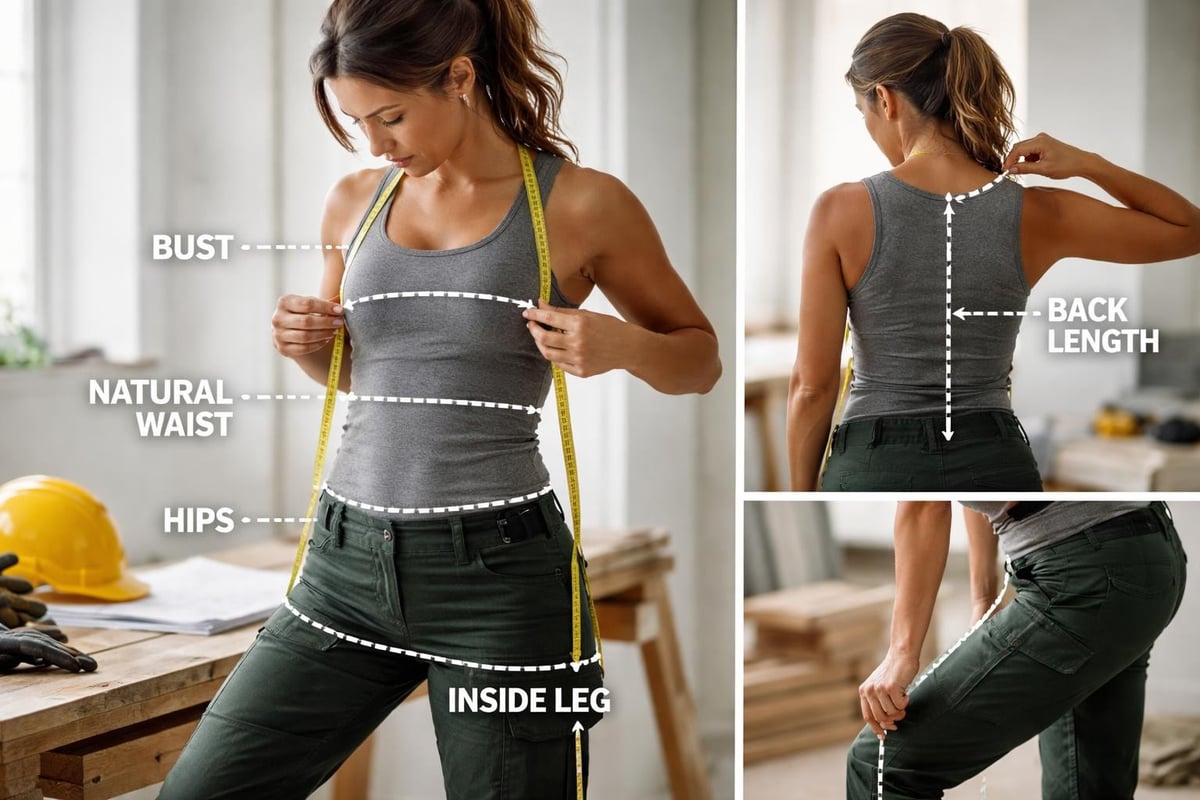
Progressive workwear suppliers now provide comprehensive size ranges extending from UK size 6 through 24, with regular, petite, and tall length options. Proper sizing requires multiple measurement points:
- Bust measurement: Taken at the fullest point, over appropriate undergarments
- Natural waist: Measured at the narrowest point of the torso
- Hip measurement: At the fullest part of the hips and seat
- Inside leg: From crotch to desired hemline
- Back length: From base of neck to natural waist
These measurements should be compared against manufacturer sizing charts, noting that sizing can vary significantly between brands. New expectations for women's PPE emphasize the importance of trying garments before bulk ordering, ensuring proper fit across teams.
Professional Appearance and Brand Identity
Construction workwear serves dual purposes: protection and representation. Womens construction clothes that maintain professional appearance contribute to positive company image whilst ensuring workers feel confident and valued.
Consistent branding across workwear reinforces company identity and professionalism. Many construction firms implement comprehensive uniform programmes that include polo shirts embroidered with company logos for supervisory staff alongside protective outerwear for site workers. This creates visual cohesion whilst accommodating different role requirements.
Colour coordination, logo placement, and garment style selection communicate organizational values. High-quality womens construction clothes that fit properly and appear professional demonstrate employer commitment to equality and worker welfare. This investment in appropriate workwear often yields returns through improved morale, enhanced safety compliance, and positive client perception.
Maintenance and Longevity
Construction workwear represents significant investment, and proper maintenance extends garment lifespan whilst maintaining protective properties. Womens construction clothes require care protocols that preserve both fit and function.
Industrial washing processes differ substantially from domestic laundry. Construction workwear typically requires:
- Pre-treatment of oil, grease, and chemical stains before washing
- Temperature settings appropriate to fabric composition and soil level
- Detergents formulated for heavy soiling without damaging technical fabrics
- Separate washing from non-work clothing to prevent cross-contamination
- Inspection of high-visibility elements to ensure reflective performance remains adequate
Understanding proper workwear care helps maintain garment performance throughout their service life. Damaged or worn womens construction clothes should be replaced promptly, as compromised garments no longer provide adequate protection.
Procurement Strategies for Employers
Organizations employing women in construction roles must implement thoughtful procurement approaches that ensure appropriate workwear availability. Simply offering unisex options or expecting women to wear oversized male garments creates safety risks and signals lack of consideration.
Effective procurement strategies include:
- Needs assessment: Survey female employees regarding fit issues, comfort concerns, and safety requirements
- Sample ordering: Test garments from multiple suppliers before committing to bulk orders
- Size range verification: Ensure suppliers stock comprehensive size ranges including petite and plus sizes
- Trial periods: Allow workers to test garments in actual working conditions before full rollout
- Feedback mechanisms: Establish channels for ongoing input regarding workwear performance
Companies should recognize that PPE is designed for every body, including women in construction roles, and budget accordingly. Initial cost differences between standard and properly fitted womens construction clothes prove negligible compared to injury costs, reduced productivity, and potential discrimination claims.
Addressing Common Fit and Function Issues
Despite improvements in availability, womens construction clothes still present recurring challenges that employers and workers must address. Recognition of these issues enables better selection and adaptation.
Trouser rise problems: Many women's construction trousers feature inadequate rise measurements, creating discomfort when bending or kneeling. Mid-rise or high-rise options provide better coverage and comfort during varied movements.
Sleeve length inconsistencies: Jacket sleeves often run too long or too short, affecting both comfort and safety. Adjustable cuff systems or multiple length options address this concern.
Waistband gapping: Trousers designed for straight body shapes often gap at the waist when sized for hip measurement. Elasticated waist panels, adjustable tabs, or contoured waistbands solve this common fit issue.
Chest accommodation: Shirts and jackets must provide appropriate chest room without excess fabric elsewhere. Princess seams, darts, or stretch panels create proper shaping.
Employers willing to invest in quality workwear specifically designed for women demonstrate commitment to workplace equality whilst improving safety outcomes.
Future Developments in Construction Workwear
The womens construction clothes sector continues evolving rapidly, driven by increased demand, technological advances, and changing industry demographics. Several emerging trends promise improved performance and availability.
Smart fabric integration: Temperature-regulating materials, moisture sensors, and even health monitoring capabilities are being incorporated into workwear. These technologies enhance comfort whilst providing valuable safety data.
Sustainable materials: Recycled polyester, organic cotton, and innovative plant-based fabrics address environmental concerns without compromising durability or protection. Construction firms increasingly prioritize sustainable procurement.
Customization technology: Digital pattern making and on-demand manufacturing enable cost-effective custom sizing, addressing fit challenges for individuals who fall outside standard size ranges.
Enhanced protection systems: Development of lighter-weight protective materials provides equivalent or superior protection with reduced bulk and weight, particularly benefiting smaller-framed workers.
These advances suggest that womens construction clothes will continue improving in availability, performance, and specialization throughout 2026 and beyond.
Balancing Cost and Quality
Budget considerations significantly influence workwear procurement decisions, yet false economy in womens construction clothes creates long-term costs exceeding initial savings. Quality differentials manifest in multiple areas:
- Fabric durability: Premium materials withstand extended wear and repeated washing
- Construction quality: Reinforced stress points and quality stitching prevent premature failure
- Fit consistency: Established manufacturers maintain consistent sizing across orders
- Safety compliance: Reputable suppliers ensure garments meet current standards
- Replacement frequency: Higher-quality garments require less frequent replacement
Calculating true cost requires considering garment lifespan rather than purchase price alone. A garment costing 40% more but lasting three times longer represents better value than cheaper alternatives requiring frequent replacement.
Employers should also consider indirect costs: injury rates associated with ill-fitting protective equipment, productivity losses from uncomfortable garments, and recruitment challenges when appropriate workwear remains unavailable. Companies providing comprehensive workwear options demonstrate progressive workplace practices that attract and retain skilled workers.
Selecting appropriate womens construction clothes requires understanding fit requirements, safety standards, durability factors, and functional design elements that support female workers in demanding construction environments. Employers who prioritize proper workwear provision demonstrate commitment to safety, equality, and professional standards. Whether you need high-visibility jackets, durable trousers, or complete uniform programmes, Cobra Workwear offers comprehensive solutions with in-house embroidery services to create professional, branded construction workwear that fits properly and performs reliably across all roles and conditions.
