

The landscape of women's professional clothing in the United Kingdom has evolved dramatically over recent years, reflecting broader changes in workplace equality, safety standards, and the recognition that workwear must accommodate diverse body types and professional requirements. Whether you're outfitting a team in construction, hospitality, healthcare, or corporate settings, understanding the specific needs of workwear womens uk options ensures both compliance and comfort. From high-visibility jackets designed for female proportions to tailored tunics for healthcare professionals, selecting appropriate workwear involves balancing functionality, safety regulations, professional appearance, and individual comfort.
Understanding the UK Women's Workwear Market
The workwear industry has historically focused on male-dominated sectors, but significant shifts in employment patterns have transformed this landscape. Research on gender segregation across UK labor market sectors demonstrates that women now constitute substantial portions of workforces in construction, manufacturing, logistics, and traditionally male-dominated fields, creating unprecedented demand for properly designed women's workwear.
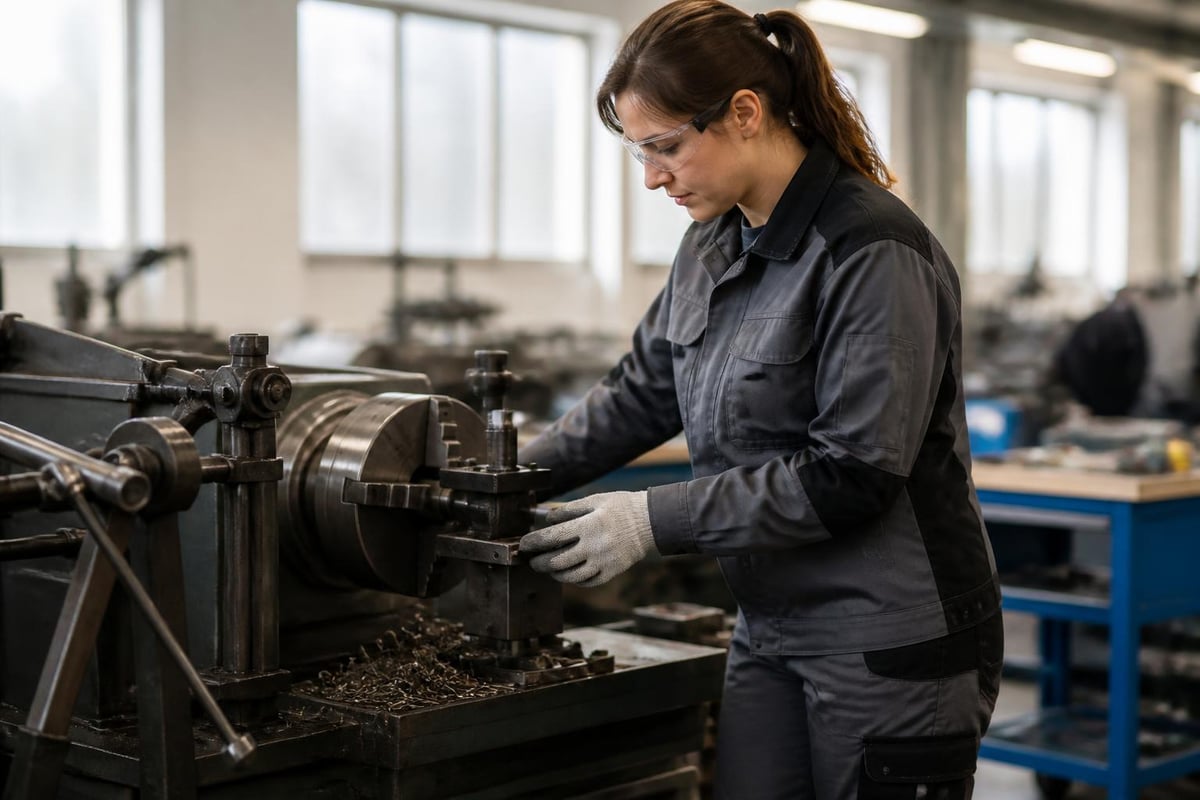
Today's workwear womens uk offerings extend far beyond simply shrinking men's garments. Manufacturers now design items specifically for female body proportions, accounting for differences in shoulder width, hip measurements, torso length, and sleeve requirements. This evolution reflects not only market demand but also safety imperatives, as ill-fitting protective clothing can compromise workplace safety.
Industry-Specific Requirements
Different sectors demand distinct workwear characteristics, and understanding these requirements helps organisations make informed purchasing decisions.
Healthcare and Medical Settings
- Antimicrobial fabrics that prevent bacterial growth
- Easy-care materials withstanding frequent high-temperature washing
- Comfortable tunics with adequate pocket space
- Colours conforming to departmental coding systems
- Moisture-wicking properties for long shifts
Construction and Trades
- High-visibility clothing meeting EN ISO 20471 standards
- Reinforced knees and elbows for durability
- Tool pockets and hammer loops positioned appropriately
- Weather-resistant outer layers
- Safety boots with proper ankle support
Hospitality and Food Service
- Breathable fabrics for kitchen environments
- Stain-resistant treatments
- Professional appearance meeting hygiene standards
- Aprons with adjustable straps and ties
- Chef's jackets with double-breasted designs
Sizing and Fit Considerations
One of the most significant challenges in sourcing workwear womens uk options involves navigating sizing inconsistencies across manufacturers. Unlike consumer fashion, workwear sizing must prioritise functionality and safety rather than aesthetic preference alone.
Standard UK Sizing vs Workwear Sizing
| UK Size | Bust (inches) | Waist (inches) | Hip (inches) | Workwear Equivalent |
|---|---|---|---|---|
| 8 | 31-32 | 24-25 | 33-34 | XS/6 |
| 10 | 33-34 | 26-27 | 35-36 | S/8 |
| 12 | 35-36 | 28-29 | 37-38 | M/10 |
| 14 | 37-38 | 30-31 | 39-40 | L/12 |
| 16 | 39-41 | 32-34 | 41-43 | XL/14 |
| 18 | 42-44 | 35-37 | 44-46 | XXL/16 |
When ordering workwear for your team, always consult manufacturer-specific sizing charts rather than assuming standard retail sizes apply. Many workwear brands cut garments generously to accommodate layering, particularly in outdoor or industrial settings where thermal base layers prove essential during winter months.
Professional workwear should allow comfortable movement throughout a full shift without restriction. Designing work clothes that balance professional appearance with practical functionality requires careful consideration of both measurements and intended use.
Essential Workwear Categories
Building a comprehensive workwear wardrobe depends on your specific industry requirements, but certain categories apply across multiple sectors.
Base Layer and Core Items
Every professional wardrobe begins with versatile foundation pieces. Polo shirts serve as excellent base layers across industries, offering professional appearance whilst remaining practical for physical work environments, and can be customised with embroidered company logos for cohesive team branding.
Similarly, properly fitted t-shirts in moisture-wicking fabrics provide comfortable options for roles involving physical activity or warm environments. These items should withstand frequent washing whilst maintaining colour and shape integrity.
Protective Outerwear
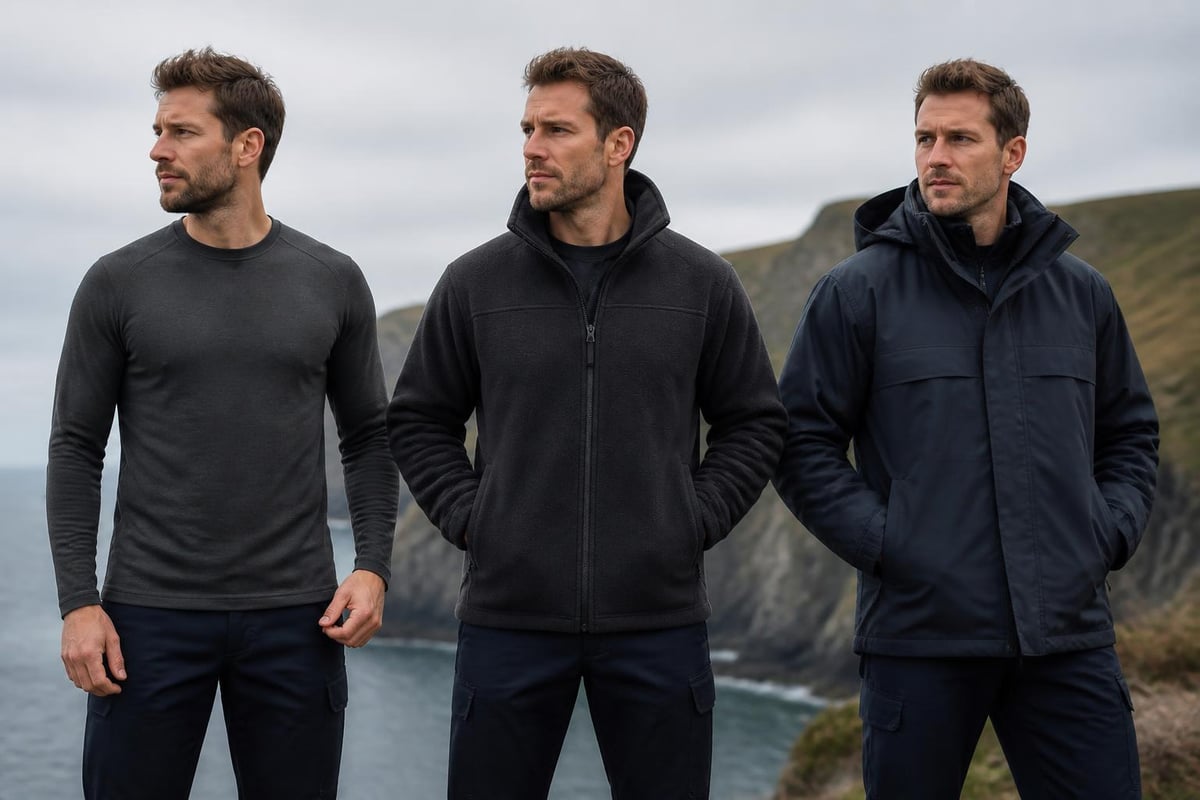
Weather protection remains paramount for outdoor roles, making quality jackets and softshell jackets essential investments. Modern technical fabrics offer waterproofing, breathability, and wind resistance without excessive bulk.
For roles requiring visibility in low-light conditions or near moving vehicles, hi-vis clothing meeting current UK safety standards proves non-negotiable. Women's hi-vis jackets now feature tailored cuts that improve both comfort and safety by ensuring reflective strips sit in correct positions.
Specialist Workwear
Certain industries require highly specialised garments. Healthcare professionals need tunics conforming to infection control standards, whilst chefs require chef's clothing designed for kitchen safety. Understanding these specialised requirements ensures compliance with industry regulations whilst protecting employee wellbeing.
Navigating Safety Standards and Regulations
UK workplaces must comply with comprehensive health and safety legislation, which extends to appropriate workwear provision. The Health and Safety at Work Act 1974 places obligations on employers to provide suitable protective equipment where hazards exist.
Key Safety Standards for Women's Workwear
- EN ISO 20471 - High-visibility clothing for professional use
- EN 343 - Protection against rain
- EN 342 - Protection against cold
- EN 14058 - Garments for protection against cool environments
- EN 531 - Protective clothing for workers exposed to heat
Employers should note that UK government guidance on the Equality Act 2010 requires that workwear policies do not discriminate based on gender. This means women must have access to workwear of equivalent quality, protection level, and functionality as their male colleagues.
When buying work uniforms, organisations should ensure garments display appropriate certification labels and meet relevant British or European standards for their intended purpose.
Fabric Technology and Performance Features
Modern workwear womens uk options benefit from significant advances in textile technology, offering performance characteristics unimaginable a decade ago.
Performance Fabric Features:
- Moisture-wicking: Draws perspiration away from skin
- Antimicrobial treatments: Reduces odour-causing bacteria
- UV protection: Shields skin from harmful radiation
- Four-way stretch: Allows movement without restriction
- Quick-drying: Reduces downtime between washes
- Stain resistance: Maintains professional appearance
Natural fibres like cotton remain popular for breathability and comfort, whilst polyester blends offer durability and easy care. Many manufacturers now produce sustainable options using recycled materials, addressing growing environmental concerns within the industry. Resources from Fashion Revolution provide valuable insights into ethical and sustainable workwear choices.
Customisation and Branding Options
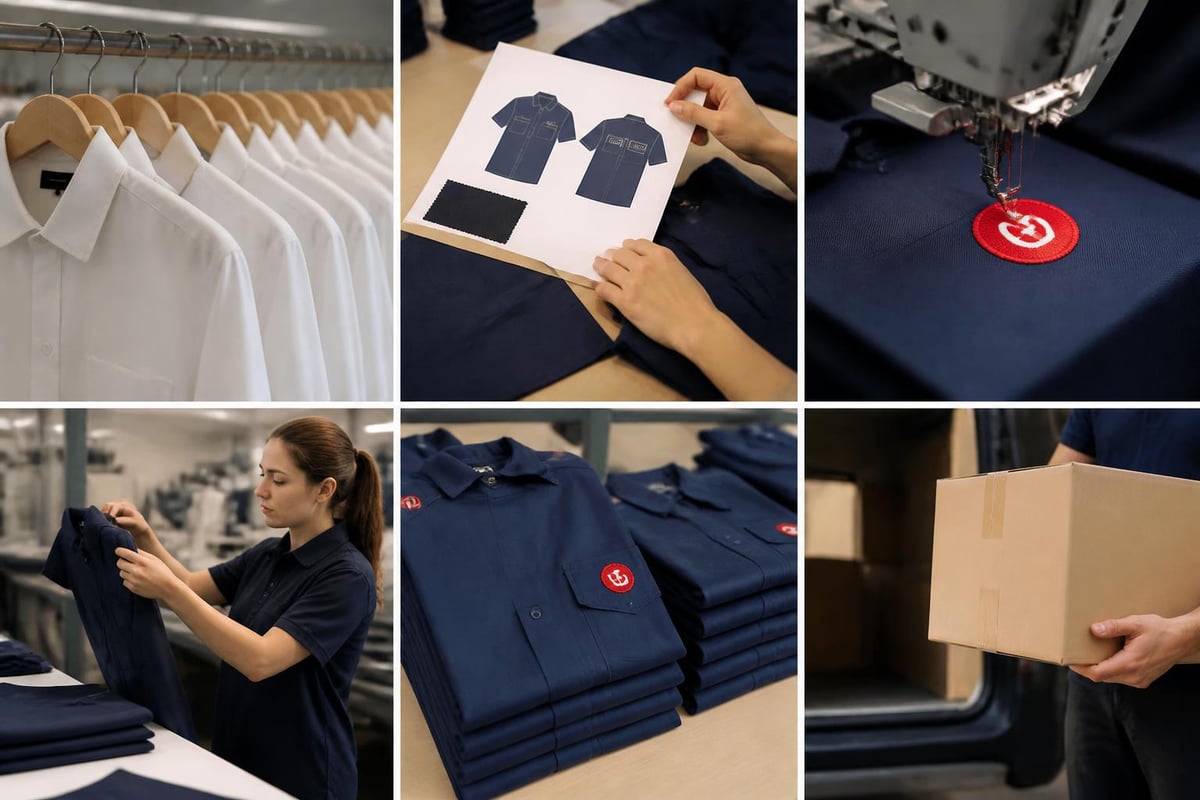
Corporate identity extends to workwear, making customisation an important consideration for many organisations. Embroidered or printed logos transform standard garments into branded uniforms that enhance professional image and team cohesion.
Customisation Methods Compared
| Method | Durability | Cost | Best For | Turnaround |
|---|---|---|---|---|
| Embroidery | Excellent | Medium-High | Polo shirts, jackets, fleeces | 7-14 days |
| Screen Print | Good | Low-Medium | T-shirts, large orders | 5-10 days |
| DTG Print | Good | Medium | Small orders, complex designs | 3-7 days |
| Heat Transfer | Fair | Low | Quick turnaround needs | 1-3 days |
Embroidery offers superior durability and perceived quality, particularly for customer-facing roles where professional appearance matters most. Screen printing provides cost-effective solutions for large uniform orders, whilst direct-to-garment printing accommodates complex multi-colour designs.
Seasonal Workwear Planning
The UK's variable climate demands thoughtful seasonal planning for workwear procurement. Temperature fluctuations between winter and summer can exceed 30 degrees Celsius, requiring adaptable clothing strategies.
Winter Workwear Essentials
Cold weather workwear focuses on layering flexibility. Base layers in thermal fabrics trap body heat whilst wicking moisture, mid-layers like fleeces provide insulation, and waterproof outer shells protect against rain and wind. Bodywarmers and gilets offer core warmth without restricting arm movement, making them particularly suitable for active roles.
Don't overlook accessories: thermal gloves, insulated headwear, and warm socks significantly impact comfort during outdoor winter work. Many women find that properly designed workwear gloves in smaller sizes perform better than unisex options.
Summer Considerations
Warm weather workwear prioritises breathability and moisture management. Lightweight fabrics in light colours reflect heat, whilst mesh panels enhance ventilation. Short-sleeved shirts and polo shirts provide cooling alternatives where safety regulations permit exposed arms.
For outdoor workers, sun protection becomes paramount. Look for fabrics rated for UV protection, and consider lightweight long-sleeved options that shield skin whilst remaining comfortable in heat.
Maintaining Professional Appearance
Workwear represents your organisation's image, making proper care essential for longevity and professional presentation. Well-maintained clothing lasts longer, performs better, and projects competence and attention to detail.
Care and Maintenance Best Practices:
- Follow manufacturer washing instructions precisely
- Separate workwear from personal laundry to prevent cross-contamination
- Use appropriate detergents for technical fabrics
- Repair minor damage promptly to prevent escalation
- Replace worn or damaged safety-critical items immediately
- Store workwear properly to maintain shape and structure
Consider implementing a workwear replacement schedule based on wear patterns and appearance standards. Most organisations budget for annual or bi-annual replacements, though high-wear items may require more frequent renewal.
Balancing Style and Functionality
The perception that workwear cannot be stylish has shifted considerably, with many professionals now seeking options that blend safety requirements with personal style preferences. Insights from experts on corporate dressing with personality demonstrate that professional appearance and individual expression need not conflict.
Contemporary workwear womens uk collections increasingly feature modern cuts, flattering silhouettes, and colour options beyond traditional navy and black. Whilst functionality remains paramount, there's growing recognition that clothing fitting well and looking professional positively impacts wearer confidence and workplace morale.
The British Fashion Council has highlighted how UK designers increasingly influence workwear aesthetics, bringing fashion-forward thinking to traditionally utilitarian garments. This convergence benefits workers across industries, from corporate environments to construction sites.
Building a Workwear Budget
Strategic workwear procurement requires balancing upfront costs against long-term value. Cheaper garments may seem attractive initially but often prove more expensive through frequent replacement needs.
Cost Considerations
Quality workwear represents an investment in employee safety, comfort, and professional image. When calculating budgets, consider:
- Initial purchase price per item
- Expected lifespan based on wear frequency
- Customisation costs for branding
- Replacement frequency and associated downtime
- Safety compliance requirements and potential liability
- Employee satisfaction and retention impacts
Many suppliers offer volume discounts for larger orders, making it worthwhile to standardise on specific items across your organisation. Some businesses find success with workwear allowance programmes, where employees receive annual budgets to select items meeting company guidelines.
Sourcing Workwear in the UK
Finding reliable workwear suppliers involves evaluating multiple factors beyond price alone. Consider lead times, minimum order quantities, customisation capabilities, and post-purchase support when selecting partners.
Look for suppliers with comprehensive size ranges accommodating diverse body types, clear sizing guidance, and flexible return policies. Quality customer service proves invaluable when questions arise about specifications, care instructions, or replacement needs.
Many organisations benefit from establishing ongoing relationships with workwear specialists who understand their industry requirements and can advise on emerging products or regulatory changes. Resources like comprehensive guides to best women's workwear brands help identify reputable suppliers aligned with your needs.
When searching for suppliers, consider local options that reduce shipping times and environmental impact. Searching terms like "work n wear near me" can help identify regional suppliers, though national online retailers often provide broader selection and competitive pricing.
Future Trends in Women's Workwear
The workwear industry continues evolving, with several emerging trends likely to shape future offerings. Sustainability has moved from niche concern to mainstream priority, with manufacturers increasingly using recycled materials, organic cotton, and closed-loop production systems.
Smart textiles incorporating technology represent another frontier, with garments potentially monitoring vital signs, regulating temperature, or even charging mobile devices. Whilst these innovations currently carry premium pricing, wider adoption will likely drive costs down over coming years.
Inclusivity continues gaining prominence, with expanded size ranges, adaptive features for workers with disabilities, and cultural sensitivity in design approaches. Progressive employers recognise that workwear policies respecting diversity improve recruitment, retention, and workplace culture.
The shift toward hybrid working models has blurred boundaries between office attire and casual wear, creating demand for versatile pieces transitioning smoothly between environments. This trend particularly affects corporate and administrative roles, where traditional suit-based dress codes increasingly give way to more flexible smart-casual standards.
Selecting appropriate workwear for women across UK industries requires careful consideration of safety standards, industry requirements, sizing accuracy, and professional appearance expectations. The transformation of women's workwear from adapted men's clothing to purpose-designed garments reflects both market evolution and workplace equality advances, ensuring female workers access appropriate, comfortable, and protective clothing. Whether you need healthcare tunics, construction hi-vis, hospitality aprons, or corporate attire, Cobra Workwear provides comprehensive workwear solutions with in-house embroidery and printing services to create professional, branded uniforms tailored to your organisation's specific needs.
