

Professional workwear shirts have transformed dramatically over the past decade, evolving from simple garments into sophisticated technical apparel that balances safety compliance, comfort, and brand identity. Whether you're equipping a construction team, hospitality staff, or healthcare professionals, understanding the nuances of modern workwear shirts ensures your workforce remains protected, comfortable, and professionally presented. In 2026, businesses face unprecedented choices in fabrics, features, and customisation options, making informed selection more critical than ever for operational efficiency and employee satisfaction.
Understanding Modern Workwear Shirt Construction
Today's workwear shirts incorporate advanced textile engineering that previous generations couldn't imagine. Ripstop fabrics have become industry standard, featuring reinforced weaving patterns that prevent tears from spreading across the garment. This construction method significantly extends garment lifespan, reducing replacement costs whilst maintaining professional appearance throughout the shirt's working life.
The integration of technical fibres has revolutionised moisture management. Modern workwear shirts frequently combine polyester blends with cotton to create fabrics that wick perspiration away from the skin whilst remaining breathable. This combination proves particularly valuable in physically demanding environments where temperature regulation directly impacts worker productivity and comfort.
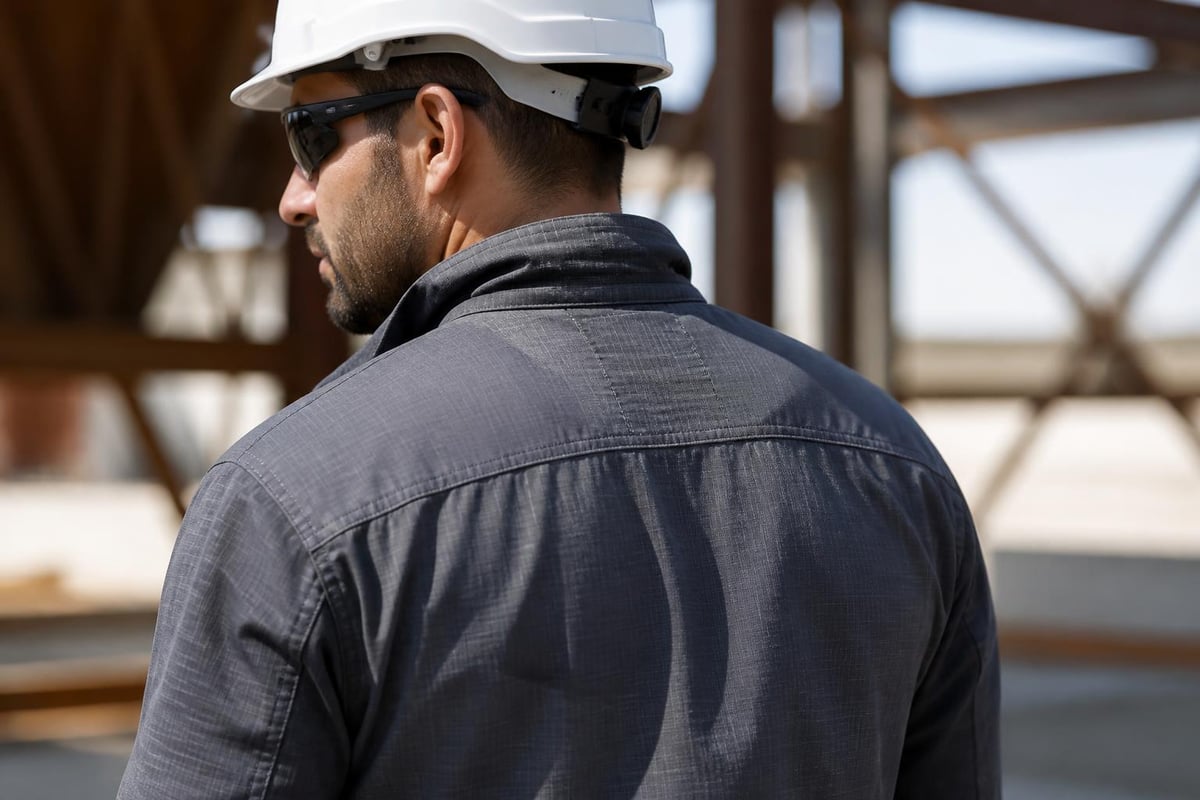
Contemporary manufacturers also prioritise antimicrobial treatments within fabric finishing processes. These treatments inhibit bacterial growth, reducing odour development during extended wear periods. For industries requiring long shifts or multiple consecutive days of wear, antimicrobial properties maintain hygiene standards whilst extending time between necessary laundering.
Fabric Weight and Seasonal Considerations
Selecting appropriate fabric weight remains crucial for employee comfort across varying conditions. Lightweight options, typically ranging from 115-135gsm (grams per square metre), excel in warmer months or indoor environments with minimal physical exertion. These fabrics promote airflow whilst maintaining professional appearance.
| Fabric Weight | Best Applications | Key Features |
|---|---|---|
| 115-135gsm | Summer, indoor work | Maximum breathability, quick-drying |
| 150-180gsm | Year-round general use | Balanced durability and comfort |
| 200-250gsm | Winter, outdoor work | Enhanced insulation, wind resistance |
Mid-weight fabrics between 150-180gsm offer versatility for year-round deployment. They provide adequate durability without sacrificing comfort, making them ideal for businesses seeking single-specification solutions across multiple seasons. This approach simplifies inventory management whilst ensuring consistent brand presentation.
Heavy-weight workwear shirts exceeding 200gsm deliver superior protection in challenging outdoor environments. These garments incorporate additional insulation properties whilst maintaining flexibility for unrestricted movement. Understanding proper care for different fabric weights ensures longevity regardless of specification chosen.
Safety Standards and Compliance Requirements
Regulatory compliance forms the foundation of workwear shirt selection for many industries. The ISO standards relevant to workwear establish clear benchmarks for properties including flame resistance, high-visibility characteristics, and mechanical protection. Businesses operating in regulated sectors must ensure their workwear shirts meet or exceed applicable standards.
High-visibility workwear shirts constitute mandatory personal protective equipment across construction, highways maintenance, and logistics sectors. These garments must comply with EN ISO 20471 standards, incorporating specific quantities of fluorescent background material and retroreflective tape. Different classification levels exist depending on risk assessment outcomes:
- Class 1: Minimal visibility requirements, suitable for low-risk environments
- Class 2: Moderate visibility needs, appropriate for roadside work away from traffic lanes
- Class 3: Maximum visibility specification for high-speed traffic environments
The OSHA standards for apparel provide additional guidance for businesses, particularly those operating internationally or serving American clients. Whilst UK regulations take precedence for domestic operations, understanding parallel frameworks helps businesses maintain consistency across jurisdictions.
Flame-Resistant and Arc-Rated Options
Industries involving electrical work, welding, or chemical handling require flame-resistant (FR) workwear shirts manufactured to specific performance standards. These garments undergo rigorous testing to ensure they self-extinguish when removed from ignition sources, preventing continued burning that could escalate injuries.
Arc-rated workwear shirts take protection further, offering measured resistance to electric arc flash incidents. These specialised garments display Arc Thermal Performance Value (ATPV) ratings indicating the incident energy level the fabric can withstand before causing second-degree burns. Electrical contractors and utility workers must select shirts with appropriate ratings matching their specific hazard assessments.
Modern FR technology no longer requires compromising comfort. Contemporary treatments maintain fabric breathability whilst delivering life-saving protection. The latest formulations survive numerous laundry cycles without degrading protective properties, though following manufacturer care instructions remains essential for maintained certification compliance.
Industry-Specific Design Features
Different professional environments demand tailored workwear shirt characteristics. Construction sector shirts typically incorporate reinforced elbows and shoulders, anticipating regular abrasion from materials handling and equipment operation. These reinforcements extend garment life substantially compared to standard office shirts pressed into inappropriate service.
Tool pockets and pen slots feature prominently in technical workwear shirts designed for trades. Strategically positioned chest pockets accommodate measuring tapes, marking tools, and documentation whilst maintaining balanced weight distribution. Some advanced designs incorporate radio loops or tablet pockets, reflecting modern communication requirements.
Hospitality industry workwear shirts prioritise aesthetic refinement alongside practicality. Easy-care fabrics that resist wrinkling and staining maintain professional appearance throughout service periods. Moisture-wicking properties prove particularly valuable in kitchen environments where temperature and humidity fluctuate dramatically. When designing work clothes, balancing functionality with brand presentation becomes paramount.
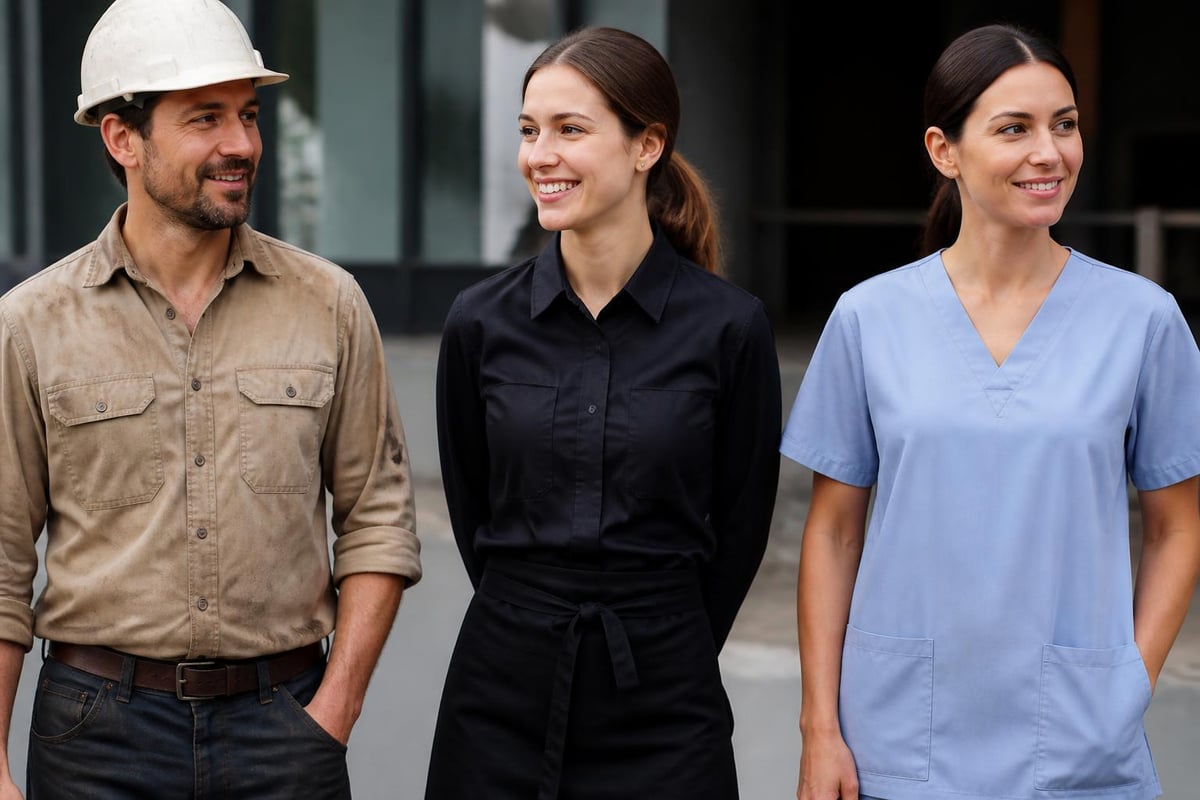
Healthcare settings require workwear shirts meeting infection control standards. Antimicrobial fabrics that withstand frequent high-temperature laundering prevent cross-contamination whilst maintaining garment integrity. Fluid-resistant treatments protect wearers from splashes whilst remaining breathable for extended shift comfort.
Technical Innovations in 2026
Contemporary workwear shirts increasingly incorporate smart textile technologies. Moisture-activated cooling fabrics utilise endothermic reactions to reduce surface temperature when perspiration occurs. This innovation proves transformative for workers in hot environments, reducing heat stress incidents whilst improving sustained performance capacity.
UV protection has become standard in outdoor workwear shirts, with many garments offering UPF 50+ ratings. The Snickers 8520 LiteWork Wicking Short Sleeve Shirt exemplifies this trend, combining sun protection with lightweight construction ideal for summer conditions. These protective treatments prevent skin damage during prolonged sun exposure without requiring additional sunscreen application to covered areas.
Environmental sustainability drives significant innovation within workwear manufacturing. Recycled polyester derived from post-consumer plastic bottles now features in numerous workwear shirt ranges, reducing environmental impact without compromising performance characteristics. Eco-friendly workwear options demonstrate that environmental responsibility and durability need not conflict.
Customisation and Branding Opportunities
Corporate identity integration through embroidery or printing transforms workwear shirts into powerful marketing assets. Professional branding creates immediate recognition whilst fostering team cohesion and employee pride. The quality of application significantly impacts both aesthetic appeal and garment longevity.
Embroidery offers superior durability compared to printed applications, maintaining crisp definition through countless laundry cycles. This method suits logos with moderate detail levels, delivering premium appearance that reflects positively on brand perception. Chest placement remains most popular, though sleeve embroidery and back positioning serve specific communication objectives.
For businesses requiring polo shirts with company logos, professional embroidery services ensure consistent brand representation across your workforce. The dimensional quality of embroidered logos conveys professionalism that flat printing cannot replicate, particularly important for customer-facing roles.
| Customisation Method | Durability | Detail Level | Cost Per Unit | Best Applications |
|---|---|---|---|---|
| Embroidery | Excellent | Moderate | Medium-High | Long-term uniforms, professional branding |
| Screen Printing | Good | High | Low-Medium | Large orders, detailed designs |
| Digital Transfer | Moderate | Very High | Medium | Small batches, photographic images |
| Vinyl Application | Good | Low-Moderate | Low | Simple text, temporary branding |
Screen printing accommodates highly detailed designs across larger surface areas, making it ideal for promotional workwear or event-specific applications. Modern inks maintain colour vibrancy whilst remaining flexible through garment movement. However, certain printing methods may degrade faster than embroidery when subjected to industrial laundering processes.
Understanding embroidery versus screen printing helps businesses select appropriate methods matching their specific requirements, budget constraints, and expected garment lifespan. Some organisations employ multiple techniques strategically, using embroidery for permanent staff uniforms whilst screen printing seasonal or promotional items.
Placement Strategy for Maximum Impact
Logo positioning dramatically influences brand visibility and garment functionality. Left chest placement provides universal recognition whilst maintaining professional appearance. This position remains visible during most work activities without interfering with safety equipment or tool belts.
Back yoke embroidery creates striking visual impact, particularly valuable for workers who spend significant time with their backs to customers or the public. Construction teams, warehouse staff, and delivery drivers benefit from this prominent positioning that turns every employee into a mobile advertisement.
Sleeve embroidery offers additional branding opportunities without competing with chest logos. Many organisations display company names on the left chest whilst positioning department identifications, certifications, or safety messages on sleeves. Adding logos to workwear effectively requires balancing visibility with aesthetic restraint.
Fit Considerations and Size Range Inclusivity
Proper fit directly impacts both safety and comfort. Overly tight workwear shirts restrict movement and accelerate fabric fatigue at stress points. Conversely, excessively loose garments create snag hazards around machinery whilst presenting unprofessional appearance. Modern manufacturers offer extensive size ranges accommodating diverse body types without compromising design integrity.
Regular fit workwear shirts provide comfortable room through the torso and sleeves, suitable for layering over base garments during colder months. This traditional cut accommodates workers who prioritise freedom of movement or prefer looser-fitting professional attire. Most construction and trades workers find regular fit ideal for their requirements.
Slim fit options increasingly feature in hospitality and retail-focused workwear ranges. These garments create contemporary silhouettes without restricting movement, appealing to younger workforces and customer-facing roles where modern styling complements brand positioning. However, slim fits typically accommodate less layering, limiting suitability for outdoor winter applications.
Athletic and muscle fit specifications recognise that many workers maintain fitness regimens creating non-standard proportions. These cuts provide room through shoulders and chest whilst tapering through the waist, preventing the billowing appearance that traditional fits create on athletic builds. Offering multiple fit options demonstrates commitment to employee comfort and satisfaction.
Gender-Specific and Unisex Design Approaches
Progressive workwear manufacturers now offer genuinely designed women's workwear shirts rather than simply scaling down men's patterns. Female-specific cuts accommodate different shoulder widths, torso lengths, and body contours, delivering superior comfort and professional appearance. This approach recognises workforce diversity whilst addressing practical fit requirements.
Unisex workwear shirts provide cost-effective solutions for smaller organisations or roles with minimal gender-related fit requirements. Modern unisex designs incorporate adjustable features like roll-tab sleeves and articulated cuts that accommodate varying body types more successfully than traditional approaches. However, for maximum employee satisfaction, dedicated gender-specific ranges remain preferable where budgets permit.
Maternity workwear represents an emerging category, though many industries still lack adequate provision. Expectant employees deserve safe, comfortable workwear shirts that accommodate changing body shapes throughout pregnancy. Forward-thinking organisations recognise that supporting employees during this period demonstrates genuine commitment to workplace welfare beyond regulatory minimums.
Maintenance and Longevity Optimisation
Investment in quality workwear shirts only proves economical when garments receive appropriate care. Industrial laundering processes differ significantly from domestic washing, often employing higher temperatures and more aggressive detergents. Workwear shirts must withstand these conditions whilst maintaining appearance and protective properties.
The Stretch Technical Ripstop Work Shirt demonstrates how advanced fabrics deliver exceptional durability when properly maintained. Manufacturers typically provide specific care instructions balancing hygiene requirements against fabric preservation. Following these guidelines prevents premature degradation whilst ensuring compliance with relevant safety certifications.
Pre-treatment of stains before laundering significantly improves removal success rates, particularly for oil, grease, and protein-based contaminants common in workwear applications. Specialist workwear detergents incorporate enzymes and surfactants formulated specifically for industrial soiling, outperforming standard domestic products substantially.
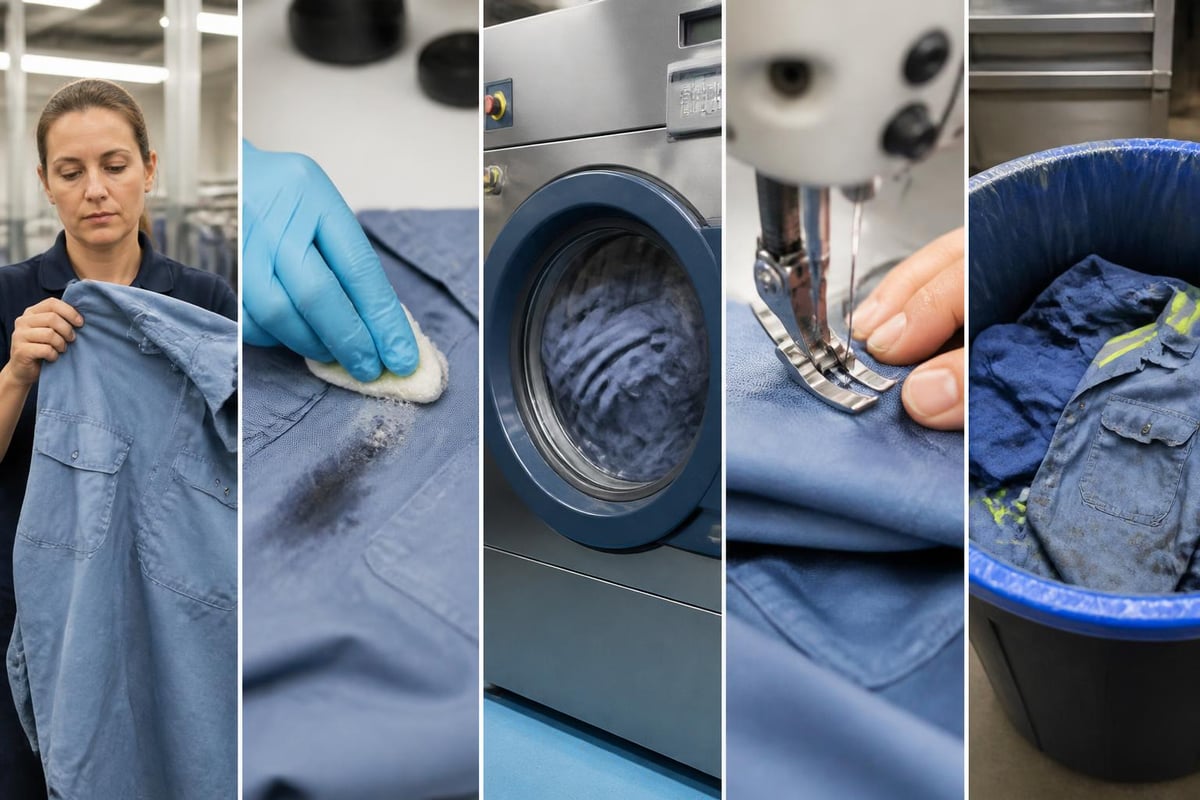
Regular inspection protocols identify minor damage before it progresses to garment failure. Small tears or loose buttons addressed promptly prevent escalation into costly replacements. Some organisations maintain in-house repair capabilities, extending garment life whilst reducing procurement expenses. Caring for embroidered workwear requires particular attention to preserve decorative elements through repeated laundering.
Replacement Cycles and Inventory Management
Establishing appropriate replacement schedules balances professional appearance against budget constraints. High-visibility workwear shirts require retirement when retroreflective elements deteriorate below certified performance levels, regardless of fabric condition. Most manufacturers recommend maximum service lives for safety-critical garments.
Rotating inventory distributes wear across multiple garments rather than concentrating it on favourites. Providing each employee with sufficient workwear shirts for weekly rotation prevents daily laundering that accelerates fabric degradation. Three to five shirts per person typically supports adequate rotation whilst managing procurement costs effectively.
Tracking garment lifecycles through asset management systems optimises replacement timing. Digital solutions monitor issue dates, laundering frequency, and inspection outcomes, triggering procurement processes before inventory depletion creates shortages. This proactive approach prevents rushed purchasing decisions that often compromise value optimisation.
Procurement Strategies for Different Business Scales
Small businesses often benefit from relationship-based procurement with local suppliers offering personalised service. These partnerships facilitate quick turnarounds for replacement items whilst supporting community economic development. Buying work uniforms locally also reduces environmental impact through minimised transportation.
Volume purchasing unlocks significant economies of scale for larger organisations. Consolidated annual orders negotiate better pricing whilst ensuring consistent specifications across the workforce. However, bulk buying requires accurate forecasting to prevent obsolescence through sizing changes or design evolution.
Framework agreements establish long-term relationships with suppliers, securing predictable pricing whilst maintaining procurement flexibility. These arrangements suit mid-sized organisations requiring regular replenishment without massive single orders. Frameworks also streamline administrative processes, reducing procurement department workloads substantially.
Sustainability Considerations in Procurement Decisions
Environmental consciousness increasingly influences purchasing decisions. The eco CHILL High Visibility Safety Shirt exemplifies how sustainability and functionality coexist in modern workwear design, incorporating recycled materials without compromising safety compliance. Progressive organisations recognise that environmental responsibility resonates with both employees and customers.
Lifecycle costing evaluates total ownership expenses rather than simply comparing initial purchase prices. Higher-quality workwear shirts commanding premium prices often deliver superior durability, reducing replacement frequency and total expenditure over time. This analytical approach supports informed decision-making beyond superficial cost comparisons.
Circular economy principles encourage manufacturers to design workwear shirts facilitating end-of-life recycling. Some suppliers now operate take-back schemes, recovering worn garments for material reclamation. Participating in these programmes demonstrates corporate environmental commitment whilst potentially securing financial incentives or procurement discounts.
Emerging Trends Shaping Future Developments
Robotic manufacturing automation increasingly influences workwear shirt production. Research into automated fabric handling demonstrates significant potential for enhanced consistency and reduced production costs. These advances may democratise access to premium workwear features previously restricted to luxury price points.
Wearable technology integration represents another frontier. Experimental workwear shirts now incorporate biometric sensors monitoring wearer fatigue, heat stress, or hazardous gas exposure. Whilst currently niche applications, these innovations may become mainstream safety features as technology costs decrease and reliability improves.
Personalisation beyond simple branding evolves toward truly customised garments manufactured to individual specifications. Advanced manufacturing techniques including automated cutting and sewing enable economic production of single-unit orders. This capability could transform procurement strategies, eliminating inventory holding costs whilst perfectly accommodating each employee's requirements.
The modelling of fabric filtration efficiency provides insights relevant to developing workwear shirts with enhanced protective capabilities against airborne contaminants. Post-pandemic awareness of respiratory hazards may drive demand for workwear incorporating filtration properties without requiring separate respiratory protection equipment.
Smart Fabric Development
Temperature-regulating fabrics using phase-change materials actively manage microclimate within garments. These advanced textiles absorb excess heat during exertion, releasing it during rest periods to maintain optimal body temperature. The Ariat Rebar Made Tough VentTEK DuraStretch Work Shirt incorporates similar ventilation technologies, demonstrating how innovation enhances worker comfort in demanding environments.
Self-cleaning fabric treatments represent another emerging category. Photocatalytic coatings decompose organic contaminants when exposed to light, reducing laundering frequency whilst maintaining hygiene standards. These technologies particularly benefit remote workers or roles with limited access to laundry facilities.
Colour-changing indicators responding to environmental conditions could transform safety monitoring. Fabrics that visibly alter when exposed to excessive heat, harmful chemicals, or dangerous radiation levels provide immediate visual warnings supplementing electronic monitoring systems. Integration of such features into standard workwear shirts may revolutionise occupational safety practices.
Selection Framework for Optimal Specification
Developing comprehensive workwear shirt specifications requires balancing multiple competing priorities. Risk assessment outcomes provide the foundation, identifying mandatory safety features and compliance requirements. These non-negotiable elements establish baseline specifications from which further refinement proceeds.
Employee consultation captures practical insights regarding comfort, functionality, and design preferences. Workers intimately understand their daily requirements, often identifying features that desk-based procurement teams overlook. Structured feedback mechanisms ensure their perspectives inform specification development rather than simply validating predetermined decisions.
Budget constraints inevitably influence final selections, though framing these discussions around total lifecycle costs rather than purchase prices yields more sustainable outcomes. Demonstrating how premium workwear shirts reduce replacement frequency and improve employee satisfaction helps justify higher initial investments to financial decision-makers. The benefits of high-quality workwear extend well beyond simple garment costs.
Selecting appropriate workwear shirts requires balancing safety compliance, employee comfort, brand representation, and budget management across diverse operational requirements. Understanding fabric technologies, regulatory frameworks, and industry-specific demands ensures your workforce receives garments supporting their professional success whilst protecting their wellbeing. Whether you need high-visibility shirts for construction teams, antimicrobial options for healthcare staff, or branded garments for hospitality professionals, Cobra Workwear combines extensive product knowledge with in-house embroidery capabilities to deliver workwear solutions perfectly matched to your specific requirements. Contact us today to discuss how our expertise can enhance your workplace performance through superior workwear provision.
