

Selecting appropriate work shirts for your team requires careful consideration of multiple factors, from fabric performance to professional presentation. The right choice enhances employee comfort, projects a polished company image, and withstands the rigours of daily work across diverse industries. Whether you're outfitting a construction crew, hospitality staff, or healthcare professionals, understanding the nuances of work shirt selection ensures your investment delivers lasting value whilst meeting specific workplace demands.
Understanding Work Shirt Fabric Fundamentals
The foundation of any quality work shirt lies in its fabric composition. Modern work shirts utilise various materials, each offering distinct advantages depending on the work environment and job requirements.
Cotton Work Shirts
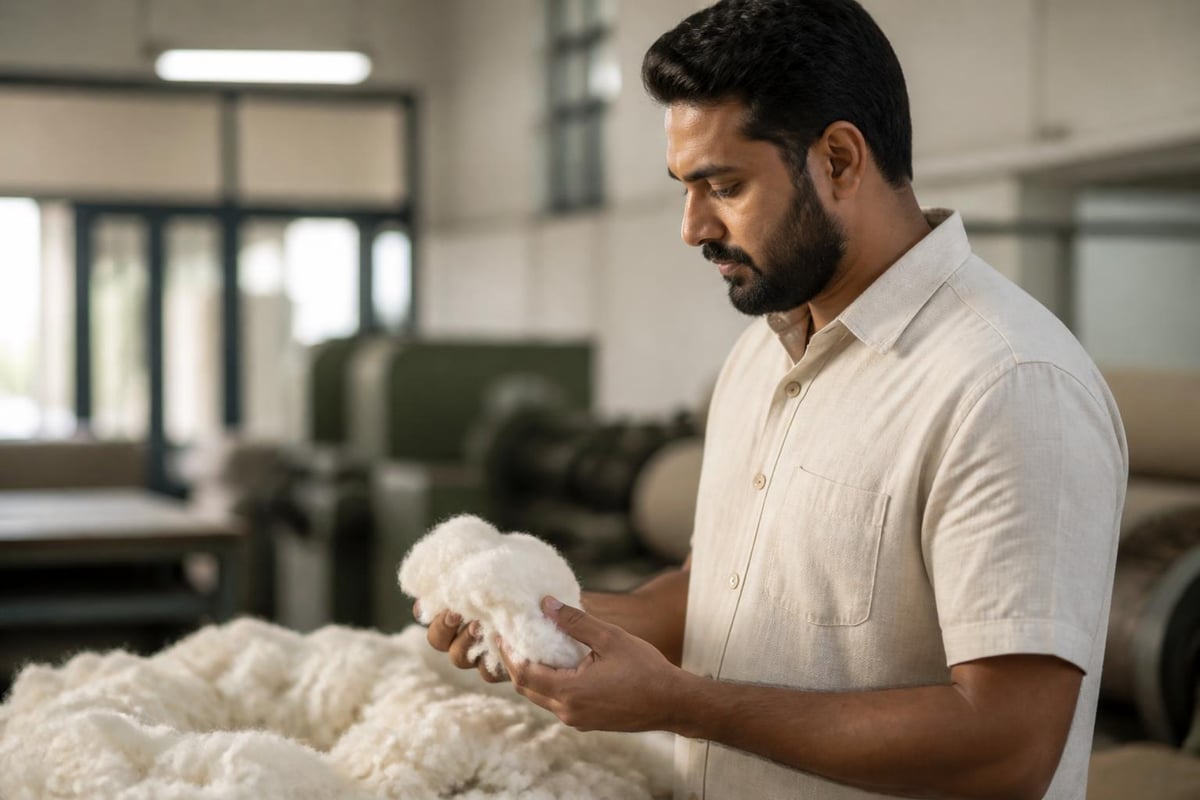
Pure cotton remains a popular choice for work shirts due to its natural breathability and comfort. Cotton fibres allow air circulation, helping regulate body temperature during physical activity. This natural material absorbs moisture effectively, though it may take longer to dry compared to synthetic alternatives. Choosing the right work shirt fabric involves weighing the superior comfort of cotton against its maintenance requirements and durability considerations.
The main advantages of cotton include:
- Exceptional softness against the skin
- Natural hypoallergenic properties
- Excellent breathability for temperature regulation
- Professional appearance that improves with proper care
However, pure cotton work shirts require more frequent ironing and may shrink if not washed correctly. They also tend to retain moisture longer than synthetic blends, which can be uncomfortable in humid conditions.
Polyester and Synthetic Blends
Synthetic fabrics have transformed the work shirt market by offering enhanced durability and easy-care properties. Polyester work shirts resist wrinkles, maintain their shape through repeated washing, and dry quickly. Many workwear fabrics combine polyester with natural fibres to create blends that capture the benefits of both materials.
Poly-cotton blends typically range from 35% cotton/65% polyester to 65% cotton/35% polyester ratios. The higher the polyester content, the more durable and wrinkle-resistant the garment becomes. Conversely, increased cotton content enhances comfort and breathability.
| Fabric Blend | Durability | Comfort | Maintenance | Best For |
|---|---|---|---|---|
| 100% Cotton | Moderate | Excellent | High | Office environments, light duties |
| 65/35 Poly-Cotton | High | Good | Low | General workwear, outdoor roles |
| 50/50 Poly-Cotton | Very High | Moderate | Very Low | Heavy-duty applications, industrial settings |
| Performance Blends | Excellent | Very Good | Low | Active roles, temperature-variable environments |
Specialist Work Shirt Materials
Beyond basic cotton and polyester, specialist materials serve specific workplace needs. Twill weave fabrics create diagonal patterns that enhance durability whilst maintaining flexibility. Ripstop materials incorporate reinforced threads at regular intervals, preventing small tears from spreading. Heavy-duty work shirts utilise these advanced constructions without sacrificing wearability.
Oxford cloth provides a textured appearance suitable for professional settings whilst offering excellent durability. Chambray delivers a smart casual aesthetic appropriate for customer-facing roles. Performance fabrics incorporate moisture-wicking technology, drawing perspiration away from the skin and dispersing it across the fabric surface for rapid evaporation.
Selecting Work Shirts for Different Industries
Work shirt requirements vary significantly across sectors, with each industry presenting unique challenges and expectations.
Construction and Trade Work Shirts
Construction environments demand robust work shirts that withstand abrasion, dirt, and potential snags. High-strength fabrics with reinforced stitching at stress points prove essential. Many trade professionals prefer darker colours that conceal dirt and stains effectively throughout the working day.
Key features include:
- Double-stitched seams for enhanced durability
- Reinforced elbows and shoulders
- Generous cut allowing freedom of movement
- Practical pocket configurations for tools and devices
Hospitality Work Shirts
The hospitality sector requires work shirts that balance professional appearance with comfort during long shifts. Staff members frequently interact with customers, making presentation paramount. Fabrics must resist creasing whilst remaining breathable during busy service periods.
Smart polo shirts with embroidered company logos offer an excellent solution for hospitality teams, providing a polished yet practical uniform option that maintains brand consistency across all customer touchpoints.
Healthcare Work Shirts
Healthcare environments necessitate work shirts that meet stringent hygiene standards whilst ensuring comfort during extended wear. Antimicrobial treatments prevent bacterial growth, whilst colourfast fabrics withstand repeated high-temperature washing. Understanding different materials helps healthcare facilities select appropriate options for various roles.

Technical Specifications and Performance Features
Modern work shirts incorporate sophisticated features that enhance functionality and wearer comfort throughout demanding shifts.
Moisture Management Technology
Advanced moisture-wicking fabrics transport perspiration away from the body through capillary action. The fabric structure creates channels that pull moisture to the outer surface where it evaporates quickly. This technology proves particularly valuable in physically demanding roles or warm environments.
Performance work shirts often feature mesh panels in strategic locations for enhanced ventilation. These breathable zones typically appear under arms, across the back, or along sides where heat accumulation occurs most readily.
UV Protection and Weather Resistance
Outdoor workers benefit from work shirts offering ultraviolet protection. UPF-rated fabrics block harmful solar radiation, reducing skin exposure during prolonged outdoor activity. Water-resistant treatments allow work shirts to repel light rain whilst maintaining breathability.
Antimicrobial and Odour Control
Antimicrobial treatments inhibit bacterial growth within fabric fibres, reducing odour development during wear. This feature extends the time between necessary washing whilst maintaining freshness. Silver ion technology and other treatments provide lasting protection through numerous wash cycles.
Sizing, Fit and Comfort Considerations
Proper fit significantly impacts work shirt performance and employee satisfaction. Ill-fitting garments restrict movement, cause discomfort, and project an unprofessional image.
Understanding Size Charts
Work shirt sizing varies between manufacturers, making it essential to consult specific size charts rather than relying solely on standard measurements. British sizing conventions differ from European and American standards, potentially causing confusion when sourcing from international suppliers.
Key measurements include:
- Chest circumference - measured around the fullest part
- Shoulder width - from shoulder seam to shoulder seam
- Sleeve length - from shoulder seam to cuff
- Body length - from highest shoulder point to hem
- Neck size - for collared work shirts requiring button closure
Regular, Slim and Relaxed Fits
Work shirts come in various fit profiles suited to different body types and preferences. Regular fit offers a classic silhouette with adequate room through the chest and waist. Slim fit tapers more closely to the body, creating a modern appearance suitable for office environments. Relaxed fit provides generous proportions for maximum comfort and movement, ideal for physically demanding roles.
Consider providing multiple fit options within your uniform programme, allowing employees to select styles that suit their individual preferences whilst maintaining consistent appearance across the team.
Gender-Specific Considerations
Women's workwear requires thoughtful consideration of fit differences. Female-specific work shirts feature adjusted shoulder placement, waist tapering, and appropriate length proportions. Offering properly fitted options for all team members demonstrates inclusivity whilst ensuring comfort and professional presentation.
Branding and Customisation Options
Customised work shirts transform standard garments into powerful branding tools that enhance company recognition and team cohesion.
Embroidery vs Printing
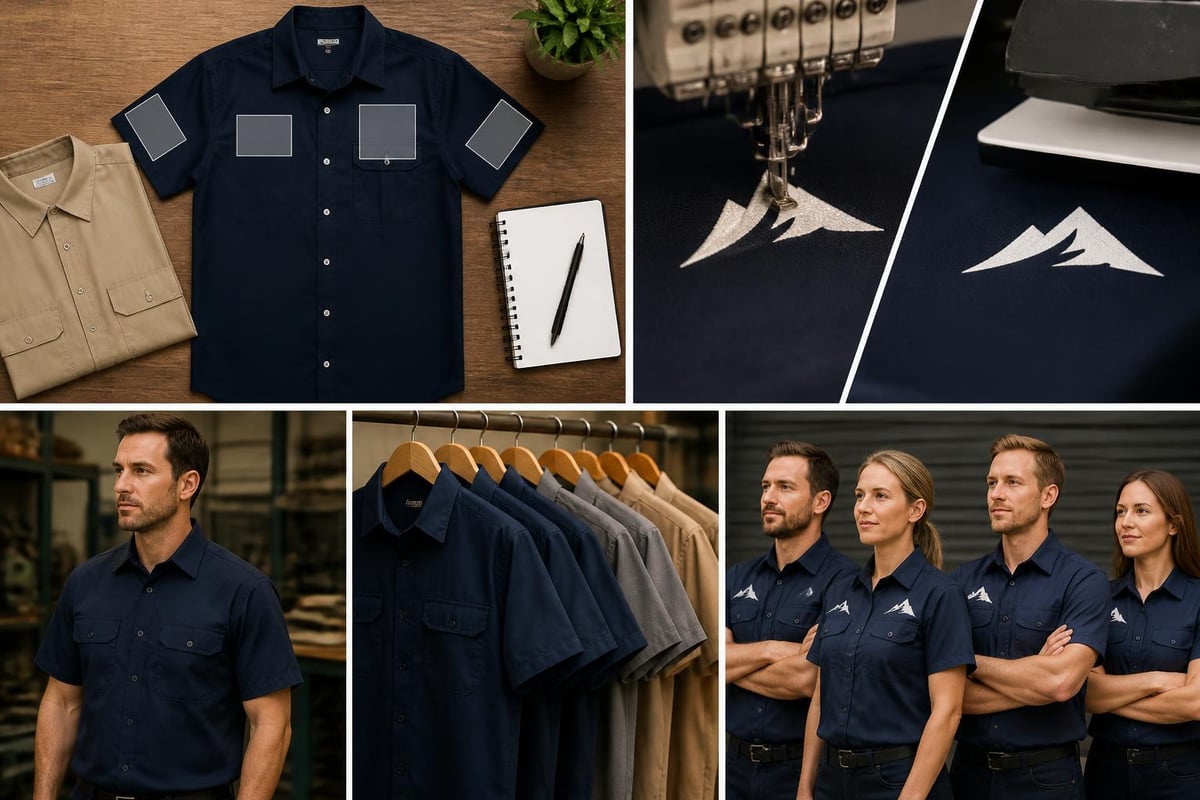
Embroidery creates a premium, durable finish ideal for company logos and branding elements. The raised, textured appearance conveys quality whilst withstanding countless wash cycles without fading or deterioration. Embroidery works particularly well on polo shirts, oxford shirts, and other structured work shirt styles.
Printing offers versatility for complex designs, photographs, or large-scale graphics. Modern printing techniques produce vibrant colours and fine detail, though durability varies depending on the method employed. Screen printing provides excellent longevity for simple designs, whilst direct-to-garment printing accommodates intricate artwork.
| Customisation Method | Durability | Detail Level | Cost per Unit | Best Applications |
|---|---|---|---|---|
| Embroidery | Excellent | Moderate | Higher | Logos, text, small designs |
| Screen Printing | Very Good | Good | Moderate | Simple graphics, large orders |
| Direct-to-Garment | Good | Excellent | Higher | Complex images, small batches |
| Heat Transfer | Moderate | Very Good | Lower | Names, numbers, temporary use |
Logo Placement Strategies
Strategic logo placement maximises visibility whilst maintaining professional aesthetics. Left chest positioning remains the traditional standard, providing clear brand identification during face-to-face interactions. Sleeve placement offers an alternative that stands out during movement, whilst back placement creates impact from behind.
Consider the nature of your business and typical customer interactions when determining optimal logo placement. Multiple placements increase brand exposure but may overwhelm the garment design if not carefully balanced.
Maintenance and Longevity
Proper care extends work shirt lifespan, protecting your investment whilst ensuring consistent professional appearance.
Washing and Care Instructions
Different work shirt materials require specific care approaches. Cotton work shirts tolerate higher wash temperatures but may require ironing. Polyester blends wash at moderate temperatures and often emerge wrinkle-free from the dryer. Always separate work shirts by colour during initial washes to prevent dye transfer.
Recommended washing practices include:
- Turn garments inside out to protect outer surfaces and printed designs
- Use appropriate water temperature for fabric type
- Avoid overloading washing machines to ensure thorough cleaning
- Remove work shirts promptly after washing to minimise creasing
- Air dry when possible to reduce wear from tumble drying
Stain Treatment and Removal
Different workplace environments create specific staining challenges. Oil-based stains require pre-treatment with degreasing agents before washing. Protein-based stains respond best to enzymatic cleaners. Prompt treatment prevents stains from setting permanently.
Maintaining a stain removal kit on-site allows immediate treatment of spills and marks, significantly improving removal success rates. Include appropriate products for the most common stains encountered in your specific work environment.
Cost Considerations and Budget Planning
Balancing quality with budget constraints requires strategic thinking about total cost of ownership rather than focusing solely on initial purchase price.
Price Points and Quality Tiers
Work shirts span a wide price range reflecting differences in materials, construction quality, and brand positioning. Entry-level options suit temporary needs or very high-turnover environments. Mid-range work shirts offer excellent value, combining decent quality with reasonable pricing. Premium options justify higher costs through superior materials, construction, and longevity.
Calculate cost-per-wear by dividing purchase price by estimated garment lifespan. A £25 work shirt lasting two years costs significantly less per wear than a £10 shirt requiring replacement after six months.
Bulk Purchasing Strategies
Ordering work shirts in larger quantities typically reduces per-unit costs substantially. Many suppliers offer tiered pricing structures with discounts increasing at specific quantity thresholds. Plan uniform requirements across fiscal periods to consolidate orders and maximise savings.
Consider establishing relationships with reliable suppliers who understand your specific needs and can provide consistent quality across repeat orders. This approach simplifies reordering whilst ensuring colour and sizing consistency.
Sustainability and Ethical Considerations
Environmental and social responsibility increasingly influence purchasing decisions as businesses recognise their broader impact.
Sustainable Fabric Choices
Organic cotton production eliminates synthetic pesticides and fertilisers, reducing environmental impact compared to conventional cotton farming. Recycled polyester diverts plastic waste from landfills, transforming it into durable work shirt fibres. Understanding workwear fabrics helps identify sustainable options that align with corporate responsibility goals.
Bamboo-derived fabrics offer natural antimicrobial properties and rapid growth rates, though processing methods vary in environmental friendliness. Hemp provides exceptional durability with minimal agricultural inputs, making it an increasingly viable work shirt material.
Ethical Manufacturing Standards
Fair labour practices throughout the supply chain ensure workers receive appropriate wages and safe working conditions. Certifications such as Fair Trade, GOTS (Global Organic Textile Standard), and OEKO-TEX verify compliance with ethical and environmental standards.
Sourcing work shirts from UK-based suppliers reduces transportation emissions whilst supporting domestic manufacturing. Exploring workwear options from established UK providers offers transparency regarding production practices and quality standards.
Safety and Regulatory Compliance
Certain industries require work shirts meeting specific safety standards to protect employees from workplace hazards.
High-Visibility Requirements
High-visibility work shirts incorporate fluorescent colours and retroreflective materials, ensuring workers remain visible in low-light conditions or near moving vehicles. British and European standards specify minimum areas of fluorescent and reflective material based on garment classification. High-visibility clothing must meet EN ISO 20471 standards for professional use.
Class 1 garments suit low-risk environments with good visibility and slow-moving traffic. Class 2 provides enhanced visibility for moderate-risk situations. Class 3 offers maximum visibility for high-risk environments such as motorways or night work.
Flame-Resistant Work Shirts
Environments with fire or heat exposure require flame-resistant (FR) work shirts that self-extinguish when ignition sources are removed. FR fabrics either incorporate inherently flame-resistant fibres or receive chemical treatments providing protective properties. These specialist work shirts must meet relevant standards such as EN ISO 11612 for heat and flame protection.
Industry-Specific Standards
Food preparation environments require work shirts meeting hygiene standards, typically including provisions for secure button fastenings that won't detach into food. Healthcare settings may specify antimicrobial treatments and specific colour coding for different roles.
Understanding applicable regulations ensures your work shirt selection provides necessary protection whilst maintaining compliance with legal requirements. Regular reviews of safety standards help identify when updates or replacements become necessary.
Selecting appropriate work shirts involves balancing multiple factors including fabric performance, industry requirements, branding opportunities, and budget considerations. Making informed decisions ensures your team benefits from comfortable, durable garments that project professionalism whilst meeting specific workplace demands. Cobra Workwear offers comprehensive workwear solutions with in-house embroidery and printing services, helping businesses across construction, hospitality, healthcare, and beyond create cohesive, professional team uniforms tailored to their exact requirements.
