

Professional wear has undergone a significant transformation in recent years, moving beyond traditional suits and rigid dress codes to embrace diversity, functionality, and personal expression. In 2026, the landscape of workplace attire reflects changing attitudes towards comfort, inclusivity, and brand identity whilst maintaining the polished appearance essential for business success. Understanding the nuances of professional wear helps employees and employers create environments where everyone feels confident, comfortable, and appropriately dressed for their roles.
Understanding Modern Professional Wear Standards
The definition of professional wear varies considerably across industries, roles, and organisational cultures. What constitutes appropriate attire in a corporate law firm differs substantially from expectations in creative agencies, construction sites, or hospitality venues. According to Norfolk State University's Career Services guidelines, professional presence encompasses not only clothing choices but also grooming, accessories, and overall presentation.
Traditional professional wear typically includes tailored suits, pressed shirts, polished shoes, and conservative accessories. However, modern interpretations allow for greater flexibility whilst maintaining professionalism. Business casual has become increasingly accepted in many corporate environments, featuring smart trousers, collared shirts, and appropriate footwear without requiring full suits.
Industry-Specific Professional Wear Requirements
Different sectors demand distinct approaches to professional dress:
- Corporate and Financial Services: Traditional business formal remains predominant, with suits, ties, and formal shoes expected in client-facing roles
- Construction and Trade Industries: Durable, safety-compliant workwear with high-visibility elements and protective features takes priority
- Hospitality and Service: Smart, comfortable uniforms that project professionalism whilst allowing freedom of movement
- Healthcare: Hygienic, easily laundered garments meeting infection control standards alongside professional presentation
- Creative and Technology: Business casual to smart casual, often prioritising personal expression within professional boundaries
The University of Memphis Career Services provides detailed guidance on professional attire choices, emphasising the importance of context-appropriate selections that reflect both individual style and organisational expectations.

Building a Professional Wardrobe Foundation
Creating a versatile professional wardrobe requires strategic investment in quality pieces that combine durability with style. Rather than accumulating numerous trendy items, focus on building a capsule wardrobe of timeless essentials that mix and match effectively.
Core wardrobe components include well-fitted trousers in neutral colours, quality shirts or blouses, appropriate outerwear, and comfortable professional footwear. Washington State University emphasises that well-fitted, clean, and appropriate attire significantly impacts professional perception.
Essential Pieces for Professional Success
| Category | Men | Women |
|---|---|---|
| Tops | Dress shirts, polo shirts, smart knitwear | Blouses, shirts, professional jumpers |
| Bottoms | Tailored trousers, chinos | Trousers, skirts, smart dresses |
| Outerwear | Blazers, smart jackets | Blazers, cardigans, tailored coats |
| Footwear | Leather shoes, smart boots | Courts, loafers, professional boots |
Quality fabrics prove essential for maintaining professional appearance throughout demanding workdays. Natural fibres like cotton and wool offer breathability and durability, whilst technical fabrics provide wrinkle resistance and easy care properties. When selecting workwear, consider how pieces will perform after repeated washing and extended wear.
For businesses requiring branded professional wear, Polo Shirts offer an excellent balance between professional appearance and practical comfort, particularly when customised with embroidered company logos that reinforce brand identity without compromising style.
Professional Wear Trends Shaping 2026
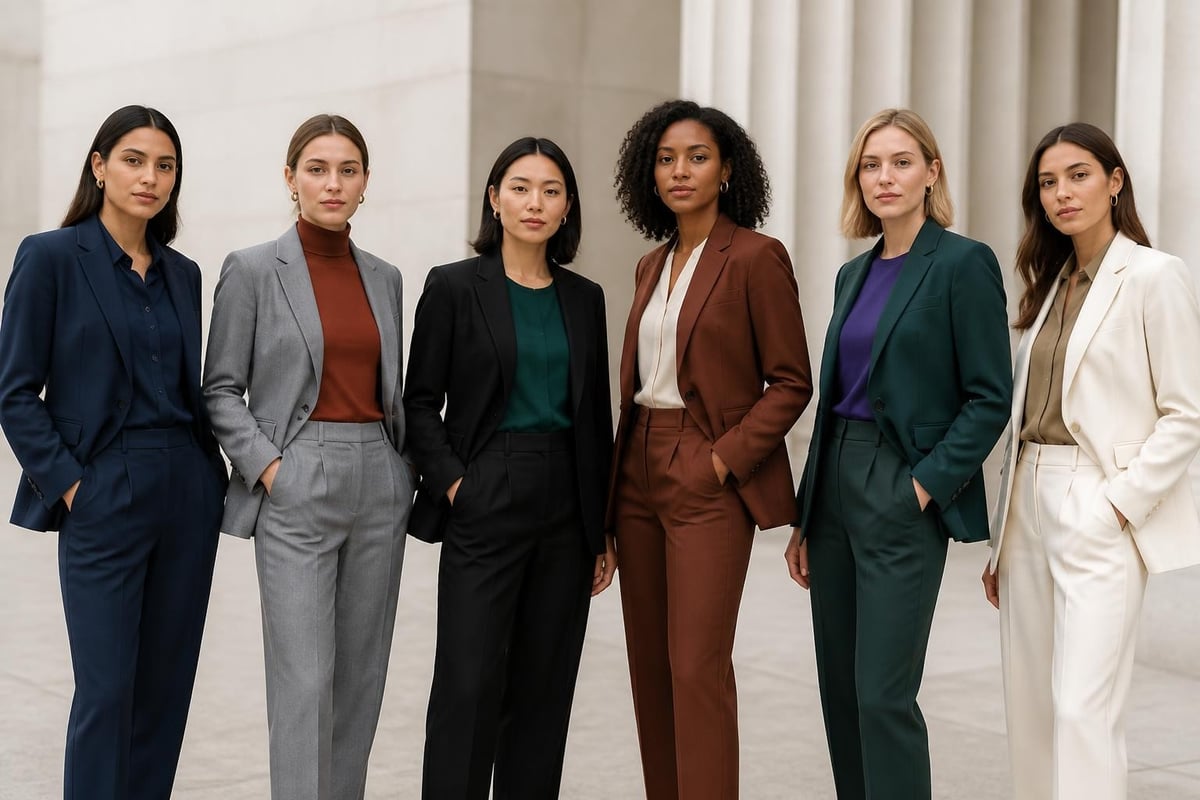
Modern professional wear reflects broader cultural shifts towards sustainability, inclusivity, and work-life integration. FashionBent highlights how 2026 workwear emphasises comfort, personal expression, and environmental responsibility whilst maintaining polished professionalism.
Contemporary professional wear trends include:
- Sustainable and Ethical Fashion: Increased demand for workwear manufactured from organic, recycled, or sustainably sourced materials
- Gender-Neutral Options: Breaking from traditional gendered categories to offer inclusive sizing and style options
- Hybrid Work Adaptability: Pieces that transition seamlessly between home offices, client meetings, and professional events
- Bold Accessories: Statement pieces that add personality whilst maintaining professional boundaries
- Comfort-Forward Design: Incorporating stretch fabrics, ergonomic cuts, and breathable materials into professional silhouettes
According to Who What Wear's 2026 fashion trends, power suiting remains relevant but with updated proportions, colours, and styling approaches that feel contemporary rather than corporate.
Personalising Professional Wear with Branding
For organisations across healthcare, hospitality, construction, and corporate sectors, branded professional wear serves multiple functions beyond mere clothing. It establishes visual cohesion, reinforces brand identity, and creates immediate recognition amongst clients and customers. Understanding how to add logos to workwear that enhance rather than detract from professional appearance requires careful consideration.
Embroidery and printing techniques offer distinct advantages depending on garment type, usage environment, and desired aesthetic. High-quality embroidery provides durability and premium appearance suited to client-facing roles, whilst screen printing offers cost-effectiveness for larger orders and casual workwear applications.
Considerations for Branded Professional Wear
Logo Placement Options:
- Left chest: Traditional, subtle, professional
- Back: High visibility, team identification
- Sleeve: Modern alternative to chest placement
- Multiple locations: Maximum brand exposure
Colour Coordination:
- Select thread colours complementing garment tones
- Maintain brand consistency across all pieces
- Consider visibility against fabric colours
- Balance boldness with professional restraint
The quality of customisation directly impacts how professional wear reflects organisational standards. Poorly executed branding undermines otherwise excellent attire, whilst professional embroidery services ensure consistent, durable results that withstand commercial laundering and daily wear.
Seasonal Adaptations for Professional Wear
British weather demands professional wardrobes that accommodate temperature fluctuations, rain, and seasonal variations whilst maintaining appropriate appearance. Summer professional wear particularly challenges the balance between comfort and formality, as Who What Wear's summer wardrobe guidance demonstrates through breathable fabrics and smart layering options.
Summer professional wear strategies include lightweight cotton and linen fabrics, breathable weaves, and moisture-wicking properties for active roles. Layering remains essential even during warmer months, allowing adjustment to air-conditioned offices and outdoor meetings. Short-sleeved shirts, lightweight trousers, and breathable footwear maintain professionalism without causing discomfort.
Winter professional wear requires insulating layers, weather-resistant outerwear, and appropriate footwear for wet conditions. Smart coats, professional scarves, and quality knitwear layer over core professional pieces, ensuring warmth without sacrificing polished appearance. Indoor-outdoor transitions necessitate removable layers that don't create bulky, unprofessional silhouettes.
Maintaining Professional Wear Quality
Investment in quality professional wear only proves worthwhile when garments receive proper care extending their lifespan and maintaining appearance. Understanding how to care for workwear ensures maximum return on wardrobe investments whilst consistently presenting professional image.
| Maintenance Task | Frequency | Purpose |
|---|---|---|
| Laundering | After each wear (shirts) or as needed | Remove soil, odours, bacteria |
| Pressing/Steaming | Before wearing | Eliminate wrinkles, restore shape |
| Stain Treatment | Immediately | Prevent permanent marking |
| Professional Cleaning | Quarterly | Deep clean, restore finish |
| Repairs | As damage occurs | Extend garment life, maintain appearance |
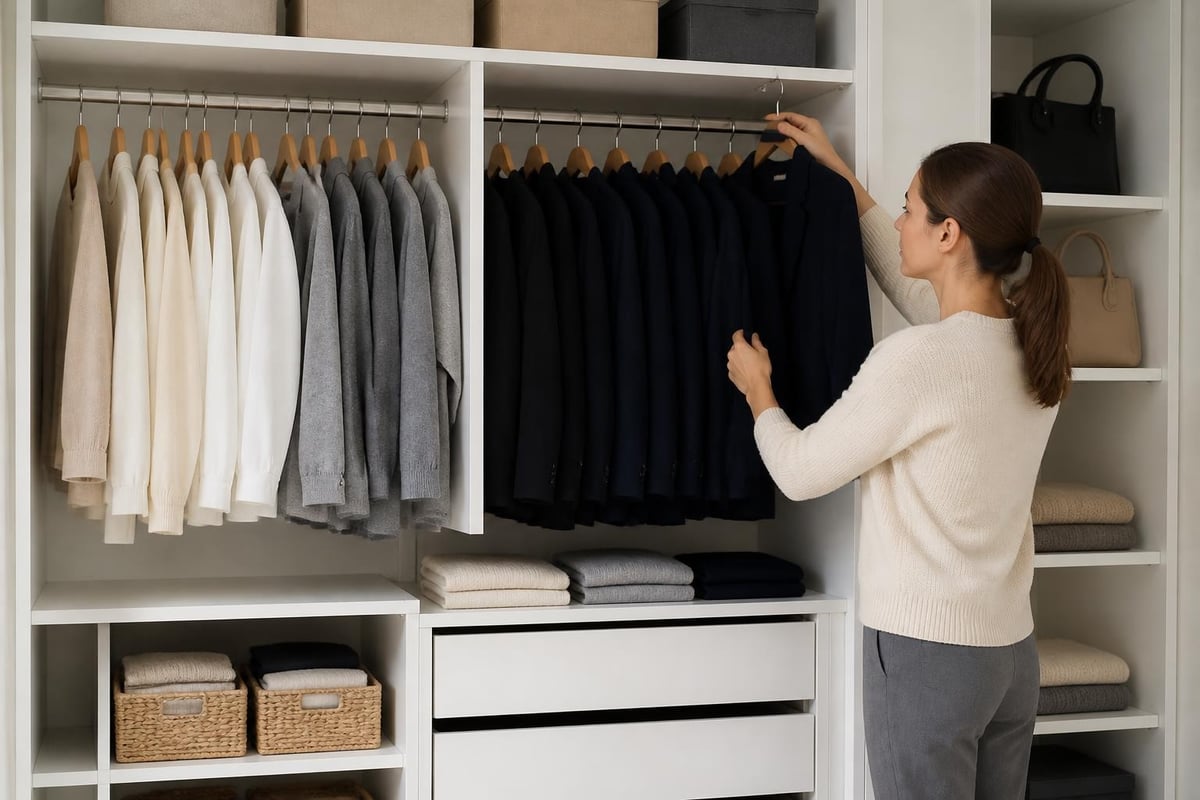
Proper storage prevents unnecessary wear, wrinkling, and damage. Hanging garments on appropriate hangers, folding knitwear, and storing shoes with support maintains shapes and extends usability. Rotating professional wear pieces rather than wearing favourites repeatedly distributes wear evenly across wardrobes.
For embroidered or printed professional wear, specific care requirements ensure logo longevity. Washing garments inside out, avoiding excessive heat, and using gentle cycles protect customisation whilst maintaining fabric quality. These practices prove particularly important for brands of work clothes that represent significant investments.
Professional Wear for Specific Workplace Scenarios
Different professional situations demand adjusted approaches to attire, from job interviews requiring maximum formality to creative presentations allowing personality expression. Understanding these nuances ensures appropriate dress for every professional occasion.
Interview Attire
First impressions during interviews carry substantial weight, making conservative, polished professional wear essential. Traditional business formal-suits in navy, grey, or black with coordinating shirts and conservative accessories-demonstrates respect for the opportunity and understanding of professional norms. Even for organisations with casual daily dress codes, interviews typically warrant elevated formality.
Client Meetings
External meetings require careful consideration of both organisational culture and client expectations. When uncertain, err towards more formal professional wear, adjusting for subsequent meetings based on observed norms. Branded professional wear featuring company logos reinforces organisational identity whilst maintaining individual professionalism.
Presentations and Public Speaking
Presenting to colleagues, clients, or industry audiences demands professional wear that projects confidence without distraction. Solid colours photograph better than busy patterns, whilst coordinated outfits create polished appearance. Comfort proves crucial for extended speaking engagements, ensuring focus remains on content rather than restrictive clothing.
Networking Events
Professional networking combines business purpose with social elements, allowing slightly relaxed interpretation of workplace dress codes. Business casual typically suits these occasions, balancing approachability with professional credibility. Distinctive accessories or colour choices help memorable impressions whilst maintaining appropriate boundaries.
Gender Considerations in Professional Wear
Modern professional wear increasingly recognises that traditional gender categories inadequately serve diverse workforces. Progressive organisations embrace inclusive approaches allowing individuals to select professional wear aligning with personal identity and comfort whilst meeting professional standards.
Women's professional wear offers broader style variety than traditionally available for men, including dresses, skirts, trousers, and diverse silhouettes. However, this variety sometimes creates confusion regarding appropriateness. General guidelines suggest modest hemlines, appropriate necklines, and tailored fits that project competence and confidence.
Men's professional wear centres on suits, shirts, and trousers with growing acceptance of diverse colours, patterns, and styles beyond traditional navy and grey. Contemporary professional wear for men embraces fitted silhouettes, quality fabrics, and thoughtful details that elevate basic combinations.
Non-binary and gender-nonconforming individuals navigate professional wear through personal interpretation of organisational standards, selecting pieces reflecting identity whilst meeting professional requirements. Forward-thinking organisations provide flexibility supporting authentic self-expression within professional contexts.
Cost-Effective Professional Wardrobe Strategies
Building comprehensive professional wardrobes need not require excessive expenditure. Strategic approaches maximise value whilst maintaining quality and appearance standards essential for professional success.
Budget-Conscious Wardrobe Building:
- Invest in quality basics that combine with multiple pieces
- Purchase classic styles resisting trend obsolescence
- Select versatile neutral colours expanding mix-and-match options
- Prioritise fit over brand names
- Maintain garments properly extending lifespan
Quality pieces cost more initially but provide better value through extended wear, maintained appearance, and reduced replacement frequency. Fast fashion alternatives may seem economical but rarely withstand professional wear demands, ultimately costing more through frequent replacement.
Sales, outlet shopping, and end-of-season clearances offer opportunities acquiring quality professional wear at reduced prices. Building wardrobes gradually rather than purchasing complete outfits simultaneously distributes costs whilst ensuring thoughtful selections meeting actual needs.
For organisations outfitting teams, custom work clothing services provide cost-effective solutions ensuring consistent professional appearance across employees whilst reinforcing brand identity through coordinated, branded garments.
Digital Age Professional Wear Considerations
Video conferencing and hybrid work arrangements introduce unique professional wear considerations balancing on-camera appearance with off-camera comfort. Understanding how clothing translates through screens helps select appropriate professional wear for virtual meetings.
Solid colours typically work better on camera than busy patterns, whilst contrast between clothing and backgrounds improves visual clarity. Professional appearance from the waist up matters most for standard video calls, though maintaining complete professional attire ensures readiness for unexpected situations requiring standing or movement.
Hybrid work models combining home and office presence require professional wardrobes supporting both environments. Pieces transitioning seamlessly between settings prove most valuable, maintaining professional standards regardless of location whilst offering comfort for extended wear.
Social media presence increasingly impacts professional reputation, making careful consideration of photographed attire important. Professional wear appearing in LinkedIn profiles, conference photos, or organisational materials should align with personal brand and industry expectations.
Professional wear continues evolving to reflect contemporary values around comfort, sustainability, and individual expression whilst maintaining the polished appearance essential for workplace success. Whether building a personal wardrobe or outfitting an entire team, understanding modern professional wear standards ensures appropriate, confident presentation across diverse professional situations. Cobra Workwear provides comprehensive solutions for organisations seeking quality, customisable professional wear that reinforces brand identity whilst meeting the practical demands of various industries, from construction and hospitality to healthcare and corporate environments.
