

Finding the right mens working shirts represents a crucial decision for businesses and individual workers alike. The modern workplace demands garments that balance durability, comfort, professional appearance, and functionality across diverse environments. Whether you're outfitting a construction crew, hospitality team, or office staff, understanding the nuances of quality work shirts ensures both worker satisfaction and long-term value. In 2026, the workwear industry has evolved significantly, offering advanced fabric technologies, customisation capabilities, and designs that cater to specific occupational needs whilst maintaining a professional aesthetic.
Understanding Different Types of Mens Working Shirts
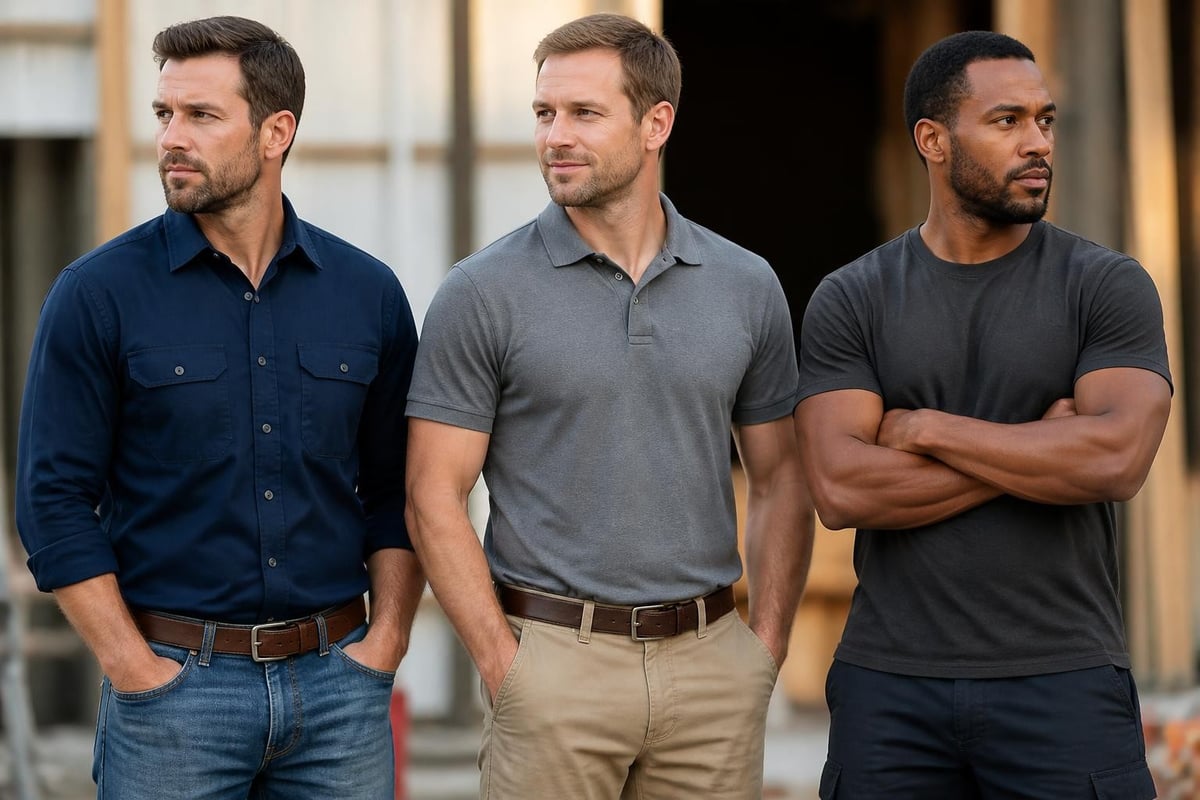
The workwear market offers several distinct categories of mens working shirts, each engineered for specific workplace requirements. Button-up work shirts remain the traditional choice for many industries, providing a professional appearance with practical features such as reinforced stitching and durable closures. These garments typically feature structured collars, front pockets, and heavier-weight fabrics designed to withstand repeated washing and daily wear.
Polo-style work shirts have gained considerable popularity across service industries, offering a smart-casual appearance that bridges the gap between formal and relaxed dress codes. Polo shirts with embroidered company logos provide an excellent solution for customer-facing roles where professional branding matters. The collar adds formality whilst the knit construction offers superior comfort compared to woven alternatives.
Material Composition and Fabric Technologies
Modern mens working shirts incorporate advanced fabric technologies that significantly enhance performance characteristics. Cotton remains a popular choice, valued for its breathability and natural comfort, though pure cotton variants may wrinkle easily and lack moisture-wicking properties. Many manufacturers now blend cotton with polyester, creating fabrics that resist creasing, dry quickly, and maintain colour vibrancy through countless wash cycles.
Performance fabrics have revolutionised the workwear sector, with moisture-wicking technologies becoming standard features in many premium work shirts. These materials actively draw perspiration away from the skin, allowing workers to remain comfortable during physically demanding tasks. Some specialised shirts incorporate antimicrobial treatments that reduce odour accumulation, extending the time between necessary washes.
For environments requiring additional protection, flame-resistant fabrics provide crucial safety features. These materials self-extinguish when exposed to flames, offering vital seconds for workers to escape dangerous situations. Similarly, UV-protective fabrics shield outdoor workers from harmful solar radiation, particularly important in the UK during summer months when sun exposure accumulates during long shifts.
Key Features to Consider When Selecting Work Shirts
Durability stands as the paramount consideration when evaluating mens working shirts for professional environments. Triple-stitched seams significantly extend garment lifespan, preventing common failure points at shoulders, sides, and sleeves. Reinforced stress areas, particularly at pocket corners and button plackets, indicate quality construction that withstands repeated use.
Pocket configuration affects both functionality and appearance. Chest pockets provide convenient storage for pens, small tools, or mobile devices, though their placement should complement the overall design rather than disrupt the professional appearance. Some work shirts feature internal pockets that maintain a clean exterior whilst offering secure storage for valuable items.
Essential considerations include:
- Collar construction and reinforcement for maintaining shape
- Button quality and secure attachment methods
- Sleeve length options for seasonal flexibility
- Venting features for enhanced breathability
- Soil-release treatments for easier stain removal
Fit represents another critical element, as poorly fitting shirts compromise both comfort and professional appearance. Modern work shirts are available in various fit profiles, from traditional relaxed cuts that accommodate layering to contemporary slim fits that present a more tailored silhouette. Understanding your workforce's physical requirements ensures optimal comfort throughout demanding shifts.
Industry-Specific Requirements for Professional Workwear
Construction and trade industries demand mens working shirts that prioritise durability and functionality above all else. Heavy-duty fabrics, typically weighing 5-7 ounces per square yard, resist abrasion from tools, materials, and rough surfaces. Many construction work shirts feature extended tails that remain tucked during bending and reaching, whilst articulated sleeves allow unrestricted movement during overhead tasks.
High-visibility requirements in certain construction roles necessitate shirts incorporating fluorescent colours and reflective striping. These garments meet stringent safety standards whilst maintaining the durability expected from professional workwear. The integration of safety features with practical design elements creates shirts that protect workers without compromising functionality.

Hospitality and Customer-Facing Roles
Service sector environments require mens working shirts that project professionalism whilst enduring the physical demands of active roles. Wrinkle-resistant fabrics maintain a crisp appearance throughout long shifts, eliminating the need for mid-shift adjustments. Stain-resistant treatments prove particularly valuable in food service environments, where spills and splashes are inevitable.
The hospitality sector increasingly values branded workwear that reinforces company identity whilst maintaining staff comfort. Embroidered logos and custom colour schemes create cohesive team appearances that enhance customer perception. Understanding how to add logos to workwear ensures branding elements enhance rather than detract from overall garment quality.
| Industry | Primary Requirements | Secondary Considerations |
|---|---|---|
| Construction | Durability, safety features | Weather resistance, storage |
| Hospitality | Professional appearance, comfort | Stain resistance, easy care |
| Healthcare | Hygiene, easy cleaning | Antimicrobial properties, identification |
| Office | Smart presentation, comfort | Wrinkle resistance, breathability |
Customisation and Branding Opportunities
Embroidery represents the premium method for adding company branding to mens working shirts, offering exceptional durability and professional appearance. Unlike printed designs that may fade or crack over time, embroidered logos maintain their appearance through hundreds of wash cycles. The dimensional quality of embroidery adds perceived value, communicating attention to quality that reflects positively on the organisation.
Positioning choices significantly impact the effectiveness of branded elements. Traditional left-chest placement ensures visibility during face-to-face interactions, whilst sleeve embroidery offers additional branding opportunities without overwhelming the garment. Some organisations opt for discreet interior collar branding, providing authentication without external display.
Customisation options include:
- Direct embroidery for permanent, high-quality branding
- Screen printing for larger designs or budget-conscious applications
- Heat transfer vinyl for detailed multicolour logos
- Woven patches for traditional, textured branding
- Digital printing for photographic or gradient designs
The benefits of high-quality workwear extend beyond immediate functionality, creating lasting impressions with customers and fostering team unity amongst staff. When workers take pride in their appearance, overall performance and customer interactions typically improve measurably.
Sizing, Fit, and Comfort Considerations
Accurate sizing ensures mens working shirts deliver optimal comfort throughout demanding workdays. Traditional sizing systems based on chest measurements provide good starting points, though individual body proportions vary considerably. Some manufacturers offer tall and short variants that adjust sleeve and torso length whilst maintaining consistent chest dimensions, accommodating workers outside standard proportions.
Modern fit profiles range from generous traditional cuts to contemporary athletic fits. Relaxed fits allow freedom of movement and accommodate layering during colder months, making them popular in construction and outdoor industries. Regular fits offer versatile styling suitable for most body types, whilst slim fits present a more tailored appearance favoured in customer-facing roles.
Understanding the relationship between fabric stretch and mobility proves crucial when selecting work shirts for physically active roles. Garments incorporating small percentages of elastane provide enhanced movement without sacrificing the structured appearance of woven fabrics. This technology particularly benefits workers who require both professional presentation and unrestricted movement.
Seasonal Variations and Layering Strategies
Temperature regulation throughout the year requires thoughtful approach to work shirt selection. Lightweight fabrics weighing 3-4 ounces per square yard provide excellent breathability for summer months, whilst mid-weight options around 5-6 ounces offer versatility across seasons. Winter workwear strategies often involve layering, with work shirts serving as base or mid layers beneath jackets and outer garments.
Long-sleeve variants offer protection from environmental hazards and sun exposure, though they may prove uncomfortably warm in heated indoor environments or during physical labour in summer. Short-sleeve work shirts provide immediate comfort in warm conditions, though they offer less protection and may appear less formal in certain settings. Some organisations maintain seasonal wardrobe options, allowing workers to select appropriate garments based on weather conditions and specific task requirements.
Care, Maintenance, and Longevity
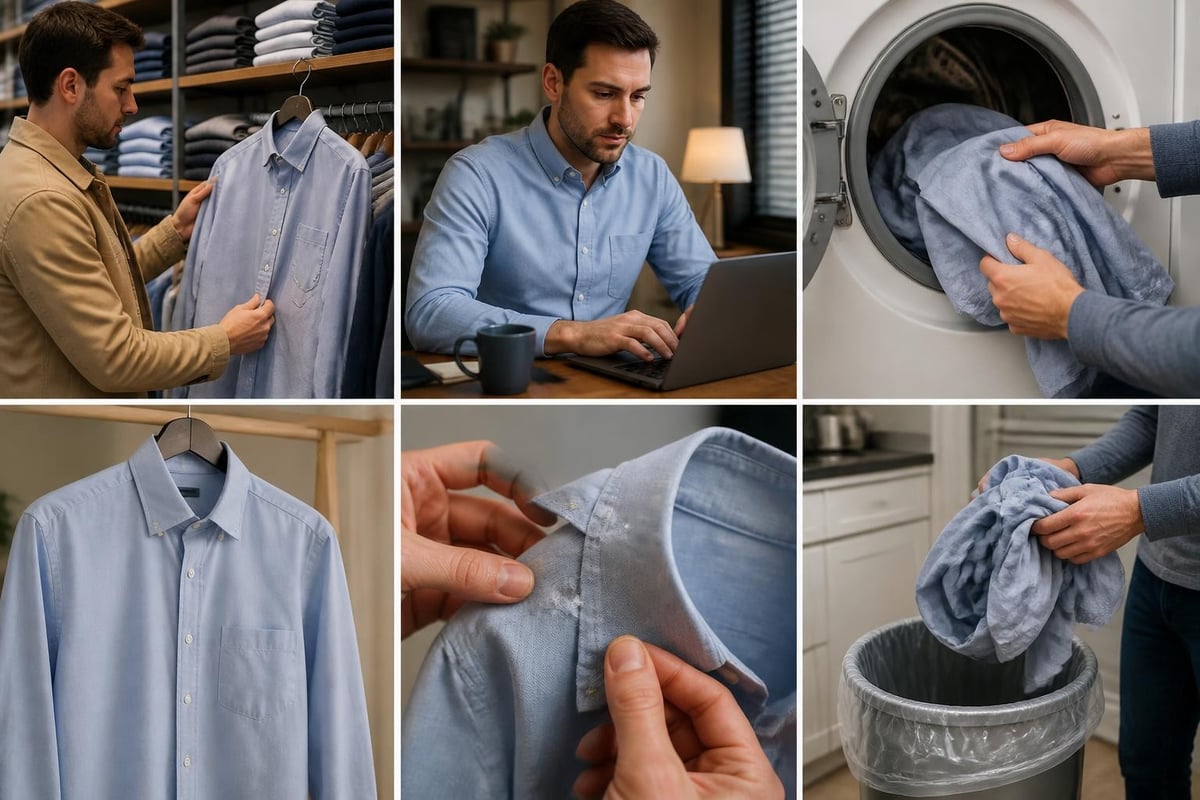
Proper care significantly extends the serviceable life of mens working shirts, maximising return on investment. Understanding fabric-specific care requirements prevents premature wear and maintains professional appearance. Cotton-polyester blends typically tolerate machine washing at moderate temperatures, whilst specialised fabrics may require specific treatments to preserve technical properties.
Washing work shirts inside-out protects exterior surfaces and embroidered elements from abrasion during wash cycles. Avoiding overloaded machines allows proper agitation and rinsing, preventing detergent residue that can degrade fabrics over time. Cold or warm water washing preserves colours and reduces energy consumption, whilst hot water may be necessary for heavily soiled garments or hygiene-critical applications.
Maintenance best practices:
- Sort garments by colour and soil level before washing
- Pre-treat stains promptly for improved removal success
- Use appropriate detergent quantities to prevent residue
- Avoid fabric softeners on moisture-wicking fabrics
- Remove garments promptly from washers to minimise wrinkling
- Hang-dry when possible to reduce dryer wear
The proper care of embroidered workwear requires particular attention to preserve logo quality and appearance. Turning garments inside-out before washing protects embroidery from snagging, whilst avoiding excessive heat during drying prevents thread damage and maintains dimensional stability.
Cost Considerations and Value Assessment
Initial purchase price represents only one component of total ownership cost for mens working shirts. Higher-quality garments commanding premium prices often deliver superior longevity, reducing replacement frequency and lowering long-term expenses. Calculating cost-per-wear provides more accurate value assessment than simple upfront pricing comparisons.
Bulk purchasing typically yields significant per-garment savings, making it attractive for businesses outfitting teams. However, organisations should balance quantity discounts against the risk of style changes, sizing issues, or quality concerns that affect entire orders. Starting with smaller trial orders allows evaluation of fit, durability, and worker satisfaction before committing to larger purchases.
| Price Range | Typical Features | Expected Lifespan | Best Applications |
|---|---|---|---|
| Budget (£10-20) | Basic fabrics, standard construction | 6-12 months | Light-duty, short-term needs |
| Mid-range (£20-40) | Blended fabrics, reinforced construction | 1-2 years | General workwear, most industries |
| Premium (£40-70+) | Technical fabrics, advanced features | 2-4 years | Demanding environments, branding |
When considering embroidered work shirts, the additional customisation cost should be weighed against branding benefits and professional appearance. In-house embroidery services often provide faster turnaround and greater flexibility compared to outsourced alternatives, particularly valuable when managing growing teams or replacing individual garments.
Sourcing and Supplier Selection
Identifying reliable suppliers ensures consistent quality and availability of mens working shirts throughout the year. Established workwear specialists understand industry-specific requirements and maintain inventory depth that supports immediate fulfilment needs. Their expertise often extends beyond product supply to include consultation on appropriate selections for specific applications.
Local suppliers offer advantages including personal service, immediate availability, and simplified returns processing. However, online retailers frequently provide broader selection and competitive pricing, though evaluation becomes more challenging without physical inspection. Understanding where to find quality workwear balances convenience, price, and service considerations.
Supplier evaluation criteria include:
- Product range breadth and depth
- Customisation capabilities and turnaround times
- Minimum order requirements and flexibility
- Return policies and quality guarantees
- Industry experience and specialist knowledge
The growing emphasis on sustainable workwear options reflects broader environmental consciousness in 2026. Suppliers offering organic cotton, recycled polyester, and environmentally responsible manufacturing processes appeal to organisations prioritising sustainability alongside traditional quality criteria.
Quality Indicators and Inspection Guidelines
Recognising quality construction helps distinguish superior mens working shirts from inferior alternatives. Examining seam quality provides immediate insight into overall construction standards. Double or triple-stitched seams with tight, consistent stitch spacing indicate attention to durability, whilst loose or irregular stitching suggests rushed manufacturing that compromises longevity.
Button attachment quality significantly affects garment serviceability. Quality work shirts feature buttons secured with reinforced stitching, often including backing buttons on the interior to distribute stress. Testing button security by applying moderate pulling force reveals potential weakness before purchase. Similarly, examining buttonholes for clean edges and secure stitching prevents premature failure.
Fabric weight and texture communicate substantial information about performance characteristics. Holding garments to light reveals fabric density and consistency, whilst feeling texture indicates surface treatments and finish quality. Quality fabrics exhibit uniform colour, consistent texture, and appropriate weight for intended applications.
Comparing offerings from various work shirt sources helps establish baseline expectations for quality at different price points. Understanding market standards prevents both overpaying for standard features and expecting premium performance from budget-priced garments.
Trends Shaping the Workwear Market in 2026
The mens working shirts sector continues evolving in response to changing workplace requirements and worker expectations. Hybrid work arrangements blur traditional boundaries between office and field attire, driving demand for versatile shirts that transition seamlessly between environments. This trend favours wrinkle-resistant fabrics, refined styling, and technical performance features that support varied daily activities.
Sustainability initiatives increasingly influence purchasing decisions, with organisations seeking suppliers demonstrating environmental responsibility throughout supply chains. Certifications such as Organic Content Standard and Global Recycled Standard provide verification of environmental claims, helping purchasers identify genuinely sustainable options amongst growing greenwashing concerns.
Technology integration represents an emerging frontier in professional workwear. Some manufacturers now offer shirts with RFID tags for inventory management, whilst others explore conductive fabrics enabling biometric monitoring. Though currently niche applications, these innovations may become mainstream as workplace safety and efficiency technologies advance.
The workwear industry increasingly recognises diverse workforce needs, expanding size ranges and offering inclusive fit options. Extended sizing accommodates workers previously underserved by standard ranges, whilst gender-neutral designs reflect evolving workplace cultures. These developments improve accessibility whilst expanding potential customer bases for forward-thinking suppliers.
Selecting appropriate mens working shirts requires balancing numerous factors including durability, comfort, professional appearance, and cost-effectiveness. By understanding fabric technologies, construction quality, and industry-specific requirements, businesses can outfit their teams with workwear that enhances performance, projects professional images, and delivers lasting value. Whether you need durable shirts for construction crews, smart hospitality uniforms, or branded professional wear, Cobra Workwear offers comprehensive solutions with in-house embroidery services, ensuring fast turnaround and consistent quality for businesses across the UK.
