

Finding reliable workwear suppliers in your local area has become increasingly important for businesses across the UK. Whether you're managing a construction firm, running a hospitality venue, or overseeing a healthcare facility, sourcing quality garments nearby offers distinct advantages in terms of speed, personalisation, and ongoing support. The search for "workwear near me" reflects a growing trend towards building relationships with local providers who understand regional requirements and can deliver tailored solutions promptly.
Understanding Local Workwear Supply Chains
The workwear industry has evolved dramatically over the past century, transforming from basic protective clothing into a sophisticated sector offering industry-specific attire that balances safety, comfort, and professional appearance. Modern businesses require suppliers who can meet diverse needs across multiple sectors.
When searching for workwear near me, you're accessing a supply network that extends beyond simple retail. Local providers typically maintain relationships with manufacturers, embroidery specialists, and logistics partners to deliver comprehensive solutions. This infrastructure enables rapid turnaround times for custom orders and ensures consistent stock availability.
The Proximity Advantage
Choosing a nearby workwear supplier offers several practical benefits:
- Immediate consultations for sizing, fabric selection, and design discussions
- Faster delivery times reducing downtime when replacing damaged garments
- Easy returns and exchanges without complicated postal procedures
- Face-to-face relationship building with account managers who understand your business
- Sample viewing before committing to bulk orders
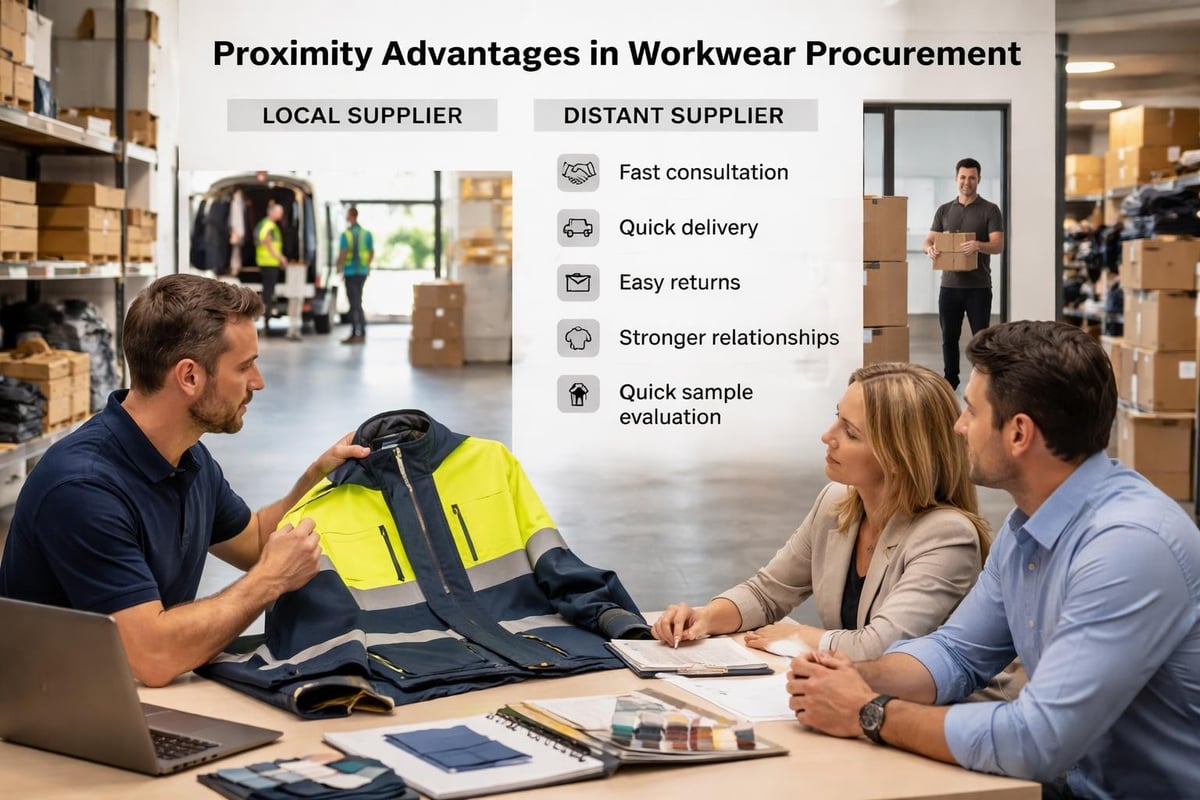
Regional suppliers often understand local industry demands better than national chains. For instance, a provider in the North East might specialise in hi-vis clothing for offshore energy workers, whilst a Midlands supplier could focus on automotive industry requirements.
Industry-Specific Workwear Requirements
Different sectors demand distinct garment specifications, and finding workwear near me means accessing expertise in your particular field. The global workwear market is projected to grow significantly, with market analysis indicating substantial expansion across various industrial sectors through 2034.
| Industry Sector | Key Garment Requirements | Compliance Standards |
|---|---|---|
| Construction | High-visibility, durability, weather resistance | EN 471, EN 343 |
| Hospitality | Professional appearance, easy maintenance, comfort | Food safety standards |
| Healthcare | Antimicrobial fabrics, easy cleaning, identification | NHS guidelines |
| Manufacturing | Flame resistance, chemical protection, reinforced seams | EN ISO 11612 |
| Logistics | Breathability, reflective elements, flexibility | EN 20471 |
Construction and Trades
Construction professionals require workwear that withstands harsh conditions whilst maintaining visibility and protection. When searching for workwear near me in this sector, prioritise suppliers offering reinforced knee pads, multiple pockets for tools, and weather-resistant outer layers.
Tradespeople working in residential settings particularly value garments that look professional whilst providing practical functionality. Plumbers, electricians, and heating engineers often need attire that transitions seamlessly between outdoor installations and customer-facing consultations. Businesses like NU Heat North East Ltd, providing plumbing and heating services across the region, understand the importance of presenting a professional image whilst working in diverse environments, from industrial sites to domestic properties.
Hospitality and Service Industries
The hospitality sector demands workwear that balances professional presentation with practical durability. Hotels require consistent branding across all staff members, whilst restaurants need garments that withstand frequent washing and food service demands. Establishments working with suppliers like Hantermann, specialists in hotel furnishings and comprehensive hospitality solutions, recognise that professional workwear forms part of the complete guest experience.
Chef's clothing, front-of-house attire, and housekeeping uniforms each serve specific purposes. Local suppliers can coordinate entire wardrobes ensuring visual consistency across departments.
Customisation and Branding Services
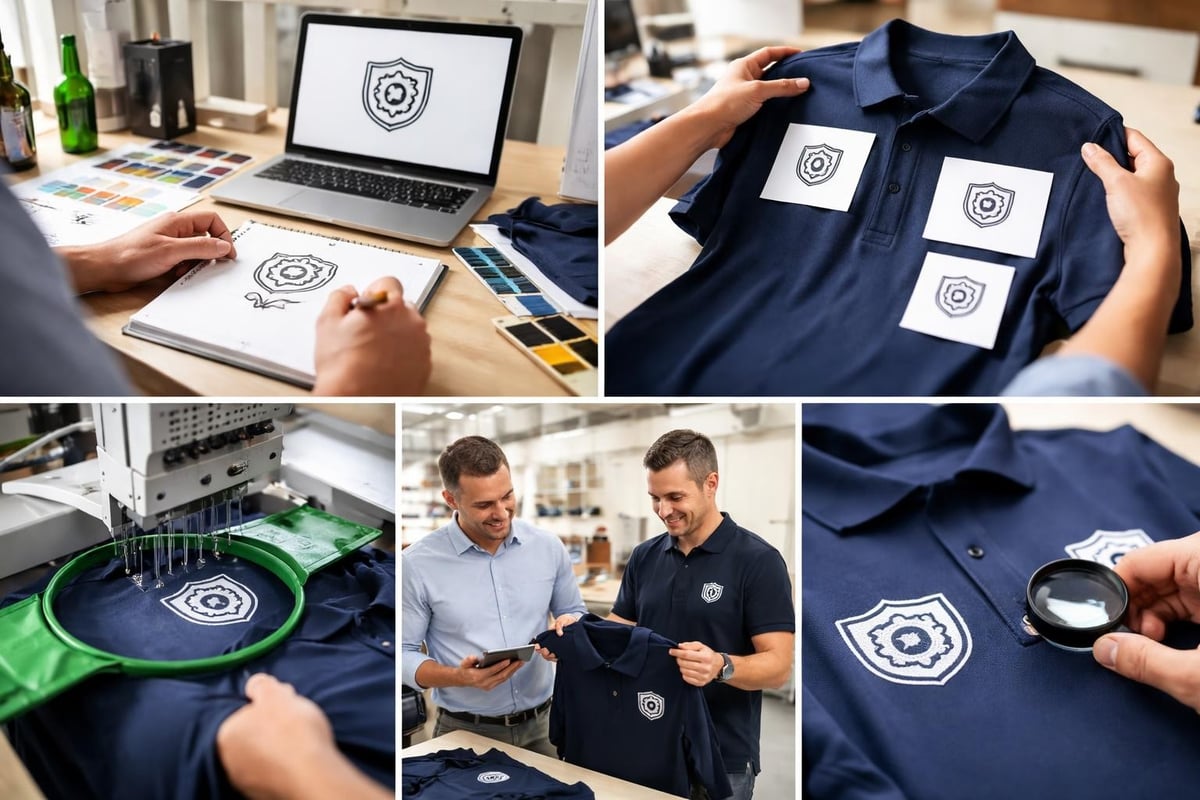
One of the strongest arguments for finding workwear near me involves access to personalisation services. Embroidered or printed company logos transform standard garments into powerful branding tools whilst fostering team identity.
In-House Embroidery Benefits
Working with suppliers offering on-site embroidery provides several advantages:
- Quality control throughout the decoration process
- Faster turnaround times without outsourcing delays
- Consistent results across multiple orders
- Design flexibility for adjustments and refinements
- Cost efficiency for bulk orders
Professional embroidery creates a polished appearance that enhances company credibility. Whether you're outfitting field technicians, office staff, or customer service teams, branded workwear reinforces your professional identity.
Choosing the Right Garments for Branding
Not all workwear suits every branding approach. For instance, polo shirts offer excellent surfaces for chest embroidery whilst maintaining a smart-casual appearance suitable for customer-facing roles. Consider fabric weight, colour options, and garment longevity when selecting items for customisation.
Evaluating Local Workwear Suppliers
Finding quality workwear near me requires thorough evaluation of potential suppliers. The right partnership extends beyond initial purchases to ongoing support and strategic alignment.
Key Selection Criteria
| Assessment Factor | Questions to Ask | Why It Matters |
|---|---|---|
| Product Range | Do they stock items for your specific industry? | Ensures comprehensive solutions |
| Customisation | What decoration methods do they offer in-house? | Affects turnaround and quality |
| Stock Levels | Can they fulfil urgent orders? | Critical for emergency replacements |
| Sizing Options | Do they accommodate diverse body types? | Ensures team comfort and compliance |
| Sustainability | What eco-friendly options exist? | Supports corporate responsibility goals |
Request samples before committing to large orders. Physical examination reveals fabric quality, stitching standards, and true colour matching that online images cannot convey accurately.
Understanding Pricing Structures
Local workwear suppliers typically offer volume discounts, but pricing structures vary significantly. Some providers charge separately for garments and decoration, whilst others bundle services. Request detailed quotations that itemise:
- Base garment costs per unit
- Setup fees for embroidery or printing
- Per-item decoration charges
- Delivery or collection arrangements
- Minimum order quantities
Modern Workwear Trends for 2026
The workwear landscape continues evolving, with 2026 bringing advanced protection and smart design innovations that enhance both safety and comfort. Understanding current trends helps businesses make informed purchasing decisions.
Technical Fabric Innovations
Modern workwear incorporates moisture-wicking properties, temperature regulation, and enhanced durability without sacrificing comfort. Fabrics now offer:
- Antimicrobial treatments reducing odour and bacterial growth
- Four-way stretch materials improving mobility
- Water-resistant coatings maintaining breathability
- Reinforced stress points extending garment lifespan
These technical improvements justify higher initial costs through extended replacement cycles and improved worker satisfaction.
Style Meets Function
Professional workwear no longer means sacrificing style. Office fashion trends for 2026 demonstrate how contemporary workers expect garments that reflect personal taste whilst meeting professional standards. This philosophy extends into traditional workwear sectors, where suppliers now offer modern fits, updated colour palettes, and fashion-forward details.
Even industries with strict safety requirements embrace stylish options. High-visibility garments now feature tailored cuts, whilst protective outerwear incorporates design elements from outdoor sportswear.
Managing Workwear Procurement Programmes
Establishing a systematic approach to workwear procurement ensures consistency and cost control. When you've found workwear near me that meets your standards, develop ongoing processes for ordering, sizing, and replacement.
Creating a Replacement Schedule
Workwear deteriorates through regular use, and scheduled replacements maintain professional appearance and safety compliance. Develop timelines based on:
- Garment type and usage intensity - outdoor workers need more frequent replacements
- Safety certification requirements - hi-vis and protective clothing must meet current standards
- Brand consistency - ensure all team members wear similar condition garments
- Seasonal variations - rotate jackets and lighter garments appropriately

Sizing and Fitting Considerations
Accurate sizing reduces returns and ensures comfort compliance. Local suppliers can arrange fitting sessions where employees try multiple sizes before final orders. Maintain detailed size records for each team member, noting preferences for fit style (slim, regular, relaxed) and any special requirements.
Consider ordering a range of sizes for new starters, allowing quick onboarding without delay. Many suppliers offer size exchange programmes during initial adjustment periods.
Sustainability in Workwear Procurement
Environmental responsibility increasingly influences purchasing decisions across all business sectors. When searching for workwear near me, investigate suppliers' sustainability credentials and product offerings.
Eco-Friendly Material Options
Sustainable workwear options include:
- Organic cotton grown without harmful pesticides
- Recycled polyester manufactured from post-consumer plastic
- Bamboo fabrics offering natural antimicrobial properties
- Hemp blends providing exceptional durability
- Recycled materials reducing environmental impact
Whilst sustainable options may carry higher upfront costs, their durability often provides better long-term value. Additionally, demonstrating environmental commitment enhances company reputation amongst increasingly eco-conscious consumers.
Garment Lifecycle Management
Responsible workwear programmes extend beyond purchasing to include end-of-life considerations. Partner with suppliers who offer:
- Repair services extending garment lifespan
- Recycling programmes for worn-out items
- Take-back schemes for obsolete uniforms
- Guidance on proper care and maintenance
Building Long-Term Supplier Relationships
The ideal workwear partnership evolves into a strategic relationship where suppliers understand your business trajectory and anticipate future needs. This depth of engagement proves difficult with distant or online-only providers.
Account Management Benefits
Dedicated account managers familiar with your organisation can:
- Proactively suggest new products relevant to your industry
- Streamline ordering through established preferences and specifications
- Negotiate pricing based on loyalty and order history
- Coordinate emergency fulfilment when urgent needs arise
- Provide market intelligence about industry trends and innovations
Regular reviews with your account manager ensure your workwear programme remains aligned with business objectives and staff feedback.
Leveraging Local Market Knowledge
Regional suppliers understand local competitive landscapes and industry concentrations. This insight helps them stock appropriate products and maintain relevant expertise. For example, suppliers in manufacturing regions might specialise in protective workwear, whilst those in hospitality areas focus on service industry attire.
Compliance and Safety Standards
Regulatory compliance forms a critical component of workwear selection, particularly in high-risk industries. Personal protective equipment standards outline specific requirements for various workplace hazards.
Understanding Certification Requirements
Different industries require specific safety certifications:
| Standard | Application | Key Requirements |
|---|---|---|
| EN ISO 20471 | High-visibility clothing | Minimum fluorescent and reflective areas |
| EN 343 | Rain protection | Waterproofness and breathability ratings |
| EN 11612 | Heat and flame | Limited flame spread, heat resistance |
| EN 1149 | Antistatic properties | Surface resistivity measurements |
Local suppliers with industry expertise can guide compliance requirements and recommend appropriate garments. This specialised knowledge proves invaluable when regulations change or new standards emerge.
Documentation and Traceability
Maintain records of garment certifications, purchase dates, and distribution to employees. This documentation demonstrates due diligence during safety inspections and provides evidence of compliance with industry regulations.
Digital Integration in Workwear Management
Modern workwear programmes increasingly incorporate digital tools for ordering, inventory management, and employee self-service. Even when prioritising local suppliers, technology enhances efficiency and accuracy.
Online Ordering Portals
Many regional suppliers now offer digital platforms where businesses can:
- Browse product catalogues with detailed specifications
- Access personalised pricing based on account agreements
- Track order status and delivery schedules
- Download compliance certificates and product documentation
- Manage employee allocations and size assignments
These systems complement the personal service of local suppliers whilst providing 24/7 access to information and ordering capabilities.
Inventory Management Systems
For larger organisations, integration between workwear ordering platforms and internal inventory systems prevents stockouts and reduces administrative burden. Automated reordering triggers based on usage patterns ensure consistent availability without manual monitoring.
Sourcing quality workwear near me involves evaluating multiple factors from product range and customisation capabilities to compliance expertise and sustainable options. Local suppliers offer distinct advantages through proximity, personalised service, and regional market knowledge that online-only providers cannot match. Whether you need embroidered garments that showcase your brand, industry-specific protective clothing, or comprehensive uniform programmes across multiple departments, partnering with experienced regional specialists ensures your team presents professionally whilst working safely. Cobra Workwear combines extensive product ranges across construction, hospitality, healthcare, and numerous other sectors with in-house embroidery and printing services, delivering customised workwear solutions that meet your specific requirements whilst supporting your brand identity.
