

The modern ladies work uniform has evolved dramatically over the past decade, transforming from rigid, one-size-fits-all solutions to sophisticated, industry-specific attire that balances professionalism with comfort and personal expression. As businesses across the United Kingdom recognise the importance of well-designed workwear in employee satisfaction and brand representation, the demand for quality ladies work uniform continues to grow. Whether you're outfitting a hospitality team, healthcare professionals, or corporate staff, understanding current trends and practical considerations ensures your workforce looks polished whilst feeling comfortable throughout their working day.
The Evolution of Women's Professional Attire
The landscape of ladies work uniform has shifted significantly, influenced by changing workplace dynamics and evolving professional expectations. Traditional approaches that simply adapted men's workwear designs have given way to purpose-built solutions that acknowledge the diverse needs of female employees across various sectors.
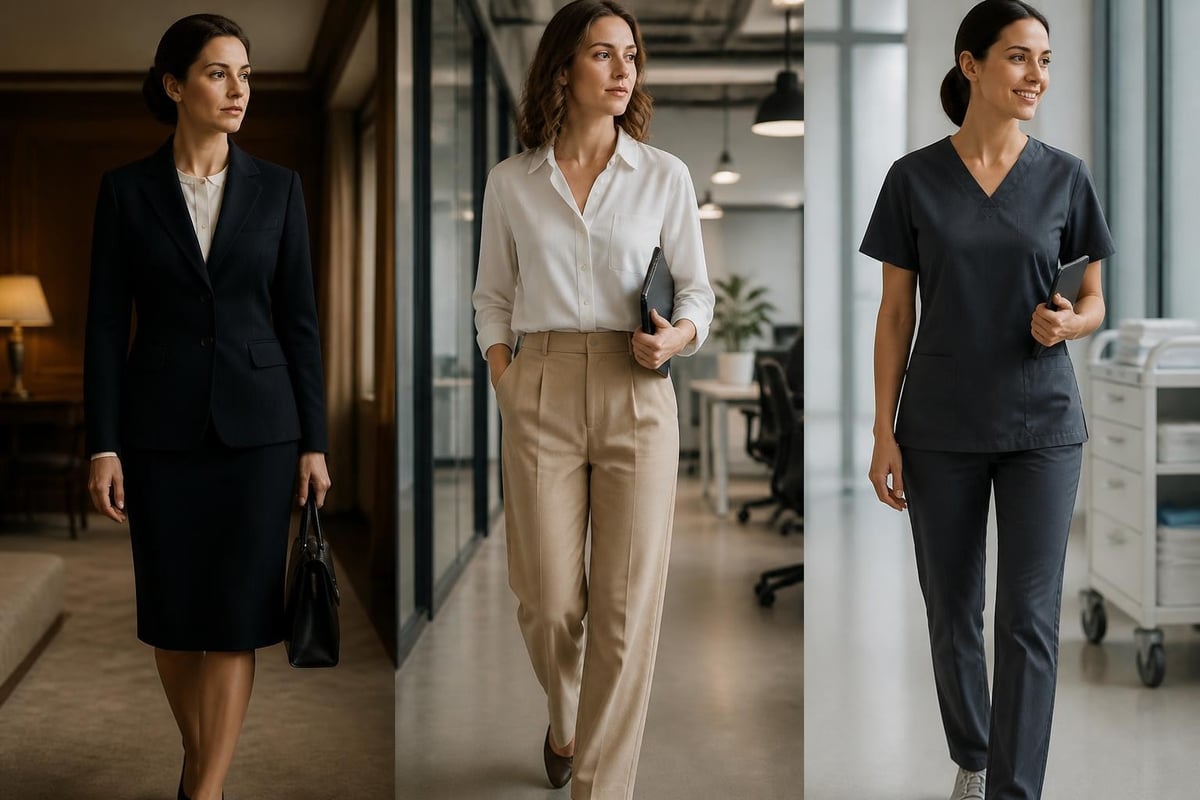
Modern workplaces demand versatility, and this requirement extends directly to uniform design. Flexible working arrangements have fundamentally changed how we approach work attire, with many organisations now seeking uniform solutions that transition seamlessly between different work environments. This shift has prompted manufacturers to develop ladies work uniform collections that maintain professional standards whilst incorporating contemporary styling elements.
The emphasis on inclusivity has also reshaped the industry. Sizing options now extend across a broader spectrum, acknowledging that women come in diverse shapes and sizes. This approach ensures every team member receives workwear that fits properly, boosting both comfort and confidence throughout the working day.
Industry-Specific Requirements
Different sectors necessitate distinct approaches to ladies work uniform design. Healthcare environments require easy-care fabrics with antimicrobial properties, whilst hospitality settings demand stylish yet durable options that withstand frequent laundering. Construction and trades industries prioritise high-visibility elements and protective features, ensuring safety remains paramount without compromising on professional appearance.
The hospitality sector has embraced sustainability and modern aesthetics in their uniform programmes, recognising that well-dressed staff contribute significantly to customer perception and brand image. Meanwhile, corporate environments increasingly favour versatile pieces that allow for layering and personal styling within established guidelines.
Key Trends Shaping Ladies Work Uniform in 2026
Sustainability dominates conversations around contemporary workwear, with organisations actively seeking eco-friendly options that reduce environmental impact. The shift towards sustainable materials represents more than a passing trend; it reflects fundamental changes in corporate responsibility and consumer expectations. Recycled polyester, organic cotton, and innovative bamboo blends now feature prominently in ladies work uniform collections.
Current trends include:
- Elevated comfort: Technical fabrics offering stretch and breathability
- Modular designs: Mix-and-match pieces creating multiple outfit combinations
- Smart tailoring: Structured silhouettes that maintain professional polish
- Colour psychology: Strategic palette choices reflecting brand identity
- Performance features: Moisture-wicking, stain-resistant, and temperature-regulating properties
The autumn colour trends for 2025 have influenced workwear palettes, with rich earth tones and sophisticated neutrals appearing across various industries. These colours project professionalism whilst offering more variety than traditional black, white, and navy options.
Fabric Innovation and Performance
Modern ladies work uniform relies heavily on technological advances in textile manufacturing. Performance fabrics now deliver durability without sacrificing comfort, addressing long-standing complaints about restrictive or uncomfortable workwear. Stretch woven materials maintain their shape throughout extended wear, whilst antimicrobial treatments keep garments fresh between launderings.
| Fabric Type | Key Benefits | Best Suited For |
|---|---|---|
| Polyester-Cotton Blend | Easy care, wrinkle-resistant, affordable | Corporate, hospitality, retail |
| Technical Performance | Moisture-wicking, breathable, stretch | Healthcare, active roles, outdoor work |
| Sustainable Materials | Eco-friendly, soft, innovative | All sectors seeking green credentials |
| Premium Cotton | Natural feel, comfortable, professional | Corporate, client-facing positions |
Temperature regulation represents another crucial consideration. Ladies work uniform designed for kitchen environments incorporates cooling technologies, whilst outdoor workers benefit from layering systems that adapt to changing weather conditions throughout the day.
Designing an Effective Uniform Programme
Creating a successful ladies work uniform programme requires careful planning and consideration of multiple factors. The process begins with understanding your workforce's specific needs, including role requirements, working environments, and personal preferences where appropriate.
Implementation steps:
- Assess requirements: Evaluate job roles, safety standards, and brand guidelines
- Research options: Compare suppliers, fabrics, and styling choices
- Gather feedback: Involve employees in selection processes
- Order samples: Test quality, fit, and durability before bulk purchasing
- Plan rollout: Establish clear communication and distribution strategies
- Monitor results: Track satisfaction levels and address issues promptly
Budget considerations naturally influence uniform selection, but finding affordable women's workwear doesn't mean compromising on quality. Strategic purchasing, including volume discounts and selecting versatile core pieces, helps manage costs whilst maintaining professional standards.
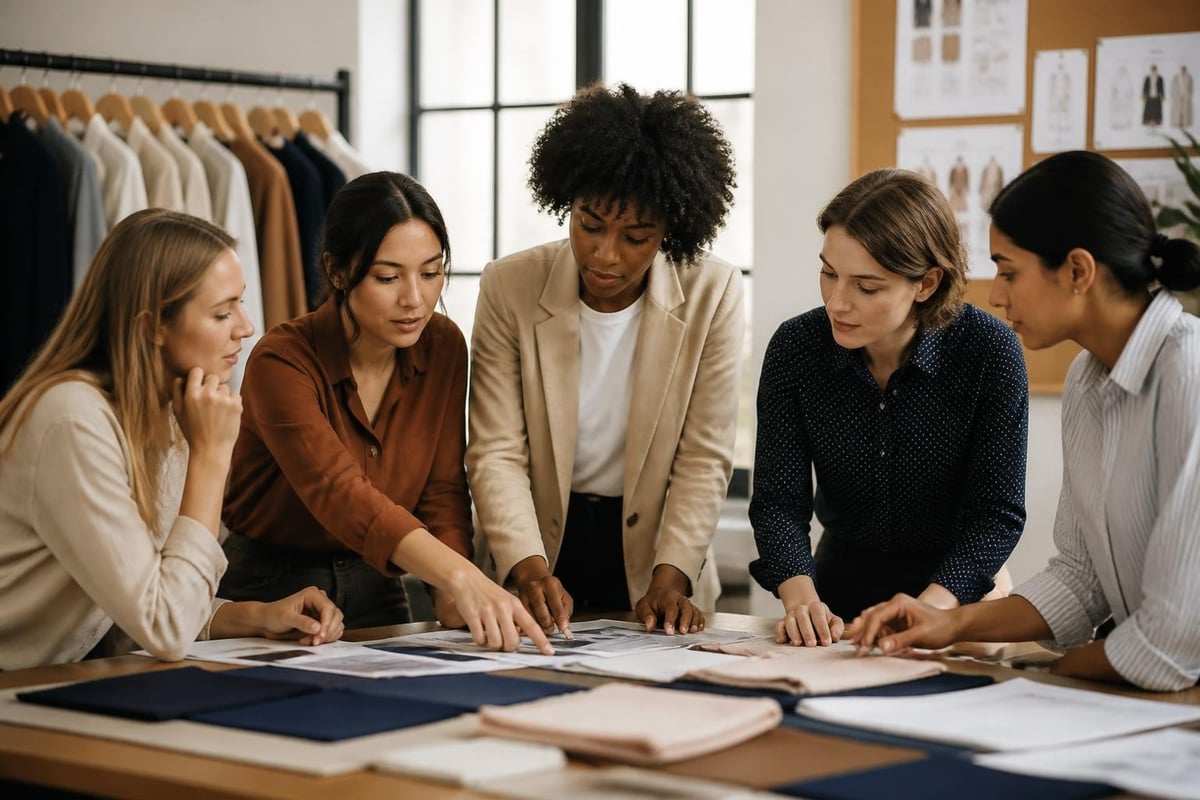
Customisation and Brand Integration
Personalisation transforms standard workwear into distinctive ladies work uniform that reinforces brand identity. Embroidery and printing services enable companies to add logos, names, and department indicators, creating cohesive visual identity across the workforce. Polo shirts with embroidered company logos offer a smart, professional option suitable for numerous industries whilst maintaining comfort throughout the working day.
Positioning matters when adding branding elements. Left chest placements remain most popular, though sleeve and back options suit certain applications. Colour choices should complement both the garment and the brand's visual identity, ensuring logos remain clearly visible without creating visual clutter.
Fit and Sizing Considerations
Proper fit stands as perhaps the most critical factor in successful ladies work uniform programmes. Ill-fitting garments undermine professional appearance, reduce comfort, and can even create safety hazards in certain work environments. Comprehensive sizing charts and fit guides help employees select appropriate sizes, though trying samples before large orders remains advisable.
Contemporary workwear manufacturers increasingly offer diverse fit options within their ranges. Regular, petite, and tall variations accommodate different body proportions, whilst curved cuts specifically designed for women ensure garments drape properly rather than pulling or gaping.
Fit checklist:
- Shoulders: Seams sit at natural shoulder points
- Bust: Sufficient ease for movement without excess fabric
- Waist: Comfortable closure without pinching or gaps
- Length: Appropriate coverage for role and movement requirements
- Sleeves: Allow full range of motion whilst maintaining professional appearance
Some organisations opt for tailored adjustments, particularly for client-facing roles where impeccable presentation proves essential. This investment pays dividends through enhanced professional image and improved employee satisfaction.
Care and Maintenance Strategies
Longevity of ladies work uniform depends significantly on proper care and maintenance protocols. Establishing clear guidelines for washing, drying, and storage helps maximise garment lifespan whilst maintaining professional appearance. Most modern workwear withstands industrial laundry processes, though specific care instructions vary by fabric composition.
| Maintenance Aspect | Best Practices | Common Mistakes to Avoid |
|---|---|---|
| Washing | Follow care labels, separate colours, use appropriate temperatures | Overloading machines, using harsh chemicals |
| Drying | Line dry when possible, low heat tumble dry acceptable for most | High heat settings that damage fibres |
| Storage | Hang structured pieces, fold knits, ensure adequate ventilation | Cramped storage causing permanent wrinkles |
| Repairs | Address small issues promptly, maintain spare stock | Ignoring minor damage until garments become unwearable |
Many businesses implement rotation systems, providing multiple sets of ladies work uniform per employee. This approach reduces wear on individual garments, ensures staff always have clean options available, and extends overall programme lifespan.
Replacement Cycles and Stock Management
Planning replacement cycles prevents the gradual deterioration of uniform standards. Different garment types require varying replacement frequencies based on usage intensity and fabric durability. Corporate blouses might last twelve to eighteen months with proper care, whilst high-visibility jackets in demanding environments may require annual replacement to maintain safety standards.
Maintaining adequate stock levels addresses natural attrition and workforce changes. New starter packages ensure employees receive complete uniform sets from day one, whilst emergency stock covers unexpected situations such as damage or loss.
Sector-Specific Applications
Understanding how ladies work uniform functions across different industries illuminates the diverse requirements manufacturers must address. Healthcare settings demand easy-care tunics and trousers in colours that distinguish departments whilst concealing inevitable stains. Hospitality requires stylish options that withstand constant movement and frequent washing, often incorporating aprons as essential components.
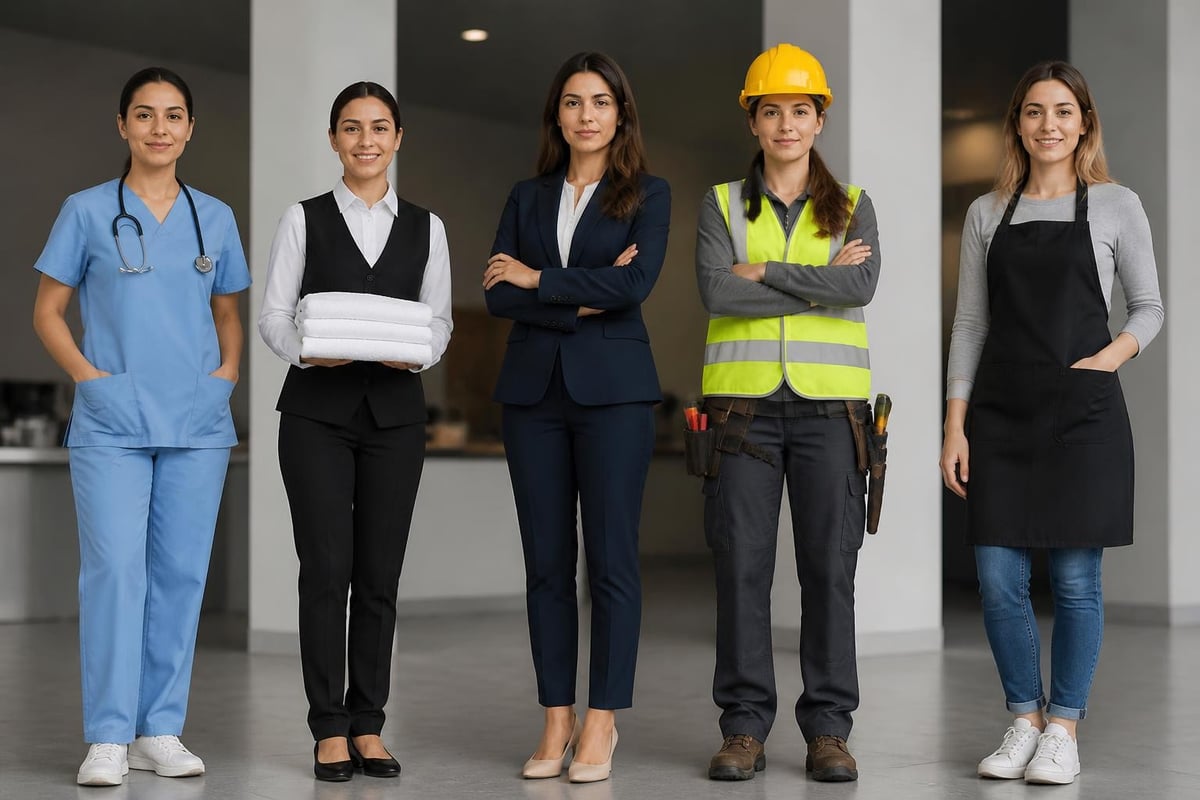
Corporate environments showcase perhaps the widest styling variation, with tailored office wear emphasising versatile layering pieces that create multiple outfit combinations from core pieces. This approach offers employees some personal expression whilst maintaining cohesive brand presentation.
Seasonal Adaptations
Climate variations throughout the year necessitate flexible approaches to ladies work uniform. Layering systems prove particularly effective, allowing employees to adjust their attire based on temperature and working conditions. Cardigans and lightweight fleeces provide warmth without bulk, whilst breathable base layers maintain comfort during warmer months.
Outdoor workers require more substantial seasonal variations, with softshell jackets and bodywarmers protecting against wind and rain whilst maintaining mobility. These garments often incorporate reflective elements, addressing safety requirements alongside weather protection.
Investment Value and Return Considerations
Quality ladies work uniform represents a significant investment, yet the returns extend beyond simple cost calculations. Professional appearance influences customer perception, employee morale, and brand consistency across all touchpoints. Studies consistently demonstrate that employees wearing well-designed uniforms report higher job satisfaction and stronger connection to their employers.
Tangible benefits include:
- Enhanced brand recognition and consistency
- Simplified morning routines for employees
- Reduced clothing allowance requirements
- Improved professional standards
- Strengthened team cohesion
The power suits and tailored designs dominating fashion runways influence professional workwear aesthetics, bringing contemporary styling to ladies work uniform collections. This convergence between fashion and function appeals to style-conscious employees whilst maintaining workplace appropriateness.
Long-term Programme Success
Successful ladies work uniform programmes require ongoing attention and periodic review. Gathering employee feedback highlights potential improvements, whilst monitoring wear patterns identifies weak points in garment construction or selection. Some organisations establish uniform committees, giving staff direct input into future purchasing decisions.
Technology integration streamlines uniform management, with online ordering platforms simplifying distribution and tracking. Digital fitting tools help remote workers select appropriate sizes, reducing returns and ensuring satisfaction from initial orders.
Addressing Common Challenges
Even well-planned programmes encounter occasional challenges. Sizing discrepancies between manufacturers can frustrate employees and complicate ordering processes. Maintaining detailed size charts and encouraging sample orders before bulk purchases mitigates this issue, though some trial and error remains inevitable.
Colour consistency across different fabric types and production runs requires vigilant quality control. Establishing relationships with reliable workwear brands ensures access to consistent products and responsive customer service when issues arise.
Common challenges and solutions:
| Challenge | Impact | Solution Approach |
|---|---|---|
| Size variations | Poor fit, reduced satisfaction | Maintain detailed measurements, order samples |
| Colour inconsistency | Unprofessional appearance | Single supplier relationships, batch ordering |
| Fabric performance | Premature wear, comfort issues | Quality testing, employee feedback loops |
| Budget constraints | Limited options, delayed updates | Strategic purchasing, phased implementations |
| Style preferences | Resistance to uniform adoption | Employee involvement in selection processes |
The elevation of comfort in women's workwear addresses historical complaints about restrictive uniforms, though balancing comfort with professional appearance requires careful consideration. Modern fabric technologies deliver both requirements simultaneously, eliminating the need for compromise.
Future Directions in Professional Workwear
Looking ahead, ladies work uniform will continue evolving alongside broader workplace trends. Smart fabrics incorporating sensors and responsive materials represent emerging possibilities, though practical applications remain limited in 2026. More immediately, advances in sustainable manufacturing will expand eco-friendly options whilst potentially reducing costs through improved efficiency.
Customisation technologies including digital printing enable smaller minimum orders and faster turnaround times, benefiting businesses seeking unique designs or frequent updates. This flexibility supports seasonal collections and limited-edition pieces that maintain visual interest in uniform programmes.
The ongoing dialogue around workplace flexibility will likely influence ladies work uniform design for years to come. Garments that transition seamlessly between professional and casual settings appeal to hybrid workers, whilst maintaining sufficient formality for client interactions and public-facing roles.
Selecting appropriate ladies work uniform requires balancing numerous considerations including industry requirements, employee comfort, brand representation, and budget constraints. By prioritising quality fabrics, inclusive sizing, and thoughtful design, organisations create uniform programmes that enhance professional standards whilst supporting employee satisfaction. Whether you need embroidered polo shirts for corporate teams, protective high-visibility clothing for outdoor workers, or stylish tunics for healthcare professionals, Cobra Workwear offers comprehensive solutions backed by expert in-house embroidery and printing services to meet your specific requirements.
