

Personalised high visibility jackets represent a crucial intersection between workplace safety and corporate branding. For businesses operating in construction, logistics, utilities, and numerous other industries, these garments serve dual purposes: protecting employees whilst simultaneously promoting brand identity. As safety regulations become increasingly stringent and corporate visibility more valuable, understanding how to select and customise high vis jackets effectively has never been more important. This comprehensive guide explores the essential considerations for organisations seeking to implement personalised high visibility workwear that complies with safety standards whilst delivering professional branding benefits.
Understanding High Visibility Standards and Compliance
Before embarking on any personalisation project, organisations must thoroughly understand the safety standards governing high visibility clothing. The EN ISO 20471:2013 standard defines the performance requirements for high visibility garments across Europe, establishing clear criteria for fluorescent background material, retroreflective tape placement, and overall garment design.
Safety Classes and Their Applications
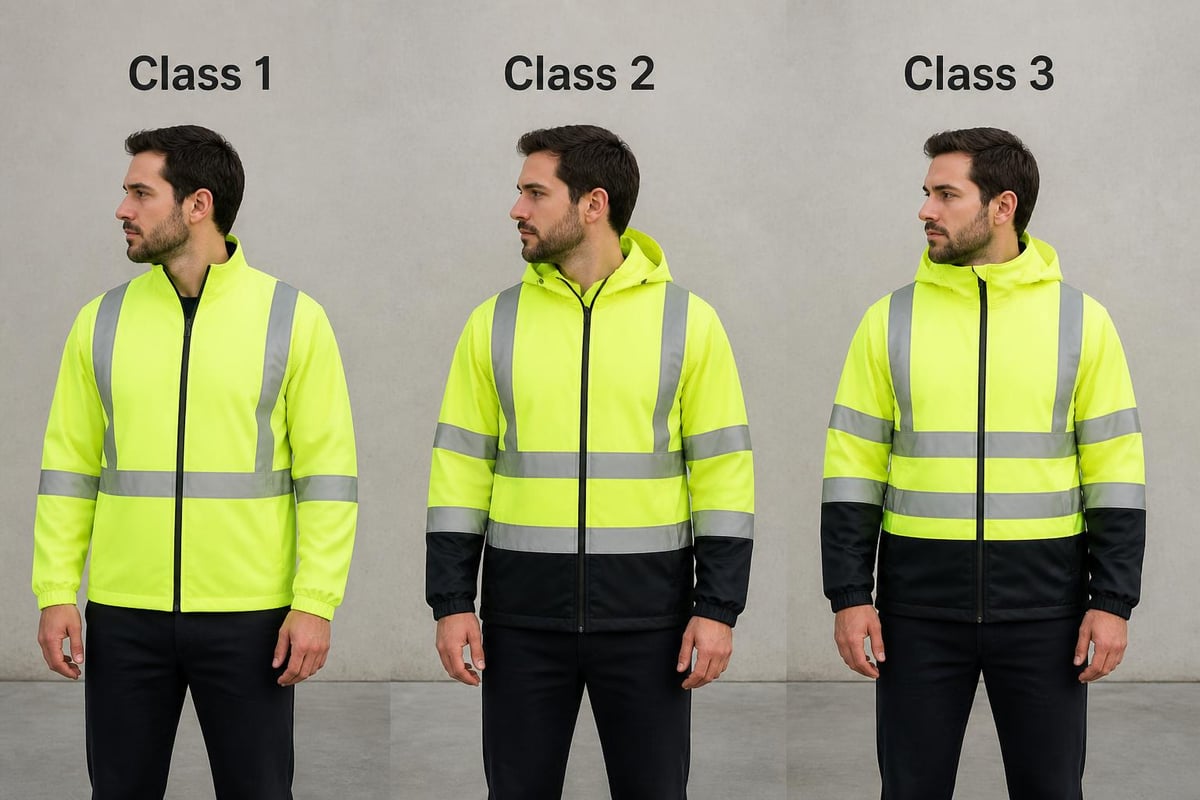
High visibility jackets are categorised into three distinct classes, each designed for specific risk environments:
- Class 1: Suitable for low-risk environments where traffic speeds do not exceed 25 mph
- Class 2: Appropriate for environments with traffic speeds up to 50 mph and moderate risk conditions
- Class 3: Required for high-risk situations involving motorways, fast-moving traffic, or poor visibility conditions
The classification system directly impacts the amount of fluorescent material and reflective tape required on each garment. Class 3 jackets demand significantly more coverage than Class 1, which influences both cost and available space for personalisation.
| Safety Class | Minimum Background Material | Minimum Retroreflective Material | Typical Use Cases |
|---|---|---|---|
| Class 1 | 0.14 m² | 0.10 m² | Warehousing, car parks |
| Class 2 | 0.50 m² | 0.13 m² | Road workers, railway personnel |
| Class 3 | 0.80 m² | 0.20 m² | Motorway maintenance, emergency services |
Understanding high-visibility clothing regulations ensures that any personalisation work maintains the garment's protective properties whilst delivering brand visibility.
Personalisation Methods for High Vis Jackets
Selecting the appropriate personalisation technique significantly impacts durability, visibility, and compliance with safety standards. Different methods suit different requirements, budgets, and aesthetic preferences.
Embroidery Services
Embroidery remains the premium choice for high vis jacket personalisation, offering exceptional durability and professional appearance. This technique creates raised, textured branding that withstands repeated industrial washing cycles. For businesses seeking quality workwear solutions, exploring options for embroidery services can provide insights into professional branding techniques that maintain garment integrity.
The embroidery process involves stitching thread directly through the fabric, creating permanent branding that won't peel or fade like some print methods. Typical placement areas include the left chest, upper back, and sleeves, though positioning must never compromise the retroreflective properties of the jacket.
Screen Printing Applications
Screen printing offers a cost-effective solution for larger orders requiring bold, simple designs. This method works particularly well for company logos with solid colours and clear outlines. Screen printing can accommodate larger design areas than embroidery, making it suitable for substantial branding across the jacket's back panel.
Key considerations for screen printing on high vis jackets include:
- Ink compatibility with fluorescent fabric materials
- Flexibility to prevent cracking during garment movement
- Washability to withstand industrial laundry processes
- UV resistance to maintain colour vibrancy outdoors
Heat Transfer and Vinyl Options
Heat transfer vinyl provides versatility for smaller batches and intricate designs. This method applies pre-cut designs using heat and pressure, creating durable graphics that flex with the fabric. Particularly useful for names, numbers, and detailed logos, heat transfer works well for teams requiring individual identification alongside corporate branding.
Strategic Placement Considerations
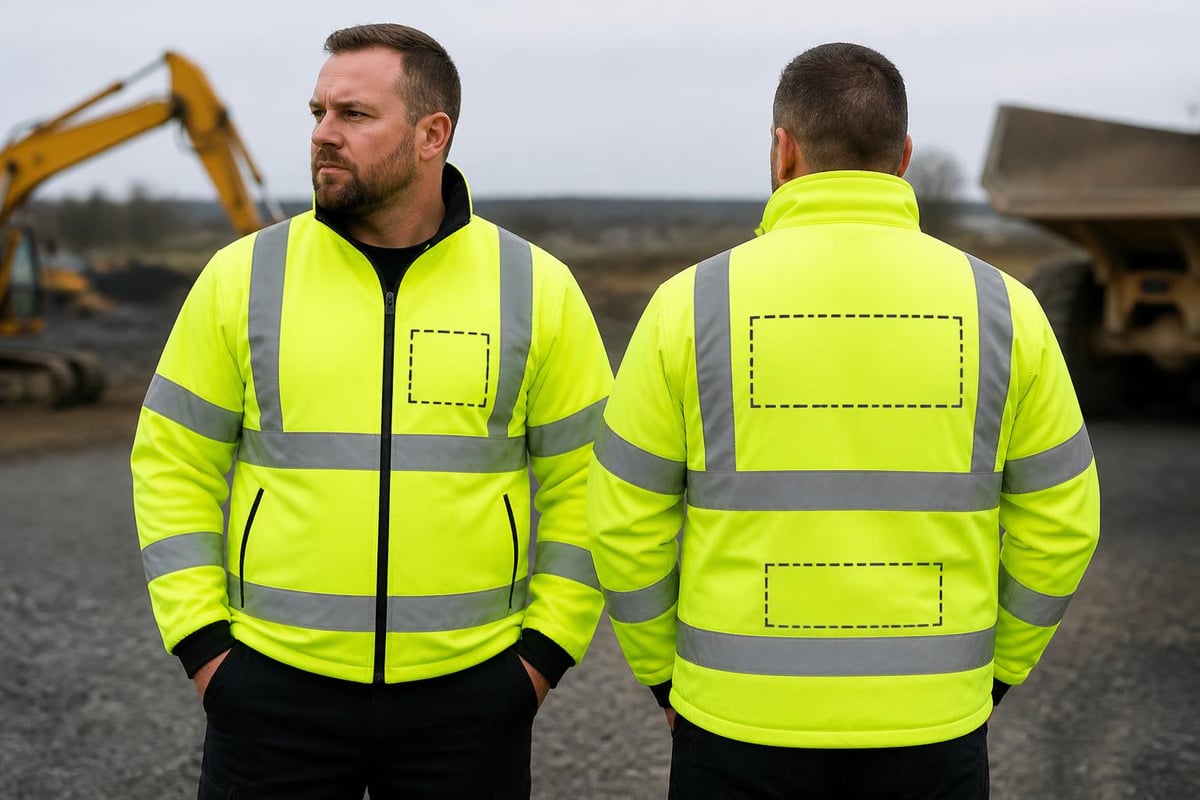
Effective personalisation of a high vis jacket personalised for your workforce requires careful thought about logo and text placement. The positioning must balance brand visibility with safety compliance, ensuring retroreflective tape and fluorescent material remain unobstructed.
Primary Branding Zones
The left chest area traditionally serves as the primary branding location, offering visibility during face-to-face interactions whilst maintaining compliance. This position typically accommodates logos between 10-15 cm wide, providing clear brand identification without interfering with safety features.
Upper back placement delivers maximum visibility from distance, particularly valuable for organisations requiring brand recognition across worksites or public spaces. This area can accommodate substantially larger designs, often 30-40 cm wide, creating powerful brand presence whilst workers face away from viewers.
Sleeve branding provides additional visibility from side angles, particularly effective when workers extend arms during tasks. This location suits text-based information such as job roles, department names, or safety certifications.
Selecting Appropriate Jacket Styles
The foundation of successful personalisation lies in selecting the correct jacket style for your operational environment. High visibility jackets come in numerous configurations, each offering distinct advantages for different working conditions and seasonal requirements.
Waterproof and Weatherproof Options
Outdoor industries require jackets with robust weather protection. Waterproof high vis jackets typically feature sealed seams, storm flaps, and water-resistant zippers, ensuring workers remain dry during adverse conditions. These garments commonly utilise polyester or nylon outer shells with breathable membrane linings, preventing moisture ingress whilst allowing perspiration to escape.
For construction and work construction clothes requirements, selecting jackets with sufficient pockets, adjustable cuffs, and removable hoods enhances functionality alongside safety.
Lightweight and Breathable Designs
Warmer months and physically demanding roles necessitate lightweight, breathable high visibility jackets. Mesh-lined designs and ventilation panels promote air circulation, reducing heat stress whilst maintaining safety compliance. These jackets often incorporate moisture-wicking fabrics that draw perspiration away from the body, enhancing comfort during extended wear.
Multi-Seasonal Versatility
Three-in-one jacket systems offer exceptional value, combining a waterproof outer shell with a removable fleece inner jacket. This configuration allows workers to adapt their protection to changing weather conditions, with both components typically featuring high visibility elements and personalisation opportunities.
Colour Selection and Brand Alignment
Whilst fluorescent yellow and orange dominate the high visibility sector, understanding the nuances of colour selection enhances both safety and branding effectiveness.
Fluorescent Yellow versus Orange
Fluorescent yellow delivers superior visibility in most environments, particularly during overcast conditions and dawn or dusk periods. This colour excels in urban settings where grey concrete and asphalt provide contrasting backgrounds.
Fluorescent orange offers advantages in green or wooded environments, where yellow might blend with foliage. Many railway and forestry operations prefer orange specifically for this contrast advantage.
Corporate Colour Integration
Whilst the primary jacket body must maintain fluorescent colouring for safety compliance, personalisation offers opportunities to incorporate corporate colours through embroidery thread choices, logo design elements, and trim details. Strategic use of company colours within compliant frameworks reinforces brand identity without compromising safety.
Customisation for Different Industries
Different sectors present unique requirements when specifying a high vis jacket personalised for their workforce. Understanding industry-specific considerations ensures garments meet both safety obligations and operational demands.
Construction and Building Trades
Construction environments demand robust, durable jackets capable of withstanding abrasive materials, repeated washing, and rough handling. Multiple pockets accommodate tools and small equipment, whilst reinforced shoulders and elbows extend garment lifespan. For comprehensive workwear for men in construction roles, considering integrated features alongside personalisation delivers maximum value.
Personalisation for construction typically includes company logos, individual names, and trade-specific certifications such as CSCS card holder identification or first aid designations.
Logistics and Warehousing
Distribution centres and warehousing operations require jackets that facilitate movement whilst providing visibility in mixed lighting conditions. Lightweight designs with generous sizing accommodate layering during temperature variations between refrigerated areas and loading docks.
Branding for logistics often emphasises company identity for public-facing roles whilst incorporating individual identification for inventory management and access control purposes.
Emergency Services and Utilities
Emergency responders and utility workers need jackets with enhanced reflective properties, often incorporating segmented or chevron patterns for maximum conspicuity. These garments frequently feature radio loops, badge tabs, and equipment attachment points alongside standard pockets.
Personalisation typically includes service identifiers, rank or role designations, and individual identification numbers rather than names for security purposes.
Maintaining Personalised High Vis Jackets
Proper maintenance ensures personalised high visibility jackets retain both their safety properties and professional appearance throughout their service life.
Washing and Care Protocols
Industrial laundering significantly impacts retroreflective performance and personalisation durability. Following manufacturer guidelines for functional features and care instructions preserves garment integrity. Typical recommendations include:
- Washing at temperatures below 40°C to prevent fluorescent fabric degradation
- Avoiding bleach and fabric softeners that damage reflective materials
- Using mild detergents specifically formulated for technical workwear
- Air drying or tumble drying on low heat settings only
Embroidered personalisation typically withstands washing better than printed designs, maintaining clarity and colour vibrancy through 50-100 wash cycles when properly maintained.
Inspection and Replacement Schedules
Regular inspection identifies compromised safety features before they endanger workers. Organisations should establish formal inspection protocols checking for:
- Retroreflective tape degradation or delamination
- Fluorescent fabric fading reducing visibility effectiveness
- Damaged zippers, tears, or compromised waterproofing
- Personalisation deterioration affecting professional appearance
High visibility jackets typically require replacement every 12-24 months in demanding environments, though well-maintained garments in less intensive applications may last longer.
Budgeting for Personalised High Vis Programmes
Implementing a comprehensive personalised high vis programme requires careful financial planning balancing initial investment against long-term value.
Cost Components and Considerations
Total programme costs encompass multiple elements beyond basic garment purchase prices:
| Cost Element | Typical Impact | Optimization Strategies |
|---|---|---|
| Base garment quality | 30-50% of total | Select appropriate class and features for actual risk levels |
| Personalisation setup | 10-20% of initial order | Minimise design complexity; increase order quantities |
| Per-item customisation | 15-25% per garment | Choose efficient decoration methods for volume |
| Replacement cycles | Ongoing operational cost | Implement proper care training and maintenance protocols |
Volume Pricing Advantages
Larger orders substantially reduce per-unit costs for both garments and personalisation. Organisations should consider annual requirements rather than purchasing reactively, negotiating volume pricing that accounts for initial rollout plus replacement needs throughout the year.
Ordering Process and Lead Times
Understanding the procurement timeline ensures personalised high vis jackets arrive when needed without unnecessary delays or rush charges.
Design Development Phase
Professional personalisation begins with proper artwork preparation. Vector format logos ensure clean reproduction at any size, whilst raster images may require professional digitisation for embroidery applications. This preparation phase typically requires 3-7 working days, though complex designs may need additional development time.
Organisations should request physical samples before committing to large orders, verifying personalisation quality, positioning, and overall appearance on the actual garment specification selected.
Production and Decoration Timelines
Standard production for personalised high vis jackets typically requires 10-15 working days from artwork approval, though this varies based on order complexity and volume. Rush services may accommodate urgent requirements with 5-7 day turnarounds, usually incurring premium charges.
Factors influencing production timelines include:
- Garment availability and stock levels
- Personalisation method complexity
- Order quantity and size range distribution
- Seasonal demand fluctuations affecting supplier capacity
Maximising Brand Impact Through Design
Effective personalisation extends beyond simply adding a logo to a high vis jacket personalised for your team. Strategic design decisions amplify brand recognition whilst maintaining professional standards.
Typography and Readability
Text elements must remain legible at distance and during movement. Sans-serif fonts generally provide superior clarity on workwear, with minimum letter heights of 15-20 mm for chest placement and 50-75 mm for back positioning ensuring readability across typical worksite distances.
Logo Simplification Strategies
Complex logos with fine details often lose clarity when reproduced on fabric, particularly through embroidery. Simplified versions emphasising bold shapes and clear colour separation translate more effectively to garment decoration. Consider developing a dedicated workwear version of your corporate logo optimised for textile reproduction.
Consistency Across Workwear Ranges
Maintaining consistent personalisation approaches across all workwear items strengthens brand identity. Organisations investing in jackets alongside other garments benefit from standardised logo placement, sizing, and colour specifications that create cohesive team appearance.
Legal and Compliance Considerations
Beyond safety standards, several legal aspects affect personalised high visibility clothing programmes.
Employer Responsibilities
UK health and safety legislation requires employers to provide appropriate personal protective equipment at no cost to employees. This includes high visibility clothing where risk assessments identify such requirements. Organisations must ensure personalised garments meet all applicable safety standards rather than prioritising aesthetic considerations over protective properties.
Data Protection and Privacy
Personalisation including employee names or identification numbers must comply with GDPR requirements. Organisations should establish clear policies regarding what information appears on workwear, obtaining employee consent where personal data becomes publicly visible.
Trademark and Copyright Compliance
Using third-party logos, brand names, or copyrighted imagery on workwear requires proper authorisation. This particularly affects businesses providing services to multiple clients who may request their branding on contractor clothing. Ensuring appropriate licensing prevents legal complications whilst protecting professional reputation.
Measuring Programme Success
Implementing metrics to evaluate personalised high vis jacket programmes ensures continued value and identifies improvement opportunities.
Safety Performance Indicators
Track incident rates comparing periods before and after introducing enhanced visibility workwear. Reduction in near-miss reports and vehicle-pedestrian incidents provides quantifiable evidence of safety improvements attributable to proper high visibility clothing implementation.
Brand Recognition Assessment
Survey clients, site visitors, and the general public regarding brand awareness associated with your personalised workwear. For public-facing industries, visible branding on high vis jackets significantly contributes to marketing reach and professional perception.
Return on Investment Analysis
Calculate total programme costs including garments, personalisation, and maintenance against measurable benefits such as safety improvements, marketing value, and professional image enhancement. Comprehensive ROI analysis justifies continued investment whilst identifying optimisation opportunities for future procurement cycles.
Implementing a successful personalised high visibility jacket programme requires balancing safety compliance, practical functionality, and effective branding strategies. By understanding safety standards, selecting appropriate personalisation methods, and maintaining garments properly, organisations create workwear that protects employees whilst strengthening corporate identity. Whether you need high visibility jackets for construction teams, logistics operations, or emergency services, Cobra Workwear offers comprehensive solutions combining quality garments with professional in-house embroidery and printing services tailored to your specific requirements.
