

Finding suitable hi vis workwear near me has become increasingly important as workplace safety regulations continue to evolve in 2026. Whether you're managing a construction site, coordinating roadside maintenance, or overseeing warehouse operations, sourcing high-visibility clothing locally offers distinct advantages over online-only purchases. The ability to inspect fabric quality, verify sizing consistency, and discuss customisation requirements face-to-face ensures your team receives garments that genuinely protect them whilst reinforcing your company's professional image. This comprehensive guide examines everything you need to consider when searching for reliable hi vis workwear suppliers in your area.
Understanding High-Visibility Workwear Standards
Before searching for hi vis workwear near me, it's essential to understand the regulatory framework governing these garments. In the UK, high-visibility clothing must comply with EN ISO 20471:2013, which replaced the older EN 471 standard. This regulation categorises garments into three classes based on the amount of visible material and the environments where they're appropriate.
Classification System Explained
| Class | Background Material | Retroreflective Material | Typical Applications |
|---|---|---|---|
| Class 1 | 0.14 m² minimum | 0.10 m² minimum | Low-risk environments, warehouses |
| Class 2 | 0.50 m² minimum | 0.13 m² minimum | Medium-risk areas, roadside work |
| Class 3 | 0.80 m² minimum | 0.20 m² minimum | High-risk zones, highways, night work |
Understanding these classifications helps you select appropriate garments when browsing local suppliers. High-visibility standards determine not just safety compliance but also legal liability protection for your organisation.
Class 3 garments provide maximum visibility and typically include long sleeves with retroreflective tape positioned on arms, torso, and legs. They're mandatory for motorway work and environments with fast-moving traffic exceeding 30mph.

Colour Requirements and Performance
Fluorescent colours serve a specific scientific purpose beyond aesthetics. The human eye perceives fluorescent yellow-green and orange-red most readily in low-light conditions, particularly during dawn and dusk when many workplace incidents occur.
- Fluorescent yellow-green: Optimal for daytime visibility and overcast conditions
- Fluorescent orange-red: Superior contrast against green backgrounds and urban environments
- Combined colour schemes: Often used for multi-environment applications
The retroreflective material must maintain performance after 50 wash cycles according to compliance standards, making quality verification crucial when selecting a local supplier.
Benefits of Sourcing Hi Vis Workwear Locally
When searching for hi vis workwear near me, choosing local suppliers offers advantages that extend beyond convenience. The ability to establish relationships with regional providers creates opportunities for better service, faster turnaround times, and personalised attention to your specific requirements.
Immediate Access and Inspection
Physical locations allow you to examine garment construction before purchasing. You can assess stitching quality, fabric weight, and retroreflective tape durability firsthand. This tactile evaluation proves particularly valuable when selecting workwear for specific industries, where fabric performance characteristics directly impact worker comfort and safety.
Local suppliers often maintain inventory for immediate collection, eliminating shipping delays when urgent replacements are needed. This responsiveness becomes critical when team members damage garments unexpectedly or new staff join your organisation.
Sizing Accuracy and Try-Before-You-Buy
Sizing inconsistencies plague the workwear industry, with substantial variations between manufacturers. Visiting local stockists enables workers to try garments before commitment, reducing costly returns and ensuring proper fit from the outset.
Poor-fitting hi vis workwear compromises both safety and comfort. Garments that are too large may snag on equipment, whilst undersized clothing restricts movement and causes discomfort during extended wear. Understanding how high-visibility clothing functions reinforces why proper sizing matters beyond simple comfort considerations.
What to Look for in Local Suppliers
Not all suppliers offering hi vis workwear near me provide equal value or service quality. Evaluating potential vendors requires examining several critical factors that influence your long-term satisfaction and team safety.
Stock Range and Specialisation
- Industry-specific options: Construction, utilities, emergency services each require different garment types
- Seasonal variations: Breathable summer vests versus insulated winter jackets
- Size inclusivity: Full range from XS through 6XL plus maternity and adaptive options
- Style diversity: Vests, jackets, trousers, coveralls, headwear
Suppliers demonstrating expertise in different sectors typically understand nuanced requirements better than general retailers. They can recommend specific products based on your operational environment rather than merely showing what's in stock.
Customisation and Branding Services
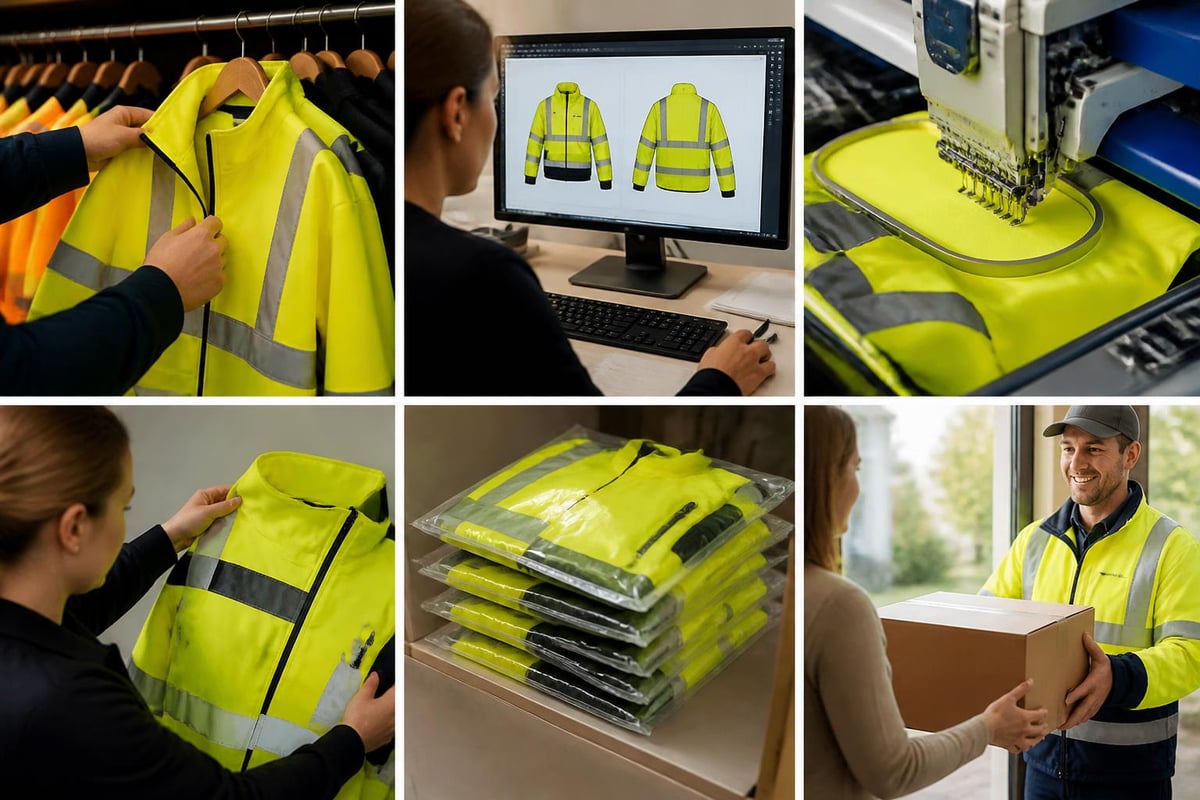
Many local workwear suppliers offer embroidery and printing services, transforming standard hi vis garments into branded corporate uniforms. When evaluating these capabilities, consider:
- In-house versus outsourced services: In-house operations typically offer faster turnaround
- Design assistance: Help creating professional-looking logos and placement
- Colour matching: Accurate reproduction of corporate brand colours
- Durability guarantees: How customisation withstands industrial washing
Companies like Cobra Workwear provide in-house embroidery and printing services, enabling quicker turnaround times and consistent quality control throughout the customisation process. This integrated approach proves particularly valuable when coordinating large team orders or managing ongoing uniform programmes.
Evaluating Quality Beyond Compliance Certificates
Whilst certification ensures minimum safety standards, several quality indicators separate adequate hi vis workwear from exceptional garments that deliver long-term value.
Fabric Construction and Durability
| Quality Indicator | What to Check | Why It Matters |
|---|---|---|
| Fabric weight | 150-200 GSM for standard use | Heavier fabrics resist tearing |
| Weave density | Tightly woven, minimal light penetration | Better durability and appearance retention |
| Seam construction | Double-stitched or flat-felled | Prevents splitting under stress |
| Tape attachment | Sewn rather than heat-sealed | Survives repeated washing |
Examining these details when visiting suppliers helps identify garments that will maintain appearance and functionality throughout their service life. According to research on hi vis workwear effectiveness, properly maintained quality garments significantly outperform budget alternatives in real-world conditions.
Practical Design Features
Beyond basic compliance, well-designed hi vis workwear incorporates features that enhance usability:
- Multiple pockets with secure closures for tools and devices
- Ventilation panels in strategic locations for breathability
- Adjustable cuffs and hems accommodating different body types
- ID badge holders integrated into chest areas
- Radio loops for communication equipment
These seemingly minor details dramatically impact worker satisfaction and garment functionality across shift durations.
Seasonal Considerations for Hi Vis Workwear
When searching for hi vis workwear near me, consider how seasonal variations affect garment requirements. British weather demands versatile clothing solutions that maintain visibility standards whilst addressing temperature extremes.
Summer and Warm Weather Options
Lightweight hi vis garments prevent heat stress whilst maintaining safety compliance. Look for:
Mesh fabrics in vests and t-shirts allowing maximum airflow. These work exceptionally well for activities involving physical exertion in warm conditions.
Moisture-wicking properties that draw perspiration away from skin, enhancing comfort during extended outdoor work. This technology has become standard in quality workwear by 2026.
UPF protection integrated into fabric construction, shielding workers from harmful UV radiation during prolonged sun exposure. This dual-purpose functionality adds value beyond basic visibility requirements.
Winter and Cold Weather Protection
Cold months require hi vis garments offering thermal protection without compromising visibility. Class 3 high-visibility clothing becomes particularly important during darker winter days when ambient light levels decrease.
- Insulated jackets with removable linings providing adaptability
- Waterproof membranes maintaining comfort in wet conditions
- High collars and storm flaps protecting against wind and precipitation
- Fleece-lined options for moderate cold without bulk
Layering systems prove most effective, combining base hi vis garments with compatible outerwear maintaining compliance throughout.
Questions to Ask Local Suppliers
Preparing specific questions before visiting hi vis workwear suppliers ensures productive conversations and helps identify the most suitable provider for your needs.
Stock and Ordering Processes
- What minimum order quantities do you require for standard items?
- How quickly can you fulfil urgent orders for immediate collection?
- Do you offer trial periods or sample garments for evaluation?
- What return policies apply to incorrect sizing or defective items?
- Can you accommodate irregular sizing requirements or custom measurements?
These practical considerations affect operational efficiency when managing team wardrobes. Understanding terms upfront prevents frustration later.
Ongoing Service and Support
Account management services streamline reordering for established clients. Ask whether suppliers assign dedicated contacts who understand your specific requirements and can proactively suggest relevant products.
Maintenance advice helps extend garment lifespan. Quality suppliers provide washing instructions, repair services, and replacement schedules optimising total cost of ownership. Proper workwear care significantly extends usable life whilst maintaining safety compliance.
Cost Considerations and Budget Planning
Whilst searching for hi vis workwear near me, balancing cost against quality requires strategic thinking beyond simple unit pricing.
Total Cost of Ownership Analysis
| Cost Factor | Budget Range Impact | Premium Range Impact |
|---|---|---|
| Initial purchase price | £8-15 per garment | £25-45 per garment |
| Expected lifespan | 6-12 months | 18-36 months |
| Replacement frequency | 2-3 times annually | Once per 2-3 years |
| Customisation durability | Fading after 20 washes | Maintains appearance 100+ washes |
| Annual cost per worker | £30-45 | £15-25 |
This analysis reveals how premium garments often deliver better value through extended service life and reduced replacement cycles. Factor in staff time managing frequent replacements, and the case for quality strengthens further.
Volume Discounts and Corporate Programmes
Local suppliers frequently offer preferential pricing for established accounts maintaining consistent order volumes. When discussing hi vis workwear near me with potential vendors, enquire about:
- Tiered pricing structures based on annual spend
- Standing orders with scheduled deliveries at discounted rates
- Mixed product discounts applying across entire workwear ranges
- Loyalty programmes rewarding repeat business
These arrangements benefit both parties, ensuring steady business for suppliers whilst reducing your procurement costs.
Sustainability and Environmental Considerations
By 2026, environmental responsibility has become central to procurement decisions across all industries. When evaluating hi vis workwear suppliers, consider their sustainability credentials and product offerings.
Eco-Friendly Material Options
Modern hi vis workwear incorporates sustainable materials without compromising safety performance:
Recycled polyester from post-consumer plastic bottles now matches virgin material quality whilst reducing environmental impact. Many manufacturers achieve 100% recycled content in fluorescent fabrics.
Organic cotton blends provide natural comfort with reduced pesticide use during cultivation. These work particularly well for base layers worn beneath hi vis outer garments.
Biodegradable retroreflective materials emerging in 2026 address end-of-life concerns, though performance validation continues. Ask suppliers about availability and certification status.
Understanding eco-friendly workwear options demonstrates corporate responsibility whilst potentially qualifying for environmental procurement initiatives.
Circular Economy Approaches
Progressive suppliers now offer garment take-back schemes, recycling worn hi vis clothing into new products. This closed-loop thinking reduces landfill waste whilst supporting sustainability goals.
Repair services extend garment life by addressing minor damage before replacement becomes necessary. Simple fixes like reattaching retroreflective tape or replacing damaged zips significantly extend usability.
Digital Tools Supporting Local Purchasing
Technology has transformed how we locate and evaluate hi vis workwear near me, combining online research with in-person purchasing benefits.
Mapping and Review Platforms
Modern search tools help identify nearby suppliers quickly:
- Google Maps integration showing supplier locations, opening hours, and customer reviews
- Specialised workwear directories filtering by product type and certification
- Industry forums where professionals share supplier experiences and recommendations
- Social media presence indicating active businesses engaging with customers
These resources provide preliminary screening before visiting locations, saving time and ensuring suppliers stock relevant products.
Virtual Consultation Options
Many local suppliers now offer video consultations, allowing detailed discussions before in-person visits. This hybrid approach combines convenience with personal service, particularly useful when coordinating purchases across multiple locations or shifts.
Industry-Specific Requirements
Different sectors impose unique demands on hi vis workwear, influencing which garments prove most suitable when searching for hi vis workwear near me.
Construction and Building Sites
Construction environments require durable fabrics resisting abrasion from rough materials and equipment. Look for reinforced knees, tool pockets, and hammer loops integrated into hi vis trousers.
Flame-resistant properties become mandatory when working near welding operations or handling flammable materials. Ensure garments carry appropriate certifications beyond basic visibility standards.
Utilities and Emergency Services
Arc flash ratings matter for electrical workers, requiring specialised hi vis garments tested for specific energy exposure levels. According to high-visibility standards guidance, combining multiple protective properties requires careful specification.
Quick-identification features help emergency responders recognise roles instantly. Colour-coded hi vis garments or specific retroreflective patterns facilitate this recognition.
Transport and Logistics
Enhanced retroreflection proves critical for workers operating near moving vehicles. Research on hi vis t-shirt regulations demonstrates how garment design affects driver response times and accident prevention.
Layering compatibility allows warehouse workers transitioning between indoor and outdoor environments to add or remove insulation whilst maintaining visibility compliance throughout.
Maintaining Hi Vis Workwear Effectiveness
Once you've sourced suitable hi vis workwear near me, proper maintenance ensures garments deliver full service life whilst maintaining safety compliance.
Washing and Care Protocols
- Separate hi vis garments from other laundry preventing dye transfer
- Use mild detergents avoiding bleach or fabric softeners that degrade fluorescent dyes
- Follow temperature guidelines typically 40°C maximum for most hi vis fabrics
- Air dry when possible as excessive heat accelerates material degradation
- Inspect retroreflective tape regularly for peeling or damage
Industrial laundering services understand these requirements and often extend garment lifespan compared to inappropriate home washing. Many local suppliers can recommend compatible laundry providers.
Replacement Schedules and Inspection
Visual inspection protocols should identify garments requiring retirement:
- Faded fluorescent colours failing the "bright test" comparison against new garments
- Cracked or peeling retroreflective tape compromising visibility
- Torn fabric exposing non-compliant background material
- Stains or contamination preventing effective cleaning
Establishing regular replacement cycles based on wear patterns rather than arbitrary timeframes optimises safety and budget allocation.
Negotiating with Local Suppliers
Effective negotiation when sourcing hi vis workwear near me creates mutually beneficial relationships delivering better value and service.
Building Partnership Approaches
Rather than adversarial price haggling, focus on creating win-win scenarios:
Commit to regular purchasing volumes in exchange for preferential pricing and priority service during peak demand periods.
Provide accurate forecasting helping suppliers manage inventory efficiently, reducing their costs and enabling better pricing for your organisation.
Offer testimonials and references supporting supplier marketing efforts, particularly valuable for newer businesses building reputation.
Contract Terms Worth Negotiating
| Contract Element | What to Request | Potential Value |
|---|---|---|
| Payment terms | 30-60 day accounts | Improved cash flow |
| Price protection | Fixed rates for 12 months | Budget certainty |
| Emergency service | Guaranteed 24-hour fulfilment | Operational continuity |
| Trial periods | No-cost samples of new products | Risk-free innovation |
These arrangements transform transactional relationships into strategic partnerships delivering ongoing benefits beyond individual purchases.
Future Trends in Hi Vis Workwear
As 2026 progresses, several emerging trends are reshaping the hi vis workwear landscape, influencing what you'll find when searching for hi vis workwear near me.
Smart Fabric Integration
Wearable technology embedded in hi vis garments now monitors worker wellbeing, tracking biometric data and environmental exposure. Whilst still emerging, local suppliers increasingly stock these advanced options for safety-conscious organisations.
LED-enhanced visibility supplements traditional retroreflective materials, particularly valuable during low-light operations. Battery technology improvements have made these practical for full-shift wear.
Customisation Technology Advances
Digital printing techniques enable smaller minimum orders and faster turnaround for customised hi vis workwear. This democratisation allows smaller organisations to access professional branding previously requiring substantial volumes.
3D scanning for sizing helps suppliers create perfectly fitted garments, addressing one of workwear's persistent challenges. Early adopters report significant improvements in worker satisfaction and garment performance.
Finding quality hi vis workwear near me requires evaluating compliance standards, assessing supplier capabilities, and understanding total cost considerations beyond initial purchase prices. By focusing on local suppliers offering personalised service, customisation options, and ongoing support, you ensure your team receives garments that genuinely protect whilst reinforcing professional standards. Cobra Workwear specialises in providing high-quality workwear across various industries, with in-house embroidery and printing services ensuring quick turnaround times and consistent results for organisations requiring branded hi vis solutions. Whether you need Class 1 warehouse vests or Class 3 construction jackets, working with experienced suppliers transforms safety compliance from obligation into competitive advantage.
