

Custom hi vis clothing represents a critical intersection between workplace safety and professional branding. As businesses across the UK prioritize both employee protection and corporate identity, the demand for personalized high-visibility garments continues to grow. Whether you operate in construction, highways maintenance, logistics, or events management, custom hi vis clothing allows you to meet stringent safety regulations whilst ensuring your team remains instantly identifiable. This comprehensive guide explores the essential aspects of choosing, designing, and implementing custom high-visibility workwear that serves both safety and branding purposes effectively.
Understanding High-Visibility Standards and Compliance
Before investing in custom hi vis clothing, understanding the regulatory framework is essential. In the UK and Europe, high-visibility protective clothing must comply with EN ISO 20471 standards, which specify requirements for colour, retroreflective materials, and minimum areas of visible material.
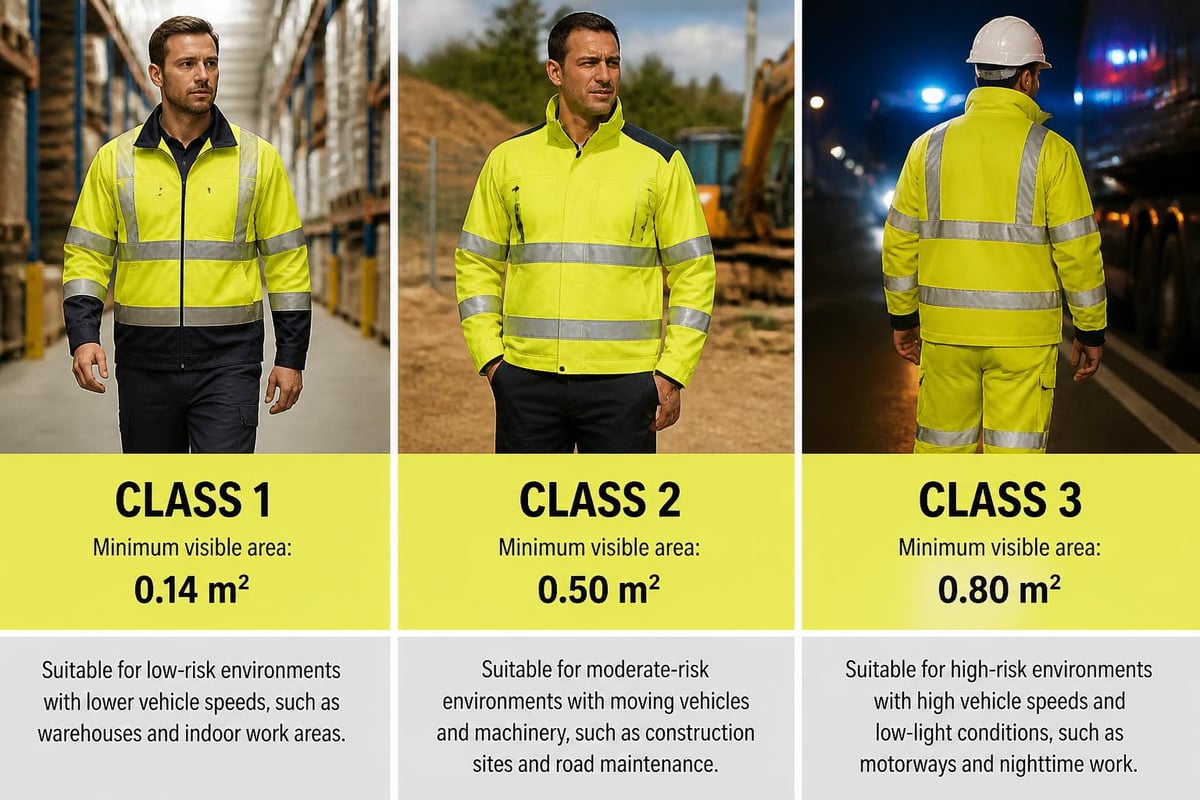
The standard categorizes garments into three classes based on the amount of visible material:
- Class 1: Lowest level of visibility, suitable for workers in low-risk environments with good lighting
- Class 2: Medium visibility, appropriate for workers near moving traffic or machinery
- Class 3: Highest visibility, required for high-risk environments including motorways and construction sites
Colour and Material Requirements
High-visibility garments must feature fluorescent background material in specific approved colours. The most common options include fluorescent yellow, orange-red, and red. These colours remain visible during daylight hours, whilst retroreflective tape ensures visibility during low-light conditions.
| Component | Purpose | Standard Requirement |
|---|---|---|
| Fluorescent fabric | Daytime visibility | Minimum 0.14-0.80m² depending on class |
| Retroreflective tape | Night/low-light visibility | Minimum 0.10-0.20m² depending on class |
| Combined performance material | Dual functionality | Must meet both fluorescent and retroreflective standards |
The placement of retroreflective tape must create a recognizable human silhouette from all viewing angles. This ensures workers remain visible regardless of their position or movement.
Design Considerations for Custom Hi Vis Clothing
Creating effective custom hi vis clothing requires balancing safety compliance with brand identity. Your design choices must never compromise the garment's protective function whilst still delivering professional branding impact.
Logo Placement and Size Restrictions
When adding company logos to high-visibility garments, placement becomes crucial. Logos must not obscure or reduce the required amount of fluorescent or retroreflective material. Strategic placement options include:
- Chest area: Small to medium logos work well without interfering with retroreflective bands
- Upper back: Larger logo placement possible between shoulder bands
- Sleeves: Additional branding opportunity on non-critical areas
- Lower back: Suitable for company names or contact details
Most safety standards permit up to 10% reduction in visible material for branding purposes, provided the garment still meets minimum requirements for its class. Working with experienced providers who understand these limitations ensures compliance whilst maximizing brand visibility.
Embroidery Versus Printing Options
Custom hi vis clothing can be personalized through various methods, each offering distinct advantages. At Cobra Workwear, in-house embroidery services provide durable, professional branding that withstands harsh working conditions.
Embroidery benefits:
- Exceptional durability and longevity
- Professional, premium appearance
- Maintains integrity through repeated washing
- Ideal for logos with moderate detail
Screen printing advantages:
- Cost-effective for large quantities
- Suitable for complex, multi-colour designs
- Lighter weight on fabric
- Faster production for bulk orders
The choice between embroidery and printing depends on your budget, design complexity, and durability requirements. Many businesses opt for embroidered logos on high-wear areas and printed text or secondary branding elsewhere.
Industry-Specific Applications and Requirements
Different industries face unique challenges when specifying custom hi vis clothing. Understanding sector-specific needs ensures your workwear delivers optimal protection and functionality.
Construction and Building Sites
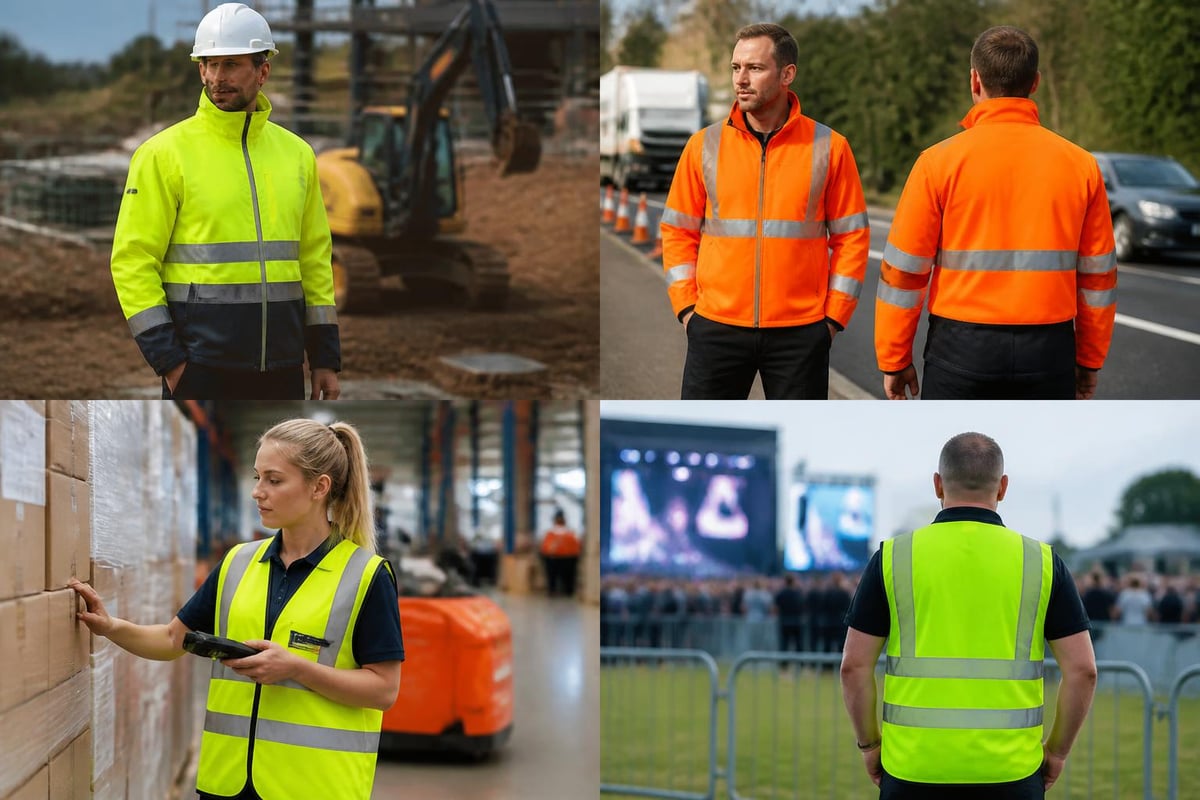
Construction work environments typically require Class 2 or Class 3 hi vis clothing due to the presence of heavy machinery and multiple hazards. Custom options for this sector often include:
- Multi-pocket designs for tool storage
- Reinforced elbows and shoulders for durability
- Weather-resistant materials for outdoor work
- High-visibility trousers in addition to jackets and vests
Highway and Traffic Management
Workers operating near moving vehicles face particularly high risks, making Class 3 high-visibility clothing essential. Highway maintenance teams benefit from custom hi vis clothing featuring:
- Maximum retroreflective coverage
- Extended length jackets for full-body visibility
- Mesh ventilation for comfort during physical work
- Distinctive company colours for team identification
Warehousing and Logistics
Distribution centres and warehouses present unique visibility challenges with forklift traffic and busy loading areas. Custom hi vis clothing for these environments often emphasizes comfort for indoor wear whilst maintaining safety standards.
| Feature | Warehouse Requirement | Custom Solution |
|---|---|---|
| Weight | Lightweight for all-day wear | Mesh or breathable fabrics |
| Visibility | Class 2 typically sufficient | Strategic tape placement |
| Branding | Clear company identification | Front and back logo options |
| Durability | Frequent washing required | Quality stitching and materials |
Benefits Beyond Safety Compliance
Whilst safety remains the primary driver for high-visibility workwear, custom hi vis clothing delivers additional business advantages that justify the investment.
Professional Brand Image
Custom hi vis clothing transforms safety wear into mobile advertising. Your team becomes instantly recognizable at job sites, creating professional credibility. Clients and potential customers notice uniformed teams, associating the visible professionalism with service quality.
For businesses working across multiple sites simultaneously, custom branding ensures clear team identification. This prevents confusion, improves security, and demonstrates organizational competence.
Enhanced Team Unity and Morale
Providing quality custom workwear shows investment in employee welfare. Workers appreciate well-designed, comfortable safety clothing bearing their company identity. This contributes to:
- Stronger team identity and belonging
- Improved pride in appearance
- Better staff retention
- Enhanced workplace culture
Cost-Effectiveness Through Durability
Quality custom hi vis clothing represents a long-term investment rather than a disposable expense. Whilst initial costs may exceed basic alternatives, superior materials and construction deliver better value through extended lifespan.
Choosing reputable suppliers who understand high-visibility clothing standards ensures garments maintain their protective properties throughout their working life. Faded fluorescent materials or damaged retroreflective tape compromise safety and require replacement sooner.
Selecting the Right Custom Hi Vis Clothing Supplier
Your choice of supplier significantly impacts both garment quality and customization outcomes. Several factors deserve consideration when selecting a partner for custom hi vis clothing projects.
In-House Production Capabilities
Suppliers offering in-house embroidery and printing services typically provide better quality control, faster turnaround times, and greater flexibility. When modifications or rush orders become necessary, integrated production facilities respond more effectively than outsourced operations.
Understanding the differences between embroidery and screen printing helps you make informed decisions about branding methods. Experienced suppliers guide customers towards appropriate techniques based on their specific requirements.
Product Range and Quality
Comprehensive product ranges allow businesses to outfit entire teams with coordinated custom hi vis clothing. Look for suppliers offering:
- Multiple garment types (jackets, vests, trousers, coveralls)
- Various visibility classes
- Seasonal options (insulated winter wear, breathable summer garments)
- Complementary accessories (hats, gloves, bags)
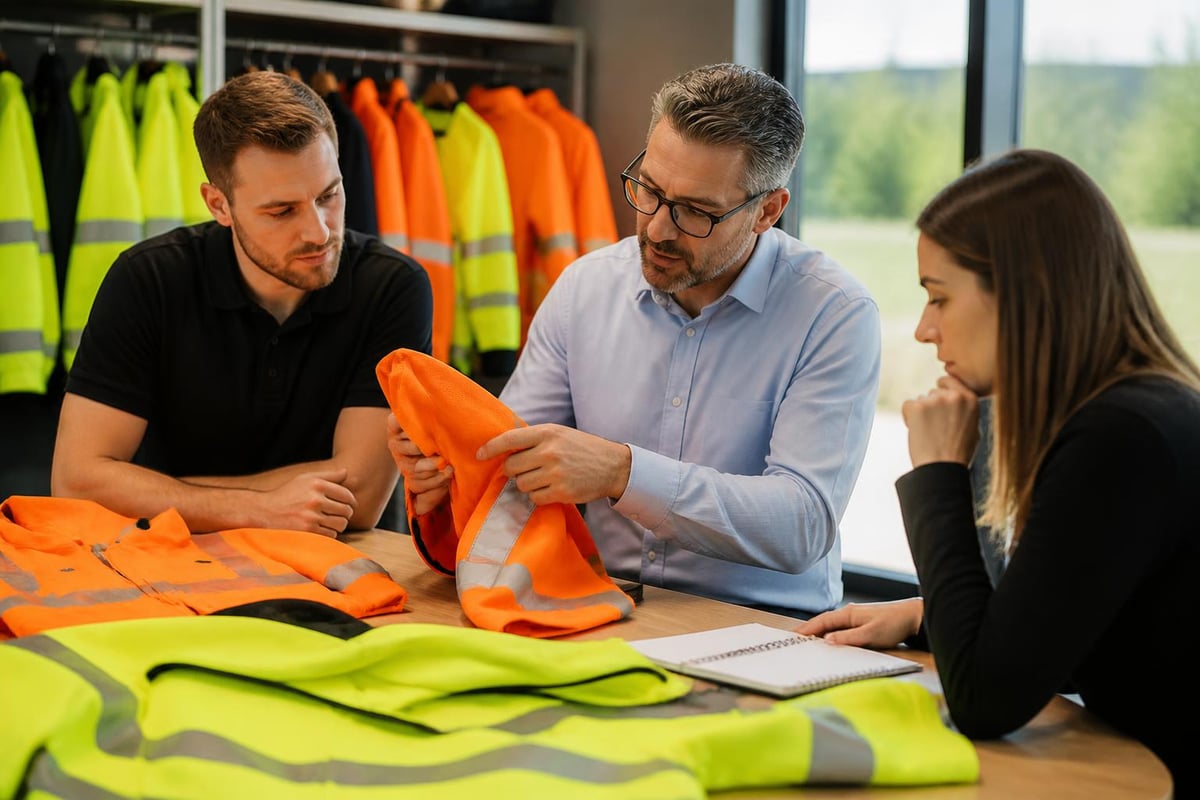
Quality varies significantly across suppliers. Request samples before committing to large orders, examining stitching quality, material weight, and overall construction standards.
Designing Your Custom Hi Vis Clothing Programme
Implementing custom hi vis clothing across your organization requires thoughtful planning. A structured approach ensures consistency, compliance, and cost-effectiveness.
Conducting a Needs Assessment
Begin by identifying which roles require high-visibility clothing and at what classification level. Consider:
- Specific hazards faced by different team members
- Working environments (indoor, outdoor, mixed)
- Seasonal requirements
- Frequency of wear
- Budget constraints
This assessment prevents over-specification (unnecessary cost) or under-specification (inadequate protection).
Establishing Design Guidelines
Create clear design standards for your custom hi vis clothing that balance branding with compliance. Document specifications for:
Logo specifications:
- Approved logo files and formats
- Size parameters for different garment types
- Colour variations (standard logo colours may need adjustment for visibility)
- Placement locations
Text additions:
- Employee names or ID numbers
- Job titles or departments
- Contact information
- Safety messages or reminders
Sizing and Fit Considerations
Proper fit is essential for both comfort and safety. Ill-fitting high-visibility clothing can restrict movement, reduce visibility, or fail to meet classification standards if too small. Establish a systematic sizing process:
- Measure each employee professionally
- Provide fitting samples before bulk ordering
- Account for layering (winter jackets over other clothing)
- Maintain size records for future orders
- Plan for new starters and replacements
Many suppliers offer women-specific cuts alongside standard sizing. Women's workwear designed with appropriate proportions ensures comfort and proper fit for all team members.
Maintenance and Lifecycle Management
Custom hi vis clothing requires proper care to maintain both appearance and protective properties throughout its service life. Establishing maintenance protocols maximizes your investment.
Washing and Care Instructions
High-visibility garments need specific washing approaches to preserve fluorescent colours and retroreflective performance. Provide clear guidance to employees:
- Wash at temperatures recommended by manufacturer (typically 40-60°C)
- Use mild detergents without bleach or fabric softeners
- Avoid tumble drying at high temperatures
- Inspect retroreflective tape regularly for damage
- Replace garments when visibility deteriorates
Fluorescent materials naturally fade with exposure to UV light and repeated washing. Even with proper care, custom hi vis clothing has a finite lifespan before visibility falls below safety standards.
Replacement Schedules and Inventory Management
Implement systematic replacement protocols based on:
| Factor | Recommended Action |
|---|---|
| Regular wear | Replace annually or bi-annually |
| Occasional use | Inspect quarterly, replace when degraded |
| Damaged garments | Immediate replacement |
| Faded fluorescence | Replace before falling below standard |
| Torn retroreflective tape | Replace immediately |
Maintain adequate inventory to handle replacements without delays. When employees lack proper safety equipment, work may stop or risks increase unacceptably.
Future Trends in Custom Hi Vis Clothing
The high-visibility workwear sector continues evolving with technological advances and changing workplace needs. Understanding emerging trends helps businesses plan future custom hi vis clothing investments.
Smart Fabric Integration
Innovative manufacturers are developing high-visibility garments with integrated technology. Future custom hi vis clothing may include:
- LED illumination for enhanced visibility
- GPS tracking for lone worker safety
- Temperature regulation fabrics
- Moisture-wicking technical materials
- Integrated communication devices
Sustainable Materials and Production
Environmental consciousness is driving demand for eco-friendly workwear options. Sustainable fabric choices include recycled polyester retroreflective materials and organic cotton fluorescent dyes. Businesses prioritizing sustainability can specify these materials whilst maintaining safety compliance.
Enhanced Comfort and Style
Modern workers expect functional workwear that looks professional and feels comfortable. Custom hi vis clothing manufacturers respond with:
- Athletic-cut designs for better movement
- Breathable, lightweight materials
- Contemporary styling beyond traditional safety wear
- Feminine cuts and sizing
- Colour options beyond traditional yellow and orange (where permitted)
These improvements increase wearer compliance, as employees prefer wearing well-designed custom hi vis clothing rather than viewing it as an uncomfortable obligation.
Budgeting for Custom Hi Vis Clothing
Understanding cost factors helps businesses budget effectively for custom hi vis clothing programmes. Prices vary based on several elements.
Cost Components
Base garment costs depend on:
- Garment type and complexity
- Safety classification (Class 3 typically costs more than Class 1)
- Material quality and features
- Brand reputation
- Order quantity (bulk discounts available)
Customization costs include:
- Setup fees for logo digitization
- Embroidery or printing charges per item
- Additional colours or complexity
- Placement location and size
- Ongoing orders versus one-time purchases
Value Calculation
Rather than focusing solely on initial price, calculate total cost of ownership. Consider:
- Expected garment lifespan
- Replacement frequency
- Quality-related durability differences
- Brand value and professional impact
- Employee satisfaction and retention
A higher-quality custom hi vis clothing programme costing 30% more initially but lasting twice as long delivers better value than cheaper alternatives requiring frequent replacement.
Custom hi vis clothing successfully merges essential safety compliance with powerful brand identity, creating workwear that protects employees whilst promoting your business professionally. By understanding standards, design options, and industry-specific requirements, you can implement a high-visibility clothing programme that serves multiple objectives effectively. Whether you need custom embroidered safety wear for a construction team or branded high-visibility vests for event staff, Cobra Workwear provides comprehensive solutions with in-house embroidery services, ensuring quality, compliance, and fast turnaround times for UK businesses across all sectors.
