

Workwear protective clothing serves as the first line of defence for employees facing occupational hazards across diverse industries. From construction sites to healthcare facilities, selecting appropriate protective garments can mean the difference between workplace safety and preventable injury. Understanding the regulatory landscape, material innovations, and proper maintenance protocols ensures organisations not only meet compliance requirements but also foster a culture of safety that protects their most valuable asset: their workforce.
Understanding Workwear Protective Clothing Standards
The regulatory framework governing workwear protective clothing has evolved significantly over recent years, with multiple organisations establishing rigorous standards to safeguard workers. OSHA's personal protective equipment standards provide comprehensive guidelines that employers must follow, outlining specific requirements for different workplace hazards. These regulations mandate that employers assess workplace risks and provide appropriate protective garments at no cost to employees.
Compliance begins with understanding the criteria for personal protective equipment as outlined in federal regulations. Employers bear responsibility for ensuring protective clothing meets industry-specific requirements and remains in serviceable condition. This includes regular inspections, proper storage, and timely replacement of damaged garments.
International Standards and Certifications
Beyond national regulations, ISO standards for workwear cover various protective properties including flame resistance, chemical resistance, and high-visibility characteristics. These international benchmarks ensure consistent quality across global supply chains.
Key certifications include:
- EN ISO 20471: High-visibility clothing for professional use
- EN 343: Protection against rain and adverse weather
- EN ISO 11612: Protective clothing against heat and flame
- EN 14126: Protection against biological agents
- EN 13034: Limited protection against liquid chemicals
Understanding which standards apply to specific work environments enables businesses to make informed purchasing decisions. The CDC's NIOSH protective clothing standards provide additional performance requirements and testing methods, particularly relevant for healthcare and laboratory settings.

Selecting the Right Protective Garments for Your Industry
Different industries present unique hazards that require tailored protective solutions. Construction workers face falling objects, sharp materials, and vehicle traffic, necessitating high-visibility clothing, hard-wearing fabrics, and reinforced seams. Healthcare professionals require garments that protect against biological hazards whilst maintaining comfort during extended shifts.
Manufacturing environments often demand chemical-resistant materials, whilst hospitality workers need protective clothing that withstands heat, grease, and frequent laundering. Understanding your industry's specific risks forms the foundation of effective protective clothing selection.
Risk Assessment and Hazard Identification
Conducting thorough workplace risk assessments identifies which hazards employees encounter daily. This process should evaluate:
- Physical hazards: Impact, cuts, abrasions, extreme temperatures
- Chemical hazards: Splashes, vapours, dust exposure
- Biological hazards: Blood-borne pathogens, infectious materials
- Environmental hazards: Weather exposure, visibility requirements
- Mechanical hazards: Moving machinery, sharp edges
Once hazards are identified, matching protective properties to specific risks becomes straightforward. For instance, workers near traffic require high-visibility workwear protective clothing that meets EN ISO 20471 standards, whilst those handling chemicals need garments with appropriate permeation resistance.
| Industry | Primary Hazards | Required Protection | Key Standards |
|---|---|---|---|
| Construction | Impact, visibility, weather | Hi-vis, durability, water resistance | EN ISO 20471, EN 343 |
| Healthcare | Biological agents, fluids | Barrier protection, antimicrobial | EN 14126, AAMI PB70 |
| Manufacturing | Chemicals, heat, abrasion | Chemical resistance, flame retardant | EN 13034, EN ISO 11612 |
| Hospitality | Heat, cuts, spills | Heat resistance, water repellent | EN 407, EN 388 |
When selecting workwear for men, consider both protection levels and practical factors like mobility, breathability, and ease of movement. Modern workwear protective clothing balances safety requirements with wearer comfort, recognising that uncomfortable garments are less likely to be worn consistently.
Material Innovation in Protective Workwear
The textile industry has revolutionised workwear protective clothing through advanced material development. Recent innovations in protective workwear showcase fabrics that combine multiple protective properties without compromising comfort or mobility. These technological advances enable single garments to protect against various hazards simultaneously.
Modern protective fabrics incorporate features such as moisture-wicking capabilities, antimicrobial treatments, and enhanced durability. Ripstop weaves prevent tear propagation, whilst reinforced stress points extend garment lifespan. Some materials now offer inherent flame resistance rather than relying on chemical treatments that diminish over time.
High-Performance Fabric Technologies
Contemporary workwear protective clothing utilises several breakthrough technologies:
- Aramid fibres: Exceptional heat and flame resistance with high tensile strength
- Modacrylic blends: Permanent flame retardancy combined with comfort
- Polyethylene composites: Superior cut resistance at reduced weight
- Fluoropolymer treatments: Chemical repellency without sacrificing breathability
- Phase-change materials: Temperature regulation for thermal comfort
Breathability remains crucial for wearer acceptance. Advanced membrane technologies allow moisture vapour to escape whilst preventing liquid penetration, keeping workers comfortable during physically demanding tasks. This balance between protection and comfort directly impacts compliance rates.
Sustainability considerations increasingly influence material selection. Recycled polyester, organic cotton, and biodegradable fibres offer environmental benefits without compromising protective properties. Companies seeking eco-friendly workwear can now source protective garments that align with corporate sustainability goals.
Customisation and Brand Identity
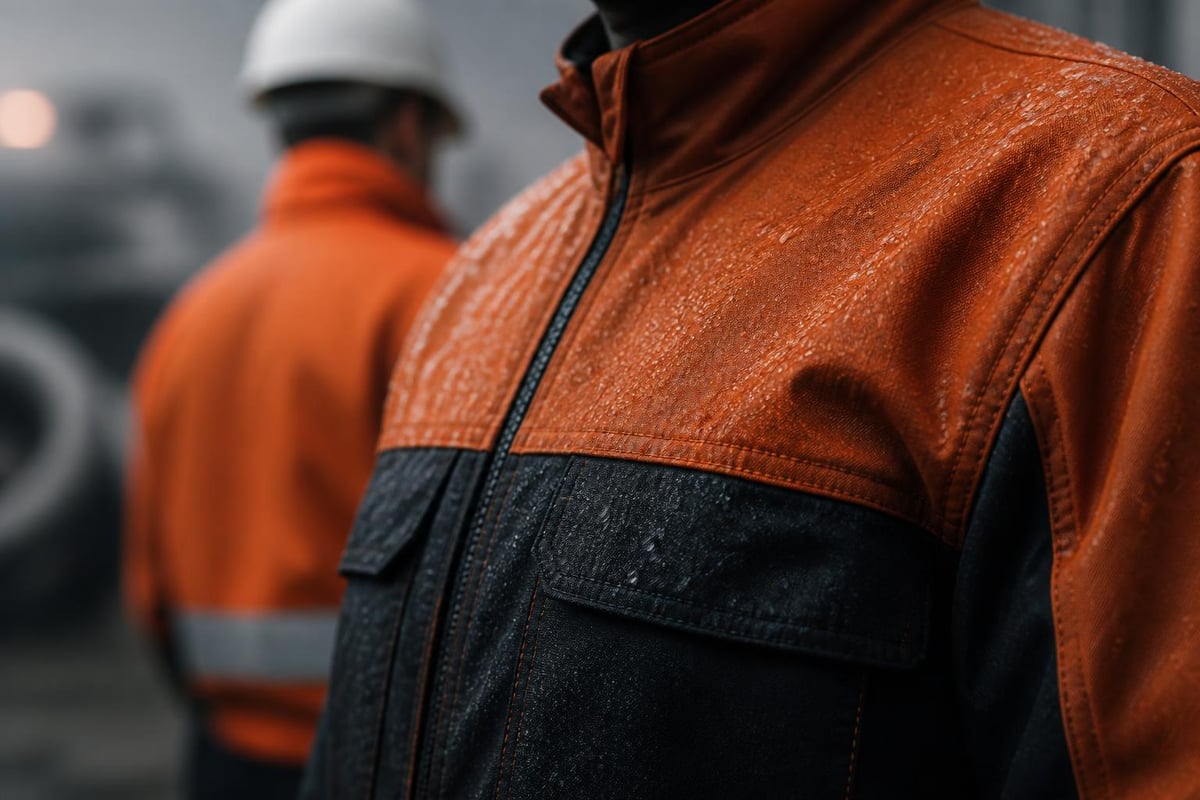
Workwear protective clothing serves dual purposes: safeguarding employees and reinforcing corporate identity. Professional embroidery and printing transforms functional garments into brand ambassadors, enhancing company visibility whilst maintaining protective properties. The key lies in integrating customisation without compromising safety certifications.
Strategic logo placement ensures visibility without interfering with reflective strips or protective coatings. Adding logos to workwear requires consideration of garment construction, material composition, and cleaning requirements. High-quality embroidery withstands industrial laundering whilst maintaining professional appearance.
Embroidery Techniques for Protective Garments
Different customisation methods suit various protective clothing types. Dense embroidery works well on heavy-duty jackets, whilst lighter printing techniques suit breathable garments. In-house embroidery services offer advantages including quality control, rapid turnaround, and flexibility for urgent orders.
When selecting embroidered protective clothing, verify that customisation processes don't void safety certifications. Reputable suppliers ensure all modifications maintain garment integrity and protective properties. Thread selection matters too, with flame-retardant threads necessary for fire-resistant garments.
Maintenance and Care Protocols
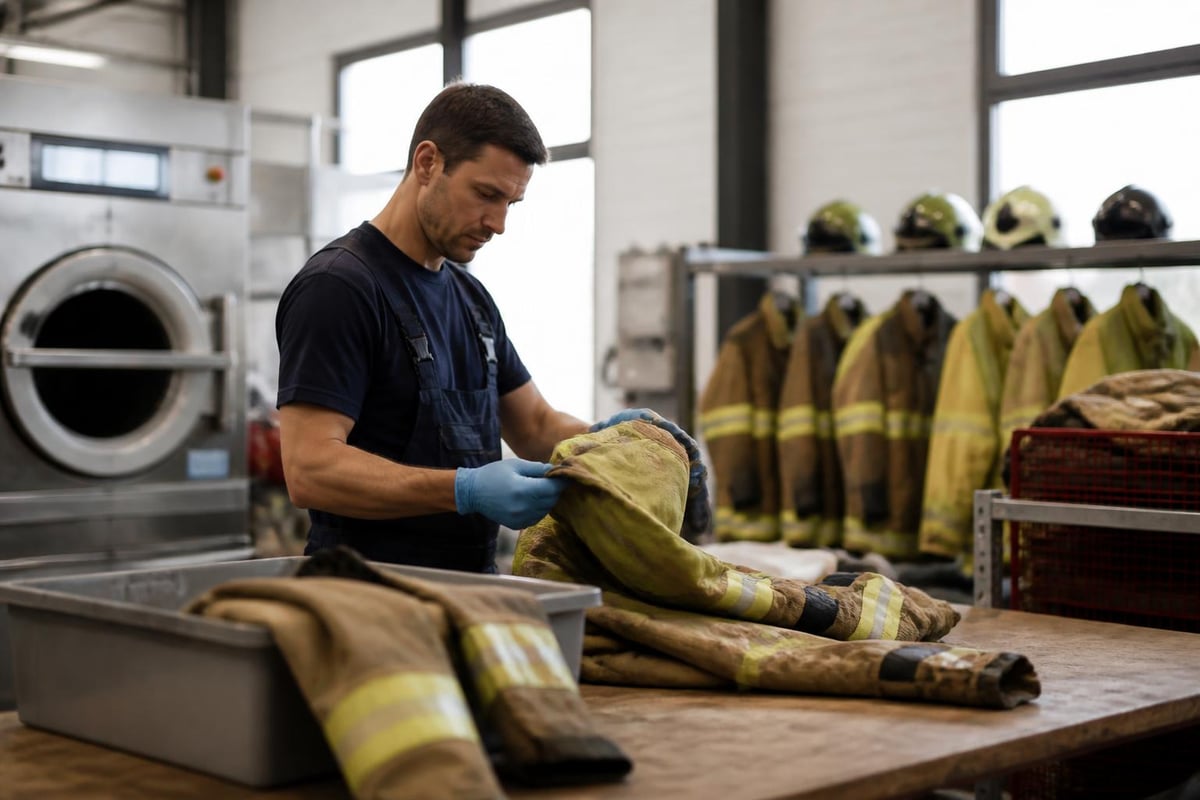
Proper maintenance extends workwear protective clothing lifespan whilst preserving protective properties. Incorrect cleaning methods can compromise safety features, rendering garments ineffective against hazards. Establishing clear care protocols ensures protective clothing remains serviceable throughout its intended lifecycle.
Each protective garment type requires specific care approaches. Flame-resistant clothing must avoid fabric softeners and chlorine bleach, which damage protective fibres. Chemical-resistant garments need inspection after each use, with immediate replacement if compromised. High-visibility clothing requires regular washing to maintain reflectivity, as dirt accumulation reduces visibility.
Inspection and Replacement Schedules
Regular inspection identifies damage before garments fail during critical moments. Caring for embroidered workwear involves checking seams, closures, and protective coatings alongside embroidered elements. Establish inspection routines based on usage frequency and hazard exposure.
Daily inspection checklist:
- Tears, holes, or fraying fabric
- Damaged seams or loose threads
- Non-functional closures (zips, buttons, velcro)
- Faded or damaged reflective elements
- Chemical stains or discolouration
- Missing components (hoods, pockets)
Documented inspection records demonstrate regulatory compliance and identify replacement patterns. Some protective properties degrade with time regardless of visible wear, necessitating scheduled replacement even for apparently undamaged garments.
| Garment Type | Inspection Frequency | Typical Lifespan | Replacement Triggers |
|---|---|---|---|
| Hi-vis jackets | Weekly | 12-18 months | Reflectivity loss, damage |
| Flame-resistant coveralls | Before each use | 6-12 months | Thermal damage, tears |
| Chemical-resistant suits | After each use | 1-6 months | Any compromise |
| Weather-protective jackets | Monthly | 24-36 months | Waterproofing failure |
Storage conditions significantly impact protective clothing longevity. Garments should be stored clean and dry, away from direct sunlight and heat sources. Contaminated protective clothing requires separate storage until properly cleaned, preventing cross-contamination.
Training and Employee Engagement
Even the highest-quality workwear protective clothing proves ineffective if employees don't understand its proper use. Comprehensive training programmes educate workers about protection levels, correct donning procedures, and maintenance responsibilities. This knowledge empowers employees to protect themselves effectively.
Training should cover hazard recognition, garment selection for specific tasks, and limitations of protective clothing. Workers must understand that protective garments complement rather than replace safe work practices. Regular refresher sessions reinforce key concepts and address emerging hazards.
Building a Safety Culture
Employee buy-in determines protective clothing programme success. Involving workers in garment selection increases acceptance rates, as they provide valuable feedback about comfort, mobility, and practical considerations. Comfortable, well-fitting protective clothing sees higher compliance than ill-fitting alternatives.
Consider implementing:
- Size-fitting sessions ensuring proper garment fit
- Trial periods allowing feedback before bulk purchases
- Recognition programmes rewarding consistent PPE use
- Open channels for reporting garment deficiencies
- Regular surveys assessing wearer satisfaction
The importance of high-quality workwear extends beyond physical protection. Quality garments demonstrate employer commitment to worker wellbeing, boosting morale and reinforcing safety culture. Employees who feel valued and protected become safety ambassadors within organisations.
Budgeting and Cost Considerations
Workwear protective clothing represents significant investment, requiring strategic budgeting that balances cost with safety requirements. Initial purchase price forms only part of total ownership cost. Durability, maintenance requirements, and replacement frequency substantially impact long-term expenditure.
Higher-quality garments typically offer better value despite elevated upfront costs. Durable workwear protective clothing withstands harsh conditions longer, reducing replacement frequency. Superior materials often provide enhanced comfort, increasing wearer compliance and reducing injury-related costs.
Total Cost of Ownership Analysis
Calculating true protective clothing costs requires comprehensive analysis:
Direct costs:
- Initial purchase price
- Embroidery or customisation fees
- Delivery and handling charges
Ongoing costs:
- Laundering services or equipment
- Repair and alteration expenses
- Replacement inventory
- Storage and distribution
Indirect costs:
- Training programme development
- Administrative time for sizing and distribution
- Downtime during garment replacement
- Potential costs of inadequate protection
Bulk purchasing often reduces per-unit costs, though organisations must balance savings against storage requirements and style obsolescence. Establishing relationships with reliable suppliers like Cobra Workwear streamlines procurement whilst ensuring consistent quality and sizing.
Industry-Specific Requirements
Different sectors face unique challenges requiring tailored workwear protective clothing solutions. Understanding industry-specific needs ensures appropriate protection without unnecessary features that inflate costs or reduce comfort.
Construction and Trades
Construction environments demand robust workwear protective clothing withstanding physical abuse whilst maintaining visibility. Hi-vis clothing importance in construction cannot be overstated, as workers operate near moving vehicles and machinery. Garments must combine high-visibility properties with durability, weather protection, and multiple pockets for tool storage.
Reinforced knees, articulated elbows, and gusseted crotches enhance mobility during physically demanding tasks. Water-resistant outer shells protect against British weather whilst breathable linings prevent overheating during exertion.
Healthcare and Laboratory Settings
Medical professionals require workwear protective clothing protecting against biological hazards whilst facilitating patient care. Fluid-resistant materials prevent blood-borne pathogen transmission, whilst antimicrobial treatments reduce contamination risks. Garments must withstand frequent high-temperature laundering required for infection control.
Healthcare protective clothing increasingly incorporates comfort features recognising the physical demands of medical work. Stretch panels, moisture-wicking fabrics, and ergonomic cuts support professionals during extended shifts.
Manufacturing and Industrial Settings
Industrial environments present varied hazards from chemical splashes to molten metal exposure. Workwear protective clothing must match specific manufacturing processes. Chemical-resistant aprons protect during processing operations, whilst flame-resistant coveralls safeguard welders and foundry workers.
Static-dissipative garments prevent ignition in explosive atmospheres, whilst cut-resistant sleeves protect against sharp materials. Layering systems allow workers to adjust protection levels as tasks change throughout shifts.
Future Trends in Protective Workwear
The workwear protective clothing industry continues evolving through technological advancement and changing workplace expectations. Smart textiles incorporating sensors monitor environmental conditions and wearer physiological responses, alerting workers to dangerous exposures before harm occurs. These connected garments integrate with broader workplace safety systems, providing real-time hazard data.
Nanotechnology enables fabric treatments offering multiple protective properties without added weight or reduced breathability. Self-cleaning surfaces resist contamination, reducing laundering requirements whilst maintaining hygiene. Sustainable manufacturing processes and circular economy principles increasingly influence product development.
Customisation technology advances enable on-demand production of perfectly fitted protective garments. 3D body scanning eliminates fitting issues, whilst digital printing allows unlimited design variations without minimum order quantities. These innovations democratise access to high-quality, properly fitted workwear protective clothing across organisations of all sizes.
Selecting appropriate workwear protective clothing requires balancing regulatory compliance, hazard protection, wearer comfort, and budget constraints. Organisations investing in quality protective garments, comprehensive training programmes, and proper maintenance protocols create safer workplaces whilst demonstrating commitment to employee wellbeing. Whether your team requires high-visibility jackets for construction sites, chemical-resistant coveralls for manufacturing environments, or antimicrobial garments for healthcare settings, Cobra Workwear provides expert guidance and in-house customisation services to meet your specific requirements. Contact us today to discuss how we can support your workplace safety objectives with professionally embroidered protective clothing tailored to your industry needs.
