

The landscape of corporate wear ladies require in today's professional environment has evolved significantly, blending traditional formality with contemporary style sensibilities. Whether navigating business formal meetings, client presentations, or hybrid working arrangements, understanding the nuances of professional attire remains crucial for career advancement and workplace confidence. This comprehensive guide explores the essential elements of women's corporate wardrobes, from foundational pieces to emerging trends shaping professional fashion in 2026.
Understanding Corporate Dress Codes for Women
Navigating workplace dress codes requires clarity about expectations and industry standards. The corporate dress code landscape varies considerably across sectors, with financial services maintaining stricter standards compared to creative industries.
Business formal represents the most conservative category of corporate wear ladies encounter. This dress code demands polished sophistication with tailored suits in neutral colours, closed-toe shoes, and minimal accessories. Traditional corporate environments such as law firms, banking institutions, and executive boardrooms typically enforce these standards.
Key Components of Business Formal Attire
- Tailored skirt or trouser suits in black, navy, grey, or charcoal
- Long-sleeved blouses in conservative colours
- Closed-toe court shoes with modest heels
- Minimal jewellery and natural makeup
- Professional handbags in leather or quality materials
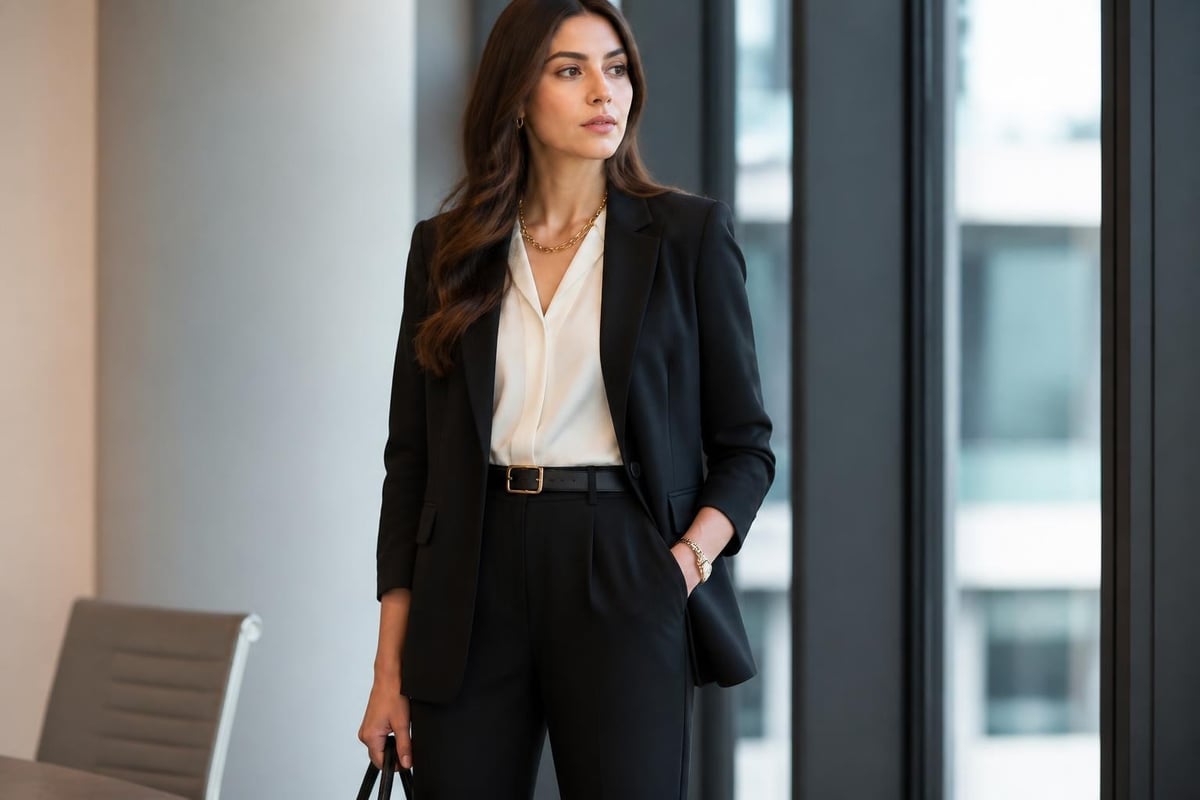
Business professional sits slightly below business formal, offering marginally more flexibility whilst maintaining workplace authority. This category permits coordinated separates rather than matching suits, allowing women to mix blazers with complementary trousers or skirts.
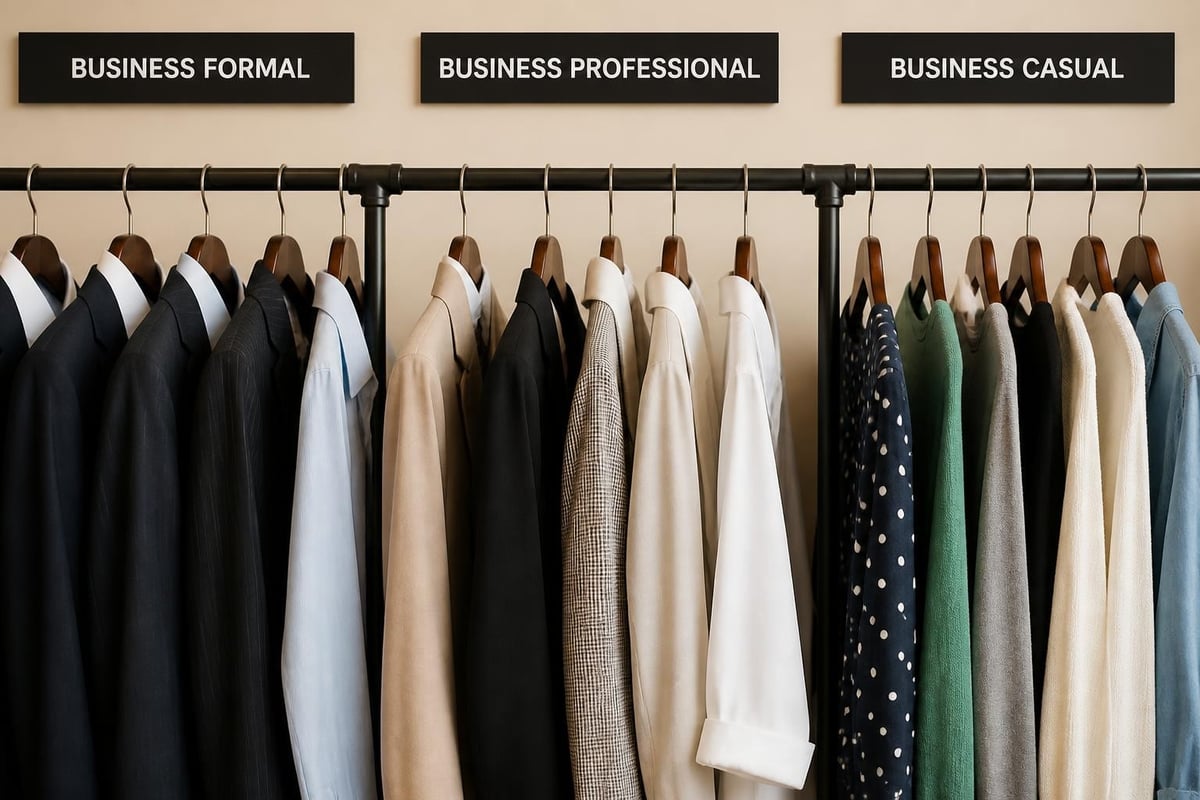
The evolution of corporate attire reflects changing workplace cultures, with many organisations embracing business casual policies. This shift acknowledges that professional competence needn't rely solely on rigid dress codes, though understanding when formality matters remains essential.
Building a Foundational Corporate Wardrobe
Creating a versatile collection of corporate wear ladies can rely upon requires strategic investment in quality pieces. The foundation centres on timeless items that transcend seasonal trends whilst projecting professionalism across various workplace scenarios.
Essential Wardrobe Staples
| Item Category | Recommended Pieces | Colour Palette |
|---|---|---|
| Suits | Two complete suits | Navy, charcoal grey |
| Blazers | Three versatile jackets | Black, camel, patterned |
| Trousers | Four tailored pairs | Neutral tones, one patterned |
| Skirts | Three options (pencil, A-line) | Black, navy, grey |
| Blouses | Six quality shirts | White, cream, pastels |
| Dresses | Two sheath dresses | Solid colours |
Quality fabrics make substantial differences in appearance and longevity. Wool blends, cotton poplin, and structured knits maintain their shape throughout demanding workdays. Investing in superior tailoring ensures garments fit properly, which significantly impacts overall presentation.
Trousers deserve particular attention within corporate wear ladies assemble. High-waisted styles elongate the silhouette, whilst straight-leg and wide-leg cuts offer contemporary alternatives to traditional slim fits. Ensure waistbands sit comfortably without gaping, and hems break appropriately over shoes.
Blouses and Tops Selection
The humble blouse forms the backbone of professional wardrobes. Crisp white shirts remain indispensable, suitable for every corporate occasion from interviews to annual meetings. Expand beyond basics with:
- Classic button-down oxfords in premium cotton
- Silk or satin shells for layering beneath blazers
- Modest pussy-bow blouses adding feminine touches
- Three-quarter sleeve options for warmer months
- Structured knit tops in merino or cashmere blends
Necklines warrant consideration in corporate settings. Crew necks, modest V-necks, and collared styles project professionalism, whereas plunging necklines or excessive embellishment undermine credibility. For companies requiring branded workwear, Polo Shirts with embroidered logos offer smart casual alternatives that maintain team identity whilst ensuring comfort.
Contemporary Trends in Professional Women's Fashion
The defining trends of 2025-2026 demonstrate that corporate wear ladies choose increasingly balances traditional professionalism with individual expression. Power suits have experienced remarkable reinvention, featuring oversized blazers, bold patterns, and unexpected colour combinations.
Tailoring remains paramount, but the silhouettes have evolved. Boxy, structured blazers create commanding presence, whilst high-waisted trousers with pleats or wide legs offer alternatives to skinny fits. This evolution acknowledges that professional power dresses in many forms.
Incorporating Trending Elements Appropriately
Colour psychology plays significant roles in workplace perceptions. Whilst navy and black convey authority, incorporating jewel tones like emerald, burgundy, or sapphire demonstrates confidence without sacrificing professionalism. Neutrals such as camel, taupe, and cream soften corporate looks whilst maintaining polish.
Skirt trends for 2026 include midi lengths, pleated styles, and A-line silhouettes. These options provide fresh alternatives to pencil skirts whilst remaining workplace-appropriate. Pair midi skirts with tucked blouses and structured blazers for balanced proportions.
Patterns require judicious application in corporate environments. Pinstripes, houndstooth, and subtle checks add visual interest without overwhelming. Reserve bold prints for creative industries or casual Fridays, ensuring patterns never distract from professional messaging.
Seasonal Considerations and Layering Strategies
British weather demands versatile corporate wear ladies can adapt throughout unpredictable seasons. Layering provides practical solutions whilst maintaining professional appearance from morning commutes through evening functions.
Autumn and Winter Professional Dressing
- Merino wool cardigans in neutral tones
- Cashmere jumpers suitable for blazer layering
- Structured wool coats in classic cuts
- Lined trousers for warmth without bulk
- Opaque tights in black, navy, or neutral shades
Winter corporate wardrobes benefit from quality outerwear. Invest in well-tailored wool coats reaching knee-length or below. Camel, navy, and black provide maximum versatility, coordinating seamlessly with existing professional pieces. Trench coats offer transitional options for spring and autumn.
Temperature regulation challenges arise in climate-controlled offices. Keep a professional cardigan or blazer at your desk for adjustments. Lightweight wool or silk-blend pieces pack easily and address varying building temperatures without compromising appearance.
Spring and Summer Professional Solutions
Warmer months present distinct challenges for corporate wear ladies maintain whilst managing heat. Breathable fabrics become essential priorities alongside appropriate coverage.
Natural fibres excel in summer professional wardrobes. Cotton, linen blends, and lightweight wool provide comfort without transparency concerns. Ensure summer pieces meet coverage standards, avoiding sleeveless tops without blazers or cardigans.
| Season | Fabric Choices | Style Adaptations |
|---|---|---|
| Spring | Cotton blends, light wool | Unlined blazers, midi skirts |
| Summer | Linen mixes, breathable synthetics | Cap sleeves with blazers, lighter colours |
| Autumn | Wool blends, structured knits | Layered looks, transitional weights |
| Winter | Merino, cashmere, lined fabrics | Heavier suits, opaque hosiery |
Understanding dress code policies helps navigate seasonal transitions appropriately. Some organisations relax standards during summer months, permitting sleeveless dresses with cardigans or allowing lighter colour palettes.
Footwear and Accessories in Professional Settings
Shoes complete corporate outfits whilst significantly impacting comfort during long workdays. The corporate wear ladies select extends beyond clothing to encompass every visible detail, including footwear and accessories.
Professional Footwear Guidelines
Court shoes remain staples, but contemporary options expand beyond traditional pumps. Block heels offer stability and comfort for extensive standing or walking. Pointed-toe flats provide polished alternatives when heels prove impractical. Loafers and brogues suit business casual environments, delivering sophistication with superior comfort.
Heel heights between 5-8 centimetres strike optimal balances between professionalism and practicality. Excessively high heels challenge credibility and comfort, whilst completely flat shoes may appear too casual for formal settings. Quality leather shoes justify their investment through longevity and maintained appearance.
Essential shoe wardrobe includes:
- Black court shoes with modest heels
- Nude pumps for skirt coordination
- Professional loafers in leather
- Ankle boots for autumn/winter
- Quality flats for commuting
Accessorising the Corporate Look
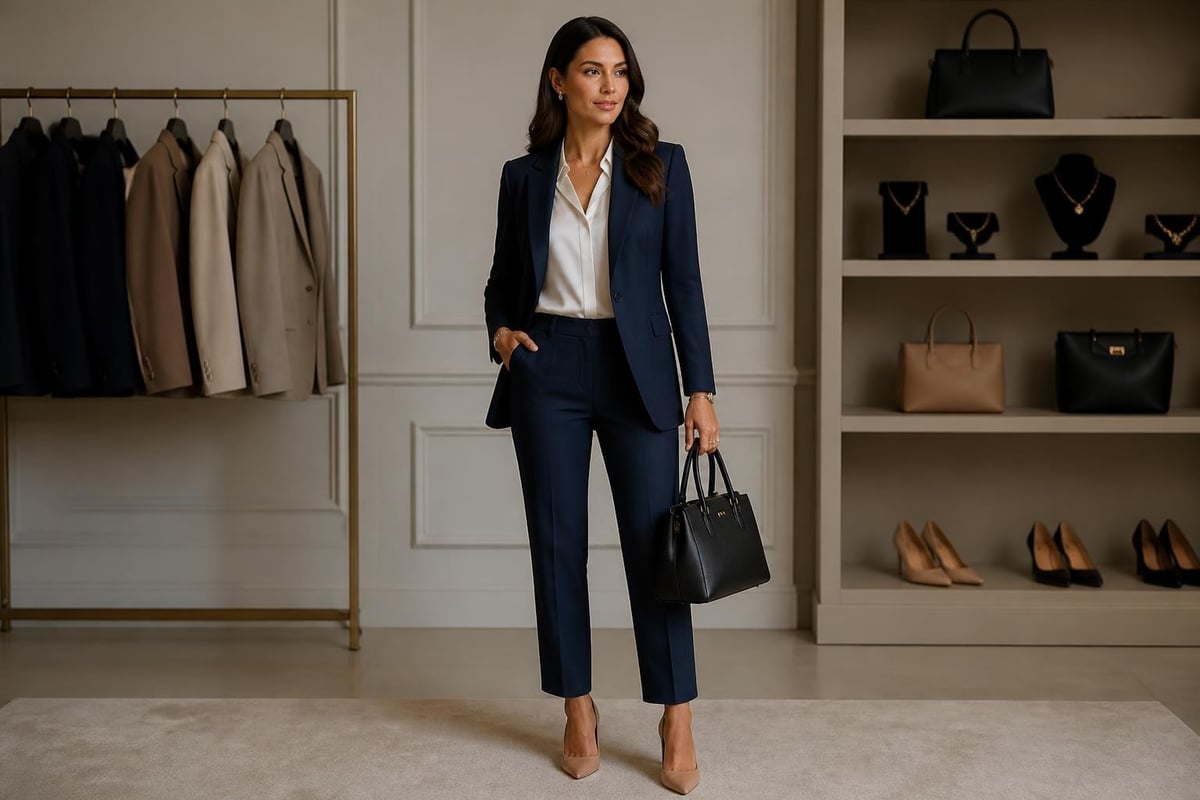
Accessories refine professional presentation without overwhelming core attire. The appropriate business formal accessories include watches, minimal jewellery, and quality handbags that complement rather than dominate outfits.
Watches convey punctuality and professionalism. Choose classic designs with leather or metal straps, avoiding oversized sports watches or excessively decorative pieces. A quality timepiece represents worthwhile investment, serving professional needs for years.
Jewellery should enhance rather than distract. Small stud earrings, delicate necklaces, and simple bracelets maintain polish. Remove multiple rings, oversized statement pieces, or anything producing noise during movement. Wedding and engagement rings naturally remain appropriate.
Professional handbags balance functionality with appearance. Structured totes accommodate laptops and documents whilst projecting competence. Leather or quality synthetic materials in black, brown, or navy coordinate across wardrobes. Avoid heavily branded bags that appear ostentatious.
Industry-Specific Considerations
Corporate wear ladies require varies substantially across sectors. Understanding industry norms prevents missteps whilst allowing appropriate personal expression within established parameters.
Finance and law maintain strictest standards, favouring traditional business formal attire. Conservative suits, minimal accessories, and polished appearance project the gravitas these professions demand. Creativity finds expression through quality fabrics and impeccable tailoring rather than bold styling choices.
Technology and creative industries embrace business casual or smart casual dress codes. These sectors permit greater individuality through contemporary cuts, varied colour palettes, and relaxed silhouettes. However, client-facing roles or senior positions often require elevated formality regardless of overall company culture.
Healthcare and Service Professions
Healthcare environments require corporate wear ladies can move comfortably within whilst maintaining professional standards. Scrubs dominate clinical settings, but administrative and management roles demand traditional business attire. When workwear requires custom branding for team cohesion, embroidered elements add professional polish whilst ensuring consistent presentation.
Hospitality sector balances customer-facing presentation with operational demands. Front-of-house roles typically require business professional attire, whilst back-of-house positions prioritise functionality. Understanding these distinctions ensures appropriate wardrobe investments.
| Industry | Formality Level | Key Considerations |
|---|---|---|
| Finance/Law | Business Formal | Conservative colours, matched suits |
| Corporate/Admin | Business Professional | Coordinated separates, modest styles |
| Technology | Business Casual | Contemporary cuts, relaxed fabrics |
| Creative | Smart Casual | Individual expression within limits |
| Healthcare Admin | Business Professional | Comfortable fabrics, practical styles |
Maintaining Professional Wardrobes
Preserving corporate wear ladies invest in requires consistent care and maintenance. Quality garments justify their cost through longevity, but only when properly maintained. Understanding workwear brands and their specific care requirements ensures pieces remain presentation-ready.
Garment Care Essentials
Professional dry cleaning preserves suits and delicate fabrics. Establish relationships with reliable cleaners, ensuring consistent quality. However, excessive cleaning damages fibres, so spot-clean minor marks and air garments between wears when possible.
- Invest in quality wooden hangers preventing shoulder bumps
- Store suits in breathable garment bags
- Rotate pieces preventing excessive wear
- Address stains immediately before setting
- Steam rather than iron delicate fabrics
Shoes require regular maintenance maintaining professional appearance. Polish leather shoes weekly, store with shoe trees preserving shape, and resole quality pairs rather than replacing. Well-maintained shoes elevate entire outfits whilst demonstrating attention to detail.
Wardrobe Organisation Systems
Efficient organisation streamlines morning routines whilst protecting garment investments. Arrange clothing by category and colour, facilitating quick coordination. Seasonal rotation keeps current pieces accessible whilst protecting off-season items from unnecessary handling.
Organisation strategies include:
- Categorise by garment type (suits, blazers, trousers)
- Arrange within categories by colour gradient
- Store complete outfit combinations together
- Maintain separate work and casual sections
- Regularly review and remove worn or outdated pieces
Planning outfits weekly eliminates morning decision fatigue. Photograph successful combinations for quick reference, ensuring varied rotation throughout working weeks. This approach maximises wardrobe versatility whilst maintaining fresh appearance.
Investment Strategies and Budget Planning
Building comprehensive corporate wardrobes requires strategic financial planning. The corporate wear ladies need represents significant investment, but thoughtful approaches spread costs whilst ensuring quality foundations.
Prioritising Quality Over Quantity
Focus initial investments on foundational pieces worn most frequently. Two exceptional suits outperform five mediocre options. Quality fabrics maintain appearance through repeated wearing and cleaning, whilst superior construction ensures proper fit and drape.
Allocate larger budgets toward items worn nearest the body and most frequently. Tailored trousers, quality blouses, and well-fitted blazers justify premium pricing. Accessories and seasonal pieces permit more budgetary flexibility, as these items experience less intensive use.
Investment hierarchy:
- Highest priority: Suits, tailored trousers, classic blazers
- Medium priority: Quality blouses, professional shoes, winter coats
- Lower priority: Seasonal accessories, trend-influenced pieces, costume jewellery
Sales and end-of-season clearances provide opportunities for quality acquisitions at reduced prices. However, avoid purchasing items simply because they're discounted. Every piece must serve specific wardrobe functions and coordinate with existing items.
Building Wardrobes Gradually
Rushing wardrobe development often results in poor purchases and wasted resources. Establish core collections over 12-18 months, adding pieces strategically as budgets permit. This measured approach allows experimentation with styles, fits, and brands before committing to larger quantities.
Begin with versatile neutrals forming outfit foundations. Introduce colours and patterns gradually, ensuring new additions coordinate with existing pieces. This building-block approach maximises versatility whilst minimising redundancy.
Consider professional tailoring transforming off-the-rack purchases into custom-fitted pieces. Minor adjustments dramatically improve appearance, ensuring corporate wear ladies invest in fits perfectly and projects polish. Budget £20-50 per garment for alterations when purchasing new pieces.
Corporate wear ladies require in 2026 balances traditional professionalism with contemporary sensibilities, offering more options than ever whilst maintaining workplace appropriateness. Strategic wardrobe building focusing on quality foundations, appropriate fits, and industry-specific requirements ensures professional presentation across every career stage. Whether you're establishing your first professional wardrobe or refreshing existing collections, Cobra Workwear provides quality workwear solutions with professional embroidery services, helping businesses maintain polished, branded team presentations across all sectors.
