

Understanding the fundamentals of clothes construction is essential for businesses that rely on durable, professional workwear. Whether you're sourcing garments for construction sites, hospitality venues, or healthcare facilities, the way clothing is constructed directly impacts its longevity, comfort, and appearance. Quality construction techniques ensure that workwear can withstand repeated washing, daily wear, and the rigorous demands of various work environments. From the initial pattern cutting to the final finishing touches, every stage of garment assembly contributes to the overall performance of the clothing. This comprehensive guide explores the key elements of clothes construction, helping you make informed decisions when selecting workwear for your team.
Essential Components of Clothes Construction
The foundation of any well-constructed garment begins with understanding its core components. Clothes construction encompasses multiple elements that work together to create a finished product capable of meeting professional standards.
Fabric Selection and Preparation
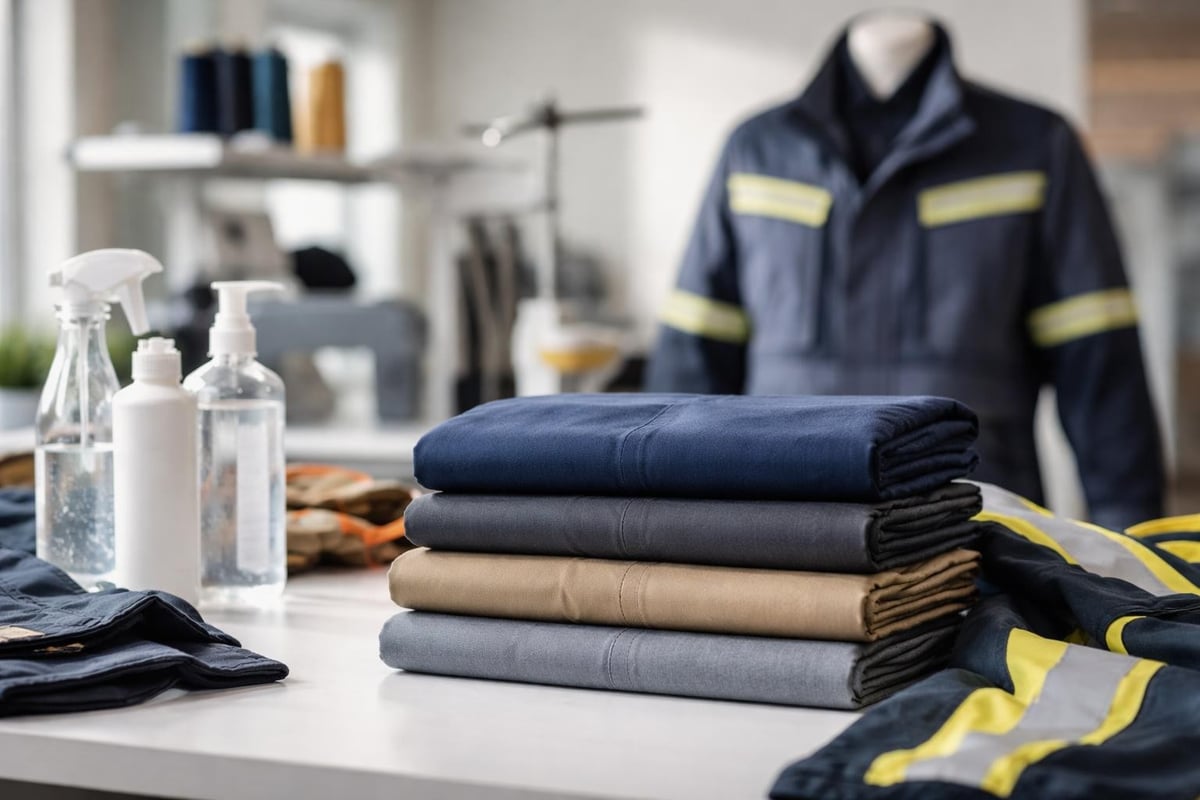
The construction process starts long before the first stitch is made. Fabric selection determines not only the garment's appearance but also its durability and suitability for specific work environments. Different industries require different fabric characteristics - construction workers need abrasion-resistant materials, whilst hospitality staff benefit from easy-care fabrics that maintain a crisp appearance.
Key fabric considerations include:
- Fibre content and blend ratios
- Weight and density per square metre
- Shrinkage potential after washing
- Colourfast properties for maintaining appearance
- Breathability for comfort during extended wear
Pre-construction fabric preparation involves critical steps such as preshrinking, grain alignment, and inspection for flaws. These preparatory measures prevent issues that could compromise the finished garment's fit and appearance. When sourcing workwear near me, understanding these fabric fundamentals helps ensure you're investing in properly constructed garments.
Pattern Making and Cutting
Pattern making represents the blueprint stage of clothes construction. Professional pattern makers translate design concepts into precise templates that account for body measurements, ease allowances, and seam allowances. Modern materials and design considerations have evolved significantly, incorporating ergonomic principles to ensure garments facilitate movement rather than restrict it.
| Pattern Element | Purpose | Impact on Final Garment |
|---|---|---|
| Grain Lines | Ensure fabric stability | Prevents twisting and distortion |
| Notches | Align pattern pieces | Ensures accurate assembly |
| Seam Allowances | Provide stitching space | Affects fit and finishing options |
| Ease Allowances | Enable movement | Determines comfort level |
Cutting accuracy directly affects how well garment pieces align during assembly. Industrial cutting techniques employ computer-guided systems that ensure consistency across multiple garments, whilst traditional cutting methods rely on skilled craftspeople using precise manual techniques.
Seam Construction and Stitching Techniques
Seams form the structural framework of any garment, and understanding different seam types is fundamental to evaluating clothes construction quality. Garment construction techniques vary based on the intended use, fabric type, and desired aesthetic outcome.
Primary Seam Types
Different seam constructions serve specific purposes in workwear applications. Plain seams offer straightforward construction for low-stress areas, whilst flat-felled seams provide exceptional strength and a clean finish on both sides of the garment. French seams enclose raw edges entirely, making them ideal for lightweight fabrics that require a refined finish.
Common workwear seam applications:
- Flat-felled seams for trouser side seams and shirt yokes
- Reinforced seams for stress points like pocket corners
- Overlock seams for knit garments requiring stretch
- Bound seams for unlined jackets and outerwear
The choice of thread also plays a crucial role in clothes construction. Thread weight, fibre content, and colour-matching all contribute to both the structural integrity and visual appeal of finished seams. Polyester threads offer excellent strength and colour retention, making them ideal for workwear that undergoes frequent laundering.
Stitch Formation and Density
Stitch density refers to the number of stitches per inch, and this measurement significantly impacts seam strength. Higher stitch densities generally provide greater strength but can cause fabric puckering if excessive. Basic sewing and construction methods establish standard stitch densities for different fabric weights and garment applications.
Professional workwear typically employs lockstitch construction for most seams, whilst overlocking finishes prevent fabric fraying along raw edges. Understanding these fundamental sewing techniques helps assess whether garments meet quality standards.
Reinforcement and Durability Features
Clothes construction for professional environments demands reinforcement at stress points where garments experience the most tension and wear. These strategic enhancements extend garment lifespan significantly, reducing replacement costs and maintaining professional appearance longer.
Stress Point Reinforcement
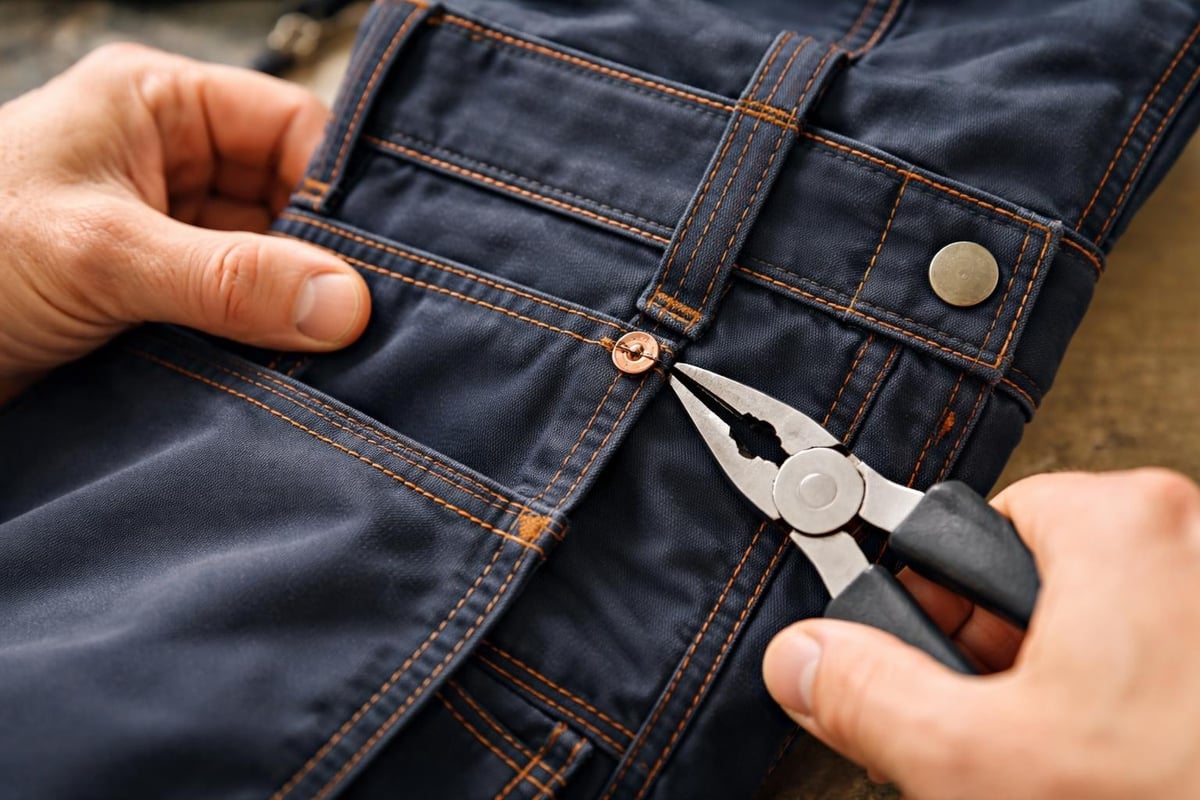
Common stress points include pocket corners, button plackets, and collar attachments. Bar tacks - dense zigzag stitches - reinforce these areas by distributing tension across a wider area. Double stitching along critical seams provides backup strength if one line of stitching fails.
| Reinforcement Type | Location | Benefit |
|---|---|---|
| Bar Tacks | Pocket corners, belt loops | Prevents tearing at stress points |
| Double Stitching | Side seams, inseams | Increases overall seam strength |
| Stay Tape | Shoulder seams, necklines | Prevents stretching and distortion |
| Rivets | Pocket corners (heavy-duty) | Maximum reinforcement for extreme use |
When selecting polo shirts or other workwear garments, examining these reinforcement features provides insight into long-term durability. Quality construction incorporates these elements without adding unnecessary bulk or stiffness.
Finishing Techniques and Quality Control
The finishing stage of clothes construction transforms assembled pieces into polished, professional garments. This phase encompasses everything from hemming and pressing to button attachment and final inspection.
Edge Finishing Methods
Hem construction varies based on garment type and fabric characteristics. Blind hems create nearly invisible finishes on dress trousers and skirts, whilst topstitched hems provide durability and a casual aesthetic suitable for work shirts and jackets. Rolled hems work well for lightweight fabrics, creating delicate edges without bulk.
Professional finishing includes:
- Pressing at multiple construction stages to set seams
- Understitching to prevent facings from rolling outward
- Grading seam allowances to reduce bulk in curved areas
- Clipping and notching curves for smooth shaping
The addition of company logos through embroidery or printing represents a final construction consideration. These branding elements should be applied with techniques that won't compromise fabric integrity or garment longevity. Quality providers ensure logo placement doesn't create stress points that could lead to premature wear.
Closure Systems and Fastenings
Button attachment, zipper installation, and fastening systems represent critical aspects of clothes construction that affect both functionality and durability. Industrial button machines create secure attachments with thread shanks that accommodate fabric thickness without causing stress.
Zipper installation techniques vary from exposed zippers on casual wear to concealed zippers on formal garments. Lapped zippers provide weather protection for outerwear, whilst invisible zippers create seamless appearances in tailored pieces. Understanding these tailoring techniques helps evaluate construction quality in professional garments.
Specialized Construction for Workwear Applications
Different industries require specialized construction approaches that address specific challenges. Understanding these variations helps businesses select appropriate garments for their workforce.
High-Visibility Clothing Construction
Safety garments demand specialized clothes construction techniques that maintain retroreflective properties whilst ensuring comfort and durability. Reflective tape application must withstand repeated washing without delaminating, and high-visibility fabrics require specific seam treatments that don't compromise visibility.
Construction considerations include:
- Placement of retroreflective tape according to safety standards
- Contrast panel positioning for maximum visibility
- Sealed seams for weather protection
- Reinforced construction for extended outdoor use
The importance of proper construction in safety wear cannot be overstated, as these garments directly impact worker safety across construction, road work, and emergency services.
Climate-Specific Construction Adaptations
Garments designed for temperature extremes incorporate specialized clothes construction elements. Insulated workwear requires quilting techniques that secure insulation layers without creating cold spots. Breathable summer workwear employs ventilation panels and moisture-wicking fabric combinations assembled with techniques that maintain airflow.
| Climate Requirement | Construction Feature | Application |
|---|---|---|
| Cold Weather | Quilted insulation channels | Prevents filling migration |
| Hot Weather | Mesh ventilation panels | Enhances airflow |
| Wet Conditions | Sealed seams | Prevents water penetration |
| Variable Conditions | Removable lining systems | Provides versatility |
These specialized techniques demonstrate how modern materials and design considerations have evolved to meet contemporary workplace demands.
Construction Quality Assessment
Evaluating clothes construction quality requires examining multiple aspects of garment assembly. Businesses investing in workwear should understand what distinguishes superior construction from adequate or substandard work.
Visual Inspection Criteria
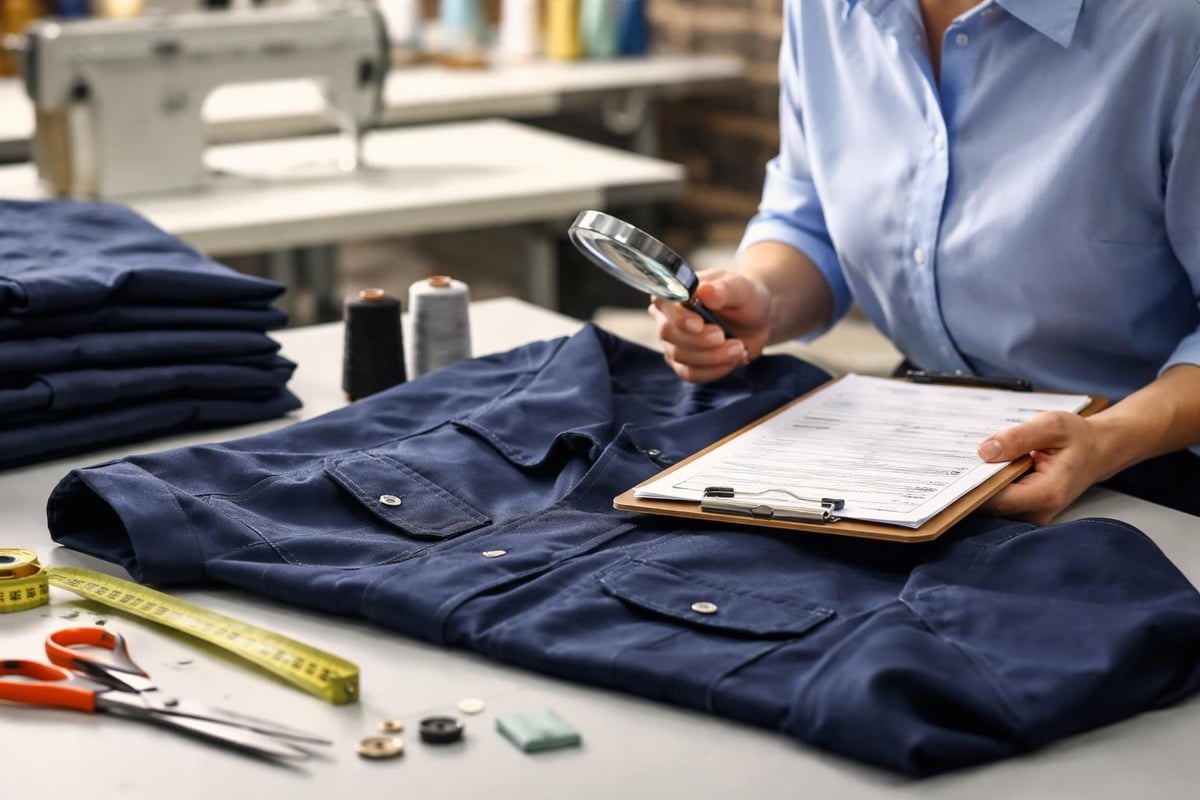
Examining seam straightness provides immediate insight into construction quality. Consistent stitch length, properly aligned pattern matches, and secure thread ends indicate careful assembly. Puckered seams, skipped stitches, or misaligned patterns suggest rushed or inadequate construction.
Quality indicators include:
- Consistent seam allowances throughout the garment
- Properly aligned stripes, plaids, or patterns
- Secure bartacks at stress points
- Clean, flat pressing with no shine marks
- Evenly spaced buttons with secure attachment
The relationship between construction quality and garment longevity becomes evident through wear. Well-constructed garments maintain their shape, resist seam failure, and withstand repeated laundering without deterioration. Understanding these garment construction techniques empowers better purchasing decisions.
Performance Testing Methods
Professional garment manufacturers subject products to rigorous testing that simulates extended use. Seam strength testing measures the force required to separate seamed fabric, whilst abrasion resistance testing evaluates fabric durability under friction. Colourfastness testing ensures garments maintain appearance despite repeated washing and sun exposure.
Businesses can conduct simple quality checks by examining seams under tension, checking button security, and assessing overall garment weight and feel. Heavier isn't always better, but substantial fabric and secure construction generally indicate quality workwear suitable for demanding environments.
Construction Considerations for Branding Applications
When adding company branding to workwear, construction techniques must accommodate embroidery or printing without compromising garment integrity. The fabric weight, weave structure, and garment construction all influence how well branding elements perform.
Embroidery-Ready Construction
Garments intended for embroidery benefit from stable fabrics with sufficient density to support thread penetration. Areas selected for logo placement should avoid seams, pockets, or other construction elements that complicate the embroidery process. Quality workwear suppliers consider these factors during initial construction, creating garments that accept branding without distortion.
Backing materials stabilize fabric during embroidery, preventing puckering and ensuring clean stitch formation. Permanent backing provides structure for heavy embroidery designs, whilst temporary backing dissolves after completion, leaving only the embroidered design. Understanding how logo addition interacts with clothes construction ensures professional results.
Print-Ready Fabric Preparation
Screen printing requires smooth, even fabric surfaces for optimal ink transfer. Garment construction affects print quality through fabric tension and seam placement. Printing across seams creates uneven surfaces that compromise design clarity, so well-planned construction positions seams away from common print locations.
Modern printing techniques accommodate various fabric constructions, but understanding the relationship between fabric characteristics and printing success helps optimize results. Polyester-rich blends accept sublimation printing excellently, whilst natural fibres perform better with traditional plastisol inks.
Advanced Construction Techniques
Professional workwear sometimes incorporates advanced clothes construction methods that enhance functionality, comfort, or durability beyond standard approaches.
Articulated Construction
Articulated garments feature pre-shaped sleeves, knees, or other body areas that match natural joint positions. This construction approach reduces fabric strain during movement and improves comfort during extended wear. Workwear designed for physical labour particularly benefits from articulated construction that facilitates bending, reaching, and lifting.
Construction elements include:
- Pre-curved sleeve patterns for natural arm position
- Shaped knee panels in work trousers
- Gusseted underarms for extended reach
- Action backs that expand with shoulder movement
These features require precise pattern making and careful assembly but deliver significant comfort improvements for workers engaged in physically demanding tasks.
Multi-Layer Construction Systems
Complex workwear often employs multiple fabric layers bonded or assembled to create composite materials with enhanced properties. Shell fabrics provide abrasion resistance, membrane layers deliver waterproofing or breathability, and lining fabrics ensure comfort against skin. Each layer requires specific construction techniques that maintain functionality whilst creating cohesive garments.
Bonding techniques permanently attach layers without traditional stitching, creating seamless constructions ideal for waterproof garments. Lamination processes apply membrane layers to fabric substrates, whilst quilting techniques secure insulation layers within outer shells. These advanced methods demonstrate how clothes construction continues evolving to meet specialized workplace requirements.
Cost Implications of Construction Quality
Understanding the relationship between construction quality and pricing helps businesses make informed workwear investments. While premium construction increases initial costs, improved durability often delivers better long-term value.
Construction Efficiency and Pricing
Manufacturing efficiency significantly impacts garment pricing. Standardized patterns, simplified construction sequences, and automated assembly reduce labour costs, making quality workwear accessible at various price points. However, certain construction elements - particularly hand-finished details or complex tailoring - necessarily command premium pricing.
| Construction Aspect | Budget Impact | Value Consideration |
|---|---|---|
| Seam Count | More seams increase labour | Strategic seaming enhances fit and durability |
| Finishing Details | Hand-finishing adds cost | Improved appearance and longevity |
| Reinforcement | Minimal cost increase | Significantly extends garment life |
| Quality Control | Rigorous inspection adds expense | Reduces defect rates and returns |
Balancing construction quality with budget constraints requires evaluating which features deliver the greatest benefit for specific applications. Construction workers need maximum durability, hospitality staff prioritize appearance retention, and healthcare professionals require easy-care fabrics with secure construction.
Long-Term Value Assessment
Calculating true workwear costs involves considering replacement frequency alongside purchase price. Garments with superior clothes construction may cost 30-50% more initially but last two to three times longer than budget alternatives. This extended lifespan delivers better overall value whilst maintaining consistent professional appearance.
Additionally, well-constructed garments maintain better appearance between replacements, projecting more professional images throughout their service life. This consideration particularly matters for customer-facing roles where appearance impacts brand perception.
Environmental Considerations in Construction
Sustainable clothes construction approaches increasingly influence workwear sourcing decisions as businesses prioritize environmental responsibility alongside functionality.
Durable Construction as Sustainability
The most sustainable garment is one that doesn't require frequent replacement. Superior construction techniques directly support sustainability goals by extending garment lifespan. Reinforced seams, quality stitching, and appropriate fabric selection reduce waste by decreasing replacement frequency.
Construction decisions that enhance durability include:
- Double-stitched seams at stress points
- Quality thread that resists degradation
- Colorfast dyes that maintain appearance
- Appropriate fabric weight for intended use
- Secure button and fastening attachment
These features align environmental responsibility with practical durability, creating workwear that serves businesses and sustainability goals simultaneously.
Repairable Construction Methods
Clothes construction techniques that facilitate repair extend garment lifecycles further. Replaceable buttons, accessible seams, and standard construction methods enable straightforward repairs when minor damage occurs. Some manufacturers design workwear specifically for extended service through repair-friendly construction.
Understanding which construction elements accept repair helps businesses implement garment maintenance programmes that maximize workwear investments. Simple repairs like button replacement or hem adjustment cost significantly less than garment replacement whilst maintaining professional appearance standards.
Quality clothes construction forms the foundation of workwear that performs reliably across demanding professional environments. By understanding construction fundamentals - from seam types to reinforcement techniques - businesses can select garments that deliver durability, comfort, and professional appearance throughout extended service lives. Whether you need garments for construction sites, hospitality venues, or healthcare facilities, Cobra Workwear combines quality construction with professional branding services to deliver workwear solutions that meet your specific requirements. Explore our range of expertly constructed garments designed for the demands of modern workplaces.
