

Selecting appropriate work clothing remains a fundamental aspect of professional success, yet the definition of suitable attire varies dramatically across industries and workplace environments. The best work clothes for men combine functionality, durability, and professional appearance whilst meeting specific industry requirements and safety standards. Whether you're navigating corporate boardrooms, construction sites, or hospitality environments, understanding the nuances of professional attire ensures you present yourself confidently whilst performing at your peak throughout the working day.
Understanding Different Workplace Dress Codes
Modern workplaces operate under various dress code systems, each with distinct expectations and requirements. The spectrum ranges from formal business attire through to protective workwear, with numerous variations in between. Understanding these categories helps professionals invest in appropriate garments that align with their specific industry demands.
Traditional Business Formal
Traditional business formal environments demand the highest level of professional presentation. This category typically includes tailored suits in conservative colours such as navy, charcoal, or black, paired with crisp dress shirts and polished leather shoes. Investment in quality fabrics such as wool or wool-blend suits pays dividends through longevity and maintaining a sharp appearance throughout extended wear periods.
The complete guide to office wear demonstrates how essential pieces create versatile combinations. Ties remain mandatory in most formal settings, whilst pocket squares add subtle personality without compromising professionalism.
Business Casual Environments
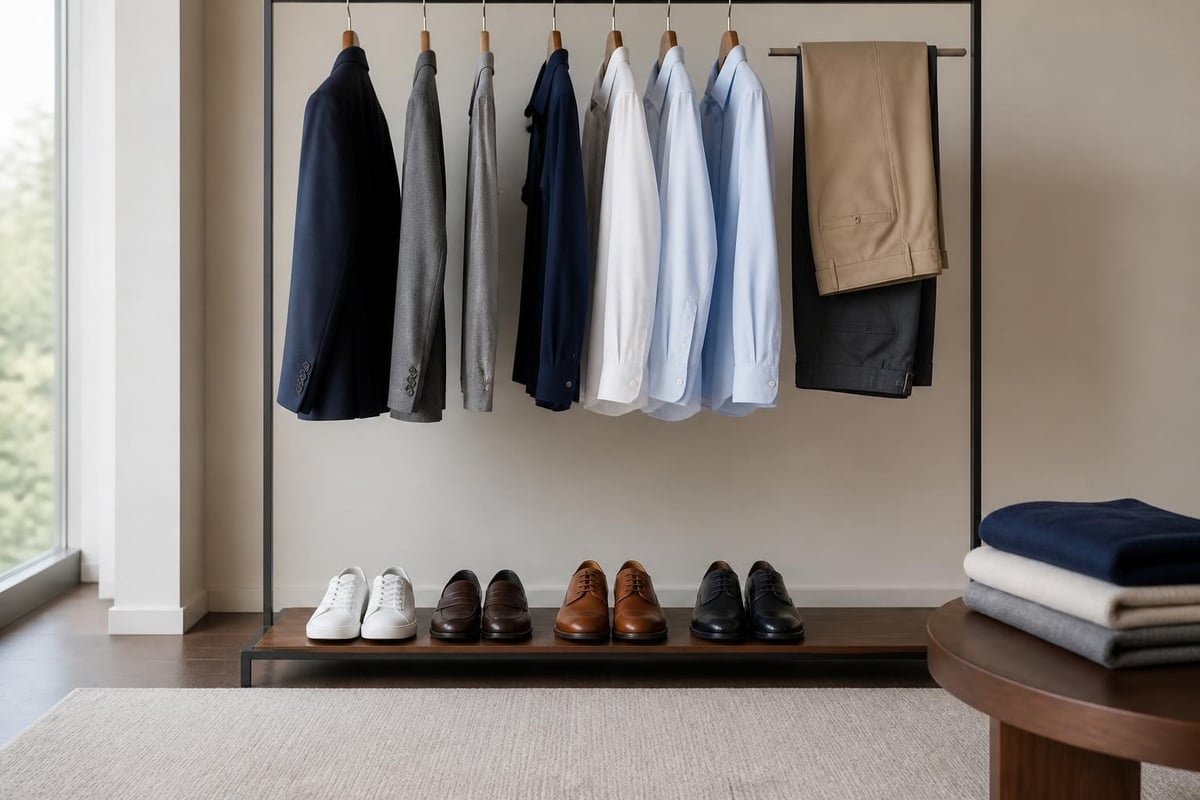
Business casual represents the most common dress code in contemporary British workplaces. This category allows greater flexibility whilst maintaining professional standards. Understanding business casual attire helps navigate the fine line between comfort and professionalism.
Key elements include:
- Tailored chinos or dress trousers in neutral tones
- Polo shirts with company branding for cohesive team presentation
- Smart-casual footwear such as leather loafers or clean trainers
- Knitted jumpers or cardigans for layering
- Button-down shirts with optional ties
Industry-Specific Workwear Requirements
Different sectors demand specialised clothing that addresses unique environmental challenges, safety regulations, and professional expectations. The best work clothes for men in these industries prioritise protection and functionality alongside professional appearance.
Construction and Trade Professions
Construction environments require robust protective clothing that withstands harsh conditions whilst ensuring worker safety. High-visibility clothing remains mandatory on most construction sites, with regulations specifying reflective tape placement and colour requirements.
| Garment Type | Key Features | Essential Qualities |
|---|---|---|
| Hi-Vis Jackets | Reflective strips, weather-resistant | EN ISO 20471 compliance |
| Work Trousers | Reinforced knees, multiple pockets | Durable fabric, comfortable fit |
| Safety Footwear | Steel toe caps, slip-resistant | Ankle support, waterproof |
| Base Layers | Moisture-wicking, thermal options | Breathable, flexible movement |
The collection of high-visibility workwear available through specialist suppliers ensures compliance with current safety standards whilst providing comfort during physically demanding tasks.
Hospitality and Service Industries
Hospitality professionals require clothing that projects approachable professionalism whilst enduring the physical demands of service work. Uniforms create visual cohesion across teams, strengthening brand identity and customer recognition.
Smart casual elements dominate this sector:
- Black or dark trousers with stain-resistant finishes
- Professional shirts in brand colours
- Aprons for kitchen and bar staff
- Comfortable, slip-resistant footwear
- Branded waistcoats or jackets for formal establishments
Healthcare and Medical Environments
Healthcare settings demand clothing that meets stringent hygiene standards whilst allowing unrestricted movement during long shifts. Scrubs have evolved beyond basic functionality to include ergonomic designs and antimicrobial fabrics.
Modern healthcare workwear features moisture-wicking properties, multiple pockets for essential equipment, and easy-care fabrics that withstand frequent high-temperature washing. The professional appearance of tunics and coordinated separates helps healthcare workers maintain dignity and authority in patient interactions.
Fabric Selection and Durability Considerations
Fabric choice dramatically impacts garment performance, longevity, and comfort throughout working hours. Understanding material properties helps professionals make informed purchasing decisions that balance initial investment with long-term value.
Natural Versus Synthetic Fibres
Natural fibres such as cotton and wool offer excellent breathability and comfort, making them ideal for temperature regulation. Cotton's absorbent properties suit warmer environments, whilst wool provides insulation and natural moisture-wicking capabilities. However, pure natural fibres often wrinkle easily and may require more careful maintenance.
Synthetic materials including polyester, nylon, and elastane bring different advantages. These fabrics resist wrinkles, dry quickly, and often prove more durable than natural alternatives. Modern manufacturing techniques produce synthetic fabrics with improved breathability, challenging traditional perceptions about comfort.
Fabric Blends for Optimal Performance
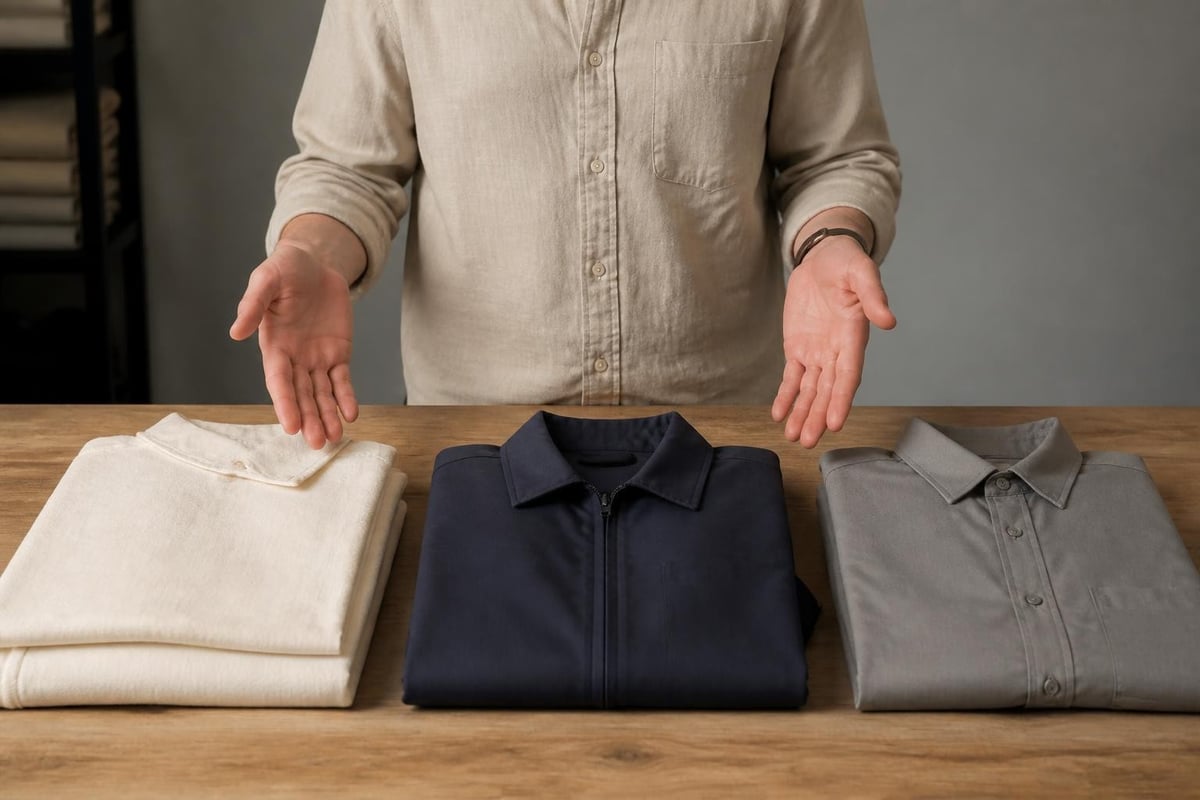
The best work clothes for men frequently utilise fabric blends that combine the strengths of multiple materials. Cotton-polyester blends offer wrinkle resistance whilst maintaining breathability. Elastane additions provide stretch for improved mobility, particularly valuable in physically active roles.
Premium workwear brands engineer fabrics specifically for professional demands:
- Ripstop weaves incorporate reinforced threads preventing tear propagation
- Teflon-coated fabrics repel water and stains without compromising breathability
- Merino wool blends regulate temperature whilst resisting odours
- Technical synthetics offer UV protection and rapid moisture evaporation
Fit and Tailoring Fundamentals
Proper fit elevates even modest garments, whilst ill-fitting expensive clothing undermines professional presentation. The best work clothes for men accommodate body shape variations whilst allowing comfortable movement throughout working activities.
Critical Fit Points
Shoulder seams should align precisely with natural shoulder points, neither extending beyond nor falling short. Sleeve length requires careful attention, with shirt cuffs extending approximately 1.5 centimetres beyond jacket sleeves when layering. Trouser length depends on shoe style, but generally should create a slight break at the shoe top without pooling excessively.
Regular fit audits ensure clothing maintains appropriate appearance as body composition changes. Exploring the new rules of office dressing reveals how modern workplaces increasingly accept diverse fits and styles, provided garments remain clean, pressed, and appropriate for role requirements.
Professional Alterations
Investment in professional alterations transforms off-the-rack purchases into perfectly fitted garments. Common alterations include trouser hemming, waist adjustments, sleeve shortening, and taking in side seams. The modest cost of alterations yields significant returns through improved appearance and extended garment lifespan.
Seasonal Wardrobe Adaptations
British weather demands versatile wardrobes capable of adapting to dramatic temperature fluctuations and unpredictable precipitation. Strategic layering enables professionals to maintain comfort across seasonal extremes without sacrificing professional appearance.
Spring and Summer Essentials
Warmer months call for lighter fabrics with enhanced breathability. Linen-blend trousers, short-sleeved dress shirts, and lightweight jackets provide professional options that prevent overheating during commutes and throughout the working day.
| Season | Fabric Weight | Recommended Materials | Layering Strategy |
|---|---|---|---|
| Spring | Light to Medium | Cotton, linen blends | Removable outer layers |
| Summer | Lightweight | Breathable synthetics, cotton | Minimal layering |
| Autumn | Medium | Wool blends, heavier cotton | Transitional pieces |
| Winter | Heavy | Wool, insulated synthetics | Multiple thin layers |
Autumn and Winter Protection
Colder months require substantial outer layers that shield against wind and rain whilst maintaining professional presentation. Softshell jackets combine weather resistance with sleek silhouettes suitable for business environments. Bodywarmers provide core insulation without restricting arm movement.
Base layers merit particular attention during winter months. Technical fabrics that wick moisture prevent the clammy discomfort of sweat-dampened clothing, whilst thermal properties maintain warmth during outdoor exposure or in poorly heated workspaces.
Colour Psychology and Professional Impact
Colour selection extends beyond personal preference, influencing how colleagues, clients, and superiors perceive competence and authority. Understanding colour psychology helps professionals project intended messages through wardrobe choices.
Navy blue consistently ranks as the most trusted colour in professional settings, conveying reliability and competence. Charcoal grey suggests sophistication and neutrality, making it ideal for client-facing roles requiring diplomatic presentation. Black projects authority but may appear overly formal or severe in casual environments.
Accent colours introduce personality whilst maintaining professionalism:
- Burgundy suggests creativity balanced with seriousness
- Forest green conveys stability and growth
- Light blue promotes approachability and calm
- White or cream creates clean, fresh impressions
The design considerations for work clothes extend to colour coordination within team environments, where consistent colour schemes strengthen brand identity and team cohesion.
Maintenance and Longevity Strategies
Proper care substantially extends garment lifespan, protecting initial investments whilst ensuring professional appearance throughout extended wear. The best work clothes for men reward attentive maintenance with years of reliable service.
Cleaning and Storage Best Practices
Frequency of cleaning balances hygiene requirements against fabric wear from repeated washing. Suits typically require professional dry cleaning only after 4-5 wears unless visibly soiled, whilst shirts demand washing after each use. Trousers fall somewhere between, often lasting 2-3 wears between cleanings when rotated properly.
Storage methods prevent unnecessary damage and maintain garment shape. Wooden hangers preserve jacket shoulder structure, whilst trouser bars prevent creasing. Cedar blocks deter moths whilst imparting pleasant fragrance, protecting wool garments during storage periods.
Professional rotation strategies recommend:
- Owning sufficient pieces to avoid wearing the same garment consecutively
- Allowing 24 hours rest between wears for fabrics to recover
- Addressing stains immediately before they set
- Inspecting garments regularly for loose buttons or minor damage
- Scheduling professional repairs promptly to prevent minor issues escalating
Budget Allocation and Investment Priorities
Building a comprehensive professional wardrobe requires strategic investment prioritising versatile, high-quality pieces over trendy items with limited utility. The best work clothes for men balance immediate affordability with long-term value through durability and timeless styling.
Core Wardrobe Investment Strategy
Financial resources should concentrate on frequently worn items that directly impact professional impression. Premium investment areas include tailored trousers, quality leather shoes, and well-constructed outer layers. These foundational pieces form the backbone of professional wardrobes, justifying higher initial expenditure through extended service life and superior appearance.
Budget-conscious options suit items requiring frequent replacement or those subject to particular wear. Undershirts, casual t-shirts for less formal environments, and seasonal pieces with limited wearing periods represent sensible areas for economical purchasing.
Cost-Per-Wear Analysis
Evaluating clothing purchases through cost-per-wear calculations reveals true value beyond price tags. A £300 suit worn twice weekly for five years costs approximately 60 pence per wear, whilst a £50 jacket worn monthly for one year costs over £4 per wear. This perspective encourages investment in quality staples whilst discouraging impulse purchases of rarely worn items.
Footwear Selection Across Professional Settings
Appropriate footwear completes professional attire whilst significantly impacting comfort during extended standing or walking periods. The best work clothes for men include carefully selected footwear matching both aesthetic and functional requirements.
Office and Corporate Environments
Traditional business settings demand leather shoes in black or brown, with oxford and derby styles remaining most appropriate. Quality construction features include Goodyear welted soles allowing resoling, full-grain leather uppers that develop attractive patina, and cushioned insoles supporting all-day wear.
Rotation between multiple pairs prevents excessive wear and allows leather to dry completely between uses. Regular polishing maintains appearance whilst conditioning leather, extending shoe lifespan substantially. The investment in quality footwear pays dividends through superior comfort and professional presentation.
Active and Industrial Settings
Physical roles require footwear prioritising safety and support over pure aesthetics. Steel or composite toe caps protect against falling objects, whilst slip-resistant soles prevent accidents on varied surfaces. Waterproof construction proves essential in outdoor or wet environments.
Modern safety footwear increasingly resembles casual trainers, eliminating the stigma previously associated with protective footwear. Brands engineering safety features into athletic-inspired designs deliver protection without sacrificing comfort or contemporary styling.
Accessory Integration and Brand Representation
Thoughtful accessories enhance professional presentation whilst offering opportunities for personal expression within workplace boundaries. The best work clothes for men incorporate accessories that serve functional purposes whilst elevating overall appearance.
Functional Accessories
Watches remain the most universally accepted professional accessory for men. Analogue styles with leather or metal bands suit formal environments, whilst digital sports watches prove appropriate in active roles. Belts should coordinate with shoe leather colour, creating visual cohesion throughout outfits.
Bags and briefcases communicate professionalism whilst protecting work materials. Leather options suit traditional environments, whilst technical fabrics and modern designs align with creative industries. Professional bags combine practical storage with polished presentation, accommodating laptops, documents, and personal items.
Company Branding Opportunities
Embroidered or printed company logos on workwear strengthen brand identity whilst fostering team unity. Subtle placement on chest areas or sleeves provides visibility without overwhelming garment aesthetics. Consistent branding across team members creates professional cohesion, particularly valuable in customer-facing roles where visual identification matters.
Quality embroidery services ensure branding withstands repeated washing and extended wear, maintaining sharp presentation throughout garment lifespan. Coordinating branded pieces with individual wardrobe elements allows personality expression whilst maintaining corporate identity.
Interview and Professional Milestone Attire
Career advancement opportunities demand heightened attention to professional presentation. Selecting interview attire requires researching company culture whilst erring toward formality, as overdressing proves easier to mitigate than recovering from underdressed first impressions.
Conservative colour choices demonstrate respect for formal occasions. Navy or charcoal suits paired with white or light blue shirts create classic combinations conveying competence and reliability. Ties should complement rather than distract, with subtle patterns or solid colours proving safest choices.
Preparation extends beyond garment selection to include ensuring perfect cleanliness, proper pressing, and polished shoes. These details signal attention to presentation that translates into assumptions about work quality and professional dedication.
Sustainable and Ethical Workwear Choices
Growing awareness of environmental and social impacts influences purchasing decisions across professional contexts. The best work clothes for men increasingly consider sustainability alongside traditional quality metrics.
Sustainable practices include:
- Selecting garments from manufacturers with transparent supply chains
- Prioritising organic or recycled materials when available
- Investing in durable pieces reducing replacement frequency
- Supporting local businesses and shorter supply chains
- Choosing versatile items maximizing wear occasions
Ethical considerations extend to fair labour practices and working conditions throughout manufacturing processes. Certifications such as Fair Trade, GOTS (Global Organic Textile Standard), and B Corporation status indicate commitment to responsible business practices.
The longevity focus inherent in quality workwear naturally aligns with sustainability principles. Purchasing fewer, better-made garments that last substantially longer reduces overall consumption whilst often providing superior value. Researching workwear brands committed to ethical manufacturing helps professionals align purchasing decisions with personal values.
Adapting to Hybrid and Remote Work Environments
The shift toward hybrid working arrangements creates new challenges for professional wardrobes. The best work clothes for men in 2026 accommodate transitions between home and office environments whilst maintaining appropriate presentation for video calls and in-person meetings.
Video conferencing demands particular attention to upper-body presentation, as lower halves remain invisible to colleagues and clients. Smart shirts, jumpers, and neat grooming take priority over complete outfit coordination. However, maintaining full professional attire often enhances psychological readiness for work tasks.
Flexibility becomes paramount in hybrid wardrobes. Pieces transitioning seamlessly between casual and professional contexts maximize utility whilst minimizing required wardrobe size. Tailored joggers in technical fabrics, smart trainers, and hoodies in premium materials bridge comfort and professionalism for contemporary work patterns.
Creating designated workspace areas at home, even when wearing casual clothing, helps maintain psychological boundaries between work and personal time. This separation proves valuable for productivity and work-life balance, regardless of physical attire choices.
Selecting the best work clothes for men requires balancing industry-specific requirements, personal comfort, professional presentation, and long-term value. From traditional office environments through to specialized industrial settings, appropriate attire enhances confidence whilst meeting practical demands of varied professional roles. Whether you need branded team uniforms, protective workwear, or professional corporate clothing, Cobra Workwear provides comprehensive solutions with in-house embroidery and printing services to represent your brand professionally across all workplace environments.
