

Professional appearance has never been more crucial to business success than it is today. Work branded clothing represents far more than simply putting a logo on a shirt-it's a strategic investment in your company's image, employee morale, and marketing effectiveness. From construction sites to corporate offices, healthcare facilities to hospitality venues, branded workwear has become an essential element of modern business operations. This comprehensive guide explores why work branded clothing matters, how to implement it effectively, and what makes a successful branded workwear programme in 2026.
The Strategic Value of Work Branded Clothing
Implementing work branded clothing delivers measurable benefits that extend across multiple business functions. When employees wear consistent, professional attire displaying your company identity, they become walking advertisements for your brand. This visibility creates countless impressions throughout the working day, whether staff are on job sites, interacting with customers, or simply commuting to work.
Brand recognition increases significantly when your team wears identifiable clothing. Studies show that branded workwear creates more customer touchpoints than traditional advertising methods, and at a fraction of the cost. The advantages of using branded clothing include enhanced credibility, immediate recognition, and the projection of professionalism that influences customer perceptions.
Building Professional Credibility
First impressions matter tremendously in business. Work branded clothing instantly communicates that your company is established, organized, and takes its professional image seriously. Customers and clients form judgments within seconds of meeting your team, and consistent branded attire creates an immediate sense of trust and reliability.
Consider the impact across different sectors:
- Construction and trades: Branded workwear demonstrates safety consciousness and professional standards
- Hospitality: Consistent uniforms create a polished customer experience and facilitate staff identification
- Healthcare: Professional medical apparel reinforces cleanliness, competence, and patient confidence
- Corporate services: Branded clothing establishes authority and expertise during client meetings
The psychological effect of branded managed workwear shouldn't be underestimated. When team members dress identically, they project unity and shared purpose, which translates directly into customer confidence.

Creating Effective Work Branded Clothing Programmes
Successful implementation requires careful planning and consideration of multiple factors. The most effective programmes balance practicality, comfort, brand representation, and budget constraints whilst ensuring clothing suits the specific demands of different roles within your organization.
Selecting Appropriate Garments
Different industries and roles demand different clothing solutions. Manufacturing environments require durable fabrics and safety features, whilst client-facing positions prioritize smart appearance and comfort. Start by analyzing your team's actual working conditions and requirements.
| Industry | Primary Clothing Needs | Key Considerations |
|---|---|---|
| Construction | Hi-vis jackets, durable trousers, safety boots | Weather resistance, safety compliance, durability |
| Hospitality | Shirts, aprons, smart trousers | Stain resistance, comfort during long shifts, professional appearance |
| Healthcare | Tunics, trousers, lab coats | Easy cleaning, infection control, functional pockets |
| Corporate | Polo shirts, shirts, fleeces | Professional appearance, seasonal versatility, comfort |
When selecting polo shirts or other garments for your team, consider fabric quality, fit options across different body types, and how well the item will showcase your branding. The best work branded clothing balances aesthetic appeal with functional performance.
Branding Techniques and Placement
The method you choose for applying your branding significantly affects durability, appearance, and cost. Two primary techniques dominate the market: embroidery and printing. Each offers distinct advantages depending on your requirements and budget.
Embroidery provides a premium, long-lasting finish that withstands repeated washing and heavy use. This technique works exceptionally well for polo shirts, jackets, and professional attire where a refined appearance matters. The texture and dimension of embroidered logos convey quality and attention to detail.
Printing offers versatility for complex designs, larger branding areas, and budget-conscious programmes. Modern printing techniques deliver excellent durability, particularly when applied to high-quality base garments. This approach suits t-shirts, hi-vis clothing, and situations requiring full-color designs.
Consider these placement strategies:
- Left chest: Classic, professional positioning ideal for logos and company names
- Back: Larger branding area perfect for visibility at distance
- Sleeve: Additional branding opportunity without overwhelming the design
- Multiple locations: Comprehensive branding for maximum impact and recognition
Managing Your Branded Workwear Investment
Work branded clothing represents a significant investment that requires proper management to maximize returns. Establishing clear policies ensures consistent use, maintains professional standards, and protects your brand identity across all customer interactions.
Developing Usage Guidelines
Clear guidelines prevent misuse and ensure your work branded clothing always represents your company positively. Document expectations regarding when staff should wear branded items, how to maintain them properly, and what combinations are acceptable. The benefits of branded workwear multiply when usage remains consistent across your organization.
Essential policy components include:
- Specifications for which items must be worn during working hours
- Guidelines for maintaining cleanliness and professional appearance
- Procedures for replacing worn or damaged items
- Expectations for care, washing, and storage
- Protocols for returning items upon employment termination
Sizing and Distribution Logistics
Proper fitting ensures comfort and professional appearance. Offer comprehensive sizing options and, where possible, allow staff to try samples before ordering. Poor-fitting work branded clothing undermines the professional image you're working to create and reduces employee satisfaction with the programme.
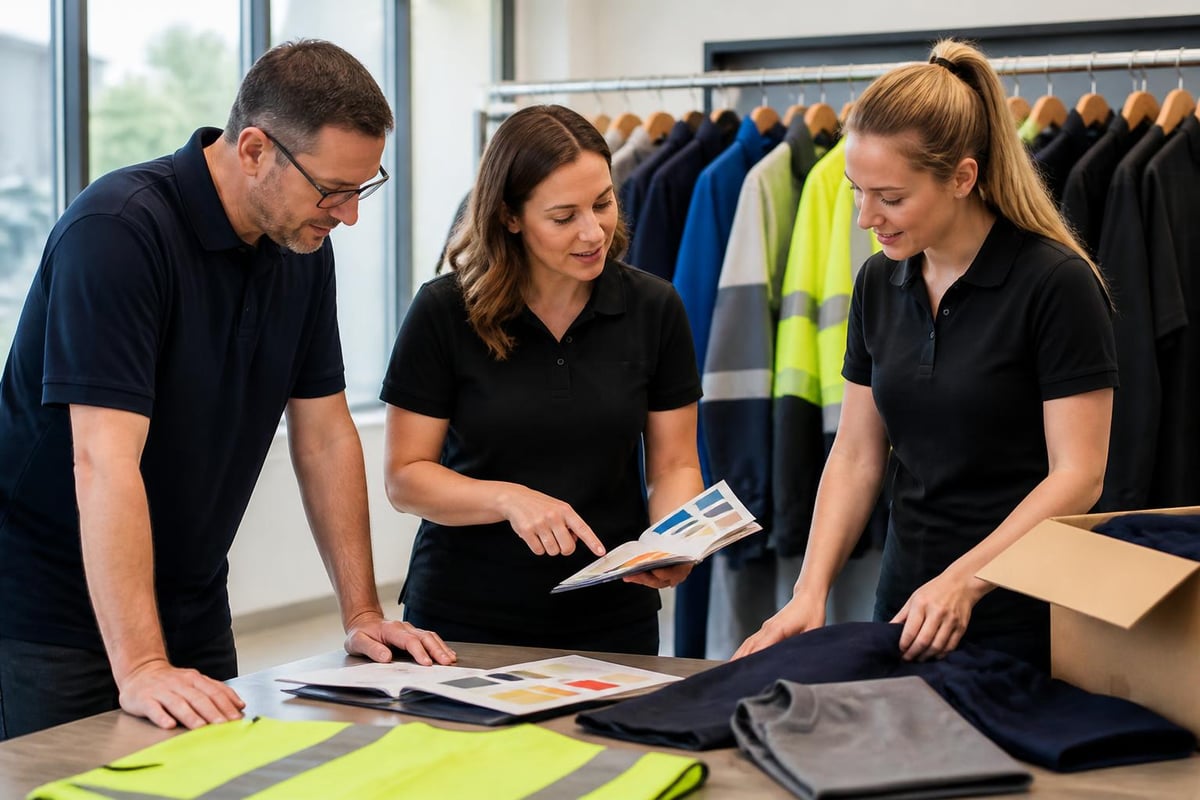
Establish straightforward distribution systems:
- Designate responsibility for ordering and inventory management
- Create efficient processes for new starters to receive their kit
- Implement replacement schedules based on wear patterns
- Maintain buffer stock for urgent replacements and new additions
Industry-Specific Considerations
Different sectors face unique challenges and opportunities when implementing work branded clothing. Understanding these nuances ensures your programme delivers maximum value whilst meeting specific operational requirements.
High-Visibility and Safety Workwear
Industries requiring safety compliance must ensure work branded clothing meets relevant standards whilst incorporating branding. Hi-vis clothing demands careful consideration of branding placement to avoid compromising reflective properties or safety certifications.
Regulations governing safety workwear are stringent. Your branding must enhance rather than compromise these critical safety features. Work with suppliers experienced in safety compliance to ensure every item meets required standards whilst effectively displaying your company identity.
Hospitality and Customer-Facing Roles
Customer-facing positions demand work branded clothing that's simultaneously practical and polished. Aprons, shirts, and smart casual options must withstand demanding shifts whilst maintaining an impeccable appearance throughout service periods.
Consider the specific demands of different hospitality roles:
| Role | Clothing Requirements | Branding Opportunities |
|---|---|---|
| Front of house | Smart shirts, trousers, waistcoats | Subtle chest embroidery, name badges |
| Kitchen staff | Chef jackets, aprons, headwear | Larger back branding, practical apron designs |
| Bar staff | Polo shirts, aprons, casual smart wear | Visible chest and back branding |
| Management | Business casual, smart separates | Professional embroidered details |
Healthcare and Clinical Environments
Medical settings require work branded clothing that prioritizes hygiene, functionality, and professional appearance. Fabrics must withstand frequent high-temperature washing, whilst designs need adequate pockets for essential equipment and easy movement during long shifts.
Branding in healthcare contexts requires particular sensitivity. Whilst company identity matters, the primary focus remains on cleanliness, professionalism, and patient confidence. Subtle, well-executed branding communicates competence without appearing overly commercial in clinical settings.
Maximizing Return on Investment
Work branded clothing delivers exceptional value when implemented strategically. Unlike traditional advertising that requires continuous spending, quality branded workwear provides years of daily exposure at a one-time cost. Calculating the cost-per-impression reveals remarkable efficiency compared to conventional marketing channels.
Cost-Benefit Analysis
Consider the long-term value when evaluating work branded clothing investments. A quality embroidered polo shirt costing £25 might be worn 200+ times annually over multiple years, creating thousands of brand impressions. Compare this to the fleeting visibility of paid advertising, and the value proposition becomes compelling.
Key financial considerations:
- Initial investment per employee versus expected garment lifespan
- Replacement frequency and ongoing budget requirements
- Time savings from simplified morning clothing decisions
- Reduced need for traditional advertising due to mobile brand visibility
- Enhanced professional image leading to improved customer conversion rates
Employee Satisfaction and Retention
Work branded clothing contributes significantly to employee satisfaction when implemented thoughtfully. Providing quality workwear demonstrates that you value your team and invest in their professional success. This tangible benefit supports recruitment efforts and strengthens retention by fostering belonging and pride.
Staff appreciate not needing to maintain separate work wardrobes or worry about appropriate daily attire. The convenience and equality that work branded clothing provides shouldn't be underestimated. When everyone wears the same professional uniform, hierarchical distinctions diminish, and team cohesion strengthens.

Sustainability and Ethical Considerations
Modern businesses increasingly prioritize sustainability in procurement decisions. Work branded clothing programmes offer opportunities to demonstrate environmental responsibility through thoughtful supplier selection and garment choices. Consider the complete lifecycle when selecting items, from manufacturing processes through to eventual disposal.
Sustainable Fabric Choices
Eco-friendly fabric options have expanded dramatically in recent years. Organic cotton, recycled polyester, and bamboo-derived materials offer sustainable alternatives to conventional textiles. These choices communicate your company's environmental values whilst delivering the performance and durability work branded clothing demands.
Quality matters tremendously from a sustainability perspective. A well-made garment lasting five years delivers far less environmental impact than cheap alternatives requiring annual replacement. Investment in superior fabrics and construction pays dividends through extended lifespan and reduced replacement frequency.
Ethical Manufacturing
Understanding where and how your work branded clothing is produced matters increasingly to customers and employees alike. Partner with suppliers committed to fair labor practices, safe working conditions, and transparent supply chains. Ethical sourcing strengthens your brand reputation whilst ensuring your clothing programme aligns with corporate values.
Digital Integration and Modern Workwear
Technology is transforming work branded clothing beyond simple appearance. Workplace wearable technologies are increasingly integrated into workwear, particularly in sectors prioritizing safety and productivity monitoring. Smart fabrics and embedded sensors represent the cutting edge of functional branded clothing.
Future Trends
The evolution of work branded clothing continues accelerating. Moisture-wicking fabrics, temperature-regulating materials, and stain-resistant treatments are becoming standard rather than premium features. As these technologies mature, they'll increasingly feature in everyday workwear across all industries.
Customization capabilities are expanding through digital manufacturing techniques. On-demand production reduces waste whilst allowing greater personalization within branded clothing programmes. Individual names, department identifiers, or role specifications can be incorporated economically into garment designs.
Implementation Timeline and Rollout Strategy
Successfully launching a work branded clothing programme requires careful planning and phased implementation. Rushing the process often leads to sizing issues, employee dissatisfaction, or branding inconsistencies that undermine the investment.
Phase One: Planning and Design
Begin by assessing your specific requirements across all roles and departments. Involve employees in garment selection to ensure practical choices that people will actually wear. Design branding that's visible without being overwhelming, and select application methods appropriate to each garment type.
Planning checklist:
- Survey employees regarding preferences and sizing requirements
- Research fabric options suitable for your industry and climate
- Develop branding artwork optimized for chosen application methods
- Select reliable supplier with experience in your sector
- Create detailed specifications for each garment type
- Establish budget with allowance for sizing adjustments
Phase Two: Sampling and Testing
Order samples in various sizes for staff evaluation before committing to large orders. This crucial step identifies potential issues with fit, comfort, or appearance whilst allowing adjustments before full production. Gather detailed feedback about fabric comfort, sizing accuracy, and branding placement.
Phase Three: Full Rollout
With designs finalized and sizing confirmed, proceed with full orders. Distribute items systematically, ensuring each team member receives complete kits simultaneously where possible. Provide clear care instructions and usage guidelines alongside the clothing to establish expectations from the outset.
Monitor the programme closely during initial months, gathering ongoing feedback and addressing issues promptly. This responsiveness demonstrates commitment to employee satisfaction whilst allowing refinements that improve the programme's long-term success.
Measuring Programme Success
Effective work branded clothing programmes deliver measurable results across multiple metrics. Establish key performance indicators before implementation to track progress and demonstrate value to stakeholders.
| Metric | Measurement Method | Target Outcome |
|---|---|---|
| Brand awareness | Customer surveys, market research | Increased recognition rates |
| Employee satisfaction | Staff surveys, retention rates | Improved morale scores |
| Professional appearance | Customer feedback, mystery shopping | Enhanced perception ratings |
| Wear compliance | Visual audits, manager reports | 95%+ daily usage |
| Garment longevity | Replacement frequency tracking | 2+ year average lifespan |
Regular assessment ensures your investment continues delivering value whilst identifying opportunities for programme enhancement. Customer feedback often provides unexpected insights into how work branded clothing influences purchasing decisions and brand perception.
Work branded clothing transforms your team into professional brand ambassadors whilst delivering exceptional marketing value and enhancing workplace culture. The strategic implementation of quality branded workwear strengthens customer confidence, builds team unity, and provides cost-effective visibility that traditional advertising struggles to match. Whether you're equipping construction crews, hospitality staff, or healthcare professionals, Cobra Workwear provides comprehensive solutions with in-house embroidery and printing services tailored to your specific industry requirements. Invest in your team's professional image today and experience the tangible benefits that quality work branded clothing delivers tomorrow.
