

Establishing a strong visual identity in today's competitive business landscape requires more than just excellent service delivery. Uniform shirts with logo provide organisations across industries with a powerful tool to reinforce brand recognition, foster team unity, and project professionalism. Whether you're outfitting a construction crew, hospitality team, or healthcare staff, the right branded workwear transforms employees into walking ambassadors for your business. This comprehensive guide explores everything you need to know about selecting, designing, and implementing uniform shirts with logo for maximum impact.
Understanding the Business Impact of Branded Workwear
Professional appearance directly influences customer perception and trust. When employees wear uniform shirts with logo, they instantly become identifiable representatives of your organisation, creating consistency across all customer touchpoints. Research consistently demonstrates that businesses investing in quality branded workwear experience improved customer confidence and enhanced team morale.
The financial investment in branded uniform shirts delivers measurable returns through increased brand visibility. Every interaction your team has in public becomes a marketing opportunity, with your logo gaining exposure far beyond traditional advertising channels. This passive marketing reaches potential customers in authentic, everyday contexts that conventional advertising cannot replicate.
Building Team Cohesion Through Unified Appearance
Branded workwear creates an immediate sense of belonging among staff members. When everyone wears the same uniform shirts with logo, hierarchical barriers diminish, fostering a more collaborative working environment. New employees particularly benefit from this visual inclusion, helping them integrate more quickly into established teams.
The psychological impact extends beyond simple identification. Employees wearing branded uniforms report feeling more professional and taking greater pride in their work. This shift in mindset translates to improved customer service, greater attention to detail, and increased accountability for representing the brand positively.
Choosing the Right Shirt Styles for Your Industry
Different sectors demand varying approaches to uniform shirts with logo selection. Construction and trade industries prioritise durability and functionality, requiring robust fabrics that withstand heavy use whilst maintaining logo integrity. Polo shirts offer an excellent balance of professional appearance and practical comfort, making them versatile choices across multiple sectors from hospitality to corporate environments.

Healthcare settings require particular attention to hygiene standards and easy-care fabrics. Tunics and scrub-style shirts must withstand frequent high-temperature washing whilst preserving embroidered or printed logos. The fabric weight, breathability, and moisture-wicking properties become crucial considerations for staff working long shifts in demanding environments.
Retail and customer-facing roles benefit from smart-casual options that balance approachability with professionalism. Button-down shirts, polo styles, and performance fabrics create polished appearances whilst remaining comfortable for extended wear. The selection process should involve staff feedback to ensure practical wearability alongside aesthetic considerations.
| Industry Sector | Recommended Shirt Style | Key Fabric Properties | Logo Application Method |
|---|---|---|---|
| Construction | Heavy-duty polo | Cotton/polyester blend, reinforced seams | Embroidery (chest, sleeve) |
| Hospitality | Smart polo or Oxford shirt | Wrinkle-resistant, easy-care | Embroidery or screen print |
| Healthcare | Medical tunic | Antimicrobial, high-temp washable | Heat-seal or embroidery |
| Retail | Branded t-shirt or polo | Soft-hand cotton blend | Screen print or embroidery |
| Corporate | Button-down shirt | Premium cotton, professional finish | Embroidery (chest, cuff) |
Logo Design Considerations for Uniform Applications
Translating your brand identity onto fabric requires different considerations than digital or print applications. Complex logos with fine detail may not translate effectively to embroidery, particularly at smaller sizes. Simplifying designs whilst maintaining brand recognition ensures clarity and professional presentation across all viewing distances.
Colour selection significantly impacts both visual appeal and production costs. Embroidery thread counts and screen printing colour separations directly affect pricing. Limiting your logo to two or three colours often provides the best balance between cost-efficiency and brand accuracy. Consider how your colour palette works against various shirt colours to maintain consistent brand representation across different garment options.
Adapting Logos for Textile Production
Working with experienced decorators helps optimise your logo for textile applications. Fine lines, intricate gradients, and small text often require modification to ensure legibility and durability. Professional digitisation for embroidery creates stitch files that replicate your brand accurately whilst accounting for fabric stretch and movement during wear.
Testing different application methods on sample garments before committing to full production runs prevents costly mistakes. What appears perfect on screen may present challenges when translated to fabric. Request physical samples showing your logo in various sizes and positions to evaluate real-world appearance.
Strategic Logo Placement on Uniform Shirts
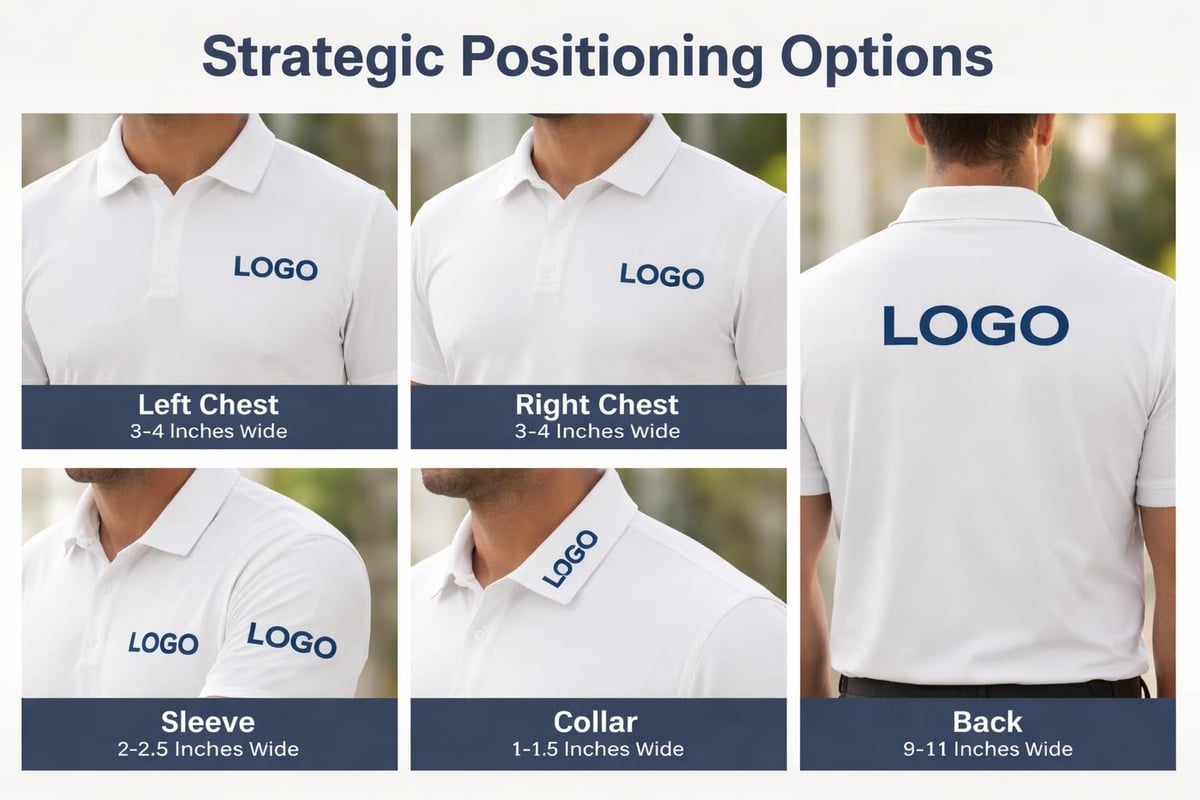
The positioning of your logo dramatically affects both visibility and overall garment aesthetics. Standard left chest placement remains the most popular choice for professional workwear, providing clear brand identification without overwhelming the design. Logo size and placement guidelines suggest chest logos typically range from 3 to 4 inches wide, creating optimal visibility whilst maintaining proportion.
Right chest, sleeve, and back placements offer additional branding opportunities without appearing cluttered. Many organisations combine subtle front branding with larger back logos for maximum visibility in public-facing roles. Consider how your team typically interacts with customers when determining placement priorities.
Alternative Placement Options for Enhanced Branding
Sleeve logos provide excellent visibility, particularly for roles involving physical work where arms remain in constant motion. Sleeve placement guidelines recommend positioning logos on the upper sleeve area, approximately 2-3 inches below the shoulder seam. This placement ensures visibility from multiple angles whilst maintaining professional appearance.
Collar embroidery offers subtle sophistication for premium branded workwear. Small logos or text placed on collar underside or along collar edge add refinement without dominating the overall design. This technique works particularly well for corporate environments where understated branding maintains professional aesthetics.
- Left chest: Traditional placement, 3-4 inches wide, ideal for corporate and professional settings
- Right chest: Alternative primary position, balancing asymmetric designs
- Upper sleeve: High visibility during movement, 2-3 inches wide maximum
- Back yoke: Large format branding, 10-12 inches wide, excellent for trade industries
- Collar: Subtle premium detail, small-scale applications
Embroidery Versus Print: Selecting Application Methods
Understanding the distinctions between decoration techniques helps match application methods to specific requirements. Embroidery offers exceptional durability and premium appearance, making it ideal for uniform shirts with logo that endure frequent laundering and heavy use. The textured, dimensional quality of embroidered logos conveys quality and permanence that enhances brand perception.
Screen printing provides vibrant colour reproduction and cost-effectiveness for larger quantities. Modern screen printing techniques deliver excellent durability whilst accommodating complex designs with multiple colours. This method works particularly well for t-shirt uniforms and casual workwear where detailed graphics or photographic elements feature prominently.
| Decoration Method | Best Applications | Durability Rating | Typical Cost | Ideal Logo Types |
|---|---|---|---|---|
| Embroidery | Polo shirts, jackets, premium workwear | Excellent (5/5) | Medium-High | Simple designs, text, classic logos |
| Screen Printing | T-shirts, aprons, casual wear | Very Good (4/5) | Low-Medium | Multi-colour graphics, large designs |
| Heat Transfer | Quick turnaround, small quantities | Good (3/5) | Low | Full-colour images, photographs |
| Direct-to-Garment | Complex artwork, small runs | Good (3/5) | Medium | Detailed graphics, gradient effects |
| Vinyl Application | Individual names, numbers | Very Good (4/5) | Medium | Text, simple shapes, personalisation |
Combining Decoration Techniques for Maximum Impact
Sophisticated branding strategies often employ multiple decoration methods on single garments. Embroidered chest logos paired with screen-printed back designs create hierarchical branding that emphasises different messages. This approach allows primary brand identification through premium embroidery whilst conveying additional information or promotional messaging through cost-effective printing.
Consider fabric composition when selecting application methods. Natural fibres like cotton accept embroidery, screen printing, and heat transfers readily. Synthetic performance fabrics require specific inks and techniques to ensure proper adhesion and durability. Working with experienced decorators familiar with various logo applications ensures optimal results across different fabric types.
Sizing and Fit Considerations for Branded Uniforms
Proper sizing directly impacts both comfort and logo presentation. Uniform shirts with logo that fit poorly create unflattering appearances that diminish brand professionalism. Establishing comprehensive sizing standards across your workforce ensures consistent presentation whilst maximising employee satisfaction and garment longevity.
Offering diverse size ranges accommodates all body types, promoting inclusivity and ensuring every team member can wear branded workwear comfortably. Extended sizing options reflect modern workplace diversity whilst preventing the common pitfall of limiting uniform programmes to standard measurements. Consider unisex versus gender-specific cuts based on your team composition and preferences.
Establishing Sizing Protocols and Measurement Guidelines
Implementing formal fitting sessions before placing bulk orders dramatically reduces sizing errors and subsequent exchanges. Providing measurement guides and sample garments allows staff to make informed selections. Many organisations maintain sizing records for each employee, streamlining future orders and ensuring consistency across uniform refresh cycles.
Shrinkage considerations affect long-term fit, particularly with cotton-rich fabrics. Quality workwear manufacturers pre-shrink fabrics during production, but some dimensional change remains inevitable with washing and drying. Advising employees on proper care and accounting for potential shrinkage in initial sizing decisions prevents premature replacement needs.
Maintaining Quality Standards Across Uniform Programmes
Consistent brand representation requires strict quality control throughout production and usage lifecycles. Establishing clear specifications for logo size, placement, and colour ensures uniformity across different production batches. Detailed design placement guidelines help communicate requirements precisely to decorators, minimising variations between orders.
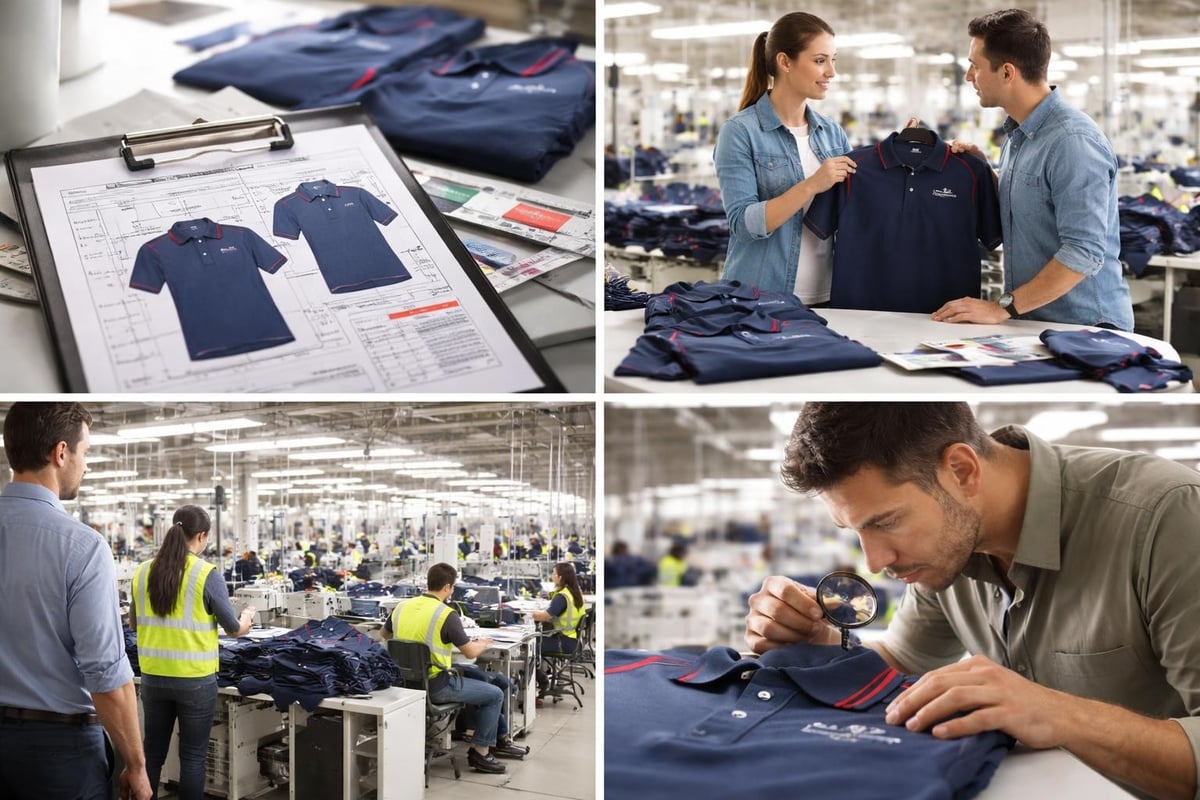
Regular audits of existing uniform stock identify garments requiring replacement due to wear, fading, or damage. Establishing replacement protocols maintains professional appearance standards and prevents staff from wearing shabby or damaged branded items that reflect poorly on your organisation. Many businesses implement scheduled refresh cycles, replacing uniform shirts with logo on annual or biannual basis.
Care Instructions and Longevity Strategies
Proper garment care extends the lifespan of uniform shirts with logo whilst preserving decoration quality. Providing staff with specific washing instructions prevents premature deterioration of embroidered or printed logos. Inside-out washing, avoiding high-temperature drying, and using appropriate detergents all contribute to maintaining professional appearance throughout garment lifespan.
Different decoration methods require varying care approaches. Embroidered logos generally withstand aggressive washing better than prints, though both benefit from gentler treatment. Heat-transfer applications particularly benefit from low-temperature washing and air drying. Including care labels and providing written guidance ensures employees understand proper maintenance requirements.
Budget Planning and Cost Management
Investing in uniform shirts with logo involves multiple cost factors beyond simple garment pricing. Decoration charges, setup fees, minimum order quantities, and sizing inventory all influence total programme expenditure. Comprehensive budget planning accounts for initial outfitting costs alongside ongoing replacement and expansion requirements as your workforce grows.
Volume discounts significantly impact per-unit costs, making bulk ordering economically advantageous for established businesses. However, smaller organisations or those testing new uniform programmes benefit from flexible minimum quantities that allow gradual implementation. Balancing upfront investment against long-term needs prevents both overspending and stockpiling excess inventory.
Calculating True Cost of Ownership
Beyond acquisition costs, factor in maintenance, replacement frequency, and staff turnover rates when evaluating uniform programme expenses. High-quality garments with durable decoration methods cost more initially but deliver superior longevity, potentially offering better value than cheaper alternatives requiring frequent replacement. Consider total cost across expected garment lifespan rather than focusing solely on purchase price.
Many suppliers offer package deals or bundle pricing for complete uniform programmes encompassing shirts, outerwear, and accessories. Consolidating orders through single suppliers often yields better pricing whilst simplifying logistics and ensuring consistent branding across all garment types. Exploring comprehensive uniform solutions streamlines procurement whilst potentially reducing overall programme costs.
Implementation and Rollout Strategies
Successfully introducing uniform shirts with logo requires careful planning and clear communication. Announcing the programme well in advance allows staff time to adjust to the change whilst providing opportunity for feedback and input. Involving employees in style selection or colour choices increases buy-in and acceptance.
Phased rollout approaches work well for larger organisations, allowing refinement of sizing, styles, and ordering processes before full implementation. Starting with customer-facing departments or specific teams provides valuable insights whilst limiting initial investment and potential issues. Document lessons learned during pilot phases to optimise subsequent rollouts.
Communication and Training Protocols
Clear policies regarding uniform requirements, care responsibilities, and replacement procedures prevent confusion and ensure consistent compliance. Written guidelines covering when uniforms must be worn, acceptable condition standards, and processes for obtaining replacements or additional items create accountability and maintain programme integrity.
Training managers to monitor uniform compliance and provide constructive feedback ensures standards remain consistently upheld. Regular reinforcement of uniform policies through team meetings and visual reminders maintains awareness without becoming oppressive. Celebrating positive examples of professional appearance reinforces desired behaviours more effectively than focusing solely on infractions.
Measuring Success and Return on Investment
Quantifying the impact of uniform shirts with logo helps justify ongoing investment and identify improvement opportunities. Customer feedback, both formal and informal, provides direct insight into how branded workwear affects perception. Mystery shopping exercises and customer satisfaction surveys can specifically address uniform appearance and professionalism.
Employee satisfaction metrics reveal how uniform programmes affect team morale and workplace culture. Regular pulse surveys or informal feedback sessions identify comfort issues, sizing problems, or style preferences that inform future procurement decisions. High satisfaction rates correlate with better compliance and more enthusiastic brand representation.
Track brand visibility through increased recognition and enquiry patterns. While difficult to measure precisely, businesses often notice improved brand recall following uniform programme implementation. Social media monitoring and community feedback provide qualitative evidence of enhanced visibility when employees wear uniform shirts with logo in public settings.
| Success Metric | Measurement Method | Target Benchmark | Review Frequency |
|---|---|---|---|
| Customer Recognition | Survey responses, feedback forms | 80%+ brand recall | Quarterly |
| Employee Satisfaction | Staff surveys, wear compliance rates | 85%+ satisfaction | Biannually |
| Garment Longevity | Replacement frequency tracking | 12+ months average | Ongoing |
| Brand Consistency | Visual audits, photography reviews | 95%+ compliance | Monthly |
| Cost Efficiency | Per-employee annual expenditure | Within budget ±10% | Annually |
Navigating Supplier Selection and Partnerships
Choosing the right supplier for uniform shirts with logo significantly impacts programme success. Evaluate potential partners based on product quality, decoration capabilities, minimum order requirements, turnaround times, and customer service standards. Requesting samples before committing to large orders allows quality assessment and ensures satisfaction with both garments and branding execution.
Established suppliers with comprehensive uniform branding expertise bring valuable knowledge to the planning process. Their experience across multiple industries and client types provides insights into what works effectively for different applications. Consultative suppliers help navigate style selection, decoration methods, and sizing strategies rather than simply processing orders.
Evaluating Service Capabilities and Support
Ongoing support requirements extend beyond initial ordering. Consider whether suppliers offer inventory management, individual employee ordering portals, or dedicated account management for larger programmes. These services simplify administration and reduce internal workload associated with uniform management.
Flexibility regarding minimum quantities, rapid reorder capabilities, and ability to accommodate custom requests distinguishes superior suppliers from basic vendors. As your business evolves, uniform needs change. Partners who adapt to growing requirements, seasonal variations, or special project demands provide long-term value beyond competitive pricing alone.
Legal and Safety Compliance Considerations
Certain industries face regulatory requirements affecting workwear selection beyond simple branding preferences. High-visibility sectors, food service environments, and healthcare settings must ensure uniform shirts with logo comply with relevant safety standards and hygiene regulations. Verifying compliance before procurement prevents costly mistakes and potential liability issues.
Accessibility requirements and disability accommodations deserve consideration during uniform programme development. Ensuring adaptive options exist for employees with specific needs demonstrates commitment to inclusivity whilst meeting legal obligations. Consult with occupational health professionals when implementing uniforms in environments with specific safety or health requirements.
Understanding employment law implications surrounding uniform provision, cleaning responsibilities, and associated costs helps avoid disputes. Clear policies established from the outset prevent misunderstandings about who bears various costs and responsibilities. Legal requirements vary by jurisdiction, making professional advice valuable for comprehensive programme implementation.
Future-Proofing Your Uniform Programme
Anticipating growth and evolution prevents uniform programmes from becoming static or outdated. Building flexibility into initial planning accommodates new team members, additional locations, or expanding service offerings without complete programme overhauls. Selecting classic styles with timeless appeal rather than trendy options extends relevance and maximises initial investment.
Sustainable practices increasingly influence purchasing decisions across all business areas. Considering environmental impact when selecting uniform shirts with logo aligns with broader corporate responsibility goals whilst appealing to environmentally conscious customers and employees. Many suppliers now offer eco-friendly fabric options, sustainable decoration methods, and recycling programmes for worn garments.
Technology integration offers exciting possibilities for uniform programmes. QR codes embedded in garments can link to digital profiles, training records, or certification documentation. NFC chips enable advanced inventory tracking and authentication. While not suitable for all applications, exploring technological enhancements future-proofs uniform programmes for evolving business landscapes.
Investing in quality uniform shirts with logo creates lasting value through enhanced brand visibility, improved team unity, and elevated professional presentation across all customer interactions. The careful consideration of design elements, decoration methods, and practical implementation strategies outlined throughout this guide ensures your uniform programme delivers maximum return on investment whilst genuinely supporting your team's daily work requirements. When you're ready to transform your workforce into confident brand ambassadors, Cobra Workwear offers comprehensive solutions tailored to your industry's specific needs, combining quality garments with expert decoration services to bring your brand vision to life.
