

Understanding how shirts work in professional environments requires examining the intersection of fabric technology, safety requirements, and practical functionality. Whether in construction, hospitality, healthcare, or manufacturing, the right shirt serves multiple purposes beyond simple coverage. These garments must withstand demanding conditions whilst maintaining comfort, complying with industry regulations, and projecting professional standards. The science behind how shirts work involves material engineering, ergonomic design, and adherence to workplace safety protocols that protect employees across diverse sectors.
The Fundamental Structure of Work Shirts
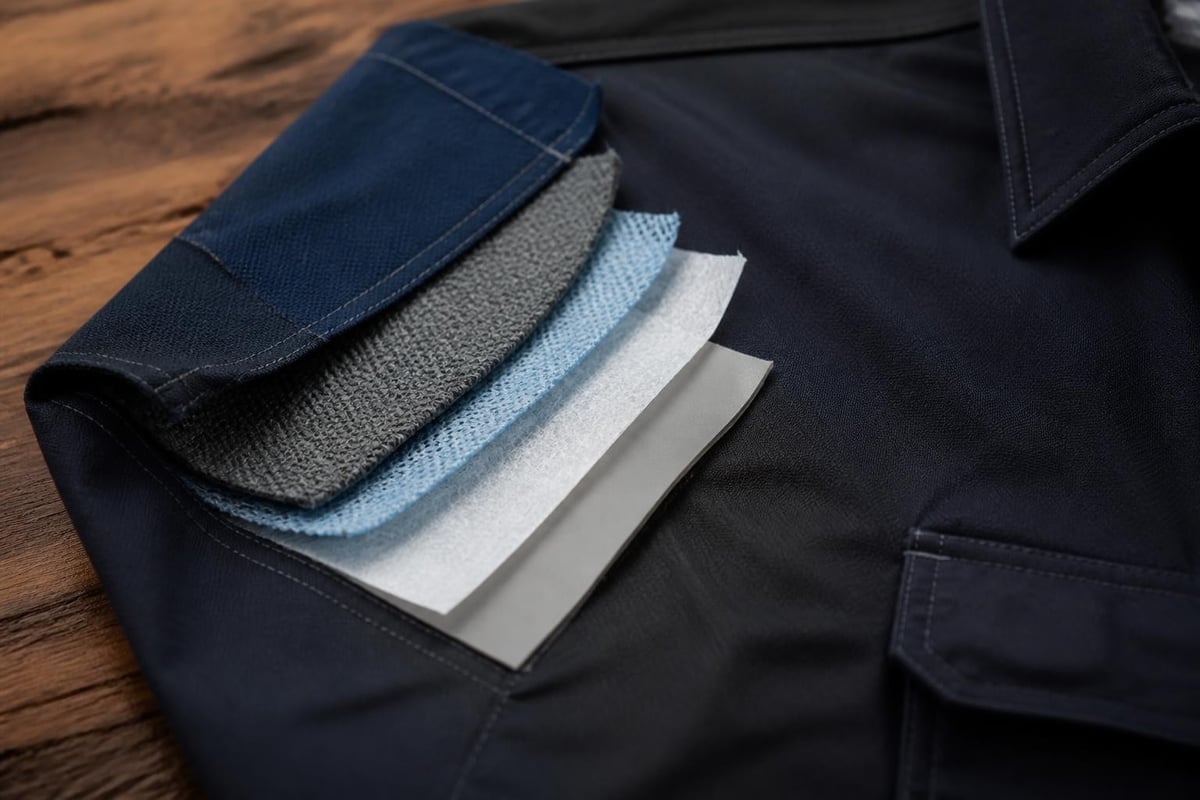
Professional work shirts differ substantially from casual clothing through their construction methodology and material selection. The way shirts work begins with understanding their layered approach to performance. Base fabrics form the foundation, followed by reinforcement in high-stress areas, and finished with treatments that enhance specific properties such as flame resistance or moisture management.
Material Composition and Performance
Modern work shirts utilise various fabric blends engineered for specific industries. Cotton remains popular for breathability and comfort, whilst polyester additions provide durability and moisture-wicking properties. The ratio between these fibres determines how effectively shirts work in different conditions.
Common fabric compositions include:
- 100% cotton for maximum breathability in moderate environments
- 65/35 polyester-cotton blends for enhanced durability
- 50/50 blends balancing comfort with performance
- Specialty materials incorporating aramid fibres for flame resistance
Natural fibres excel in temperature regulation, allowing air circulation whilst absorbing perspiration. Synthetic components contribute strength and quick-drying characteristics. The interplay between these materials dictates how well shirts work throughout extended shifts in challenging environments. Personal protective equipment regulations mandate that employers provide appropriate protective clothing when workplace hazards necessitate such measures.
Construction Techniques That Enhance Durability
The mechanical construction of work shirts directly impacts their operational lifespan. Double-stitched seams prevent premature failure at connection points where fabric pieces join. Bartack reinforcement at pocket corners and button plackets distributes stress across wider areas, preventing tears that would otherwise compromise the garment.
| Construction Feature | Purpose | Typical Application |
|---|---|---|
| Flat-felled seams | Eliminate raw edges, reduce chafing | Side seams, sleeve attachments |
| Reinforced stress points | Prevent tearing at high-tension areas | Pocket corners, button holes |
| Double-needle stitching | Increase seam strength | Shoulders, armholes |
| Chain-stitch hemming | Provide flexibility whilst maintaining integrity | Bottom hems, sleeve cuffs |
Understanding these construction elements reveals how shirts work under continuous mechanical stress. Quality workwear incorporates these features as standard specifications, ensuring garments withstand repeated industrial laundering cycles whilst maintaining structural integrity.
How Shirts Work Across Different Industries
The effectiveness of work shirts varies significantly depending on sector-specific requirements. What makes shirts work successfully in healthcare differs from construction or hospitality needs. Each industry demands particular characteristics that influence design, material selection, and additional features.
Construction and Manufacturing Environments
In construction settings, shirts work as protective barriers against multiple hazards. Heavy-duty fabrics resist abrasion from rough materials, whilst reinforced elbows and shoulders provide additional protection in high-wear zones. Many construction work shirts incorporate reflective striping that enhances visibility, particularly when workers operate near moving vehicles or machinery.
High-visibility requirements dictate specific colour combinations and reflective material placement. Regulations governing hi-vis workwear specify minimum amounts of background and reflective materials necessary for compliance. These standards ensure shirts work effectively in low-light conditions or environments with vehicular traffic.
The way shirts work in manufacturing depends heavily on the specific processes involved. Facilities handling flammable materials require flame-resistant treatments that self-extinguish when ignition sources are removed. Chemical processing plants need fabrics that resist degradation from exposure to corrosive substances. Different types of work shirts are designed with these varied requirements in consideration.
Healthcare and Food Service Applications
Healthcare professionals require shirts that prioritise hygiene and infection control. Antimicrobial treatments applied to fabrics inhibit bacterial growth, reducing cross-contamination risks. The way these shirts work involves active ingredients embedded in fibres that create hostile environments for microorganisms.
Healthcare work shirt requirements include:
- Fluid-resistant properties to prevent contamination
- Easy-care fabrics that withstand frequent high-temperature washing
- Comfortable fits allowing unrestricted movement during patient care
- Professional appearance maintaining institutional standards
Food service environments demand similar hygiene standards whilst adding considerations for temperature regulation. Kitchen staff experience extreme heat from cooking equipment, requiring shirts that facilitate cooling through moisture management. Professional embroidery services allow establishments to incorporate company branding whilst maintaining these functional requirements.
Safety Standards and Compliance
Regulatory frameworks govern how shirts work as protective equipment in hazardous environments. Understanding these requirements ensures organisations provide appropriate protection whilst maintaining legal compliance. Different jurisdictions impose varying standards, though fundamental principles remain consistent across regions.
Protective Equipment Regulations
OSHA standards for apparel establish baseline requirements for protective clothing in American workplaces, with parallel regulations existing in the United Kingdom and European Union. These frameworks mandate hazard assessments determining when specialised protective shirts become necessary rather than optional.
Flame-resistant shirts work through chemical treatments or inherently flame-retardant fibres that prevent ignition and self-extinguish rapidly. Arc-rated garments provide specific protection levels measured in calories per square centimetre, indicating energy absorption capacity before causing second-degree burns. Research on protective systems design emphasises maintaining adequate safety margins in protective clothing specifications.
| Safety Classification | Protection Level | Typical Industries |
|---|---|---|
| Standard duty | Basic abrasion resistance | General warehousing, retail |
| Flame-resistant | Self-extinguishing properties | Oil and gas, electrical utilities |
| Arc-rated | Measured thermal protection | Electrical maintenance, power generation |
| High-visibility | Enhanced conspicuity | Roadwork, airport operations |
Testing and Certification Processes
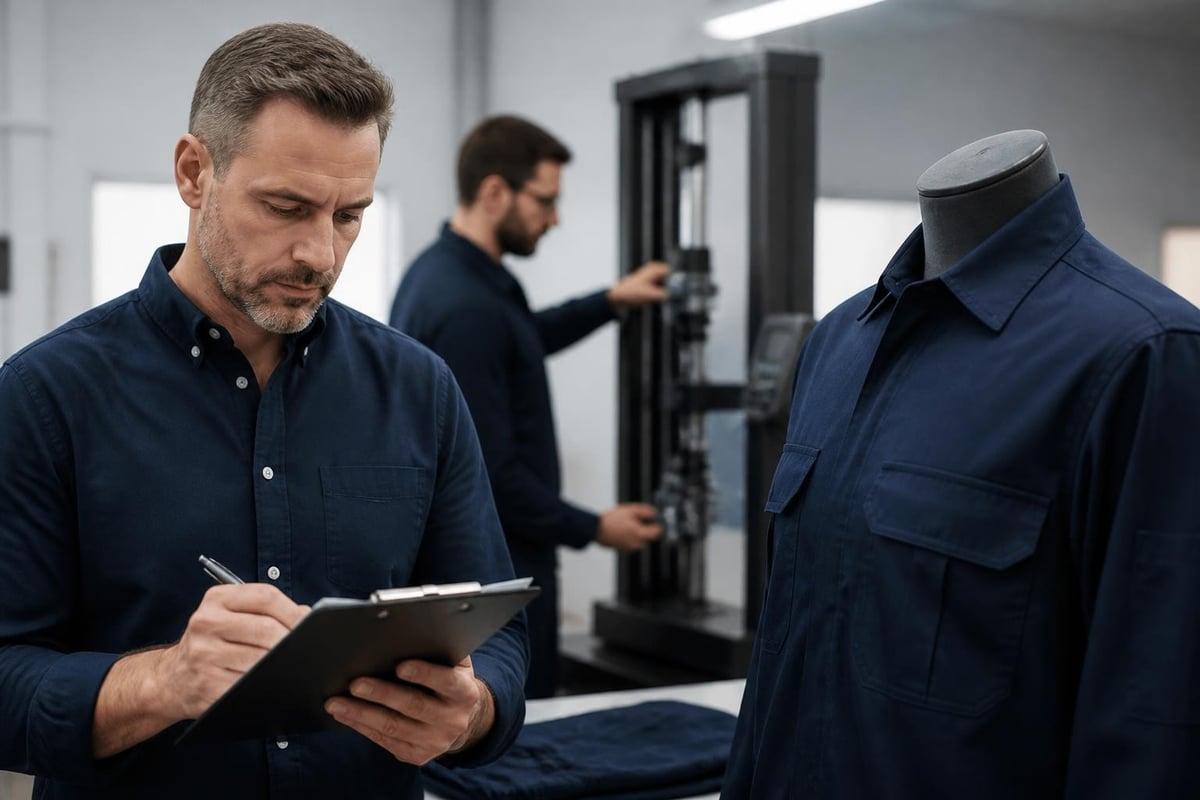
Independent testing laboratories verify how shirts work under simulated hazardous conditions before manufacturers can claim specific protection levels. Flame resistance testing exposes samples to standardised ignition sources, measuring burn time and char length. Arc rating involves exposing mannequins wearing test garments to controlled electrical arcs, assessing thermal energy transfer.
Organisations purchasing protective workwear should verify appropriate certifications accompany products. Compliance markings indicate independent verification that shirts work according to stated specifications. Annual retesting ensures consistency across production batches, particularly important for protective garments where performance degradation could compromise employee safety.
Ergonomic Design Features
Beyond materials and safety compliance, how shirts work depends significantly on ergonomic considerations. Poorly designed garments restrict movement, causing discomfort that reduces productivity and potentially creates safety hazards. Modern work shirts incorporate research-backed design elements that enhance wearer comfort whilst maintaining protective functions.
Movement and Mobility Enhancements
Action backs and bi-swing shoulder designs provide additional fabric at strategic locations, enabling unrestricted arm movement without pulling the shirt body upward. Gussets inserted at armholes and sides accommodate reaching and bending motions common in manual labour. These features demonstrate how shirts work to support rather than hinder physical activity.
Key mobility features include:
- Articulated elbows with curved seams matching natural arm positions
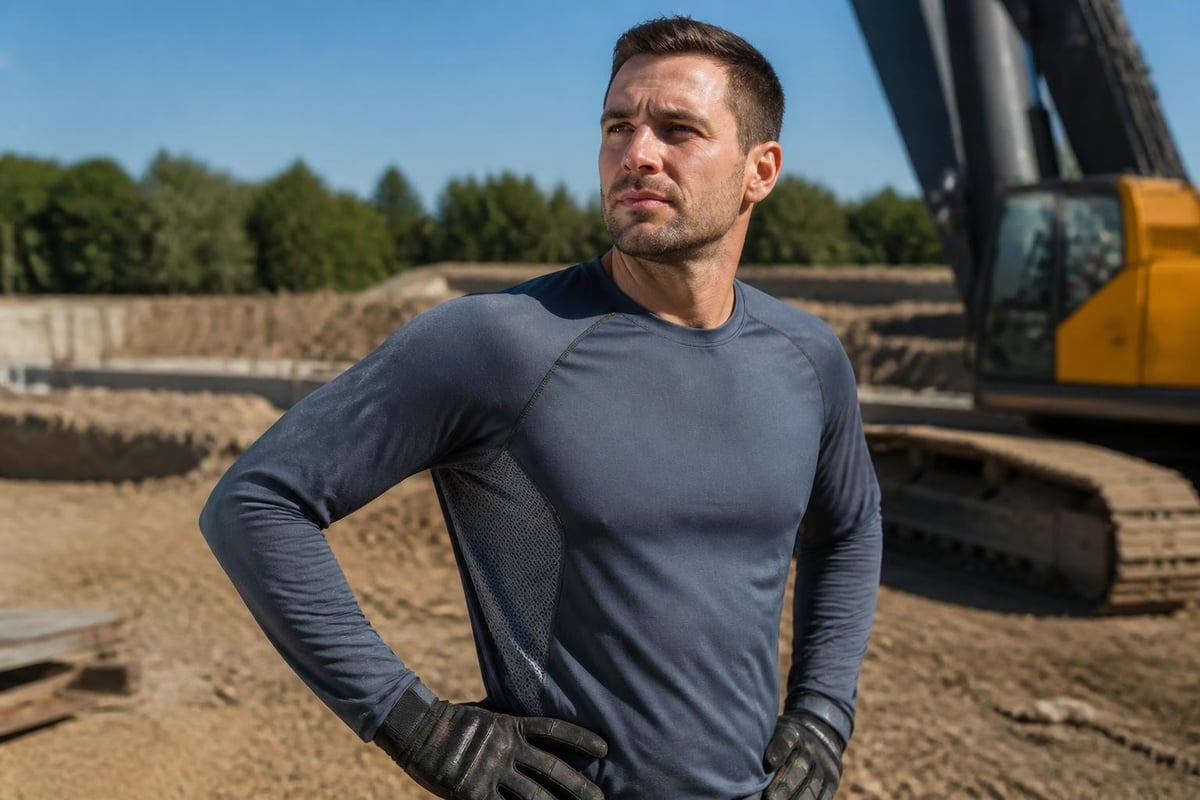
- Underarm mesh panels for ventilation and flexibility
- Stretch fabric panels at movement-intensive zones
- Adjustable cuffs accommodating various wrist sizes and glove use
The integration of stretch materials represents a significant advancement in how modern work shirts function. Small percentages of elastane woven into fabric blends provide mechanical give whilst returning to original dimensions. This elasticity proves particularly valuable in fitted styles where professional appearance matters alongside functionality.
Climate Control and Comfort
Temperature regulation mechanisms built into work shirts directly impact wearer comfort and productivity. Moisture-wicking treatments move perspiration away from skin towards outer fabric surfaces where evaporation occurs more readily. This process maintains dry conditions against the body, preventing the clammy discomfort associated with saturated cotton garments.
Ventilation features work alongside moisture management to enhance cooling. Mesh-lined back yokes allow air circulation across upper torso regions where heat accumulates. Strategically placed eyelets promote airflow through the garment whilst maintaining professional appearance standards.
Customisation and Branding Considerations
Professional appearance requirements influence how shirts work within organisational contexts. Branded workwear reinforces company identity whilst promoting team cohesion. The methods used to apply logos and designs affect both aesthetic outcomes and garment longevity. For businesses seeking professional branded workwear, polo shirts with embroidered company logos offer a balance between professional presentation and durability.
Decoration Methods and Durability
Embroidery creates permanent branding that withstands industrial laundering processes better than many printing techniques. Thread interwoven with base fabric becomes an integral part of the garment structure. This permanence ensures logos remain crisp and professional throughout the shirt's operational lifespan, demonstrating how branded shirts work as long-term marketing assets.
Screen printing offers cost advantages for large orders whilst providing vibrant colours unavailable through embroidery. Modern ink formulations resist fading and cracking when properly cured. Heat transfer vinyl provides another alternative suitable for smaller quantities or detailed designs requiring multiple colours. Each method affects how decorated shirts work in specific applications, with selection depending on budget, quantity, and aesthetic requirements.
Maintenance and Longevity
How long shirts work effectively depends substantially on proper care and maintenance practices. Industrial laundering subjects garments to harsher conditions than domestic washing, requiring robust construction and appropriate fabric treatments. Establishing systematic care protocols extends useful lifespan whilst maintaining protective properties and professional appearance.
Washing and Care Requirements
Specific fabric treatments require particular washing conditions to maintain effectiveness. Flame-resistant shirts lose protective properties when washed with fabric softeners or bleach containing additives. High-visibility garments need gentle cycles preventing premature degradation of reflective materials. Understanding these requirements ensures shirts continue working as designed throughout their intended lifespan.
Proper care guidelines include:
- Separating heavily soiled items from lightly soiled garments
- Using appropriate water temperatures for fabric types
- Avoiding additives that compromise protective treatments
- Inspecting garments regularly for damage requiring repair or replacement
- Following manufacturer specifications for drying methods
Professional laundering services specialising in workwear understand these nuances, providing care that balances cleanliness with garment preservation. Organisations managing internal laundering operations should train staff on proper procedures specific to their workwear inventory. Workplace wearable technology research increasingly explores smart garments requiring additional care considerations as sensors and connectivity become integrated into professional clothing.
Sizing and Fit Optimisation
Correct sizing directly impacts how effectively shirts work in professional environments. Ill-fitting garments compromise both comfort and safety. Excessively loose shirts create entanglement hazards near machinery, whilst overly tight garments restrict movement and reduce ventilation. Establishing proper sizing protocols ensures workforce receives appropriately fitted workwear.
Measurement and Selection Processes
Professional sizing begins with accurate measurements capturing chest, waist, sleeve length, and neck dimensions. Many suppliers provide detailed sizing charts correlating measurements to specific sizes across their product ranges. However, variations exist between manufacturers, making it essential to reference brand-specific information rather than assuming consistency.
| Size Category | Chest (inches) | Waist (inches) | Neck (inches) |
|---|---|---|---|
| Small | 35-37 | 29-31 | 14-14.5 |
| Medium | 38-40 | 32-34 | 15-15.5 |
| Large | 41-43 | 35-37 | 16-16.5 |
| Extra Large | 44-46 | 38-40 | 17-17.5 |
Fit preferences vary by industry and individual roles. Construction workers often prefer slightly looser fits accommodating layering during cold weather, whilst healthcare professionals typically choose closer fits preventing contact with patients or equipment. Understanding these preferences helps organisations select styles that optimise how shirts work for their specific workforce needs. Businesses can explore various options through Cobra Workwear's comprehensive range suited to different professional requirements.
Environmental and Sustainability Factors
Modern considerations of how shirts work increasingly incorporate environmental impacts. Sustainable manufacturing processes, recycled materials, and extended product lifecycles address growing concerns about textile industry environmental footprints. Forward-thinking organisations balance performance requirements with ecological responsibility when selecting workwear.
Sustainable Material Options
Organic cotton cultivation eliminates synthetic pesticides and fertilisers, reducing environmental contamination whilst producing fibres suitable for work shirts. Recycled polyester diverts plastic bottles from landfills, converting them into performance fabrics that work effectively in demanding applications. These materials demonstrate that environmental responsibility need not compromise functionality.
Bio-based treatments provide flame resistance and moisture management without relying on petroleum-derived chemicals. These innovations expand options for organisations prioritising sustainability alongside performance. Understanding how sustainably produced shirts work compared to conventional alternatives helps inform purchasing decisions that align with corporate environmental commitments.
Sustainability benefits include:
- Reduced water consumption during manufacturing
- Lower carbon emissions from material production
- Decreased chemical usage in growing and processing
- Extended garment lifespan through quality construction
- End-of-life recycling opportunities
Procurement strategies emphasising durability over disposability achieve sustainability goals whilst potentially reducing long-term costs. Higher-quality shirts lasting twice as long as budget alternatives effectively halve replacement frequency, reducing both financial outlays and environmental impacts. This approach demonstrates how strategic thinking about workwear selection generates multiple benefits.
Technology Integration and Future Developments
Emerging technologies are transforming how shirts work in professional environments. Smart textiles incorporating sensors monitor wearer health metrics, environmental conditions, and movement patterns. These capabilities create new possibilities for safety monitoring, productivity optimisation, and health surveillance, though implementation raises questions about privacy and data management.
Wearable Technology Applications
Temperature-regulating fabrics respond dynamically to body heat, adjusting insulation properties based on wearer needs. Phase-change materials incorporated into fabric structures absorb excess heat during exertion and release it when temperatures drop. This adaptive functionality represents an advancement beyond passive climate control, showing how technologically enhanced shirts work to maintain optimal comfort automatically.
Conductive threads woven into garment structures enable data collection without bulky external devices. Heart rate monitoring, posture tracking, and fatigue detection provide valuable information for industries prioritising worker safety and productivity. As these technologies mature, understanding how sensor-equipped shirts work within existing workflows becomes increasingly important for organisations considering adoption. Future applications might include automated compliance monitoring, real-time hazard alerts, and personalised comfort adjustments based on individual preferences and environmental conditions.
The effectiveness of professional work shirts stems from careful consideration of materials, construction, safety standards, and industry-specific requirements that ensure optimal performance across diverse applications. Whether protecting construction workers from hazards, maintaining hygiene standards in healthcare settings, or projecting professional images in hospitality environments, the right workwear makes measurable differences in safety, comfort, and productivity. Cobra Workwear provides comprehensive workwear solutions with in-house embroidery and printing services, enabling businesses across the UK to equip their teams with professional, branded garments suited to their specific industry requirements.
