

Service work shirts represent far more than simple garments for employees. They serve as the foundation of professional appearance, brand identity, and practical functionality across numerous industries. From automotive technicians to hospitality staff, the right shirt must balance durability, comfort, and corporate image whilst withstanding the rigours of daily service work. Understanding the specific requirements for your industry and workforce ensures you invest in garments that deliver value, longevity, and professional presentation.
Understanding Service Work Shirt Categories
The landscape of service work shirts has evolved considerably, with modern fabrics and construction techniques offering unprecedented performance. Different industries demand distinct features, and recognising these requirements helps businesses make informed purchasing decisions.
Industry-Specific Requirements
Service work shirts must align with the operational demands of each sector. Hospitality workers require stain-resistant fabrics with moisture-wicking properties, whilst automotive technicians need oil-repellent materials that can withstand repeated washing. Healthcare professionals prioritise antimicrobial treatments and easy-care fabrics, whereas field service engineers require breathable materials with enhanced durability.
Manufacturing and warehouse environments often necessitate high-visibility elements or flame-resistant properties. The professional work shirts that stand out in the industry demonstrate how material excellence and functional performance create long-term value. Understanding these nuanced requirements ensures your team receives appropriate protection and comfort throughout their working day.

Fabric Technology and Material Selection
Modern service work shirts utilise advanced textile engineering to deliver superior performance. The fabric selection process significantly impacts garment longevity, wearer comfort, and maintenance costs.
Performance Fabric Innovations
Contemporary service work shirts incorporate technologies that previous generations could scarcely imagine. Nanospun polyester offers four-way stretch capabilities, allowing unprecedented freedom of movement whilst maintaining professional appearance. The CX360™ fabric technology demonstrates how stretch polyester enhances both comfort and durability in demanding service environments.
Key fabric technologies include:
- Moisture-wicking polyester blends that draw perspiration away from skin
- Ripstop weaves that prevent tear propagation and extend garment life
- Antimicrobial treatments reducing odour development during extended wear
- Stain-resistant finishes protecting against common workplace contaminants
- UV-protective fabrics for outdoor service professionals
Cotton-polyester blends remain popular, typically combining 65% polyester with 35% cotton. This ratio provides breathability whilst maintaining colour fastness and reducing shrinkage. Pure cotton options suit environments where natural fibres are preferred, though they require more intensive care and experience greater shrinkage.
Specialised Safety Fabrics
Certain service industries mandate specialised fabric treatments for worker protection. Flame-resistant garments have become essential in electrical, oil and gas, and manufacturing sectors. The lightweight flame-resistant work shirts available today offer protection without sacrificing comfort, incorporating moisture management systems that keep workers cool.
High-visibility service work shirts combine safety compliance with professional presentation. These garments meet stringent standards whilst maintaining the polished appearance expected in customer-facing roles. The integration of reflective tape and fluorescent fabrics has improved significantly, with modern designs offering better durability and colour retention than earlier iterations.
| Fabric Type | Durability Rating | Care Requirements | Best Applications |
|---|---|---|---|
| 65/35 Poly-Cotton | High | Easy Care | General Service Work |
| 100% Cotton | Medium | Intensive Care | Hospitality, Retail |
| Ripstop Polyester | Very High | Easy Care | Field Service, Utilities |
| FR-Treated Fabrics | High | Specialised Care | Electrical, Manufacturing |
| Nanospun Stretch | High | Easy Care | Active Service Roles |
Construction Quality and Durability Features
Superior construction distinguishes professional-grade service work shirts from budget alternatives. The manufacturing techniques employed directly influence garment lifespan and performance under workplace stresses.
Reinforcement and Stitching Standards
Double-needle stitching at stress points prevents premature failure in high-wear areas. Armhole seams, shoulder joins, and side seams receive reinforced treatment in quality garments. Bartack stitching at pocket corners and button plackets adds structural integrity where tension concentrates during daily activities.
Critical construction elements include:
- Reinforced shoulder yokes distributing weight and stress
- Double-stitched side seams preventing separation
- Bartacked stress points at pockets and plackets
- Felled or flat-felled seams reducing friction and irritation
- High-quality button attachment with reinforced stitching
The collar construction significantly impacts professional appearance throughout the garment's lifecycle. Fused or interfaced collars maintain their shape after repeated washing, whilst cheaper alternatives quickly lose structure. Similarly, cuff construction affects both appearance and durability, with quality service work shirts featuring reinforced cuff stitching and properly aligned buttonholes.
Pocket Functionality and Placement
Pockets serve practical purposes beyond aesthetics in service work shirts. Chest pockets accommodate identification badges, mobile devices, and small tools, whilst maintaining professional appearance. Divided pockets offer organisation for multiple items, and pen slots prevent ink stains on pocket fabric.
The Red Kap technician work shirt design exemplifies how Touchtex™ technology combined with thoughtful pocket placement creates functional service garments. Reinforced pocket stitching prevents sagging when loaded with tools or devices, maintaining the shirt's professional silhouette throughout the working day.
Sizing, Fit, and Comfort Considerations
Proper sizing ensures service work shirts deliver both professional appearance and wearer comfort. Ill-fitting garments compromise mobility, create unprofessional impressions, and reduce employee satisfaction.
Modern Fit Options
Service work shirts now come in various fit profiles accommodating different body types and workplace requirements. Traditional regular fits offer generous room through chest and waist, whilst modern slim fits present a more tailored appearance suitable for customer-facing roles. Athletic fits accommodate broader shoulders and chest measurements whilst tapering at the waist.
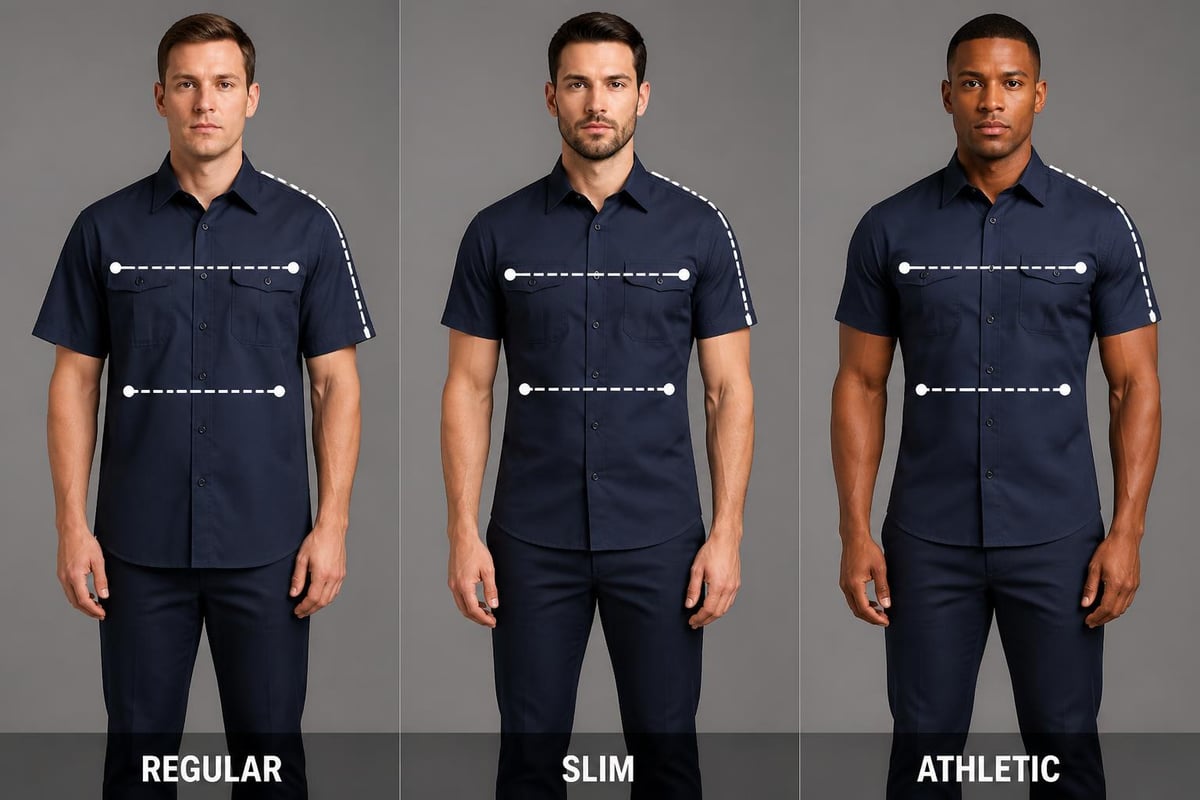
Sizing standards vary between manufacturers, making measurement verification essential before bulk ordering. The ASTM D6321 standard test methods provide framework for evaluating machine-washable garments, though practical fitting trials with actual employees yield the most reliable results.
Key measurement points include:
- Neck circumference measured at collar band position
- Chest measurement taken at fullest point
- Sleeve length from centre back neck to wrist
- Shoulder width from point to point
- Body length from high point shoulder to hem
Comfort Features for Extended Wear
Service professionals often wear their uniforms for eight to twelve hours daily, making comfort features critically important. Ventilation panels under arms or along the back improve airflow in warm environments. Gusseted underarms enhance mobility without pulling or binding, whilst stretch fabrics accommodate movement during physical tasks.
Some service work shirts incorporate tagless labels printed directly on fabric, eliminating irritation at the neck. Curved hemlines designed to stay tucked during bending and reaching improve professional appearance throughout the shift. These seemingly minor details significantly impact wearer satisfaction and uniform compliance.
Branding and Customisation Options
Service work shirts function as mobile advertisements, reinforcing brand identity with every customer interaction. Customisation transforms generic garments into powerful marketing tools whilst building team cohesion.
Embroidery versus Printing Methods
Embroidery delivers premium appearance and exceptional durability, making it ideal for company logos on service work shirts. The raised, textured finish conveys professionalism and quality, whilst the stitching withstands hundreds of wash cycles without fading. Embroidery works particularly well for polo shirts, creating sophisticated branded garments suitable for customer-facing service roles.
Screen printing offers cost advantages for larger designs or multiple colours, though durability varies with printing technique and garment care. Direct-to-garment printing provides photographic quality reproduction but requires gentle washing to maintain appearance. Heat transfer vinyl suits small production runs but may crack or peel with intensive wear.
| Customisation Method | Durability | Cost per Unit | Best Applications |
|---|---|---|---|
| Embroidery | Excellent | Higher | Logos, Small Text |
| Screen Printing | Good | Lower (bulk) | Large Designs, Backs |
| DTG Printing | Fair | Medium | Complex Graphics |
| Heat Transfer | Fair | Lower | Names, Numbers |
Placement and Design Considerations
Logo placement on service work shirts follows established conventions whilst allowing creative flexibility. Left chest positioning remains standard for company logos, measuring typically between 3.5 and 4 inches wide. This placement ensures visibility during customer interactions whilst maintaining balanced aesthetics.
Employee names often appear on the right chest or above the left chest pocket, using subtle embroidery that complements the company logo. Back designs accommodate larger graphics or slogans, though these suit some service industries better than others. The high-visibility workwear collection demonstrates how branding integrates effectively with safety requirements.
Care, Maintenance, and Longevity
Proper garment care significantly extends service work shirt lifespan whilst maintaining professional appearance. Establishing clear care protocols protects your uniform investment and ensures consistent team presentation.
Washing and Stain Management
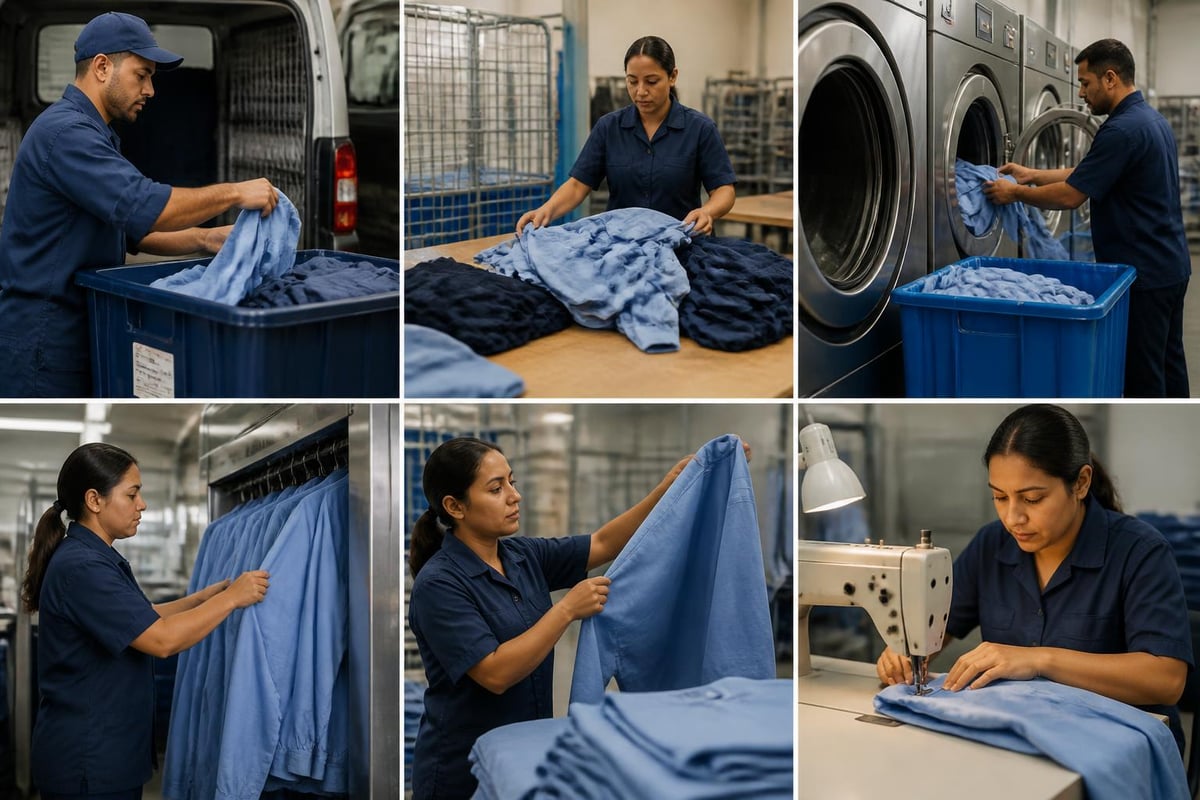
Industrial laundering services offer consistency and convenience for larger organisations, processing uniforms according to manufacturer specifications. In-house or employee washing requires clear guidelines to prevent premature wear or damage. Water temperature, detergent selection, and drying methods all impact garment longevity.
Essential care practices include:
- Sorting by colour and soil level before washing
- Pre-treating stains immediately after occurrence
- Washing at temperatures specified by garment labels
- Avoiding chlorine bleach on coloured or printed garments
- Tumble drying at medium heat or line drying when possible
The OilBlok and stain-resistant technologies featured in modern service work shirts repel common workplace contaminants, though proper care remains essential. Prompt treatment of grease, oil, or chemical stains prevents permanent setting, whilst regular washing prevents soil accumulation that accelerates fabric degradation.
Extending Garment Lifecycle
Rotation systems prevent excessive wear on individual garments, with employees ideally possessing three to five service work shirts per person. This approach allows adequate recovery time between wearings whilst ensuring clean garments remain available. Proper storage on hangers rather than folding reduces creasing and maintains professional appearance.
Regular inspection identifies minor issues before they become major problems. Loose buttons should be reinforced immediately, small tears repaired professionally, and worn collars or cuffs addressed promptly. Many organisations establish replacement schedules based on wear patterns, typically refreshing service work shirts annually or biannually depending on usage intensity.
Cost Analysis and Budgeting Strategies
Service work shirts represent significant investment for growing businesses, making strategic purchasing essential. Understanding total cost of ownership rather than simply purchase price delivers better long-term value.
Initial Investment versus Lifecycle Costs
Premium service work shirts command higher initial prices but often deliver lower per-wear costs through extended lifespan. Budget garments requiring replacement after six months ultimately cost more than quality alternatives lasting two years. This calculation becomes particularly important for organisations maintaining large uniform inventories.
Total cost of ownership factors:
- Initial purchase price per garment
- Expected lifespan measured in wash cycles
- Replacement frequency and associated costs
- Laundering expenses over garment life
- Branding setup costs amortised across quantity
- Employee satisfaction and retention impacts
The delivery options available from professional workwear suppliers affect cash flow and inventory management. Bulk ordering reduces per-unit costs but requires upfront capital and storage space. Phased delivery programmes spread costs whilst ensuring adequate stock levels.
Supplier Selection and Ordering
Establishing relationships with reliable workwear suppliers provides advantages beyond competitive pricing. Consistent sizing across reorders, quality assurance, and flexible customisation options justify premium supplier relationships. UK-based suppliers offer faster turnaround and easier communication compared to distant alternatives.
Minimum order quantities affect budgeting for smaller organisations, though many suppliers now accommodate modest initial orders. Sample ordering before committing to large purchases allows fit verification and quality assessment. This approach proves particularly valuable when transitioning between suppliers or introducing new shirt styles.
Sustainability and Environmental Considerations
Environmental responsibility increasingly influences purchasing decisions, with service work shirts offering opportunities for sustainable practices. Modern businesses balance functionality with ecological impact.
Eco-Friendly Fabric Options
Organic cotton service work shirts eliminate pesticide and synthetic fertiliser usage, though they typically command premium pricing. Recycled polyester fabricated from post-consumer plastic bottles reduces petroleum dependence whilst delivering performance characteristics. Bamboo fabrics offer natural antimicrobial properties and rapid renewability, though durability may not match synthetic alternatives in demanding environments.
Certifications such as OEKO-TEX Standard 100 verify fabrics meet stringent chemical safety requirements, ensuring garments pose no health risks to wearers. GOTS (Global Organic Textile Standard) certification provides assurance regarding organic content and ethical manufacturing practices. These certifications add credibility to sustainability claims whilst protecting employee wellbeing.
Lifecycle and Disposal Planning
Extending service work shirt lifespan through proper care represents the most effective sustainability strategy. When garments reach end of life, textile recycling programmes prevent landfill disposal. Some manufacturers operate take-back schemes, reprocessing old uniforms into new fabrics or alternative products.
Donation programmes place serviceable but retired uniforms with charitable organisations or vocational training centres. This approach provides social value whilst reducing waste. Establishing clear retirement criteria ensures only genuinely worn-out garments enter disposal streams, maximising reuse and recycling opportunities.
Seasonal Variations and Multi-Climate Solutions
Service industries operating year-round require adaptable uniform programmes accommodating temperature fluctuations. Strategic layering and seasonal shirt options maintain comfort without compromising professional appearance.
Short-Sleeve versus Long-Sleeve Options
Summer service work shirts with short sleeves provide cooling airflow, particularly when combined with moisture-wicking fabrics. Lightweight weaves enhance breathability without sacrificing durability. However, some organisations maintain long-sleeve requirements for sun protection or professional presentation standards.
Convertible sleeve shirts with roll-up tabs offer versatility, allowing employees to adjust coverage throughout the day. This flexibility particularly suits field service roles where workers transition between indoor and outdoor environments. Seasonal inventory rotation ensures appropriate garments remain available without excessive stock accumulation.
The integration of base layers beneath service work shirts extends cold-weather comfort. Thermal underlayers maintain warmth whilst allowing the outer shirt to preserve professional appearance. The range of workwear options available demonstrates how coordinated layering systems serve diverse climate requirements.
Ventilation and Cooling Features
Advanced service work shirts incorporate ventilation panels in strategic locations, typically along the back or under arms. These mesh-backed sections promote airflow whilst maintaining professional appearance from the front. Underarm eyelets provide subtle ventilation without obvious design changes.
Moisture-wicking treatments work synergistically with ventilation features, drawing perspiration away from skin and promoting rapid evaporation. This combination keeps service professionals comfortable during physical activity or in warm environments. Some manufacturers employ dual-layer construction with inner moisture-management fabrics and outer professional-appearance fabrics.
Service work shirts form the cornerstone of professional presentation whilst delivering the durability and functionality required across diverse industries. Strategic selection considering fabric technology, construction quality, branding opportunities, and lifecycle costs ensures optimal value for your uniform investment. Cobra Workwear offers comprehensive workwear solutions with in-house embroidery and printing services, helping UK businesses create professional, durable uniforms that represent their brand with pride. Contact their team to discuss your specific service work shirt requirements and discover how customised workwear enhances your professional image.
