

Selecting the right mens workwear tops for your team requires careful consideration of industry requirements, safety standards, and practical functionality. Whether you're outfitting construction workers, hospitality staff, or healthcare professionals, the choice of workwear tops directly impacts employee comfort, safety, and professional appearance. This comprehensive guide explores everything you need to know about mens workwear tops in 2026, from regulatory compliance to fabric technologies and customisation possibilities.
Understanding Industry-Specific Requirements for Mens Workwear Tops
Different industries demand distinct features from their workwear tops. Construction and electrical work necessitate flame-resistant properties and high-visibility elements, whilst hospitality roles prioritise professional appearance and stain resistance. Healthcare environments require antimicrobial fabrics and easy-clean materials that withstand frequent laundering at high temperatures.
Safety regulations play a crucial role in determining appropriate mens workwear tops for specific industries. The OSHA standards for apparel outline minimum requirements for protective clothing across various sectors, establishing benchmarks that employers must meet to ensure workforce safety.
Compliance and Safety Standards
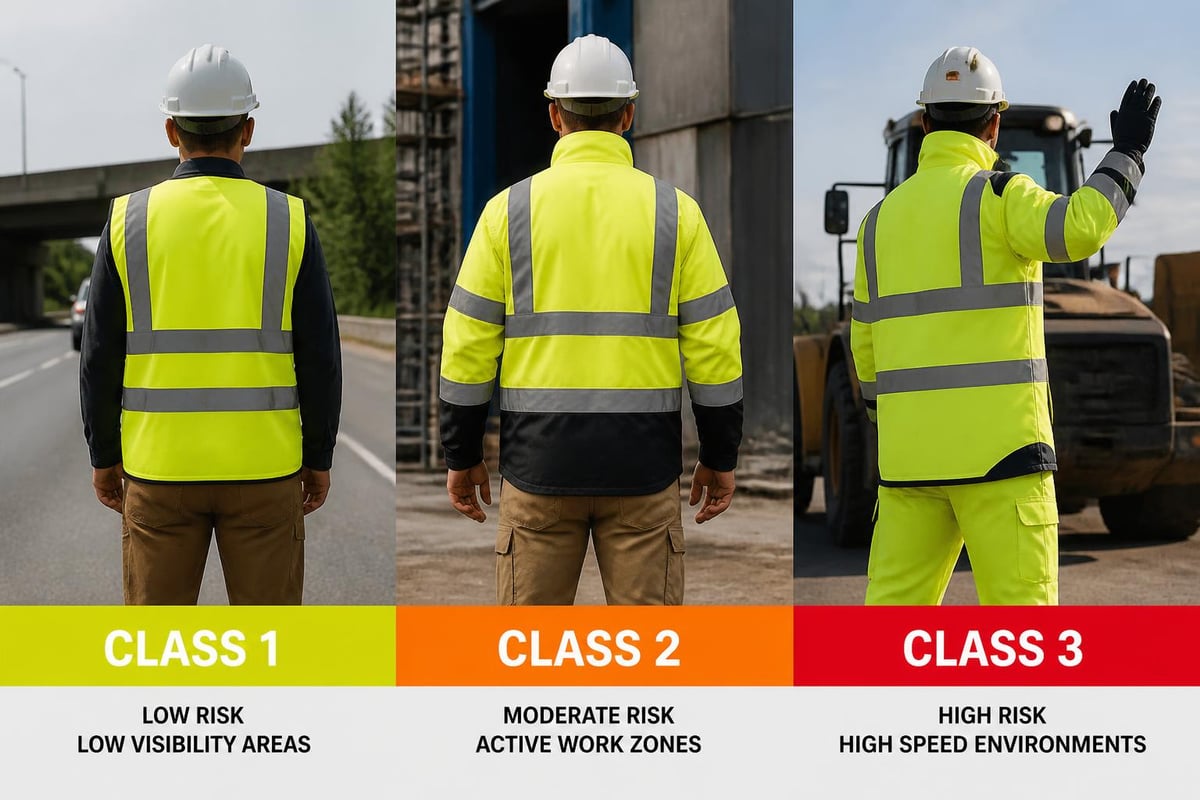
High-visibility workwear represents one of the most critical categories of mens workwear tops for outdoor and roadside workers. According to hi-vis clothing requirements, garments must meet specific classifications based on risk levels and working conditions.
The three main classes of high-visibility clothing determine the minimum amount of reflective material and background fabric required:
- Class 1: Low-risk environments with good visibility and slow-moving traffic
- Class 2: Medium-risk situations including roadside work and delivery drivers
- Class 3: High-risk environments such as motorway construction and emergency response
Flame-resistant mens workwear tops serve essential protective functions in electrical, oil and gas, and welding industries. OSHA's flame-resistant clothing guidance emphasises that these garments must be properly maintained and replaced when damaged to ensure continued protection.
Material Selection and Fabric Technologies
Modern mens workwear tops incorporate advanced fabric technologies that enhance durability, comfort, and protection. Understanding these materials helps businesses make informed purchasing decisions that balance cost with performance requirements.
Cotton and Cotton Blends
Pure cotton remains popular for mens workwear tops due to its natural breathability and comfort. However, cotton blends typically offer superior performance characteristics:
| Fabric Blend | Benefits | Ideal Applications |
|---|---|---|
| 65% Polyester / 35% Cotton | Excellent durability, minimal shrinkage, quick-drying | General workwear, hospitality |
| 80% Cotton / 20% Polyester | Enhanced comfort, good breathability, improved shape retention | Indoor environments, retail |
| 50/50 Cotton-Poly | Balanced performance, cost-effective, easy-care | Multi-purpose workwear |
Cotton-rich fabrics excel in situations requiring breathability and moisture absorption, making them suitable for physically demanding roles. The natural fibres prevent static build-up and provide superior comfort during extended wear periods.
Synthetic and Technical Fabrics
Polyester-based mens workwear tops deliver exceptional durability and colour retention. These synthetic materials resist wrinkles, maintain their shape after repeated washing, and dry significantly faster than natural fibres. Modern polyester fabrics often incorporate moisture-wicking technologies that draw perspiration away from the skin.
Ripstop fabrics feature reinforced weaving patterns that prevent tears from spreading, making them ideal for demanding environments where garments face potential snags and abrasions. This construction method significantly extends the lifespan of mens workwear tops in challenging conditions.
Performance fabrics with antimicrobial treatments inhibit bacterial growth and reduce odours, particularly beneficial in healthcare settings and food service environments. These treatments withstand multiple wash cycles whilst maintaining their protective properties.
Customisation and Branding Options
Professional appearance strengthens brand identity and promotes team cohesion. Mens workwear tops offer excellent opportunities for corporate branding through embroidery and printing techniques. Many businesses choose to add logos to create a unified, professional appearance across their workforce.
Embroidery Versus Printing
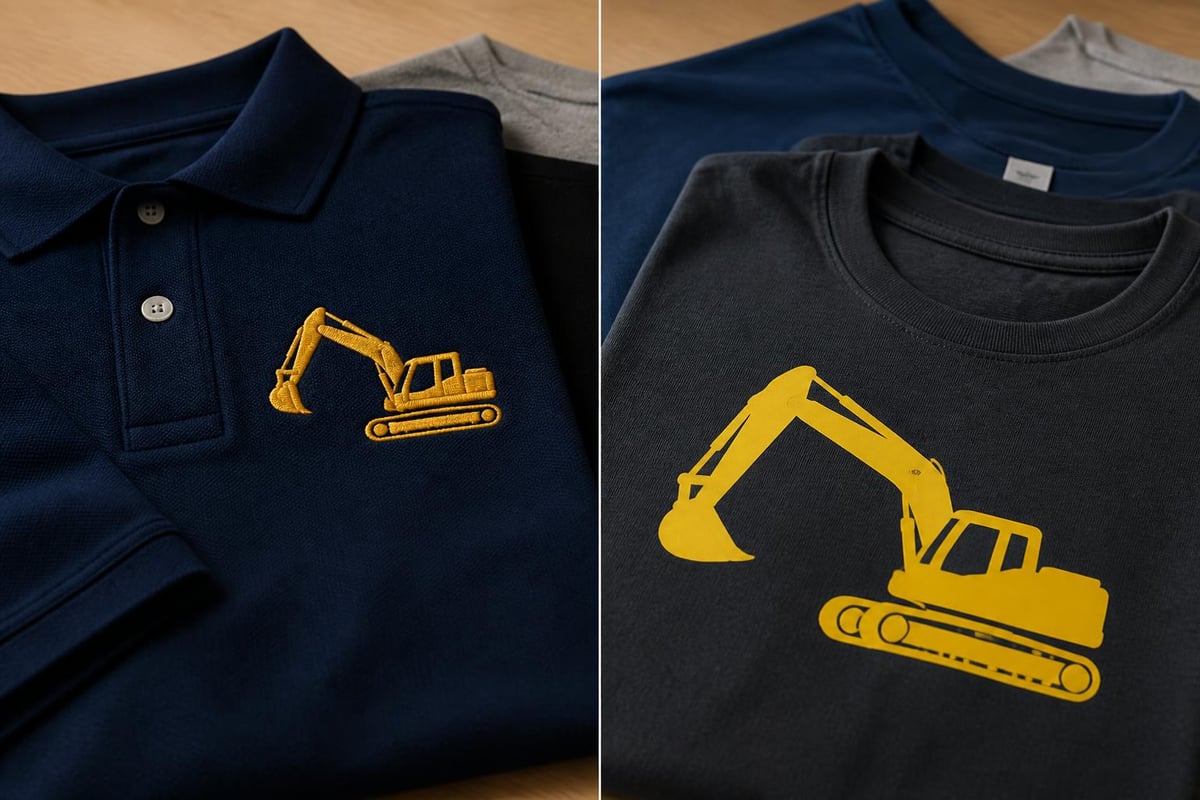
Embroidery provides a premium, long-lasting branding solution that maintains its appearance through countless wash cycles. This technique works exceptionally well on polo shirts, which serve as versatile mens workwear tops across numerous industries from corporate environments to trades.
Advantages of embroidery include:
- Professional, three-dimensional appearance
- Exceptional durability and wash resistance
- Suitable for small, detailed logos
- Premium brand perception
Screen printing offers cost-effective solutions for larger designs and quantities. This method achieves vibrant colours and works well on t-shirts and sweatshirts. Digital printing technologies now enable full-colour graphics and photographic images on mens workwear tops, expanding creative possibilities for branding.
Strategic Placement Considerations
Logo placement significantly impacts visibility and professional appearance. Common positions include:
- Left chest: Traditional placement offering subtle branding
- Right chest or sleeve: Additional branding opportunities
- Back panels: Maximum visibility for outdoor workers
- Collar area: Discreet identification suitable for hospitality
Consider the working position of employees when determining logo placement. Workers who frequently bend or reach may benefit from shoulder or upper back positioning, ensuring consistent brand visibility.
Popular Styles of Mens Workwear Tops
The diversity of mens workwear tops ensures suitable options for every industry and role. Understanding the strengths of each style helps businesses select appropriate garments for their specific requirements.
Polo Shirts and T-Shirts
Polo shirts represent the most versatile category of mens workwear tops, suitable for industries ranging from retail to light trade work. Their collared design projects professionalism whilst maintaining comfort and ease of movement. Short-sleeved and long-sleeved variants accommodate seasonal requirements and workplace temperature variations.
T-shirts provide economical solutions for physically demanding roles where garments face frequent replacement. Modern workwear t-shirts incorporate reinforced stitching at stress points and heavier fabric weights than standard casual shirts.
Sweatshirts and Hoodies
Sweatshirts deliver essential warmth for outdoor workers and warehouse environments. Fleece-lined options provide superior insulation without excessive bulk, allowing unrestricted movement during physical tasks. Crew neck and quarter-zip designs offer varying levels of ventilation control.
Hoodies combine warmth with practical features such as adjustable hoods and kangaroo pockets. These mens workwear tops suit environments where workers transition between indoor and outdoor locations throughout their shifts.
Work Shirts and Jackets
Long-sleeved work shirts offer comprehensive coverage and professional appearance suitable for supervisory roles and client-facing positions. Many feature practical elements including chest pockets, pen slots, and reinforced elbows.
Lightweight jackets and softshell options bridge the gap between shirts and heavy-duty outerwear. These mens workwear tops provide weather protection whilst maintaining breathability, making them ideal for spring and autumn conditions.
Sizing and Fit Considerations
Proper fit ensures comfort, safety, and professional appearance. Ill-fitting mens workwear tops compromise movement, reduce protection, and create an unprofessional impression. Businesses must consider diverse body types when ordering workwear for their teams.
Standard Sizing Systems
Most manufacturers use standard sizing conventions, though measurements vary between brands. Always consult specific size charts rather than assuming consistency across suppliers.
| Size | Chest (inches) | Length (inches) | Typical Wearer Build |
|---|---|---|---|
| Small | 36-38 | 27-28 | Slim/Athletic |
| Medium | 38-40 | 28-29 | Average |
| Large | 40-42 | 29-30 | Average/Broad |
| XL | 42-44 | 30-31 | Broad/Tall |
| 2XL | 44-46 | 31-32 | Large Build |
Measuring existing garments that fit well provides reliable guidance when ordering new mens workwear tops. Key measurements include chest width, shoulder width, sleeve length, and overall garment length.
Fit Styles and Their Applications
Modern mens workwear tops typically come in three fit categories:
Slim fit suits office-based roles and customer-facing positions where smart appearance takes priority. These garments follow body contours more closely, creating a contemporary silhouette.
Regular fit offers the most versatile option, providing comfortable movement without excess fabric. This style works across virtually all industries and body types.
Relaxed fit accommodates layering and unrestricted movement essential for physically demanding roles. Workers wearing protective equipment underneath their tops benefit from this generous cut.
Maintenance and Care Requirements
Proper maintenance extends the lifespan of mens workwear tops whilst preserving their protective properties and professional appearance. Many businesses overlook workwear maintenance, leading to premature garment failure and unnecessary replacement costs.
Washing Best Practices
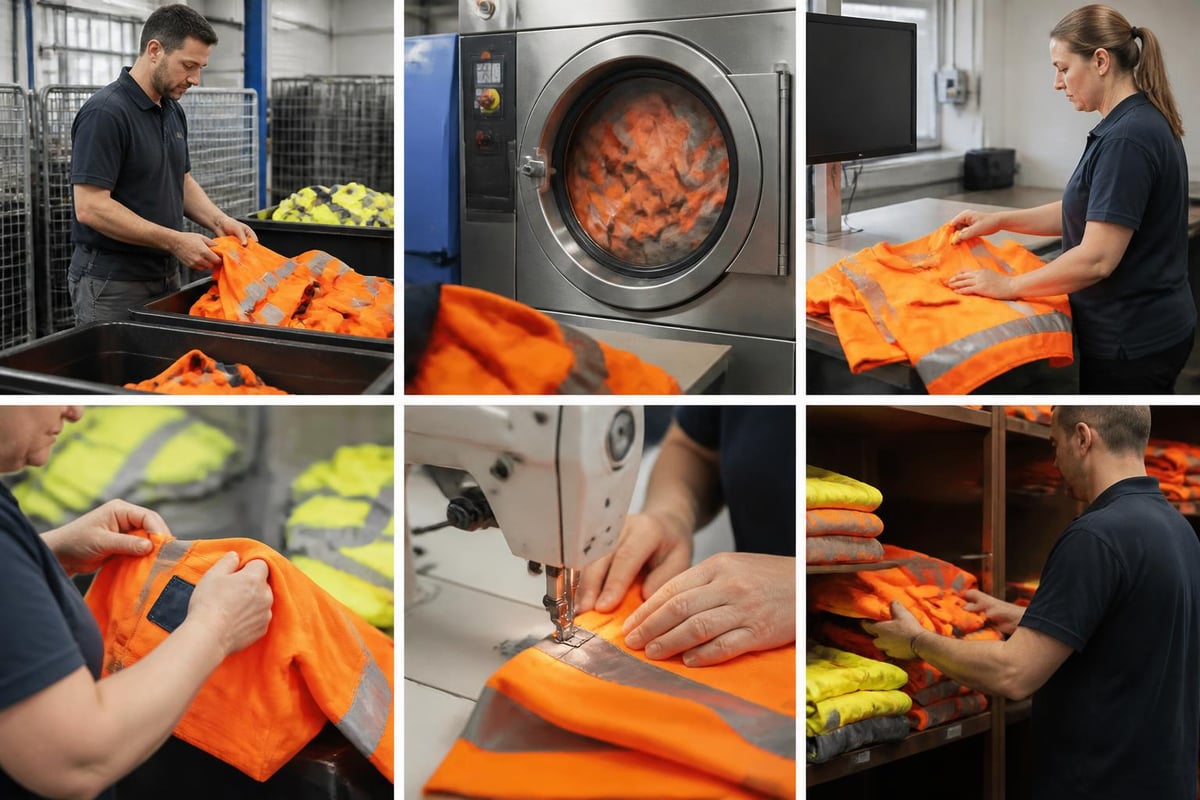
Different fabric types and treatments require specific care approaches. High-visibility mens workwear tops demand particular attention, as improper washing degrades reflective properties. Following proper washing guidelines ensures garments maintain their safety features throughout their intended lifespan.
Essential washing guidelines:
- Separate workwear from personal clothing to prevent cross-contamination
- Use industrial-strength detergents designed for workwear
- Avoid fabric softeners on high-visibility and flame-resistant garments
- Wash at temperatures specified by manufacturers
- Turn garments inside out to protect logos and prints
Flame-resistant mens workwear tops require especially careful maintenance. These garments must never be washed with flammable substances or bleach, which compromise their protective properties. Regular inspection identifies damage that necessitates immediate replacement.
Storage and Organisation
Proper storage prevents damage and maintains garment quality between uses. Mens workwear tops should be stored in clean, dry environments away from direct sunlight, which causes colour fading and material degradation.
Implementing systematic storage solutions helps businesses track inventory and ensure employees receive clean, properly maintained workwear. Many organisations assign individual garments to specific workers, simplifying accountability and sizing consistency.
Budget Considerations and Value Assessment
Balancing cost with quality determines long-term value when purchasing mens workwear tops. Initial purchase price represents only one component of total ownership cost. Durability, maintenance requirements, and replacement frequency significantly impact overall expenditure.
Cost-Per-Wear Analysis
Premium mens workwear tops typically cost more initially but deliver superior longevity. A £25 polo shirt lasting two years provides better value than a £12 alternative requiring replacement after six months.
Calculate cost-per-wear by dividing the purchase price by expected number of wearing occasions:
- Budget garment: £12 ÷ 120 wears = £0.10 per wear
- Premium garment: £25 ÷ 400 wears = £0.06 per wear
This calculation demonstrates how investing in quality mens workwear tops reduces long-term costs whilst delivering superior performance and appearance.
Bulk Purchasing Advantages
Volume purchases typically unlock significant discounts on mens workwear tops. Businesses requiring garments for multiple employees should negotiate pricing based on total order quantities rather than individual items.
Additional benefits of bulk purchasing include:
- Consistent sizing and colour across entire workforce
- Simplified reordering and inventory management
- Reduced delivery costs and administrative overhead
- Stronger supplier relationships and priority service
Many suppliers offer package deals combining mens workwear tops with complementary items such as trousers and safety footwear. These bundles often provide better overall value than purchasing components separately.
Seasonal Variations and Climate Adaptability
Temperature fluctuations throughout the year necessitate different mens workwear tops for optimal comfort and performance. Businesses operating in varied climates must provide appropriate options matching seasonal conditions.
Summer Workwear Solutions
Warm weather demands lightweight, breathable mens workwear tops that facilitate air circulation and moisture management. Short-sleeved polo shirts and t-shirts in light colours reflect heat whilst maintaining professional appearance.
Moisture-wicking fabrics become particularly valuable during summer months, drawing perspiration away from skin to enhance comfort during physically demanding work. Mesh ventilation panels in strategic locations further improve airflow without compromising garment integrity.
Winter Workwear Requirements
Cold weather necessitates layering strategies combining base layers, insulating mid-layers, and protective outer shells. Long-sleeved mens workwear tops in brushed cotton or fleece-backed fabrics provide warmth whilst allowing freedom of movement.
Quarter-zip sweatshirts offer excellent versatility, enabling workers to adjust ventilation as activity levels change throughout the day. These garments work equally well as standalone tops in mild conditions or mid-layers beneath jackets during severe weather.
Businesses serving diverse geographical regions or operating both indoor and outdoor facilities should maintain seasonal inventory ensuring employees access appropriate mens workwear tops year-round. This approach maximises comfort, productivity, and safety across all working conditions.
Industry-Specific Recommendations
Different sectors require distinct approaches to mens workwear tops selection. Understanding these nuances ensures businesses choose garments optimised for their specific operational requirements.
Construction and Trade Industries
Construction environments demand robust mens workwear tops combining durability with safety features. High-visibility elements remain mandatory for roadside and heavy equipment operations. Reinforced stitching at stress points extends garment lifespan in demanding conditions.
Many construction workers prefer darker colours for base layers, reserving high-visibility jackets for situations requiring enhanced visibility. This approach reduces laundering frequency for everyday workwear whilst maintaining safety compliance.
Hospitality and Retail Sectors
Customer-facing roles prioritise professional appearance and brand consistency. Smart polo shirts and button-down work shirts create positive first impressions whilst providing comfort during extended shifts. Stain-resistant treatments prove particularly valuable in food service environments.
Colour coordination with corporate branding strengthens visual identity. Many hospitality businesses maintain multiple colours of mens workwear tops, differentiating departments or seniority levels whilst maintaining cohesive overall appearance.
Healthcare and Care Environments
Medical and care settings require mens workwear tops meeting strict hygiene standards. Antimicrobial fabrics inhibit bacterial growth, whilst easy-care materials withstand frequent high-temperature washing. Tunics and scrub tops with multiple pockets provide practical storage for essential equipment.
Colour coding by department or role helps patients and visitors identify appropriate staff members quickly. Many healthcare facilities standardise mens workwear tops whilst allowing individual size and fit selection for optimal comfort during demanding shifts.
Environmental Sustainability Considerations
Growing environmental awareness drives increasing demand for sustainable mens workwear tops. Businesses seeking to reduce their ecological footprint should consider several factors when selecting workwear suppliers and products.
Sustainable Materials and Manufacturing
Organic cotton mens workwear tops eliminate pesticide use and reduce water consumption during cultivation. Recycled polyester diverts plastic waste from landfills whilst delivering performance characteristics comparable to virgin materials.
Responsible manufacturing practices include fair labour standards, energy-efficient production facilities, and minimal water usage. Certifications such as OEKO-TEX and Fair Trade provide third-party verification of environmental and social compliance.
Durability and Circular Economy
The most sustainable mens workwear tops last longer, reducing replacement frequency and associated environmental impacts. Investing in quality garments with proven durability delivers both economic and ecological benefits.
Some forward-thinking suppliers now offer garment recycling programmes, accepting worn-out workwear for material recovery and reprocessing. These circular economy initiatives minimise waste whilst creating value from end-of-life garments.
Businesses serious about sustainability should track the complete lifecycle of their mens workwear tops, from raw material sourcing through manufacturing, use, and eventual disposal or recycling. This comprehensive approach identifies opportunities for environmental improvement whilst demonstrating corporate responsibility to customers and employees.
Selecting appropriate mens workwear tops requires balancing safety requirements, comfort considerations, professional appearance, and budget constraints. Understanding fabric technologies, compliance standards, and maintenance requirements helps businesses make informed decisions that protect employees whilst projecting a professional image. Cobra Workwear offers comprehensive workwear solutions with in-house embroidery and printing services, enabling businesses across construction, hospitality, and healthcare sectors to outfit their teams with high-quality, customised garments that meet industry-specific requirements whilst reinforcing brand identity.
