

High-visibility clothing has become a critical component of workplace safety across numerous industries, from construction sites and roadwork to warehousing and emergency services. Men's hi vis workwear serves a fundamental purpose: ensuring workers remain visible in potentially dangerous environments, particularly in low-light conditions or areas with moving vehicles and machinery. Understanding the different types, standards, and applications of mens hi vis clothing is essential for employers and workers alike who prioritize safety without compromising on comfort or functionality. The global high-visibility clothing market continues to expand as workplace safety regulations become more stringent and awareness of occupational hazards increases across all sectors.
Understanding High-Visibility Standards and Classifications
The effectiveness of mens hi vis clothing depends entirely on its compliance with established safety standards. In the UK and Europe, the primary standard governing high-visibility apparel is EN ISO 20471, which replaced the older EN 471 standard. This specification defines the requirements for garments that signal the wearer's presence visually, particularly in hazardous situations and under any light conditions, including daylight, twilight, and darkness when illuminated by vehicle headlights.
The Three Classes of Men's Hi Vis Workwear
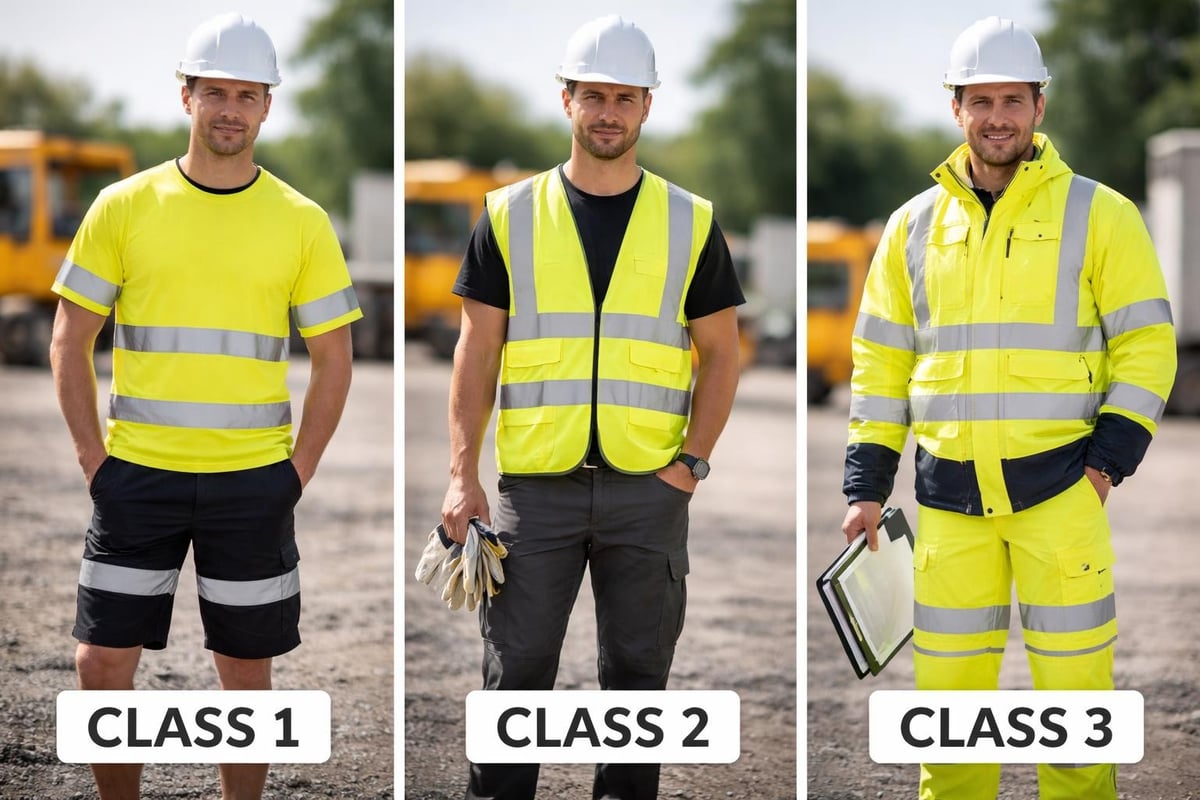
High-visibility garments are categorized into three distinct classes based on the minimum area of visible material:
Class 1 represents the most basic level of protection, suitable for low-risk environments where traffic does not exceed 30 mph. These garments contain the smallest amount of reflective material and are typically used by warehouse workers or those in controlled environments.
Class 2 provides intermediate protection and is designed for workers exposed to traffic traveling up to 50 mph. This classification is common in road construction, railway work, and airport ground crews where visibility is crucial but workers maintain some distance from high-speed traffic.
Class 3 offers the highest level of visibility protection, required when workers operate in proximity to traffic exceeding 50 mph or in particularly hazardous conditions. This category includes full-coverage jackets, coveralls, and trousers with extensive reflective striping.
| Class | Minimum Background Material | Minimum Retroreflective Material | Typical Applications |
|---|---|---|---|
| Class 1 | 0.14 m² | 0.10 m² | Warehouses, car parks, low-traffic areas |
| Class 2 | 0.50 m² | 0.13 m² | Road construction, railways, delivery drivers |
| Class 3 | 0.80 m² | 0.20 m² | Highways, emergency services, night work |
Understanding these classifications helps businesses select appropriate mens hi vis clothing that meets both legal requirements and practical safety needs for specific work environments.
Types of Men's Hi Vis Garments Available
The variety of mens hi vis clothing available today extends far beyond simple vests. Modern high-visibility workwear encompasses a comprehensive range of garments designed to meet diverse workplace requirements whilst providing comfort and functionality.
Core Garment Categories
Hi vis vests and waistcoats remain the most recognizable form of high-visibility workwear. These lightweight, sleeveless options work well in warmer conditions or when worn over existing clothing. They're ideal for temporary visitors to sites or situations requiring quick identification.
Hi vis jackets and coats provide essential weather protection whilst maintaining visibility standards. Available in various weights from lightweight softshells to insulated winter jackets, these garments combine safety with practical protection against the elements. Many feature multiple pockets, detachable hoods, and water-resistant materials.
Hi vis shirts and polo shirts offer a more professional appearance suitable for site supervisors, delivery drivers, and customer-facing roles. These garments maintain safety compliance whilst presenting a smarter image than traditional vests.
Hi vis trousers and coveralls complete full-body protection systems, particularly important for Class 3 compliance. Trousers with reflective striping ensure lower body visibility, crucial when workers kneel or work at ground level.
Specialized Men's Hi Vis Options
- Fleece jackets for thermal comfort without bulk
- Waterproof rain gear combining EN ISO 20471 with weatherproofing standards
- Bomber jackets providing versatile layering options
- Body warmers for core warmth with unrestricted arm movement
- Sweatshirts for casual work environments requiring visibility
Many businesses choose to add logos to workwear through embroidery services, ensuring brand visibility alongside safety compliance. This customization transforms standard mens hi vis clothing into professional company uniforms that enhance brand recognition whilst meeting regulatory requirements.
Colour Requirements and Material Considerations
The distinctive fluorescent colours associated with mens hi vis workwear aren't merely aesthetic choices. They're carefully selected based on scientific research into human visual perception and the physics of light reflection.
Approved Fluorescent Colours
According to high-visibility clothing standards, only three fluorescent background colours are approved for compliant garments:
- Fluorescent yellow-green - Most commonly used, offering excellent visibility in most conditions
- Fluorescent orange-red - Popular in specific industries like railways where tradition and brand recognition matter
- Fluorescent red - Less common but approved for certain applications
The fluorescent properties of these materials enable them to absorb ultraviolet light and re-emit it as visible light, effectively making the fabric appear to glow. This phenomenon significantly enhances daytime visibility compared to standard bright colours.
Retroreflective Materials Explained
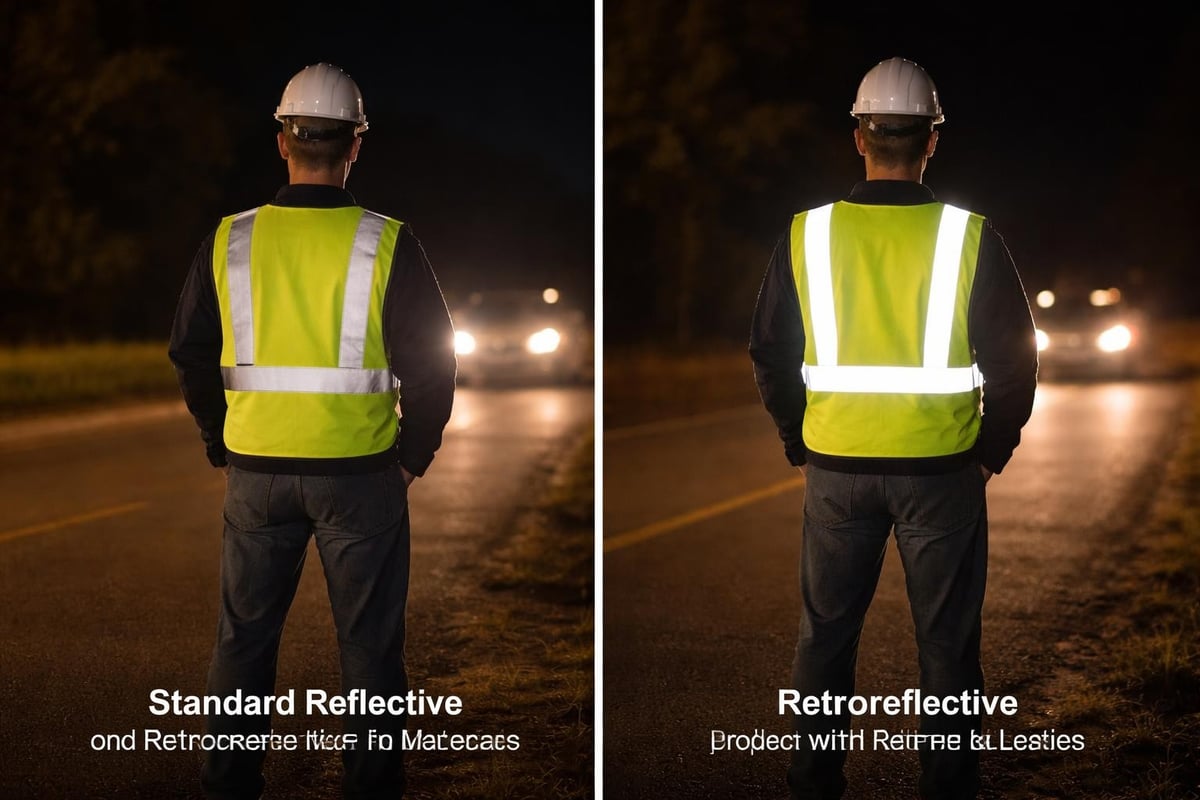
Retroreflective tape or striping constitutes the second critical component of mens hi vis clothing. Unlike simple reflective materials that scatter light in all directions, retroreflective materials return light directly to its source. When vehicle headlights illuminate a worker wearing properly designed mens hi vis clothing, the retroreflective elements create a bright outline visible from considerable distances.
The positioning of retroreflective striping follows specific patterns designed to create a recognizable human silhouette. Horizontal bands around the torso and arms, combined with vertical shoulder straps, help drivers and equipment operators quickly identify workers and judge their position and movement.
Industry-Specific Applications and Requirements
Different industries impose varying demands on mens hi vis workwear, influenced by specific hazards, environmental conditions, and regulatory frameworks. Understanding these sector-specific requirements ensures appropriate garment selection.
Construction and Civil Engineering
Construction sites present multiple visibility challenges, from moving vehicles and machinery to work at height and excavation. The importance of hi vis clothing in construction cannot be overstated, with Class 2 or Class 3 garments typically mandated depending on proximity to traffic and machinery.
Workers benefit from mens hi vis clothing that combines safety with practical features like reinforced elbows, multiple tool pockets, and durable fabrics resistant to tears and abrasion. Layering systems allow adaptation to changing weather conditions throughout long shifts.
Road Maintenance and Highways
Highway workers face perhaps the most acute visibility challenges, operating directly in traffic flow at high speeds. Class 3 mens hi vis clothing is mandatory, often with additional requirements for garments meeting specific colour combinations or including the employer's identification markings.
These environments demand full coverage solutions, including hi vis trousers and long-sleeved jackets, ensuring visibility regardless of working position. Nighttime operations may require garments with enhanced retroreflective coverage exceeding minimum standards.
Warehousing and Logistics
Distribution centers, loading docks, and warehouse environments typically require Class 1 or Class 2 mens hi vis clothing depending on forklift traffic and lighting conditions. The focus shifts toward comfort for indoor environments with controlled temperatures.
Breathable fabrics, lighter weights, and simplified designs work well in these settings. Many logistics companies opt for hi vis polo shirts or vests that maintain safety compliance whilst providing a professional appearance for customer interactions.
Emergency Services and Utilities
Ambulance crews, utility workers, and emergency responders require mens hi vis clothing that functions across diverse scenarios. These garments often incorporate additional features like ID card holders, radio loops, and specialized pockets for equipment.
Adaptability proves crucial, with layering systems allowing rapid adjustment from vehicle to outdoor environments. Many emergency service providers specify exact colour combinations and marking configurations for instant organizational identification.
Selecting the Right Men's Hi Vis Workwear
Choosing appropriate mens hi vis clothing involves balancing regulatory compliance, workplace hazards, environmental conditions, and worker comfort. A systematic approach ensures investments deliver both safety and value.
Risk Assessment Considerations
Begin with a thorough workplace risk assessment examining:
- Traffic speed and volume near work areas
- Lighting conditions during all shifts
- Weather exposure throughout seasons
- Physical demands of tasks performed
- Duration of wear required
This analysis determines the minimum classification required whilst identifying additional features that enhance safety or productivity.
Fit and Comfort Factors
Poorly fitting mens hi vis clothing compromises both safety and comfort. Garments too tight restrict movement and cause discomfort, whilst oversized clothing catches on equipment and reduces effective visibility. Consider:
Sizing standards - Ensure consistent sizing across garment ranges for reliable ordering Adjustability - Look for adjustable cuffs, hems, and waistbands accommodating different body types Breathability - Select fabrics appropriate for work intensity and environment Layering compatibility - Verify hi vis outer layers accommodate necessary base and mid-layers
Many workers spend entire shifts in mens hi vis clothing, making comfort a productivity issue as much as a welfare concern.
Durability and Maintenance Requirements
High-quality mens hi vis workwear represents a significant investment requiring careful maintenance to preserve both safety properties and appearance. Understanding care requirements for embroidered workwear helps maximize garment lifespan.
Key durability factors include:
- Fabric weight and construction quality
- Reinforcement at stress points
- Quality of retroreflective material attachment
- Colorfastness of fluorescent materials
- Washing temperature tolerance
Establish clear protocols for regular inspection, proper washing, and timely replacement of mens hi vis clothing showing degradation of safety features.
Customization and Branding Options
Modern mens hi vis workwear readily accommodates company branding through various decoration techniques, transforming safety garments into professional uniforms that reinforce corporate identity.
Embroidery for Hi Vis Garments
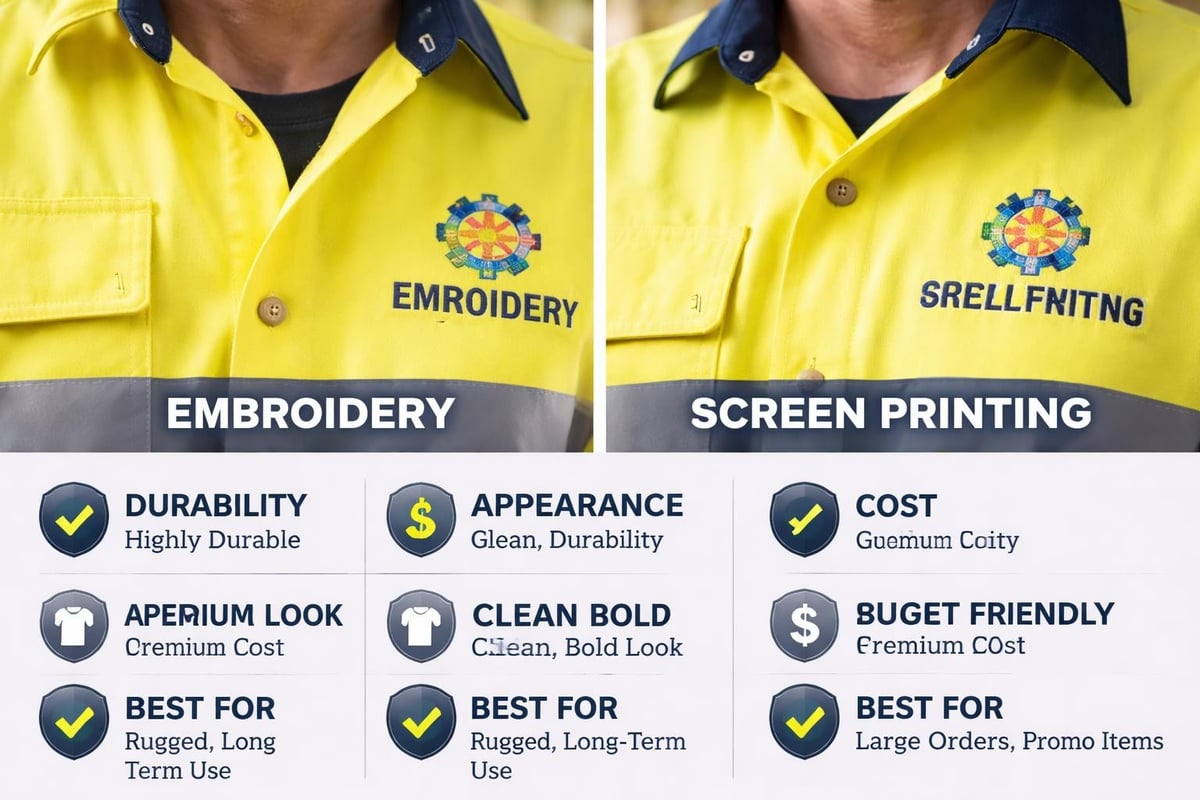
Embroidery provides the most durable and professional method for adding logos and text to mens hi vis clothing. This technique works particularly well on:
- Chest positions on jackets and shirts
- Upper back panels for larger designs
- Upper arm placements for smaller emblems
- Pocket positions for subtle branding
Quality embroidery maintains its appearance through countless wash cycles, ensuring consistent brand presentation throughout garment life. The raised texture of embroidered designs also adds a premium quality perception compared to printed alternatives.
Print Applications
Screen printing and heat transfer techniques offer cost-effective alternatives for larger designs or text-heavy applications. These methods work well for:
- Large back panels displaying company names or safety messages
- Multi-color complex logos
- High-volume uniform programmes requiring quick turnaround
- Temporary or seasonal workforce identification
Combined approaches using both embroidery and printing maximize visual impact whilst managing decoration costs effectively.
Personalization Considerations
Individual worker identification through personalized mens hi vis clothing enhances accountability and professionalism. Options include:
- Individual names embroidered or printed on garments
- Unique identification numbers
- Role-specific designations (Supervisor, Foreman, Operative)
- Certification or qualification indicators
This personalization proves particularly valuable in large sites with multiple contractors or in security-sensitive environments requiring clear identification of personnel.
Compliance and Legal Obligations
Employers carry significant legal responsibilities regarding provision and maintenance of appropriate mens hi vis clothing. Understanding these obligations protects both workers and businesses from potential consequences of non-compliance.
UK Regulatory Framework
The Health and Safety at Work Act 1974 establishes the fundamental duty of employers to ensure worker safety so far as reasonably practicable. The Personal Protective Equipment at Work Regulations 1992 specifically address provision of protective clothing, including mens hi vis workwear.
These regulations require employers to:
Conduct risk assessments identifying needs for high-visibility clothing Provide suitable equipment at no cost to employees Ensure proper maintenance and replacement of damaged garments Deliver adequate training on correct use and limitations Monitor compliance with wearing requirements
Sector-specific regulations may impose additional requirements. Construction sites, for instance, follow CDM Regulations specifying visibility standards, whilst road workers must comply with Chapter 8 requirements outlined in the key standards for high-visibility clothing.
Employee Responsibilities
Workers also bear legal obligations regarding mens hi vis clothing use:
- Wearing provided equipment as instructed
- Caring for garments properly
- Reporting damage or deterioration
- Attending required training
- Following organizational procedures
Creating a safety culture where compliance becomes automatic rather than enforced produces better outcomes than purely punitive approaches.
Documentation and Record Keeping
Maintain comprehensive records demonstrating compliance:
| Record Type | Content | Retention Period |
|---|---|---|
| Risk Assessments | Hazard identification, control measures | Current + 3 years |
| Issue Records | Who received what, when, sizes | Duration of employment + 3 years |
| Training Logs | Training delivered, attendees, dates | Indefinite |
| Inspection Reports | Condition checks, replacement decisions | 3 years |
| Incident Reports | Any safety incidents involving visibility | Indefinite |
This documentation proves invaluable during HSE inspections and provides evidence of due diligence should incidents occur.
Future Trends in Men's Hi Vis Technology
Innovation continues transforming mens hi vis workwear, driven by advances in materials science, wearable technology, and evolving understanding of workplace safety needs.
Smart Hi Vis Integration
Emerging technologies are being integrated into mens hi vis clothing:
LED enhancement systems - Battery-powered LED strips providing active illumination supplementing passive retroreflection Location tracking - Embedded RFID or GPS enabling real-time worker location monitoring Impact detection - Sensors detecting falls or impacts triggering automatic alerts Environmental monitoring - Temperature and air quality sensors protecting workers from invisible hazards
These innovations promise enhanced safety whilst raising questions about worker privacy and technology reliability in harsh environments.
Sustainable Materials Development
Environmental concerns drive development of eco-friendly mens hi vis clothing options. Manufacturers increasingly offer garments featuring:
- Recycled polyester from plastic bottles
- Organic cotton components
- Water-based fluorescent dyes
- Biodegradable or recyclable end-of-life options
These sustainable alternatives maintain safety compliance whilst reducing environmental impact, appealing to organizations with robust corporate social responsibility commitments.
Enhanced Comfort Technologies
Material innovations focus on improving wearer comfort without compromising visibility:
- Moisture-wicking fabrics managing perspiration in physically demanding roles
- Four-way stretch materials enhancing mobility and reducing restriction
- Antimicrobial treatments maintaining hygiene during extended wear
- Temperature-regulating fabrics adapting to changing conditions
As workers increasingly expect performance features comparable to sports and outdoor apparel, mens hi vis clothing evolves beyond purely functional safety equipment toward genuine performance workwear.
Cost Considerations and Budgeting
Investing in quality mens hi vis clothing requires careful financial planning, balancing initial costs against long-term value through durability, compliance, and worker satisfaction.
Initial Purchase Costs
Mens hi vis clothing prices vary significantly based on:
- Classification level - Class 3 garments cost more than Class 1 due to material requirements
- Garment type - Jackets exceed vests; coveralls cost more than separate pieces
- Feature complexity - Multiple pockets, detachable components, and advanced materials increase prices
- Brand reputation - Established brands command premiums over generic alternatives
- Customization - Logo embroidery and personalization add per-garment costs
Budget £15-30 for basic vests, £40-80 for quality jackets, and £60-120 for specialized garments like insulated coats or full coveralls. Volume purchasing typically secures meaningful discounts.
Total Cost of Ownership
Looking beyond purchase price reveals true garment value:
Durability - Higher-quality mens hi vis clothing lasting twice as long costs less over time despite higher initial prices Maintenance costs - Consider washing frequency, special cleaning requirements, and repair potential Replacement frequency - Establish replacement schedules based on wear patterns and safety degradation Compliance costs - Factor inspection time and documentation into total programme costs
Calculate cost per wear or cost per year for accurate comparisons between options at different price points.
Strategies for Cost Management
- Implement garment tracking systems reducing losses
- Negotiate volume discounts with suppliers
- Establish proper care protocols extending garment life
- Right-size inventory avoiding overstocking
- Consider leasing programmes for large workforces
- Standardize on fewer styles simplifying ordering and sizing
Investment in quality mens hi vis clothing from reputable suppliers like Cobra Workwear often proves more economical long-term than repeatedly replacing cheaper alternatives that quickly deteriorate.
Building Effective Hi Vis Programmes
Successful implementation of mens hi vis workwear extends beyond simply purchasing garments. Comprehensive programmes address selection, distribution, maintenance, compliance, and continuous improvement.
Programme Development Steps
Step 1: Conduct Comprehensive Assessment Evaluate all work areas, tasks, and conditions requiring high-visibility clothing. Engage workers in identifying needs and challenges with existing provision.
Step 2: Establish Clear Standards Define exactly what mens hi vis clothing is required for each role, including classification, garment types, and any customization requirements. Document these standards clearly.
Step 3: Select Suppliers and Products Choose reliable suppliers offering appropriate quality, sizing range, and customization services. Request samples for worker trials before committing to large orders.
Step 4: Implement Distribution System Create efficient processes for issuing mens hi vis clothing to new starters and providing replacements. Track what each worker receives and when.
Step 5: Deliver Training Ensure all workers understand why mens hi vis clothing matters, how to wear it correctly, and their responsibilities for care and maintenance.
Step 6: Monitor and Enforce Compliance Regularly check workers are wearing appropriate garments correctly. Address non-compliance consistently whilst investigating underlying causes.
Step 7: Review and Improve Gather feedback, analyze performance data, and continuously refine your mens hi vis programme based on real-world results.
Common Implementation Challenges
Organizations frequently encounter obstacles when rolling out mens hi vis programmes:
- Worker resistance to wearing unfamiliar or uncomfortable garments
- Sizing difficulties accommodating diverse body types
- Budget constraints limiting initial investment
- Maintenance burden on existing systems
- Compliance monitoring across dispersed locations
Address these proactively through worker engagement, flexible solutions, and clear communication emphasizing safety benefits alongside organizational requirements.
Selecting appropriate mens hi vis workwear requires understanding safety standards, assessing workplace risks, and balancing compliance with comfort and cost considerations. Quality high-visibility clothing protects workers whilst supporting professional brand presentation through customization options. Cobra Workwear provides comprehensive mens hi vis solutions with in-house embroidery services, helping UK businesses across construction, logistics, and numerous other sectors implement effective visibility programmes that protect their workforce and enhance their professional image.
