

The decision to get personalised ltd workwear for your business represents far more than simply adding a logo to a shirt. It's a strategic investment in brand identity, team cohesion, and professional presentation that impacts how customers perceive your organisation. In 2026, the workwear customisation industry has evolved significantly, offering businesses of all sizes access to sophisticated embroidery and printing techniques that were once reserved for large corporations. Whether you operate in construction, hospitality, healthcare, or any other sector requiring professional attire, understanding the nuances of personalised workwear can transform your team's appearance and your brand's market position.
Understanding the Business Case for Personalised Workwear
When businesses decide to get personalised ltd workwear solutions, they're addressing multiple operational and marketing objectives simultaneously. The primary benefit extends beyond aesthetics into tangible business value.
Professional image enhancement forms the cornerstone of this investment. Employees wearing branded uniforms project unity and competence, immediately signalling to customers that they're dealing with an established, professional organisation. This visual consistency builds trust before a single word is spoken.
The financial analysis reveals compelling returns. According to research on custom embroidered workwear, businesses that invest in quality personalised uniforms see measurable improvements in brand recognition and customer confidence. The durability of embroidered garments means these items outlast standard clothing by years, reducing replacement costs over time.
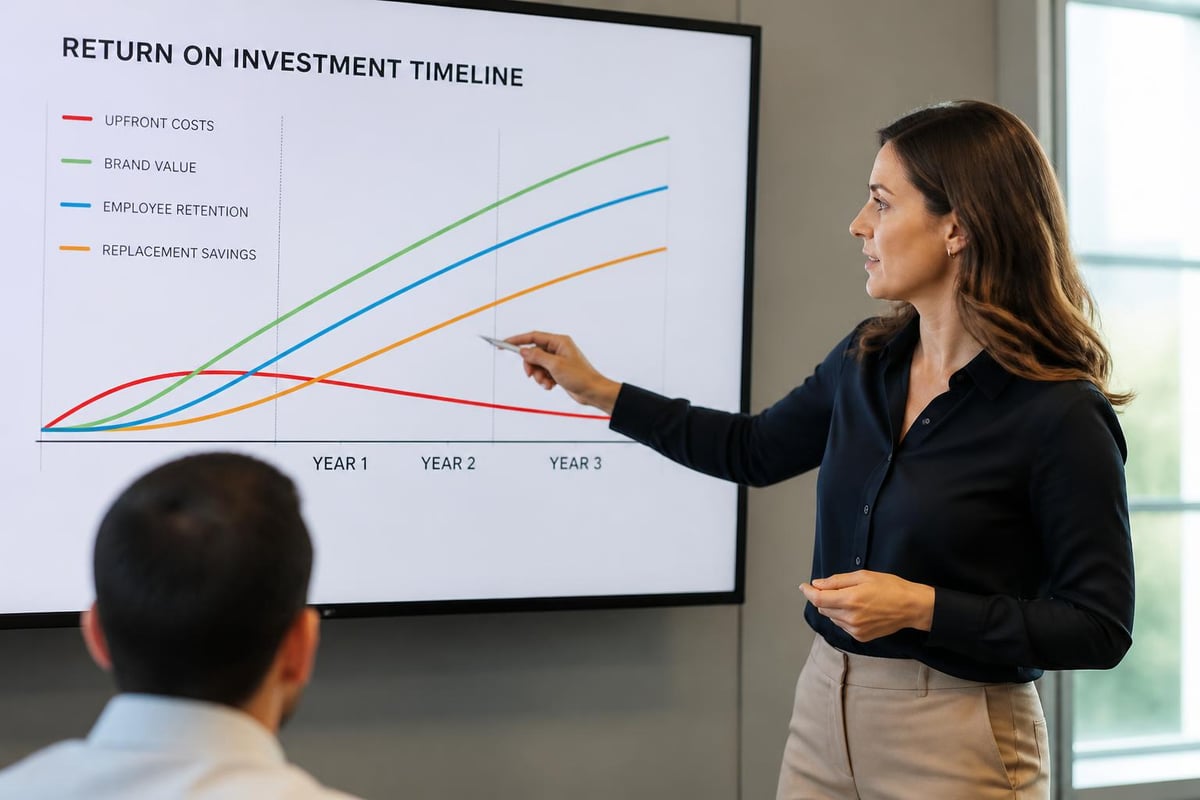
Key Business Benefits
Investing in personalised workwear delivers advantages across several operational areas:
- Brand visibility: Every employee becomes a walking advertisement, increasing brand exposure throughout their working day
- Team identity: Unified appearance fosters belonging and pride among staff members
- Security enhancement: Easy identification of legitimate employees in customer-facing environments
- Professional credibility: Demonstrates investment in quality and attention to detail
- Marketing efficiency: Reduces need for additional advertising expenditure
The decision to get personalised ltd uniform solutions also impacts employee morale significantly. Staff members wearing professional, well-designed workwear report higher job satisfaction and greater connection to their employer's mission.
Choosing the Right Customisation Method
Businesses seeking to get personalised ltd garments must navigate various customisation techniques, each offering distinct advantages depending on specific requirements.
Embroidery vs Printing: Technical Comparison
| Feature | Embroidery | Screen Printing | DTF Printing |
|---|---|---|---|
| Durability | Excellent (5-10 years) | Good (2-5 years) | Very Good (3-7 years) |
| Detail Level | Medium | High | Very High |
| Texture | Raised, tactile | Flat | Flat, flexible |
| Garment Types | Most fabrics | Cotton-heavy | All fabrics |
| Cost per Unit | Higher | Lower (bulk) | Medium |
| Setup Cost | Medium | High (screens) | Low |
Embroidery remains the premium choice for businesses wanting lasting quality. The embroidery services offered by specialised providers create a three-dimensional, professional finish that withstands countless wash cycles without degradation. This technique works exceptionally well on polo shirts, jackets, and bags where durability matters most.
Contemporary printing methods, particularly Direct-to-Film (DTF) technology, have revolutionised the industry. As outlined in comprehensive guides for small businesses, DTF printing offers flexibility for complex designs and photographic images that embroidery cannot replicate. The technique transfers intricate artwork onto virtually any fabric type, making it ideal for promotional campaigns or detailed branding requirements.
The choice between methods depends on several factors: intended use, washing frequency, design complexity, and budget constraints. Many businesses adopt a hybrid approach, using embroidery for management and customer-facing roles whilst employing printing for back-of-house staff or short-term promotional apparel.
Designing Effective Personalised Workwear
Successfully implementing personalised workwear requires more than selecting a customisation method. The design process demands careful consideration of brand guidelines, industry requirements, and practical functionality.
Logo placement strategies significantly impact visibility and professionalism. Standard positions include:
- Left chest (most common for corporate identity)
- Right chest (secondary branding or employee names)
- Back shoulder panels (high-visibility for construction sectors)
- Sleeve cuffs (subtle branding for hospitality environments)
- Centre back (large-format branding for promotional events)
Businesses looking to get personalised ltd solutions should consider how logo additions enhance brand perception rather than merely occupy space. Strategic placement ensures logos remain visible during typical work activities without interfering with safety equipment or movement.
Colour Psychology in Workwear Selection
The colours chosen for personalised workwear communicate subconscious messages to customers and employees alike. Navy blue conveys trust and stability, making it popular in financial services and healthcare. High-visibility yellow and orange meet legal requirements in construction whilst projecting safety consciousness. Black suggests sophistication and authority, favoured in hospitality and security sectors.
When combining brand colours with workwear functionality, businesses must balance aesthetic preferences against practical considerations. Dark colours hide stains in industrial environments, whilst lighter shades keep wearers cooler in outdoor summer conditions.

Industry-Specific Personalisation Requirements
Different sectors demand tailored approaches when businesses get personalised ltd workwear solutions. Understanding these nuances ensures compliance, safety, and appropriateness.
Construction and Trades
The construction sector prioritises visibility and durability above all else. Personalised workwear must incorporate high-visibility materials meeting EN ISO 20471 standards whilst withstanding harsh environmental conditions. Embroidered logos on reflective strips require specialist techniques to maintain visibility without compromising the reflective properties.
Reinforced garments with personalised branding need positioning that avoids wear points. Knee patches, elbow reinforcements, and tool loops must remain functional whilst accommodating company identification. Many construction businesses find that branded high-visibility packages offer complete solutions combining compliance with corporate identity.
Hospitality and Customer Service
Restaurants, hotels, and retail environments require personalised workwear that projects sophistication whilst enduring frequent laundering. The focus shifts towards comfort, style, and brand consistency across varied roles.
Staff hierarchies often manifest through workwear differentiation. Management might wear embroidered polo shirts with company logos, whilst front-line staff sport printed aprons featuring the establishment's branding. This tiered approach maintains unity whilst clearly delineating responsibilities.
The hospitality sector increasingly embraces gender-neutral and inclusive workwear designs, ensuring all team members feel comfortable and professional. Personalised workwear programmes now accommodate diverse body types and cultural requirements without sacrificing brand consistency.
Healthcare and Medical Services
Medical environments demand workwear that balances professional appearance with hygiene standards and infection control. Personalisation must withstand industrial laundering at high temperatures whilst remaining clearly legible.
Embroidered identification on scrubs, tunics, and lab coats helps patients distinguish between roles in busy clinical settings. The permanence of embroidery proves essential when garments undergo daily washing at temperatures exceeding 70°C, conditions that would rapidly degrade printed alternatives.
Implementing a Personalised Workwear Programme
Transitioning from standard clothing to branded uniforms requires structured planning and clear communication. Businesses seeking to get personalised ltd workwear solutions benefit from phased implementation strategies.
Programme Launch Steps
- Needs assessment: Survey employees about sizing, style preferences, and functional requirements
- Budget allocation: Calculate costs per employee including initial supply and annual replacements
- Supplier selection: Identify providers offering quality, service, and appropriate turnaround times
- Sample approval: Test garment quality, fit, and branding execution before bulk ordering
- Roll-out schedule: Coordinate delivery, fitting sessions, and introduction timeline
- Maintenance protocol: Establish care guidelines and replacement procedures
The financial investment varies considerably based on industry, garment quantity, and customisation complexity. Small businesses might spend £50-150 per employee for complete personalised workwear sets, whilst larger organisations negotiating bulk orders achieve significant per-unit savings.
Care and Maintenance Considerations
Maximising the lifespan of personalised workwear requires proper care protocols. Maintenance tips for embroidered workwear emphasise washing inside-out, avoiding harsh chemicals, and air-drying when possible to preserve branding quality.
Businesses should provide clear washing instructions addressing:
- Maximum wash temperatures
- Appropriate detergent types
- Bleach and fabric softener restrictions
- Drying method recommendations
- Ironing temperature limits
Professional laundering services specialising in workwear offer consistent quality control, particularly beneficial for hospitality and healthcare sectors requiring daily uniform changes.
Current Market Trends in Personalised Workwear
The workwear customisation industry continues evolving rapidly, with 2026 bringing several significant developments that businesses should consider when they get personalised ltd solutions.
Sustainability concerns now influence purchasing decisions across all sectors. Growing demand for eco-friendly workwear drives manufacturers towards organic cotton, recycled polyester, and environmentally responsible production methods. Personalised workwear programmes increasingly specify sustainable materials, aligning uniform choices with broader corporate social responsibility commitments.
The workwear market expansion reflects increased recognition of customisation's value. More businesses across diverse sectors now view personalised uniforms as essential rather than optional, driving innovation in both garment technology and customisation techniques.
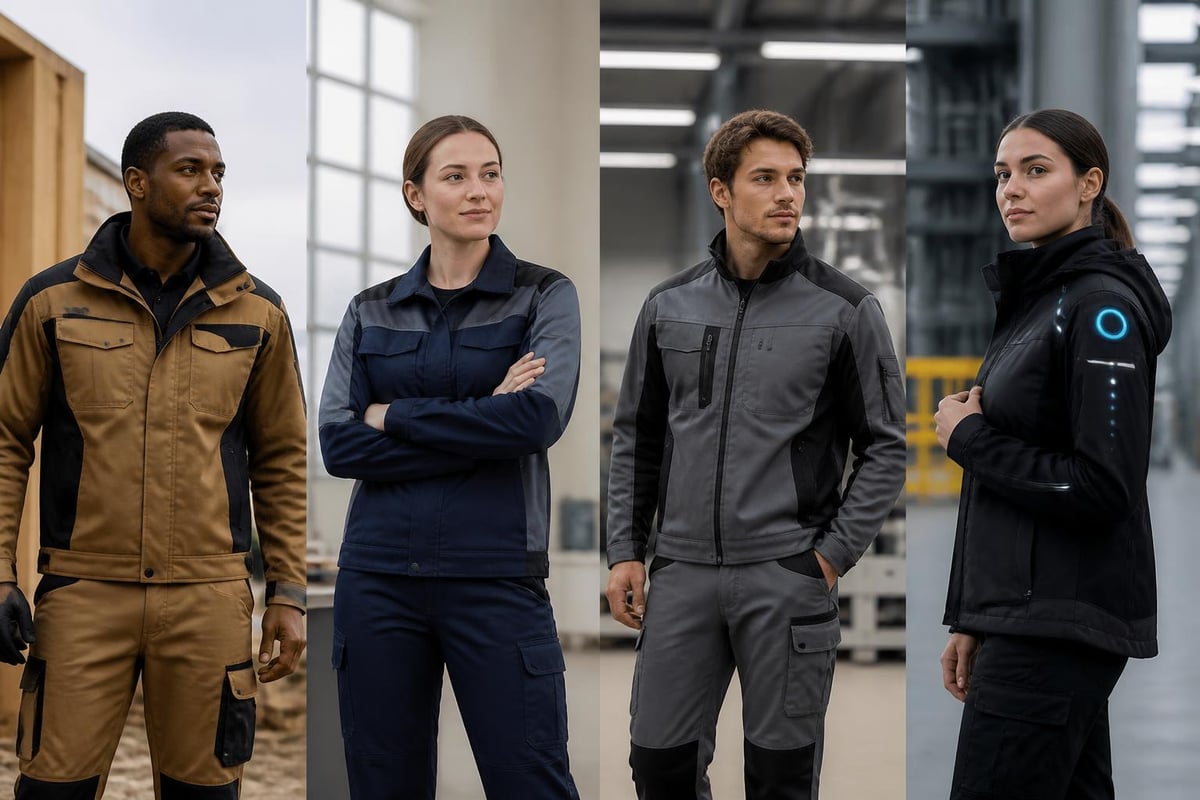
Technology Integration
Advanced fabric technologies now combine with traditional personalisation methods. Moisture-wicking materials, antimicrobial treatments, and temperature-regulating fibres enhance wearer comfort without compromising branding opportunities. These technical fabrics require careful consideration when selecting customisation methods, as some treatments affect embroidery adhesion or printing durability.
Smart textiles incorporating RFID tags or NFC chips enable advanced inventory management and security applications. Businesses can track uniform distribution, monitor washing cycles, and verify employee credentials through discreetly embedded technology, all whilst maintaining professional branded appearance.
Cost Management and Value Optimisation
Businesses aiming to get personalised ltd workwear solutions cost-effectively should understand pricing structures and value drivers throughout the procurement process.
Pricing Factors
| Cost Component | Impact Level | Optimisation Strategy |
|---|---|---|
| Base Garment Quality | High | Balance durability with budget constraints |
| Customisation Complexity | Medium | Simplify designs for cost reduction |
| Order Quantity | High | Consolidate orders for volume discounts |
| Turnaround Speed | Medium | Plan ahead to avoid rush charges |
| Colour Count | Low-Medium | Limit colours in embroidery designs |
Bulk ordering delivers substantial savings, but requires careful inventory management. Businesses should calculate annual replacement rates based on garment lifespan and staff turnover, ordering sufficient quantities to negotiate favourable pricing whilst avoiding excessive stock holding.
The resurgence of custom embroidery services reflects growing appreciation for quality and permanence. Whilst initial costs exceed printing alternatives, the extended lifespan and professional appearance justify the premium for customer-facing roles and management positions.
Hidden Value Considerations
Beyond direct costs, personalised workwear delivers less obvious benefits that contribute to overall value. Reduced theft and accidental garment mixing in shared facilities saves replacement expenses. The deterrent effect of clearly identified employees in retail environments reduces security incidents. Enhanced corporate identity strengthens brand positioning and customer loyalty, delivering marketing returns that far exceed uniform costs.
Supplier Selection and Partnership Development
Choosing the right provider when you get personalised ltd workwear solutions significantly impacts quality, service, and long-term satisfaction. The supplier relationship extends beyond transactional exchanges into strategic partnerships supporting business growth.
Key selection criteria include:
- In-house production capabilities ensuring quality control and faster turnaround
- Design support services helping translate brand guidelines into effective workwear
- Comprehensive size ranges accommodating diverse body types
- Flexible minimum order quantities suitable for business scale
- Transparent pricing without hidden fees or unexpected charges
- Reliable delivery services meeting promised timelines
- Responsive customer service addressing queries and resolving issues promptly
Businesses should request samples before committing to large orders, evaluating garment quality, customisation execution, and overall finish. The cheapest option rarely delivers best value, as inferior materials and poor customisation quality necessitate premature replacement.
Building Long-Term Supplier Relationships
Establishing ongoing partnerships with workwear suppliers generates multiple advantages. Preferred customer status often unlocks priority production scheduling, flexible payment terms, and preferential pricing on reorders. Suppliers familiar with your brand specifications, sizing requirements, and quality standards deliver consistent results with minimal oversight.
Regular communication ensures suppliers stay informed about business expansion, seasonal fluctuations, or changing requirements. This collaborative approach enables proactive solutions rather than reactive problem-solving, particularly valuable when urgent uniform needs arise unexpectedly.
Measuring Success and ROI
Quantifying the impact of personalised workwear investments helps justify expenditure and guide future decisions. Businesses that get personalised ltd solutions should establish measurement frameworks tracking both tangible and intangible returns.
Quantifiable metrics include:
- Customer recognition rates of branded staff
- Employee satisfaction scores related to uniform provision
- Garment lifespan compared to non-personalised alternatives
- Brand mention increases in customer feedback
- Staff retention improvements following uniform introduction
Qualitative feedback from employees and customers provides valuable insights beyond numerical data. Staff surveys revealing pride in wearing company-branded attire indicate successful programme implementation. Customer comments referencing professional appearance validate the investment's external impact.
Continuous Improvement Strategies
Successful personalised workwear programmes evolve based on feedback and changing requirements. Annual reviews should assess garment performance, design relevance, and employee satisfaction. Emerging fabric technologies, style trends, and business expansion may necessitate programme adjustments maintaining contemporary relevance whilst preserving brand consistency.
Pilot programmes testing new styles or customisation techniques among small employee groups minimise risk when considering significant changes. This iterative approach ensures modifications enhance rather than disrupt established uniform programmes.
Personalised workwear represents a strategic investment delivering measurable returns across brand visibility, team cohesion, and professional credibility. Understanding customisation options, industry requirements, and implementation best practices ensures businesses maximise value from uniform programmes. Cobra Workwear combines extensive product ranges with in-house embroidery and printing capabilities, delivering personalised workwear solutions tailored to your industry requirements and brand standards. Contact their team to explore how customised uniforms can elevate your business's professional image.
