

Custom workwear hoodies have become an essential component of professional uniforms across numerous industries in 2026. From construction sites to creative agencies, hospitality venues to healthcare facilities, businesses increasingly recognize the value of comfortable, branded hoodies that combine functionality with team identity. Selecting the right custom workwear hoodies involves understanding fabric technologies, branding techniques, design principles, and practical considerations that ensure your investment delivers long-term value. This comprehensive guide explores everything UK businesses need to know when commissioning hoodies that truly work for their teams.
Understanding the Business Case for Custom Workwear Hoodies
Professional appearance matters in every industry, yet comfort remains equally important for employee satisfaction and productivity. Custom workwear hoodies bridge this gap by offering casual comfort whilst maintaining a cohesive brand identity.
The practical benefits extend beyond simple branding. Hoodies provide warmth during transitional seasons, eliminating the need for bulky jackets whilst keeping employees comfortable in varying conditions. They create instant team recognition, particularly valuable for businesses operating in public-facing roles or at events where visibility matters.
Key business advantages include:
- Enhanced brand visibility through mobile advertising
- Improved team cohesion and professional identity
- Cost-effective layering option for year-round use
- Versatile uniform piece suitable for multiple occasions
- Employee satisfaction through comfortable workwear
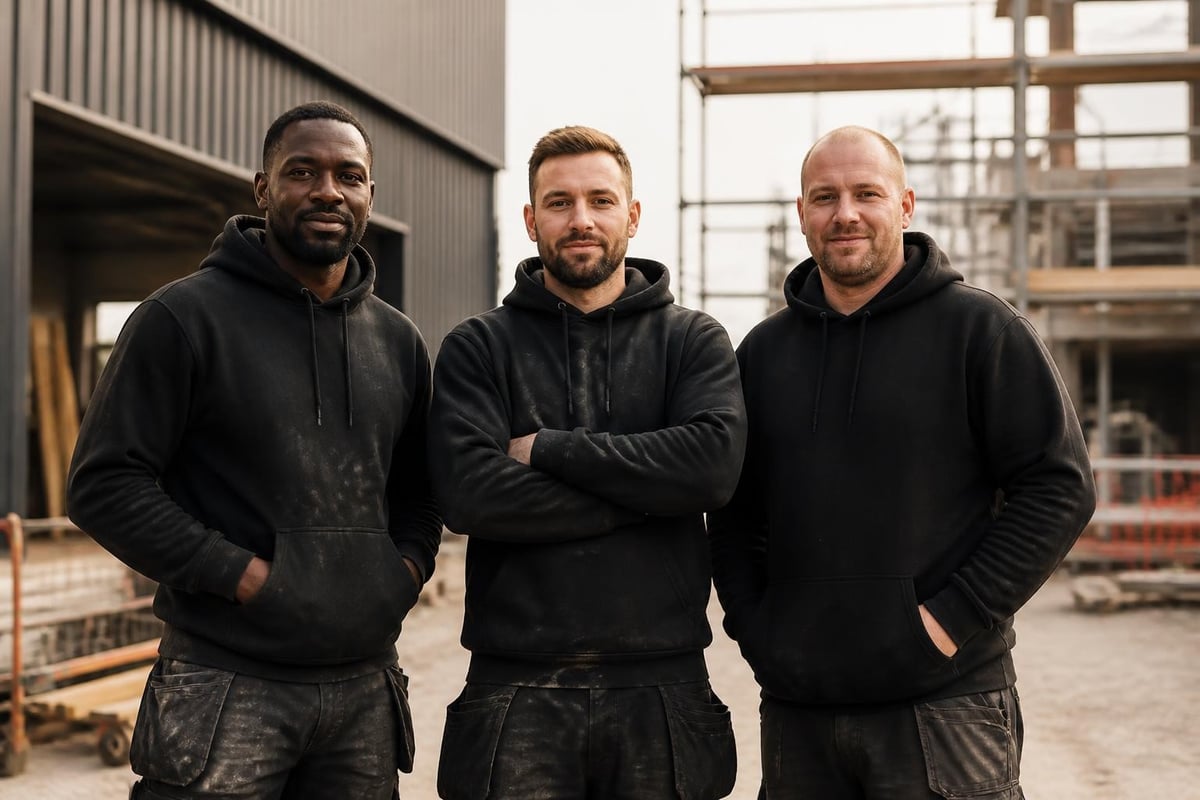
When evaluating custom hoodie options, businesses should consider how these garments fit within their broader uniform strategy. Understanding the key considerations when ordering custom hoodies ensures your investment aligns with operational requirements whilst meeting employee expectations.
Fabric Selection and Technical Specifications
Choosing appropriate fabrics represents one of the most critical decisions when ordering custom workwear hoodies. Different working environments demand specific fabric characteristics, from moisture management to durability.
Cotton Versus Polyester: Making the Right Choice
The cotton-polyester debate continues to evolve as fabric technologies advance. Pure cotton offers natural breathability and comfort, making it ideal for indoor environments and hospitality settings. However, cotton's tendency to shrink and lose shape over time may compromise longevity in demanding workplaces.
Polyester blends deliver superior durability, colour retention, and wash resistance. Modern polyester fabrics incorporate moisture-wicking properties that keep wearers comfortable during physical activities. For construction teams and outdoor workers, polyester-rich blends withstand harsh conditions whilst maintaining appearance.
| Fabric Type | Durability | Comfort | Maintenance | Best For |
|---|---|---|---|---|
| 100% Cotton | Moderate | Excellent | High care needed | Indoor, hospitality |
| 80/20 Cotton/Poly | Good | Very Good | Easy care | General workwear |
| 50/50 Blend | Very Good | Good | Very easy care | Active environments |
| 65/35 Poly/Cotton | Excellent | Moderate | Minimal care | Construction, outdoor |
Weight and Thickness Considerations
Fabric weight, measured in grams per square metre (GSM), directly impacts hoodie performance. Lighter weights (240-280 GSM) suit layering and transitional weather, whilst heavier options (340-400 GSM) provide substantial warmth for outdoor work.
Mid-weight hoodies around 280-320 GSM offer optimal versatility for UK climates. They provide adequate warmth without excessive bulk, allowing comfortable movement during various tasks. Heavier weights may restrict mobility, whilst lighter options may not withstand industrial laundering.
Design Elements and Structural Features
Beyond fabric choice, structural design significantly influences functionality and wearer satisfaction. Each design element serves practical purposes whilst contributing to overall aesthetic appeal.
Hood Construction and Functionality
Hood design impacts both appearance and practicality. Standard pullover hoods should feature adjustable drawstrings for weather protection, whilst ensuring drawstring ends are secured to prevent workplace hazards. Three-panel hood construction provides better shape retention and professional appearance compared to two-panel designs.
Consider whether your workforce requires hoods large enough to accommodate safety helmets or other protective equipment. Construction and industrial sectors may need oversized hoods, whereas service industries benefit from streamlined designs.
Pocket configurations include:
- Kangaroo pouch pockets for hand warmth and storage
- Zipped kangaroo pockets for secure item storage
- Side entry pockets for easier access whilst wearing tool belts
- Internal pockets for valuable item security
Zipper Versus Pullover Styles
Full-zip hoodies offer temperature regulation advantages, allowing wearers to adjust ventilation without removing the garment. This feature proves particularly valuable for workers moving between indoor and outdoor environments or performing varying physical activities. Zips also simplify garment removal when wearing safety equipment.
Pullover hoodies typically cost less and offer fewer potential failure points, as zips occasionally require replacement. They provide a cleaner canvas for embroidery or printing, particularly across the chest area. The choice between styles should reflect your team's specific working conditions and practical requirements.
Branding Methods: Embroidery and Printing Compared
Selecting the appropriate branding technique affects both visual impact and garment longevity. Understanding the strengths and limitations of each method ensures optimal results.
Embroidery for Professional Presentation
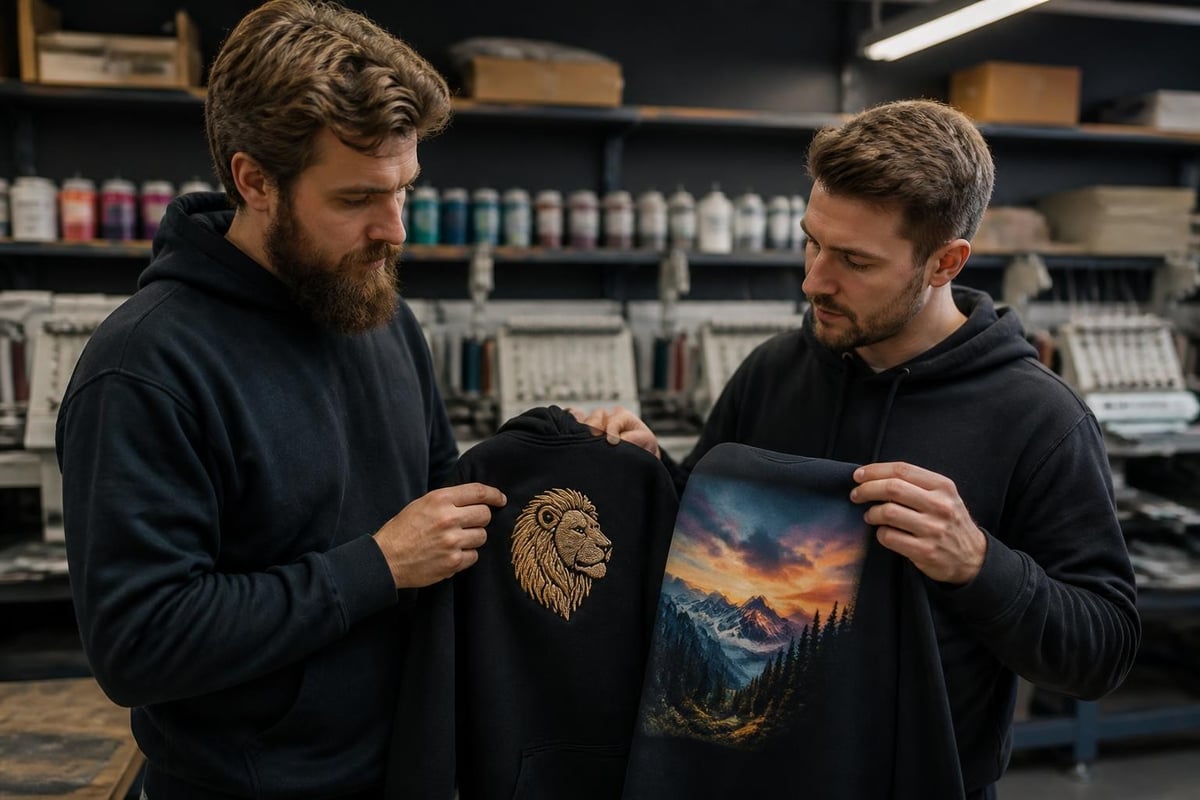
Embroidered logos deliver premium appearance and exceptional durability. The three-dimensional texture adds perceived value whilst withstanding countless wash cycles without fading or cracking. Embroidery works particularly well for smaller logos, text-based designs, and professional applications where sophisticated presentation matters.
However, design considerations for embroidered hoodies require attention to detail complexity and colour limitations. Highly detailed designs with gradients or photographic elements may not translate effectively to embroidery. Simple, bold logos with limited colour palettes produce the best results.
Printing Techniques for Complex Designs
Screen printing accommodates larger designs, photographic images, and unlimited colour options. Modern printing technologies deliver excellent wash resistance when properly cured. Direct-to-garment printing enables full-colour designs without setup costs, making it cost-effective for smaller orders with complex artwork.
Comparing embroidery versus screen printing methods helps businesses make informed decisions based on design complexity, order quantity, and budget constraints. Many companies utilize both techniques strategically, employing embroidery for primary logos and printing for larger back designs or event-specific customization.
Logo Placement and Design Optimization
Strategic logo placement maximizes visibility whilst maintaining professional aesthetics. Poor placement choices can compromise both appearance and practical functionality.
Standard Placement Options
Left chest positioning remains the most traditional and professional choice, typically sized between 75-100mm wide. This placement ensures visibility without overwhelming the garment, suitable for most business applications. Right chest positioning occasionally appears for secondary logos or alternative branding elements.
Full-width chest designs make bold statements, particularly effective for team sports or events where high visibility matters. Centre chest placement between 200-300mm wide creates balanced, eye-catching designs. However, larger designs may interfere with safety harness straps or other equipment in certain industries.
Common placement areas and typical dimensions:
- Left/Right chest: 75-100mm wide
- Full chest: 200-300mm wide
- Upper back: 250-350mm wide
- Sleeve: 50-75mm wide
- Hood exterior: 100-150mm wide
Sleeve branding offers subtle sophistication, though embroidery on sleeves requires careful sizing to ensure legibility. Back designs accommodate larger graphics and detailed artwork, ideal for showcasing company names or comprehensive branding. For businesses seeking creative embroidery ideas, combining multiple placement areas creates distinctive, memorable workwear.
Avoiding Common Design Mistakes
Many businesses encounter preventable design issues when creating custom workwear hoodies. Understanding common custom hoodie design problems helps avoid costly errors and disappointing results.
Overcrowded designs reduce legibility and create visual confusion. Maintaining adequate negative space around logos ensures clarity from distance. Similarly, insufficient colour contrast between logo and fabric diminishes visibility, particularly problematic for safety-critical industries requiring instant team identification.
File quality significantly impacts final results. Low-resolution artwork produces pixelated embroidery or blurry prints. Providing vector files (AI, EPS, or high-resolution PDF) ensures crisp reproduction regardless of sizing. Many suppliers offer design assistance to optimize artwork before production.
Sizing Strategies and Fit Considerations
Proper sizing ensures employee satisfaction and maximizes garment longevity. Ill-fitting hoodies create discomfort, restrict movement, and reflect poorly on company image.
Understanding Modern Fit Styles
Contemporary hoodies offer various fit profiles beyond traditional sizing. Regular fit provides classic comfort with moderate room through body and sleeves, suitable for most applications. Slim fit creates tailored appearance whilst maintaining comfort, popular in corporate and hospitality environments where professional presentation matters.
Relaxed or generous fits accommodate layering over other garments, essential for construction workers wearing multiple protective layers. Athletic fits combine room through shoulders with tapered bodies, appealing to active workers and younger demographics.
Creating Comprehensive Size Ranges
- Obtain actual measurements from current workforce
- Compare measurements against manufacturer size charts
- Order sample sizes for testing before bulk purchase
- Account for shrinkage in cotton-rich fabrics
- Provide extended sizes to accommodate all team members
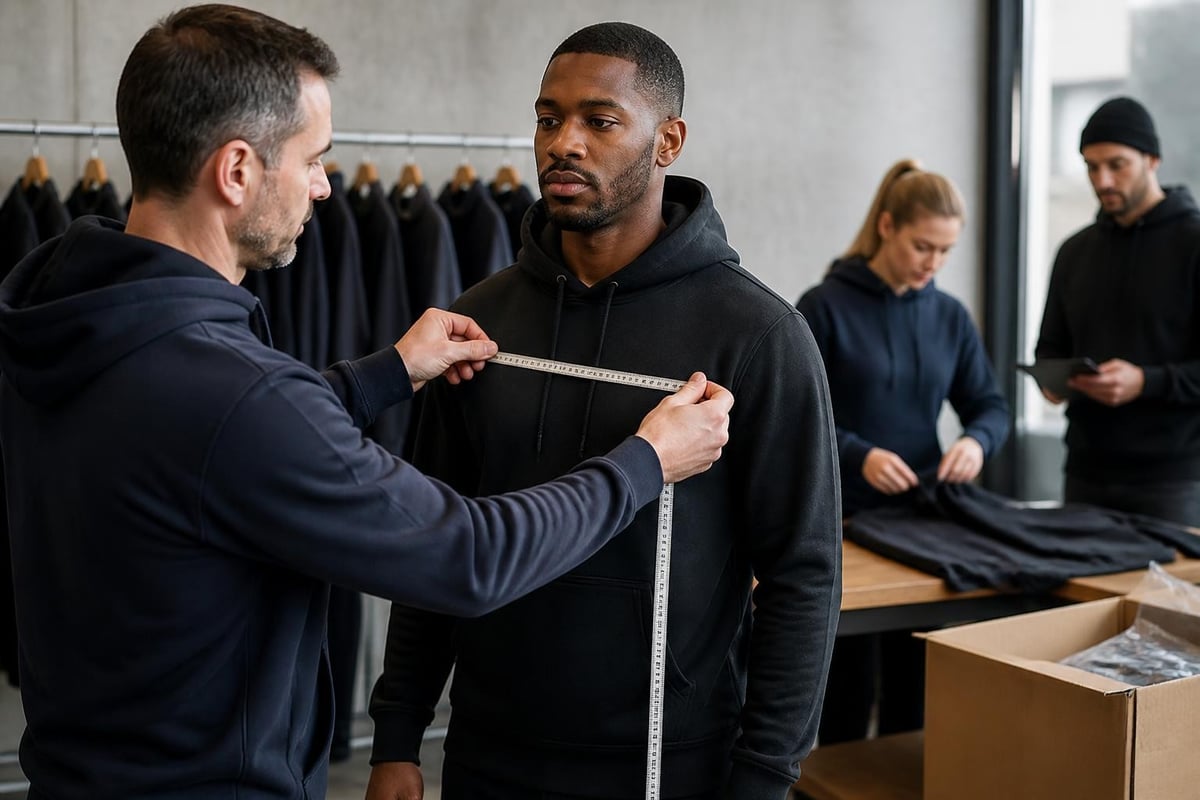
Many businesses discover that their teams require wider size distributions than initially anticipated. Ordering adequate quantities across the full size spectrum prevents situations where certain employees cannot obtain properly fitting garments. This inclusive approach demonstrates employee value whilst ensuring consistent team appearance.
Quality Indicators and Durability Factors
Distinguishing high-quality hoodies from inferior alternatives protects your investment and ensures employee satisfaction throughout the garment's lifecycle.
Construction Details That Signal Quality
Reinforced stitching at stress points indicates manufacturer attention to durability. Double-needle stitching along shoulders, armholes, and hem prevents premature failure during regular use and industrial laundering. Bar-tack reinforcement at pocket corners and drawstring exits extends functional life considerably.
Fabric density and consistency throughout the garment signals quality manufacturing. Premium hoodies maintain uniform weight and texture without thin spots or irregular weaving. Quality control during production eliminates these defects before distribution.
When selecting high-quality custom hoodies, examine seam finishing, ribbing elasticity, and zip quality if applicable. YKK or comparable branded zips outlast generic alternatives significantly. Ribbing should return to original shape after stretching, maintaining appearance and fit through repeated wear.
Care and Maintenance Requirements
Longevity depends heavily on appropriate care practices. Establishing clear maintenance guidelines for embroidered workwear protects your branding investment whilst extending garment life.
Essential care instructions include:
- Washing at 40°C maximum to prevent shrinkage
- Turning garments inside-out to protect branding
- Avoiding fabric softeners that reduce moisture-wicking properties
- Line drying when possible to minimize heat damage
- Storing properly to maintain shape between uses
Industrial laundering services must understand these requirements to prevent premature wear. Communicating specific care instructions to laundry providers ensures consistent results across your uniform programme.
Budget Planning and Cost Optimization
Financial considerations influence every aspect of custom workwear hoodie procurement. Strategic planning maximizes value whilst controlling expenditure.
Understanding True Cost Per Garment
Base garment cost represents only one component of total expenditure. Branding charges vary based on technique, complexity, and quantity. Setup fees for screen printing decrease on per-unit basis with larger orders, whilst embroidery typically charges per thousand stitches regardless of quantity.
Shipping costs, particularly for rush orders, can significantly impact budgets. Planning procurement cycles around standard delivery timeframes eliminates premium freight charges. Many suppliers offer free delivery above minimum order thresholds.
| Order Quantity | Base Cost | Embroidery | Setup | Per-Unit Total |
|---|---|---|---|---|
| 25 units | £18.00 | £4.50 | £0.80 | £23.30 |
| 50 units | £16.50 | £4.50 | £0.40 | £21.40 |
| 100 units | £15.00 | £4.50 | £0.20 | £19.70 |
| 250 units | £13.50 | £4.50 | £0.08 | £18.08 |
Maximizing Return on Investment
Quality investment pays dividends through extended garment life. Cheap hoodies requiring replacement within six months ultimately cost more than premium options lasting several years. Calculate total cost of ownership over expected lifespan rather than focusing solely on initial purchase price.
Standardizing on specific styles and colours simplifies reordering and ensures consistent appearance as team sizes fluctuate. This approach eliminates the frustration of discontinued styles forcing complete programme replacement.
Consider exploring Hoodies from established suppliers who maintain consistent stock availability and can accommodate both large initial orders and smaller replenishment purchases throughout the year.
Supplier Selection and Partnership Development
Choosing the right supplier partner significantly influences programme success beyond simple product quality. Reliable suppliers become valuable resources throughout your workwear journey.
Evaluating Supplier Capabilities
In-house production facilities offer faster turnaround times and better quality control compared to outsourced operations. Suppliers managing their own embroidery services and printing can respond more flexibly to rush requests or last-minute design modifications.
Technical expertise helps optimize designs for specific branding techniques. Experienced suppliers identify potential issues before production, suggesting modifications that improve final results. This consultative approach prevents costly mistakes and ensures satisfaction.
Service Level Considerations
- Minimum order quantities and their flexibility
- Standard and expedited turnaround times
- Sample provision before bulk production
- Design assistance and artwork optimization
- Reorder simplification for consistent programmes
Communication responsiveness indicates overall service quality. Suppliers who promptly answer questions and provide clear information typically deliver superior overall experiences. References from similar businesses in your industry provide valuable insights into reliability and service standards.
Industry-Specific Applications and Requirements
Different sectors require tailored approaches to custom workwear hoodies. Understanding industry-specific needs ensures appropriate specification.
Construction and Trade Applications
Construction environments demand robust fabrics resistant to abrasion, catching, and frequent laundering. Polyester-rich blends withstand job site conditions whilst maintaining appearance. High-visibility elements may be required for certain roles, incorporating reflective trim or contrasting colours.
Tool compatibility matters significantly. Hoodies must allow comfortable wear with tool belts, harnesses, and other safety equipment. Avoiding excessively baggy fits prevents snagging hazards whilst ensuring adequate movement freedom.
Hospitality and Service Industries
Customer-facing roles prioritize professional appearance and brand consistency. Hospitality teams benefit from neat, tailored fits that maintain smart casual aesthetics. Fabric choices should balance comfort during long shifts with easy-care properties for frequent laundering.
Colour selection impacts perceived professionalism. Classic neutrals (navy, black, grey) suit most hospitality environments, whilst accent colours can reinforce brand identity when carefully coordinated with overall uniform schemes.
Creative and Technology Sectors
Tech companies and creative agencies often embrace hoodies as core uniform elements, reflecting casual workplace cultures. These sectors typically favour modern fits, on-trend colours, and innovative branding approaches. Adding logos to workwear in these industries might incorporate contemporary design elements beyond traditional left-chest placement.
Quality remains paramount despite casual styling. Premium fabrics and construction details demonstrate company investment in employee experience whilst maintaining the relaxed aesthetic these cultures prefer.
Environmental Considerations and Sustainable Options
Sustainability increasingly influences procurement decisions as businesses recognize environmental responsibilities and respond to stakeholder expectations.
Eco-Friendly Fabric Choices
Organic cotton eliminates pesticides and reduces environmental impact during cultivation. Recycled polyester diverts plastic waste from landfills whilst delivering comparable performance to virgin materials. Many suppliers now offer eco-friendly workwear options that maintain quality standards whilst supporting sustainability goals.
Blended fabrics incorporating recycled content balance environmental benefits with practical performance. Modern recycled polyester matches virgin material durability whilst significantly reducing carbon footprint.
Sustainable certification programmes to consider:
- GOTS (Global Organic Textile Standard)
- OEKO-TEX Standard 100
- Recycled Content Standard
- Fair Trade certification
- Carbon neutral manufacturing
Longevity as Sustainability Strategy
Durability represents perhaps the most impactful sustainability factor. Hoodies lasting several years through proper care and quality construction reduce replacement frequency, minimizing overall environmental impact. This approach aligns environmental responsibility with financial prudence.
Establishing repair and maintenance programmes extends garment life beyond normal expectations. Simple repairs to zips, drawstrings, or minor seam failures can add months or years to useful life, delaying replacement needs significantly.
Future-Proofing Your Workwear Programme
Strategic planning ensures custom workwear hoodies remain relevant and effective as businesses evolve and workforce demographics shift.
Adaptable Design Approaches
Timeless design elements resist fashion fluctuations that quickly date garments. Classic styles, standard colours, and straightforward branding maintain relevance across years rather than seasons. This longevity maximizes programme value whilst ensuring consistent team appearance.
Modular branding strategies allow updates without complete replacement. Combining permanent embroidered elements with removable patches or interchangeable printed details accommodates rebranding, departmental changes, or event-specific customization.
Scalability and Growth Planning
Anticipating team expansion prevents procurement challenges as businesses grow. Establishing relationships with suppliers capable of handling increased volumes ensures consistency as order quantities rise. Volume pricing structures should accommodate both current needs and projected growth.
Documentation of exact specifications, Pantone colours, and branding files simplifies future orders and maintains consistency across purchasing cycles. This organized approach prevents specification drift that gradually alters appearance over time.
Understanding custom hoodie mistakes to avoid helps businesses establish programmes that deliver long-term value whilst avoiding common pitfalls that compromise satisfaction and waste resources.
Custom workwear hoodies represent a versatile, practical investment that enhances team identity whilst providing comfortable, functional workwear across diverse industries. By carefully considering fabric selection, branding techniques, sizing strategies, and quality indicators, businesses create programmes that deliver exceptional value and employee satisfaction. Cobra Workwear specializes in high-quality embroidered and printed workwear, offering in-house production capabilities that ensure fast turnaround times, consistent quality, and expert guidance throughout your custom hoodie journey. Visit Cobra Workwear today to explore options perfectly suited to your team's specific requirements and discover how professional custom workwear elevates your brand presence.
