

Selecting the right clothes for workers represents a crucial decision that impacts safety, productivity, and brand representation across every industry. Whether your team operates in construction, hospitality, healthcare, or corporate environments, the garments they wear daily must balance protection, comfort, durability, and professional appearance. In 2026, the workwear sector continues to evolve with innovative fabrics, enhanced safety features, and designs that acknowledge the diverse needs of modern working professionals. Understanding the key considerations when choosing employee attire helps organisations make informed investments that benefit both workers and business operations.
Understanding the Modern Workwear Landscape
The global workwear market continues to expand significantly, driven by increased awareness of workplace safety regulations and growing demand for durable, functional clothing. Today's employers recognise that appropriate clothes for workers are not merely a uniform requirement but a strategic investment in employee wellbeing and operational efficiency.
Industry regulations have become more stringent across sectors, particularly in construction, manufacturing, and healthcare. These requirements mandate specific fabric properties, visibility standards, and protective features that go beyond basic clothing specifications. Companies must navigate these regulatory frameworks whilst ensuring their workforce remains comfortable throughout demanding work shifts.
Key Industry Requirements
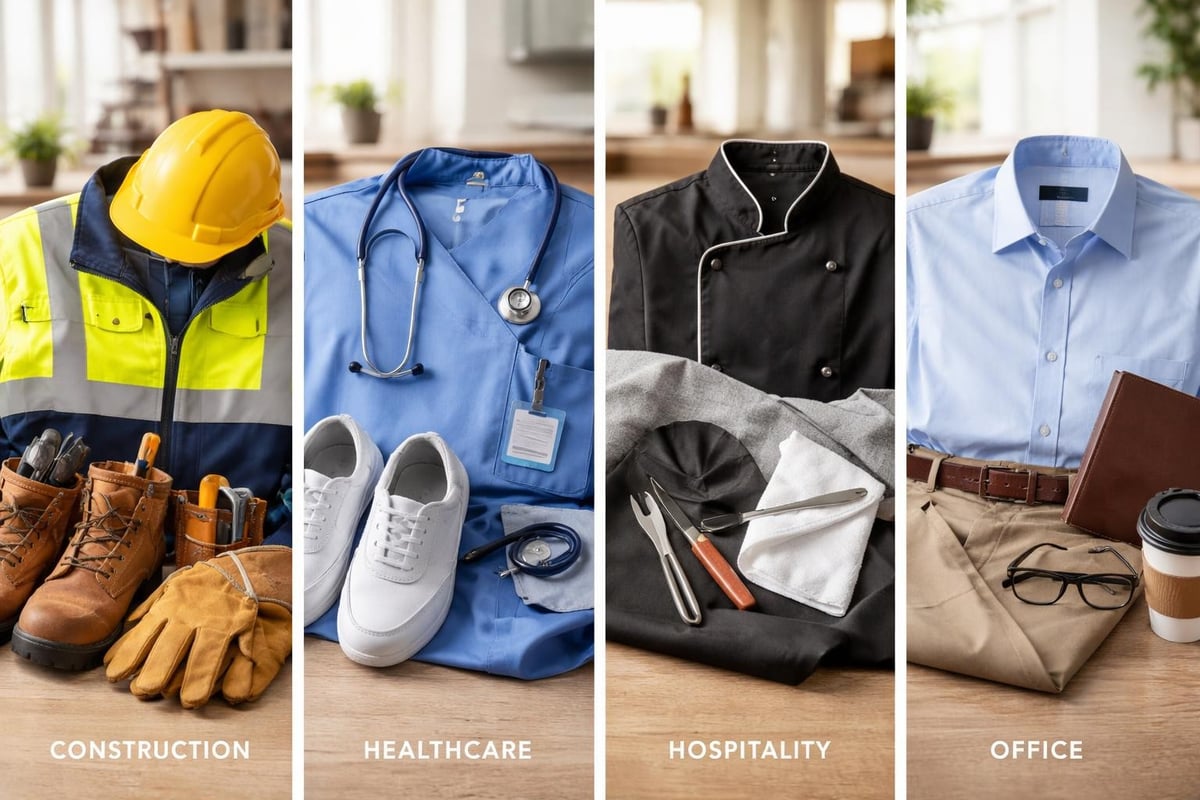
Different sectors demand distinct workwear characteristics:
- Construction and trades: High-visibility elements, reinforced stitching, multiple pockets, abrasion resistance
- Healthcare: Antimicrobial fabrics, easy-clean materials, professional appearance, infection control properties
- Hospitality: Stain resistance, breathability, smart presentation, ease of movement
- Corporate environments: Professional styling, comfort for extended periods, wrinkle resistance
The diversity of these needs means selecting clothes for workers requires careful consideration of daily tasks, environmental conditions, and specific hazards present in each workplace setting. According to comprehensive workwear market insights, product segmentation has become increasingly sophisticated to address these varied requirements.
Safety Standards and Compliance Considerations
Safety remains the paramount concern when specifying clothes for workers in hazardous environments. British and European standards provide clear frameworks for protective workwear, covering everything from high-visibility garments to flame-retardant materials.
High-visibility clothing must meet EN ISO 20471 standards, which classify garments into three classes based on background material and reflective tape coverage. Class 3 offers the highest visibility and is typically required for workers exposed to high-speed traffic or operating in low-light conditions. The selection depends on risk assessment outcomes and the specific work environment.
| Safety Standard | Application | Key Requirements |
|---|---|---|
| EN ISO 20471 | High-visibility | Fluorescent background, reflective tape placement, minimum surface areas |
| EN 343 | Waterproof workwear | Water penetration resistance, breathability ratings |
| EN 14404 | Knee protection | Impact and penetration resistance for kneeling work |
| EN 342 | Cold protection | Thermal insulation, air permeability, water resistance |
Beyond regulatory compliance, modern clothes for workers incorporate practical safety features that enhance protection without compromising comfort. Reinforced knees, articulated joints, and strategically placed pockets reduce the need for additional equipment whilst improving freedom of movement.
Material Technology Advances
Contemporary workwear fabrics represent significant technological progress. Moisture-wicking properties keep workers comfortable in physically demanding roles, whilst antimicrobial treatments prevent odour development during extended wear. These innovations mean clothes for workers can now offer protection and comfort simultaneously, rather than forcing compromises between the two objectives.
Durability has also improved markedly. Triple-stitched seams, ripstop fabrics, and reinforced stress points extend garment lifespan considerably, reducing replacement frequency and overall costs. When evaluating workwear options, examining construction quality alongside initial price delivers better long-term value.
Comfort and Functionality in Daily Operations
Workers perform best when their clothing supports rather than hinders their activities. Ergonomic design principles now influence how manufacturers construct clothes for workers, with features like gusseted crotches, articulated elbows, and stretch panels enabling natural movement patterns.
Temperature regulation presents a persistent challenge across many industries. Modern workwear trends emphasise breathable fabrics that allow heat and moisture to escape whilst maintaining protective properties. Layering systems give workers flexibility to adapt to changing conditions throughout their shifts, combining base layers, mid-layers, and outer shells as needed.
Practical Design Elements
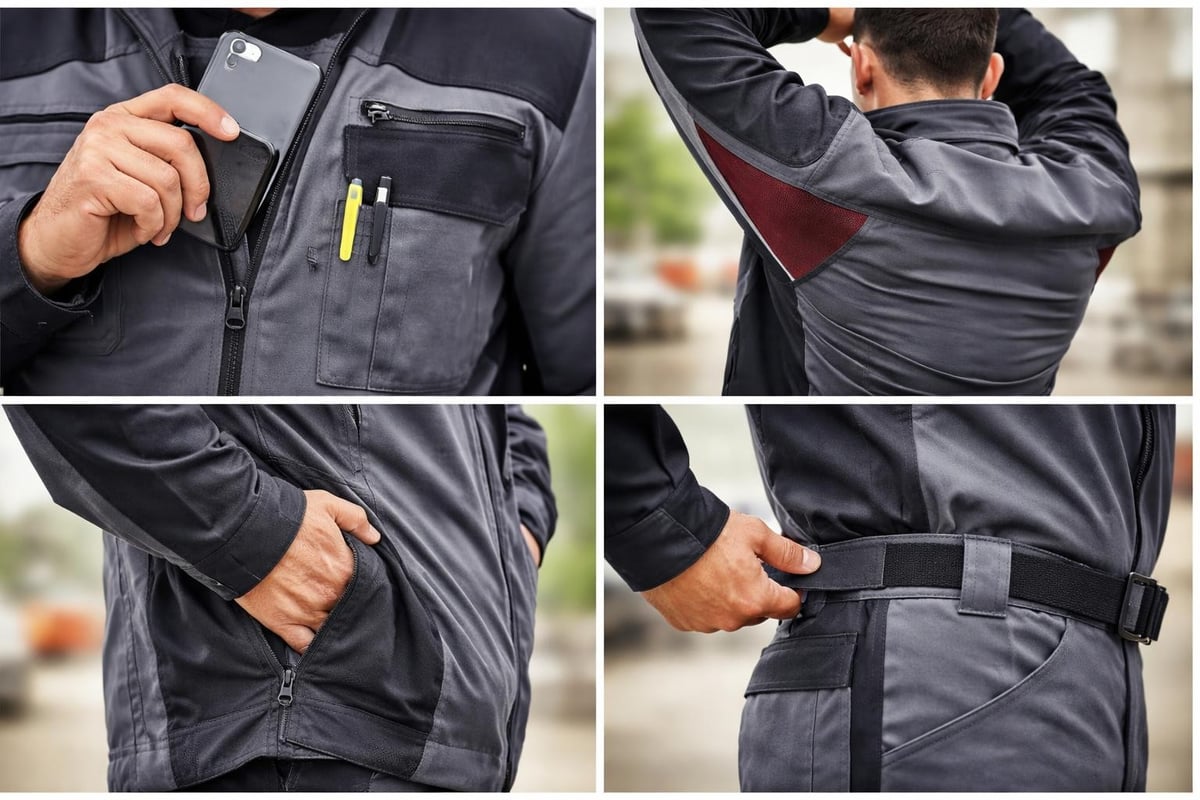
Functionality extends beyond fabric selection to encompass thoughtful design details:
- Pocket configuration: Tool pockets, phone pockets, and document pockets positioned for easy access without impeding movement
- Fastening systems: Heavy-duty zippers, reinforced button plackets, and adjustable cuffs that withstand repeated use
- Stretch zones: Flexible panels at key movement points maintaining shape whilst allowing freedom
- Ventilation: Mesh-lined sections and strategic openings promoting air circulation
- Adjustability: Elasticated waists, adjustable hems, and variable fit options accommodating different body types
These features transform clothes for workers from simple protective covering into genuine performance equipment. The difference becomes apparent during long shifts when poorly designed garments cause fatigue, restriction, or discomfort that impacts productivity and morale.
Brand Identity Through Professional Workwear
Clothes for workers serve as mobile marketing, transforming employees into brand ambassadors. Consistent, professional appearance builds customer confidence and reinforces corporate identity across every interaction. For businesses considering options, embroidered polo shirts offer an excellent balance of professional presentation and practical functionality suitable for various customer-facing roles.
Embroidery and printing quality significantly affects how branding appears on workwear. Professional decoration services ensure logos remain crisp and colours stay vibrant through repeated washing and wear. The positioning of branding elements requires strategic consideration – chest logos provide visibility during face-to-face interactions, whilst back placement increases recognition from a distance.
Maintaining Consistent Professional Standards
Establishing clear guidelines for workwear presentation ensures consistency across your workforce:
- Fit standards: Properly fitted garments that neither restrict movement nor appear excessively loose
- Colour schemes: Coordinated colours that align with brand guidelines whilst remaining practical
- Logo placement: Standardised positioning creating unified appearance across departments
- Care requirements: Clear washing and maintenance instructions preserving garment appearance
Companies investing in quality clothes for workers often discover that employees take greater pride in their appearance when provided with well-designed, comfortable garments. This psychological benefit extends beyond mere aesthetics, influencing customer perceptions and team cohesion.
Seasonal Considerations and Weather Protection
British weather demands versatile clothes for workers capable of handling diverse conditions. Layering systems provide the most effective solution, enabling workers to adjust their insulation level throughout the day without compromising protection or professional appearance.
Waterproof and breathable outer layers are essential for outdoor workers. Modern fabrics balance weather protection with comfort, preventing the clamminess associated with older waterproof materials. Sealed seams and storm flaps provide additional protection during heavy rainfall, keeping workers dry and productive regardless of conditions.
| Season | Primary Requirements | Recommended Features |
|---|---|---|
| Winter | Insulation, wind resistance, water protection | Thermal lining, high collar, adjustable cuffs, longer back hem |
| Spring | Showerproofing, breathability, layering compatibility | Lightweight waterproof shell, removable linings, ventilation panels |
| Summer | Moisture management, UV protection, ventilation | Lightweight fabrics, mesh inserts, sun-protective rating |
| Autumn | Versatility, transitional warmth, wind resistance | Mid-weight options, zip-off sleeves, packable outer layers |
Temperature extremes require specific protective measures. For cold environments, clothes for workers should incorporate thermal insulation whilst avoiding bulk that restricts movement. Conversely, hot conditions demand fabrics that actively manage moisture and promote cooling through strategic ventilation.
Sizing and Fit Considerations
Proper fit dramatically impacts both safety and comfort when selecting clothes for workers. Garments that are too large create snag hazards and appear unprofessional, whilst tight clothing restricts movement and causes discomfort during physical tasks. Comprehensive sizing systems accommodating various body shapes ensure every team member receives appropriate workwear.
Inclusive Sizing Approaches
Modern workwear suppliers recognise workforce diversity and provide extensive size ranges. This inclusivity extends beyond simple small-to-extra-large classifications to include:
- Extended size ranges: Accommodating smaller and larger individuals equally
- Gender-specific cuts: Tailored to different body proportions whilst maintaining functionality
- Length options: Regular, long, and short variants ensuring proper coverage
- Adjustable features: Drawstrings, elastic panels, and variable fastening points creating customised fit
Fitting sessions before bulk orders help identify sizing issues and ensure selections meet practical needs. Workers should test garments performing typical job tasks, checking for restriction points and verifying adequate coverage during movement. This investment in proper sizing reduces returns and guarantees workforce satisfaction with their clothes for workers.

Sustainability and Ethical Considerations
Environmental consciousness increasingly influences purchasing decisions for clothes for workers. Sustainable workwear options now offer comparable performance to conventional alternatives whilst reducing environmental impact through responsible material sourcing and manufacturing processes.
Durability represents the most significant sustainability factor. Garments lasting multiple years reduce waste and resource consumption compared to cheaper alternatives requiring frequent replacement. When evaluating costs, considering total lifecycle expenses rather than initial purchase price reveals the true value proposition.
Sustainable Material Options
- Organic cotton: Grown without harmful pesticides, reducing environmental contamination
- Recycled polyester: Diverts plastic waste from landfills whilst maintaining performance properties
- Hemp blends: Naturally durable and requiring minimal processing chemicals
- Bamboo fabrics: Fast-growing renewable resource with antimicrobial properties
- Recycled materials: Post-consumer waste transformed into high-performance workwear
Ethical manufacturing standards ensure clothes for workers are produced under fair labour conditions. Certifications from organisations like Fair Wear Foundation provide transparency regarding supply chain practices, enabling informed purchasing decisions that align with corporate responsibility values.
Maintenance and Longevity Strategies
Extending the useful life of clothes for workers delivers significant cost savings whilst reducing environmental impact. Establishing clear care protocols helps employees maintain garments properly, preserving appearance and functionality throughout their service life.
Industrial laundering presents specific challenges that domestic washing may not address adequately. Heavy soiling from construction sites, healthcare environments, or food service operations requires professional cleaning processes that thoroughly remove contaminants whilst protecting fabric integrity. Many workwear suppliers offer guidance on appropriate cleaning methods for different garment types.
Care Best Practices
- Wash workwear separately from personal clothing to prevent cross-contamination
- Follow temperature guidelines to avoid shrinkage or damage to special coatings
- Repair minor damage promptly before it worsens
- Rotate multiple garment sets to reduce wear on individual items
- Store properly when not in use to maintain shape and prevent degradation
Quality clothes for workers justify their investment through extended service life. Garments constructed with reinforced stitching, durable fabrics, and quality fastenings withstand demanding conditions far longer than budget alternatives. Calculating cost-per-wear rather than purchase price reveals the economic advantage of quality workwear.
Customisation Options and Personalisation
Beyond basic branding, personalisation options create stronger connections between employees and their workwear. Name embroidery, department identification, and role-specific details transform generic clothes for workers into individualised professional attire that employees value and maintain carefully.
Different decoration methods suit various applications. Embroidery provides exceptional durability and a premium appearance ideal for logos and text. Screen printing offers cost-effective solutions for larger designs or higher quantities. Direct-to-garment printing enables full-colour imagery and complex graphics. Understanding these options helps businesses select appropriate decoration methods for their specific requirements.
The positioning and size of customisation elements require strategic consideration. Chest logos should remain proportionate and positioned consistently across all garments. Additional branding on sleeves, backs, or pockets extends visibility without overwhelming the overall design. Working with experienced decoration specialists ensures professional results that enhance rather than detract from workwear appearance.
Cost Management and Procurement Strategies
Budgeting for clothes for workers involves balancing quality requirements with financial constraints. While premium workwear carries higher initial costs, superior durability and performance often deliver better long-term value than cheaper alternatives requiring frequent replacement.
Volume purchasing typically provides cost advantages, though businesses must balance bulk discounts against storage requirements and cash flow considerations. Establishing relationships with reliable suppliers ensures consistent quality and availability whilst potentially securing preferential pricing for regular customers. Exploring options through established providers like Cobra Workwear gives access to diverse product ranges with professional decoration services.
Budget Optimisation Approaches
| Strategy | Benefits | Considerations |
|---|---|---|
| Bulk ordering | Lower per-unit costs, consistent stock | Storage space, upfront capital, size distribution |
| Phased rollouts | Manageable cash flow, trial opportunities | Less consistent appearance, administrative complexity |
| Lease programmes | Predictable costs, maintenance included | Long-term expense, less ownership control |
| Mixed quality tiers | Core items premium, accessories standard | Ensuring minimum standards across all items |
Procurement policies should address replacement schedules, defining when garments require retirement based on wear indicators rather than arbitrary timeframes. This approach prevents premature disposal whilst ensuring workers always have presentable, functional clothes for workers available.
Future Trends Shaping Workwear Selection
The workwear industry continues evolving rapidly, with innovations emerging that will shape how organisations approach clothes for workers. Workplace wearable technologies increasingly integrate into garments, enabling health monitoring, location tracking, and environmental hazard detection through embedded sensors and connectivity features.
Smart fabrics representing the next frontier incorporate phase-change materials that actively regulate temperature, along with conductive threads enabling electronic integration. These developments promise enhanced comfort and safety, though adoption rates depend on cost-effectiveness and practical reliability in demanding work environments.
Customisation technology advances make personalisation more accessible and affordable. Digital decoration methods reduce minimum order quantities, enabling smaller businesses to access professional branding previously reserved for larger organisations. This democratisation expands opportunities for companies of all sizes to present cohesive, professional appearances through quality workwear.
Sustainability pressures will intensify, driving innovation in recycled materials and circular economy approaches. Forward-thinking organisations are already exploring garment take-back programmes and recycling initiatives, positioning themselves ahead of likely future regulations whilst demonstrating environmental responsibility.
Fashion influences continue permeating professional environments, as evidenced by evolving office outfit trends that blend formality with personal expression. This cultural shift affects expectations around clothes for workers even in traditionally conservative sectors, creating opportunities for suppliers offering modern aesthetics alongside functional performance.
Selecting appropriate clothes for workers requires careful consideration of safety standards, functionality, brand representation, and long-term value. The right workwear enhances employee protection, supports productivity, and strengthens professional image across all customer interactions. Whether you need high-visibility clothing for construction teams, professional tunics for healthcare workers, or branded corporate wear, Cobra Workwear provides comprehensive solutions with in-house embroidery and printing services tailored to your specific industry requirements.
